Fall is not the end of the planting season. Quite the contrary. Fall is another planting season and you should take advantage of it because it can offer you some of the tastiest vegetables you’ve ever planted.
There’s a whole group of crops that would rather grow in cool weather than in July heat, and they’ll reward you for planting them later.
And the advantages of fall planting? Cooler days, fewer pests and less watering if I were to name some.
So if you’ve been treating fall like the end of the garden, I want you to look at it differently. Here are seven vegetables that do better in the fall than they ever will in the heat of summer.
Why These Crops Do Better in the Cold
A cool-season crop is just a vegetable that grows best when the weather is on the cooler side, somewhere in the 50s and 60s during the day.
If you plant it during the summer heat, it will get stressed and this could create some problems. One such problem is bolting. This means the plant will shoot up a flower stalk and stop putting energy into the leaves or roots. Once that happens, the flavor usually turns bitter.
But fall solves this. Why? Because the days get shorter, the nights cool off, and the plant can take its time.
And here’s the part you might not expect. When frost hits a hardy crop like carrots or kale, the plant starts turning some of its stored starch into sugar. That sugar works like antifreeze inside the plant and keeps it from freezing solid.
You’ll see the benefit on your plate, because those same vegetables come out sweeter after a cold snap than anything you pulled in summer.
Now, let’s see the vegetables that were made for fall planting!
Spinach
Spinach and summer just don’t get along. Once the days get long and the soil warms up, spinach bolts fast, and you end up with a flower stalk and a handful of bitter leaves instead of a real harvest. It’ll even refuse to sprout when the soil is too warm.
Plant it in late summer for a fall crop and you’ll get the best spinach you’ve ever tasted. The leaves stay tender and mild, and the plant keeps producing for weeks.
Also, spinach is tougher than it looks. It handles hard frost and keeps going even when temperatures hit the 20s, especially with a little cover thrown over it. In a lot of the country, you can tuck spinach under a row cover or a cold frame and pull fresh leaves well into winter.
One thing I’d tell you from my own beds: pick the outer leaves and leave the center alone. The plant keeps pushing out new growth from the middle, so you get a much longer harvest off the same row.
Now one big problem people have with spinach is that they don’t like the texture. And I get it; spinach can get quite slimy and might be off-putting for some. But this is not the only way to eat spinach. Yes, you can add it to salads, but this is not what I want to tell you about.
One hack I discovered to make spinach part of my day-to-day diet was to add it to my bread.
I started to do this a couple of years ago when I first heard about an old Amish bread recipe: Bread On a Stick.
This is an unusual method but a great one if you want to make homemade bread but you want the process to be simple. It’s so simple that you don’t even need yeast for it!
After a while, I realized that people add different herbs to their bread, from dandelions to lavender; you can literally add any plant you like to your dough and then bake the bread.
And this adds more than taste. For example, I decided to go with spinach from all the greens, because I liked it in pies and also for all the health benefits. Spinach is packed with vitamins A, C, and K, as well as iron, folate, and potassium. All of these combined support eye health, lower blood pressure, and strengthen bones. And you get these benefits for very few calories. This is perfect!
Click here and make your own Spinach Bread On a Stick.
Broccoli 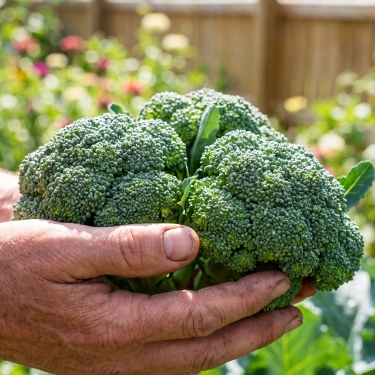
Broccoli gets fussy in the heat. When it grows through a hot spell, it tends to button, which means it makes a tiny, sad little head instead of a full one. Sometimes it bolts straight to yellow flowers before you get anything worth eating.
Grow it into cool fall weather and the heads have time to fill out slow and tight, the way they should. The flavor is sweeter too once the temperature drops.
When you cut that main center head, don’t yank the plant. It’ll keep sending up smaller side shoots for weeks. They’re just as good as the main head, and in cool weather a single plant can feed you well past that first harvest.
Because broccoli takes a while to mature, you’re usually better off setting out transplants in mid to late summer rather than starting from seed in the ground.
Carrots
If you only plant one thing on this list for fall, make it carrots. This is where that frost-and-sugar trick I mentioned earlier really shows off.
Carrots that grow in cool weather and take a few frosts turn sweet enough that they almost taste candied once you’ve dug carrots out of cold ground in October; the ones from the store in August taste flat by comparison.
And carrots give you something most vegetables don’t. You can leave them right in the ground. Throw a thick layer of straw or leaves over the row before the ground freezes, and that bed turns into a living root cellar. You can go out and dig fresh carrots as you need them, even into winter in plenty of places.
The first fall we tried the straw trick, Mark figured I’d lost it, piling a whole bed of carrots under a foot of straw right before winter. But we were still digging sweet carrots out of that row in December while the garden centers sat closed for the season. We’ve done it every year since.
If you’re growing carrots to hold in the ground like that, look for a good storage type like Danvers or Bolero. They keep their texture better than the tender baby types.
The main thing is timing. You want to count back the days to maturity from your first frost date so the roots have time to size up before it gets cold.
And if you want to grow the best carrots, I advise you to use garden beds. Maybe you’ve heard people saying that growing carrots in garden beds is not a good idea because the beds are not deep enough, and I’m sorry to break it to you, but they are wrong. After all, who decides how deep the beds are? You’re the only one making this decision. So, if you know you’re planting carrots, make them a little bit deeper, and you’re good to go.
So, why are raised garden beds the best way to get good and healthy carrots?
They offer loose soil, better drainage, fewer weeds and pests. This means all the work you have to do is sow the seeds and water.
But if you build your garden beds like this, you can cut watering from this list because these are some raised beds that know how to take care of themselves.
These are the garden beds that saved me from back pains because they’re self-watering and the way they are built prevents weeds from growing almost completely.
You can see how they work here.
Kale 
Kale has a reputation for being tough and bitter, and honestly, summer kale is not the tastiest crop. But you’d be surprised to see how cold weather changes this plant completely.
After a good frost, kale turns milder and almost sweet. That harsh edge you might complain about mostly comes from growing it in heat. Give it cool nights and a frost or two, and you’ll wonder why you ever bought the bagged stuff.
It’s also one of the hardiest things you can grow. Kale shrugs off freezes that flatten everything else in the garden, and it keeps handing you leaves long after the tomatoes are gone. If your winters get rough, Winterbor and Red Russian are two of the toughest, so grab those over the fussier types.
Same picking rule as spinach here. Take the lower, outer leaves and let the plant keep growing from the top. Done that way, one row of kale can feed you for months.
Lettuce
Summer lettuce is a gamble. The heat makes it bolt, the leaves go bitter, and half the time the seed won’t even come up because the soil is too warm. Lettuce seeds can go dormant when the ground is hot, which is why so many summer sowings just sit there and do nothing.
Fall takes all that trouble away. The seed germinates fine in cooler soil, the leaves grow crisp and sweet, and the plants hold in the garden a lot longer without rushing to flower.
Leaf lettuce is your friend here because it matures fast, so you can sow it late and still get a good run of harvests before cold sets in. A quick type like Black Seeded Simpson or Buttercrunch is perfect for a late sowing. And you can keep sowing a short row every couple of weeks to stretch your salads out.
If a surprise warm spell shows up, a little afternoon shade helps keep your lettuce from bolting early.
Also, if you want to have fresh and crispy lettuce all year long, there’s a method that lets you do this exactly in your living room!
This is basically a PVC tower you can easily build yourself in one afternoon and the best part is that once you have this, you don’t even need soil. The lettuce will grow in water and all you’ll have to do is harvest it. You basically just cut the green part and put the roots back in the water and after a while that root will give you a new fresh lettuce.
See how to build the “lettuce tower” here.
Beets 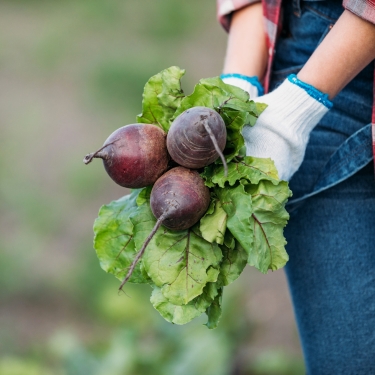
Beets are a two-for-one crop, and fall is when they shine. You get the root down below and a pile of tender greens up top, and both taste better out of cool weather.
Grown in summer heat, beet roots tend to turn woody and tough. Cool fall temperatures keep them tender, and like carrots, they pick up sweetness after a frost.
And don’t ignore the green part. Beet tops cook up like chard and they’re just as good in a pan with a little butter and salt. So when you thin your row of young beets, don’t toss those thinnings. Wash them and eat them.
Beets take a bit longer than radishes but not as long as carrots, so mid to late summer is usually your window for a fall crop. Give them loose soil and steady water while they’re sizing up.
Brussels Sprouts
Brussels sprouts test your patience, but hear me out: fall is the best reason to struggle with them. They need a long, cool stretch to do their thing, and they taste their best after they’ve survived a few frosts.
If you’ve only had Brussels sprouts from a grocery bag, frost-grown ones will change your mind. That bitterness disappears and they come out surprisingly sweet.
The sprouts grow up the stalk from the bottom, so the lowest ones are ready first. You just twist those off as they firm up and let the rest keep going.
Pro tip: A few weeks before your final harvest, pinch out the very top growing tip of the plant. That pushes the plant to stop growing taller and put its energy into fattening up the sprouts you already have.
Because they’re slow, you’ll want to set out transplants by early to midsummer to give them enough runway before cold weather.
Final Thoughts
Fall gardening is an essential step for anyone who wants to be self-sufficient and a perfect time to learn more about gardening and also fill up your winter pantry.
It all comes down to watching your first frost date and counting backward so everything has time to mature. Get that part right and the rest is easier than summer ever was. You water less, you fight fewer bugs, and what you pull at the end tastes sweeter.
What more can you want?
You may also like: 
Never Plant These Vegetables in a Container or Bucket
See How the Easy DIY Power Plan Takes Your Electric Bill Down to Zero (Video)
The Right Way to Preserve Vegetables in Oil
15 Vegetables You Can Actually Pickle Overnight
Why You Should Bury Your Cotton Underwear in the Garden