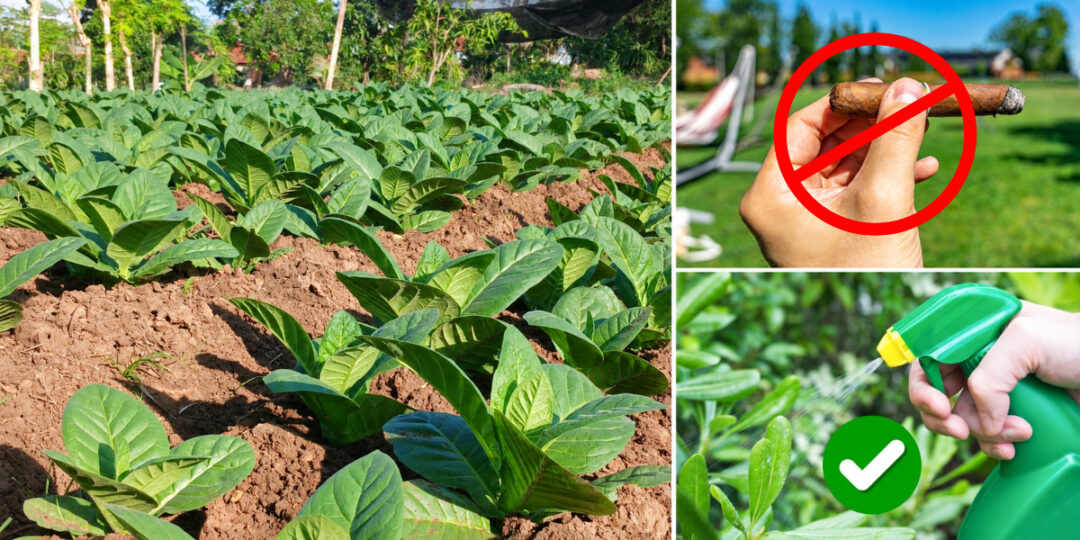
My neighbor Ray grows tobacco in his backyard. Not much of it, maybe twenty plants in a block behind the house. I like looking at those plants as they grow. By the end of the summer, the leaves are as long as my forearm!
I believed he kept it to roll his cigarettes, because what else would a man do with tobacco?
So last summer, when I walked a post hole digger back over to him, I joked about his cigarette patch.
He told me he’s never smoked a day in his life. Neither did his father. The tobacco is for the garden.
Then he went in the barn and came back out with a coffee can of dried tobacco leaves and told me to read the handwritten note inside.
That was the whole conversation, but let me tell you I’ve been using the stuff ever since.
Why He Grows It If He Doesn’t Smoke It
Ray’s people are Native, and there has always been tobacco in the family. Nobody in that house smoked it. They grew it the way you’d grow garlic, because it can have an important role on a homestead.
You can use it in the garden.
His grandmother kept a crock of leaves soaking out by the back step all summer. And she took it out each time she had pest problems. Nobody in that family ever bought a bottle of bug spray. They were growing what they needed.
Why Tobacco Kills Bugs
Tobacco makes nicotine. The same nicotine that we smoke is nerve poison for the bugs. If you plant tobacco plants that don’t produce nicotine, you’ll see that bugs will eat their leaves.
Natives worked this out a long time ago. Written records go back to 1690, and tobacco water stayed the standard garden spray in this country for a good two hundred years.
Then the chemical companies studied nicotine and built a copy of it in a lab. That whole family of modern insecticides is named after it. So the expensive stuff on the shelf at the farm store is a lab copy of what Ray keeps in a bucket.
How to Make Tobacco Bug Spray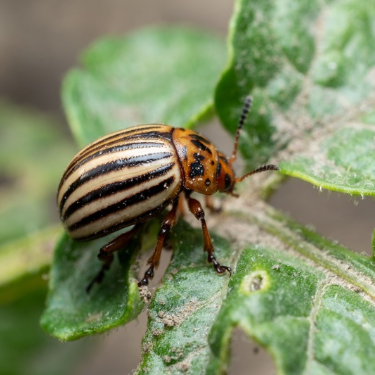
So, here’s what I found on that handwritten note I mentioned before. It’s Ray’s family recipe for the pesticide tobacco spray. And it lines up with what the old garden books say.
You’ll need:
- 1 cup dried tobacco leaf, crumbled up
- 1 gallon of water
- 1 teaspoon plain liquid dish soap
What to do:
- Drop the crumbled leaf into the gallon of water.
- Let it sit overnight, somewhere out of the sun. You want it the color of strong tea.
- Strain it through an old cloth or a fine strainer.
- Stir in the dish soap so the spray sticks to the leaves instead of rolling off.
- Pour it into a sprayer and use it in the evening.
The first batch I let sit for two days because I figured stronger was better, and I burned the edges on a couple of cucumber vines. So start with overnight and don’t get greedy. If your plants look rough the next morning, cut the next batch with more water.
And you don’t have to grow your own tobacco to make this spray. You can buy whole leaf tobacco by the pound online for a few dollars. A pouch of plain pipe tobacco works too, as long as there’s nothing in it but leaf.
It works on aphids, thrips, mites, leaf miners, and soft caterpillars. Various studies tested this method in the fields and they discovered that a tobacco spray knocked bean aphids down by about 97%!
One thing I want to mention is that you should only spray this at dusk. Nicotine kills ladybugs and lacewings the same as it kills aphids, and it’s hard on bees. At dusk, these bugs are not around anymore, so you keep them safe.
Wear Gloves and Keep It Off the Tomatoes
Wear gloves – Nicotine goes through your skin, and this happens even faster when the leaves are wet.
The people who ran into real trouble with that were Kentucky tobacco farmers working soaked fields all day long, not somebody mixing up a gallon in a bucket, so you don’t need to be scared about it, but gloves and long sleeves cover it, and if you slosh some on yourself, just rinse it off.
Keep it off the nightshades – Tobacco can carry tobacco mosaic virus, and that virus goes after tomatoes, peppers, potatoes, and eggplant. Simmering the leaves kills it, but I still keep the spray out of those rows.
Everything else in the garden is ok t spray. Also, the spray breaks down in a few days of sun and rain. Just give anything you plan to eat about a week before you pick it.
But what if you want to keep pests off your tomatoes and peppers, too?
For this purpose, there’s another way to do it. And it’s 100% natural.
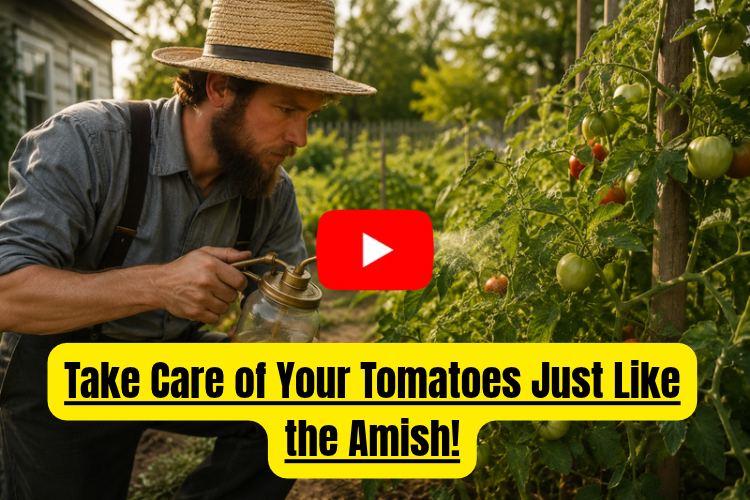
All you need is a secret ingredient the Amish have been using in their gardens for generations. They use it to make a spray that helps keep certain pests away from their crops.
Now, I want to give you a hint. The mysterious ingredient is something you probably already have in your kitchen. And if you grow your own, you likely harvested it a few months ago.
What makes it interesting is that it contains natural compounds that can help repel certain insects. And unlike tobacco, it doesn’t carry the same tobacco mosaic virus risk.
Three More Uses for Tobacco Around Your Homestead
The spray is the main reason Ray grows his tobacco, but it’s nowhere near the only thing that plant will do for you.
Once you have a sack of dried leaf, you have something that works in ways the spray cound never do.
Plant a Few Decoys to Catch Hornworms
Hornworms would rather eat tobacco than your tomatoes. Flea beetles feel the same way. So if you put three or four tobacco plants at the end of your tomato rows, the bugs go there first and mostly stay there.
Then you walk down every couple of days and pick them off one plant instead of hunting them across twenty. Ray says he hasn’t lost a tomato plant to hornworms in years, and it costs him nothing but the space.
And tobacco isn’t the only plant worth growing for pest control.
Take yarrow, for example. It’s a medicinal plant, but it also attracts beneficial insects that feed on garden pests.
So why not grow a few plants that are useful for both you and your garden?
I found this kit with 10 medicinal plants you can grow from seed.
Some of them can even help keep the bad bugs under control without spraying anything.
Or, if you want herbs that do double duty in your garden, take a look at this culinary herb pack. You can use them to add flavor to your favorite meals, and many can even help keep nasty bugs away from your plants.
See the Culinary Herb Pack here →
Crumble Dried Leaf in the Nest Boxes for Mites
If you keep chickens, crumble some dried leaf under the straw in your nest boxes. Poultry keepers have done that for mites for a long time, and there’s some research behind it now.
Researchers in Mexico City noticed that city birds were pulling the fibers out of cigarette butts and working them into their nests. When they counted the mites, the nests with the most cigarette fiber had the fewest mites, and the nicotine turned out to be what was doing it.
Birds have always lined their nests with plants that chase off bugs. Nature takes care of everything.
Farmers Fed It to Their Animals for Parasites 
Back before dewormers came in a tube, farmers fed tobacco leaves to their animals for worms. That’s a big part of why so many old homesteads had a patch out back, right alongside the garden.
And this wasn’t just a folk notion. There is research out there that shows that a tobacco leaf extract cut worm egg counts by about 73%. The commercial drug it was compared to did better at 99%, but researchers have gone back to looking at the old method now that so many worms have stopped responding to the modern dewormers.
But this is only useful if you know your chickens are sick.
In fact, they’re very good at hiding it. A chicken can look perfectly fine one day and be seriously ill the next. And by then, whatever made her sick may have already spread to the rest of your flock.
That’s why catching the first signs of illness matters.
Now, think about the Amish for a moment. They raise chickens and other livestock, often without having a vet around.
So how do they manage?
Well, they pay close attention to their animals. They know the little changes in behavior and appearance that can tell you something is wrong, sometimes before the obvious symptoms show up.
And some of these warning signs are surprisingly easy to miss if you don’t know what you’re looking for.
Here’s what the Amish watch for in their chickens, and what they do when they notice something isn’t right.
See their traditional chicken care methods here →
What Type of Tobacco You Need
Look for Nicotiana rustica. You’ll see it sold as Hopi tobacco or Aztec tobacco, and it carries up to nine times the nicotine of the regular smoking varieties. It’s a shorter, tougher plant too.
It’s legal to grow for your own use anywhere in the country, no permit needed, and the seed is easy to find.
Start it indoors the way you would peppers, because the seed is dust-fine and slow to come up. Cut the leaves in late summer and hang them in a dry shed until they’re crisp. A dozen plants will give you more spray than you can use in a year.
The Gardening Tricks Our Grandparents Knew (But Nobody Teaches Anymore)
That little tobacco trick Ray showed me got me thinking. How many other useful things did our grandparents know that we’ve simply stopped doing?
Things they learned from their parents, not from school or some expensive gardening course.
Well, I’ve found a collection of 200 old-fashioned self-sufficiency skills, and some of the gardening projects are especially useful this time of year.
Here are a few that caught my attention:
- ❄️ The Winter-Proof Garden – Old-fashioned ways to protect your plants when freezing weather arrives.
- 🏡 The Year-Round Greenhouse – How to build an inexpensive greenhouse to keep growing when it’s cold outside.
- 🍅 The Pioneer Tomato Trick – An old method for getting a bigger tomato harvest.
- 🌱 The Hidden Food Wall – Turn ordinary pallets into food factories.
And these are just a few of the projects inside The Lost Skills of Independence.
What I particularly like is that you get step-by-step color illustrations, so you can actually see how the projects are done instead of having to figure everything out from a description.
Some of these skills might save you money. Others might help you grow more food or make your homestead a little less dependent on store-bought supplies.
And with winter almost here, it’s a good time to start learning a few of them.
Take a look at the 200 forgotten skills you can bring back to your homestead here →

You may also like: 
Why My Grandfather Buried a Coffee Can Under Every Fence Post
The ONLY Vegetables That Will Grow During the Winter! (Video)
What Happens When You Let Chickens Free-Range Full Time
I Made Bone Broth WRONG for Years! This Method Changed Everything
15 Vegetables You Can Actually Pickle Overnight