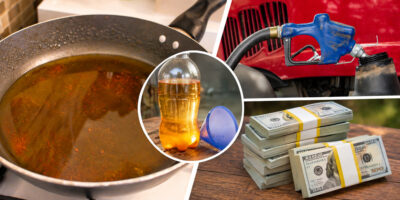
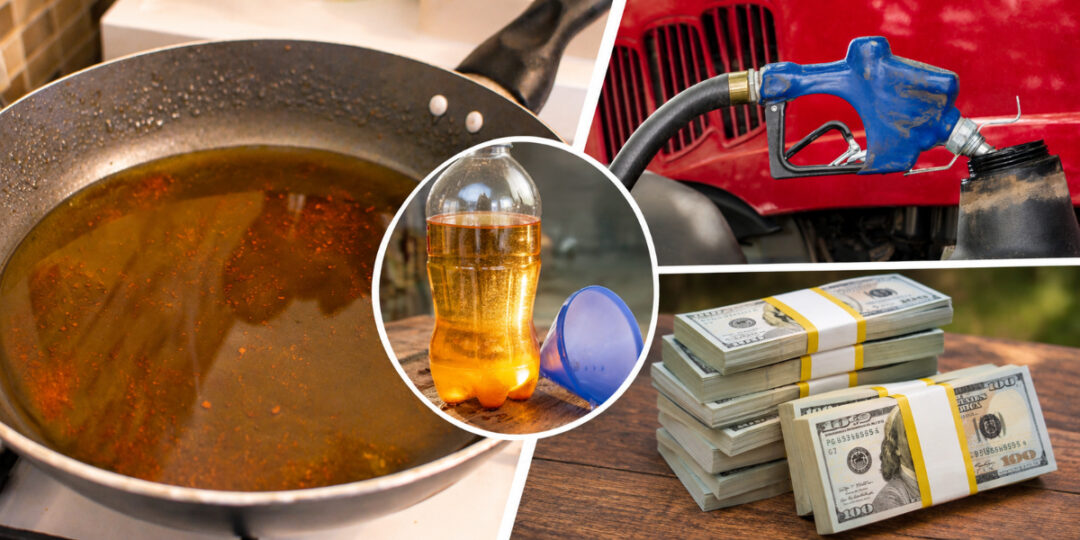
Most of the time, we see used cooking oil as a burden. The whole idea of collecting it seems daunting, like an extra chore that should not be there. Also, you can’t throw it in the sink or the toilet because that will destroy your pipes… So the only thing remaining is to gather all of it in a can or a bottle.
But all I have to say is that if you feel like this, you might just be looking at your used cooking oil from the wrong perspective.
One thing I recently found out is that restaurants need to secure their used oil because there are people out there who steal it. I know this sounds crazy, but look it up. People all across the U.S. pull up behind diners with their trucks and use pumps to steal the oil.
All of that trouble over used fryer grease? Yes, because that’s how valuable the stuff has gotten.
Let’s see what makes used cooking oil such a hidden gold mine! Maybe this is your chance to get richer.
How Much Can You Get for a Gallon
Used cooking oil feeds the renewable fuel business now. This is the whole trick. Refineries turn it into diesel and jet fuel, and the government hands out credits for using waste oil instead of fresh soybean oil, so everybody wants it. The USDA tracks the price every month, and lately that oil has been worth close to four dollars a gallon on the wholesale market.
Now, your first thought is probably to call a collection company and get on their route. I get it; that’s exactly what I did. But a truck has to drive out to you, and those companies want fifty gallons or more before they’ll schedule a stop, so a few jugs by the back door won’t get you on the list.
But here’s the secret. You don’t need these companies involved. They sell it to the refineries. And the refineries want it because it’s cheap raw material to them.
What you’ll do is skip the collection part and then sell the finished thing instead. This is how you get the real money.
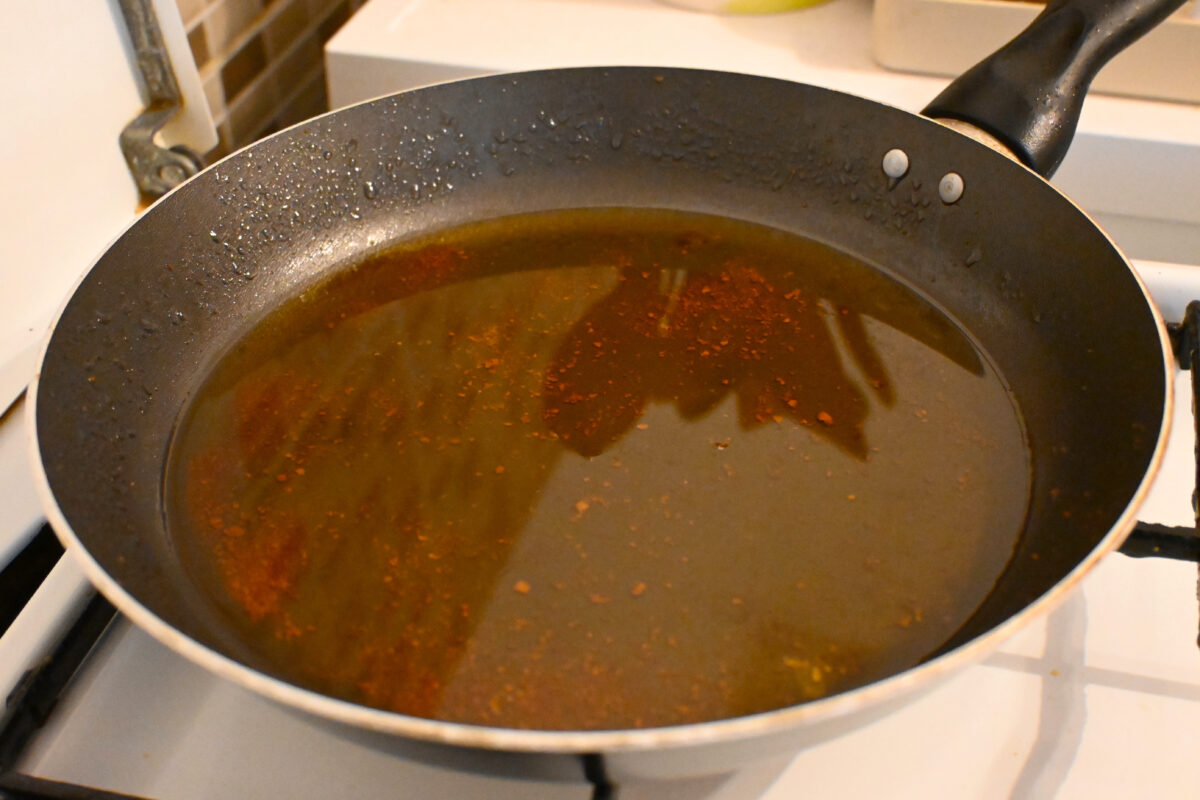
Getting More Oil
This is probably already clear by now, but the oil you use on your homestead for cooking is probably not enough to make good money.
This is why you want to get more oil. But how can you do that?
Well, the secret is that everybody around you throws oil away. You can take advantage of this and ask them to give you the oil.
Start with the people who already know you. Ask at church. Ask the fire department. Ask your neighbors to save theirs in a jug, and ask the food truck that parks at the farmers market. Hand out a few clean buckets with lids and your phone number written on the side, and they’ll come back full faster than you’d think.
This is actually a pretty good strategy and this is why you might even see people on Facebook groups asking for used oil.
Also, smaller local restaurants will probably be willing to give away their oil. You just have to ask them. But what you’re actually doing is taking a task they had and doing it for free.
Now, as you can see, there’s some work to do if you want to start doing this, but stick with me because it’s time to see what you can do with all of the oil and how to get money out of it.
Soap Is Where the Money Is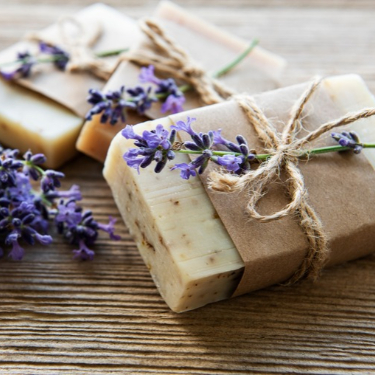
I want to start with this one because a gallon of oil makes nine or ten pounds of soap. This means around 30 bars that you can sell. And the best part is that a handmade bar of soap sells for $6 to $10 in today’s market.
I started making soap a few years ago after I saw the prices people sell it at the farmers’ market. Also, this is a more accessible field compared to other popular products such as candles. Everybody makes candles, but not everybody makes soap.
The method is really simple. You need the right ingredients, and you also need to be a little careful because you’re going to work with lye. All I use for my soap is clean cooking oil, coconut oil, lye, and water. That’s about it.
Also, since you’ve seen I used “cleaned cooking oil,” I want to make it clear I’m not referring to new cooking oil. I’m still talking about the used one and later I will show you how to clean it yourself so you can use it for soap and other projects.
Another thing I want to tell you is a little secret. If you decide to sell soap, never put things like moisturizing or soothing on your label. This makes paperwork complicated. Keep the label simple. Say it’s soap and you’re good to go.
Actually, I have another secret I want to share with you regarding soap. Maybe you were thinking about what you can put in it to make it smell nice. Well, actually, you can use a lot of things. Most people go with essential oils, but I prefer to choose the 100% natural way. It makes me feel safer.
I have a beautiful medicinal herb garden in my backyard and that’s where I like to source the plants that make my soap unique. To make it smell nice, I add various plants such as lavender and chamomile. These are my top choices.
But what makes medicinal plants in soap so special is exactly their medicinal properties.
Calendula is the one I use the most. Generations used those orange petals on scrapes, scratches and chapped skin, and the way to get at that is an infused oil. Pack a jar with dried petals, cover them in oil, and let it sit in a warm window. Strain it and you’ve got the base for a salve that belongs in every medicine drawer. This is the exact salve I add to my soap.
This is just an example, but there are many more you can use, such as yarrow, California poppy, echinacea, or chicory.
If you think about growing a medicinal plant garden yourself, this is where I take my seeds from. This is a medicinal garden kit put together by Dr. Nicole Apelian, and she carefully chose the plants so you get the most out of them. Also, all seeds come from an organic garden and are hand-picked.
Get your own medicinal garden kit here.
Fire Starters That Sell All Winter
This is something that will always sell well during the winter. A bag of a dozen goes for around $10, and they cost you a penny to make.
Pack sawdust or dryer lint into a cardboard egg carton, pour a little of your used oil over it, then pour melted wax on top and let it set. Cut the carton into twelve pieces and bag them. Old candle stubs work fine for the wax, and you can usually get those free if you ask around at church.
One thing to watch, though. Oil-soaked sawdust heats up on its own as the oil reacts with the air, and in a packed bucket sitting somewhere warm, that heat has nowhere to go. It doesn’t need a match. So mix your sawdust and pour the wax the same day instead of letting a tub of it sit in the shed.
These are other things you can sell online or at a farmers market. People will always buy them. What is amazing about them is that they are the easiest to make from the whole list.
Easy money.
Turn It Into Biodiesel 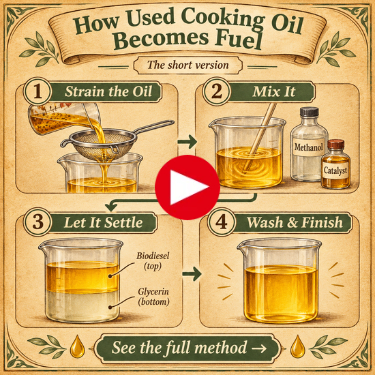
You’ve probably seen the videos of somebody running a pickup on straight fryer grease. This sounds cool, but it’s also illegal. EPA has never approved it.
Real biodiesel is a different thing, but it’s something very accessible that anyone can make on a homestead. The process thins the oil into something a diesel engine can burn, and the EPA doesn’t ask you to register fuel you make for your own use.
Think about it. You’re taking something that would normally go to waste and turning it into fuel you might otherwise have to buy.
And you don’t need a factory to do it! With the right equipment and proper chemical safety precautions, biodiesel can be made on a small scale and it can save you some good money.
This illustrated guide breaks the process down into 9 steps, showing what you need and how it works.
See how to make biodiesel from used cooking oil and become more self-sufficient.
Feed It To Your Livestock
Fat is energy, and the feed industry has used reclaimed cooking oil for years. Mine goes to the chickens, stirred into scratch or poured over stale bread, and they come running for it. Every gallon that goes to the birds is feed money you keep.
Go easy, though. A little mixed into their feed is plenty, and too much fat does them no favors. Also, please don’t use the oil that got black. That one is not safe for them.
How to Clean Your Oil
Everything above works better with clean oil, and this part takes almost no effort.
Start by letting the oil sit overnight so the crumbs settle to the bottom. Then pour it slowly through an old cotton sheet or a few coffee filters into a clean jar, and stop pouring before you reach the sludge.
That gets the food out, but the fried smell stays behind and it carries straight into soap. So you should wash it. Heat about as much water as you have oil, stir in a good handful of salt, pour it in, and stir everything together for a while.
Then let it sit until the layers separate. The oil floats and the dirty salt water sinks, so you drain the water off the bottom or lift the oil off the top. A gravy separator makes this simple.
Now get the last of the water out, because water ruins soap and it ruins fuel. Warm the oil gently and let it sit uncovered until it stops crackling and spitting, then store it in a jar with a tight lid somewhere cool and dark.
Used Cooking Oil Is Only the Beginning!
If you can turn something as simple as used cooking oil into fuel, imagine what else you could make on your own homestead instead of buying!
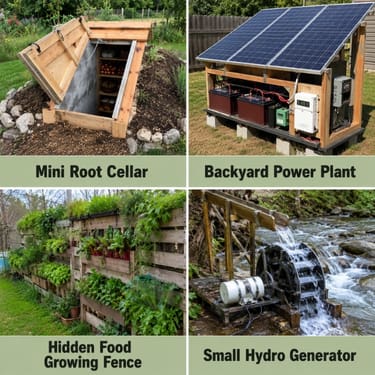
What about collecting rainwater to use around your property? Or heating water without electricity? Or building your own backup power system so your fridge can keep running during a blackout?
That’s the idea behind No Grid Survival Projects, a bestselling book packed with 70+ practical projects you can build on your own property.
It shows you how to collect rainwater, make your own backyard power system, heat water without electricity, and much more.
And you don’t have to be an expert! Each project comes with materials lists, color pictures, step-by-step instructions, and build videos.
It’s also a physical book, so you can use it even when the power is out.
Imagine having your own backup power, a reliable way to collect water, and a few other systems that keep your homestead running without depending so much on the grid. That’s the kind of independence worth working toward.
👉 See the 70+ projects you can build yourself
You may also like: 
How to Build a More Self-Sufficient Household Water System
These Are the ONLY 37 Foods You Need in Your Pantry (Video)
5 Surprising Ways to Reuse Graywater Around the Homestead
How to Make Bricks at Home, Step by Step
Plastic Water Tanks – The Complete Guide