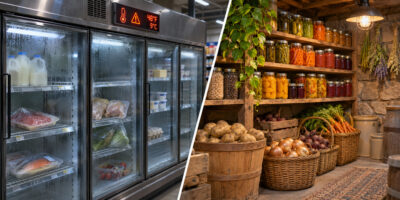
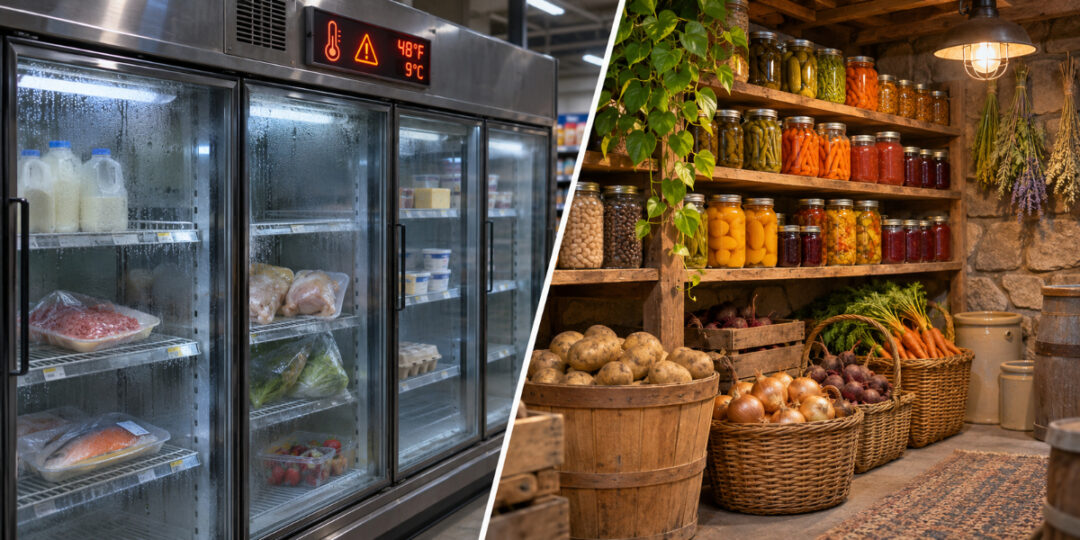
On the night of October 11, someone accessed the refrigeration systems at hundreds of French supermarkets and switched them all to defrost mode.
By morning, the coolers were at 122 degrees and some of them had caught fire. It happened again on November 2 in four other countries.
Now the real question is: How long could you eat if your store did that tomorrow?
What Happened
Up to 700 stores got hit in that one night, according to NBC News. Intermarché, Coopérative U, Carrefour, Monoprix and E.Leclerc all woke up to the same mess. CNN talked to stores hauling out tons of food before lunch, and one place in Normandy said a few of its units hit 176.
The part that gets me? Nobody had to set foot in those buildings. The stores don’t even run their own refrigeration, they hire it out to companies that manage the coolers over the internet. The software was old, so it was easier to get hacked.
It Didn’t Stop at the French Border
On November 2, the same trick hit stores in Belgium, Ireland, Luxembourg, and Sweden. Ahold Delhaize and Colruyt both confirmed it, and TechCrunch reported that one of the companies running Delhaize’s systems found the settings switched over to defrost, same as before. Somebody figured out how to do this, and they’ve already done it twice in three weeks.
It Has Already Happened In the U.S. 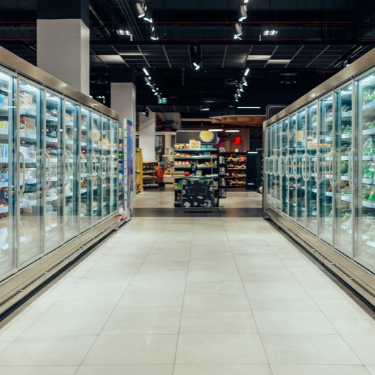
Now, you might be thinking this is a European problem. I wish it were.
All through August, freezers kept failing at commissaries on US military bases, and at one of them the units switched themselves into defrost overnight. The Pentagon is treating those failures as a suspected cyberattack, Nextgov says.
And go back to June of last year and you’ll find UNFI, the distributor for Whole Foods and a long list of small co-ops. One breach forced the company offline, and NBC News was running photos of bare shelves for about a week. Go back to 2021 and ransomware shut down five of the biggest JBS beef plants in the country, close to a fifth of our beef capacity.
It Goes Further Than Food
The same kind of internet-connected controller runs things a lot more important than a freezer case. In April, and again in July, the FBI and CISA warned that hackers were getting into them at American water and energy utilities, and in late July, water systems serving more than 30 Minnesota communities got hit in one coordinated attack.
There are roughly 150,000 public water systems in this country, and plenty of them are small towns running on a part-time operator and no budget. And the attacks keep working for the same boring reason. Somebody put a controller on the internet so it could be run from three states away, and then nobody updated it.
And since this is not just about food, think about it: you can’t survive an emergency situation only with a full pantry. What about your water, what about electricity? Both are essential.
What happens when all the systems keeping your home running suddenly stop working?
See, this is the bigger problem.
Most people prepare for empty grocery shelves. Far fewer think about what happens when their own house becomes the problem.
And after seeing what hackers have already managed to do to grocery stores and public utilities, I think you should take this more seriously. Because you might already own a lot of essential gadgets that are run through the internet. Think of security systems or even your own fridge. All of these could get hacked, maybe even easier that the system found in stores or military bases.
This is why I recommend you the Grid Phantom. This is a full guide that offers you some concrete solutions such as off-grid power options, backup water planning, and alternative ways to stay informed when phones and internet service aren’t working.
Take a look at the backup systems covered in Grid Phantom.
What You Can Actually Do About It
I keep thinking about how we got here, and it wasn’t a plot. Nobody sat in a room and decided to put the country’s food on the internet.
This happened slowly and it’s all about money. Somebody worked out that a technician could check 400 stores from one desk instead of driving to each one. This approach saved money, so it spread.
But in the grand scheme of things, how safe is this approach? As you can see, maybe not that safe.
Unfortunately, you can’t change much about how big companies decide to manage their products. The only part of this you control is how much you need them.
And this is where self-sufficiency starts to make so much sense.
Learn to put food up
Canning, drying, salt curing, carrots in damp sand down in the basement. A jar of green beans has no software in it and no company standing behind it. And once you’ve got a canner and a stack of lids, that skill doesn’t expire, and nobody can take it away from you.
But keep in mind that canning is not as easy as it sounds. Like ok, sure you can put up food, but if you don’t do it properly, your food will not last long enough, or evne worse, it can become infected with bacteria and put your life in danger.
If you want to become a master at preserving food, I recommend you follow the same preservation methods the Amish follow.
Click here and see how to can like an Amish.
Don’t lean on the freezer
A full chest freezer holds for about 48 hours with the lid shut, which is less cushion than you think. So I’d put a cheap alarm on it, the kind that tells you the temperature climbed while you were asleep. And move some of that meat into jars. Also, if you want to keep vegetables crisp and fresh for up to 3 months, check out this 2-pot fridge method.
Grow the basics
You could feed your whole family only using your backyard. Think greens, beans, tomatoes, squash, and a row of potatoes. These are essential.
This is why I recommend you save seed from whatever does well for you, so next spring doesn’t depend on anybody’s catalog either. For this, I recommend this incredible homesteading seed kit. It has all the seeds you need to keep your family well fed.
Also, if you want to start planting right away, check out this winter package. It includes over 20 varieties such as Premier Kale, Georgia Southern Collards, Autumn King Carrots, Purple Top White Globe Turnips, and All-Year-Round Lettuce.
These are perfect to plant right now in the cold weather before the ground freezes and you can harvest them through the whole winter.
Click here and grab your own seed pack right now.
You’ll also get a nice discount.
Get a few hens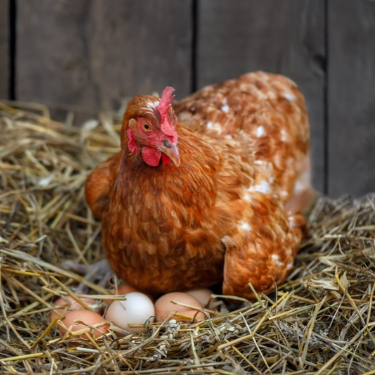
Eggs and dairy go fast when a distributor goes down, and they’re the hardest things to keep on a shelf. Six hens will keep a family in eggs most of the year, they’ll eat your kitchen scraps, and they don’t need a network connection to do it.
One problem many homesteader encounter is that their hens lay fewer eggs during the winter.
But this is not such a big thing when you know how to approach it properly. No matter if it’s winter or spring, as long as your hens have the right conditions, they will supply you with enough eggs.
And there’s a well-studied method expert farmers all across America are using to make their hens lay eggs constantly. This is how people from surprisingly small homesteads manage to sell eggs and make a profit.
The method was developed by a simple guy who is raising chickens named Matt Williams. He managed to crack the code and find a way to get more eggs with just 10 extra minutes of work per day.
The secret? It’s all about the coop. Matt uses an old-fashioned Balkan coop design that takes up a small amount of space and does an incredible job at making your chickens happy and comfortable.
So, do you want unlimited eggs?
Click here and get your Eggs Factory.
Store your own water
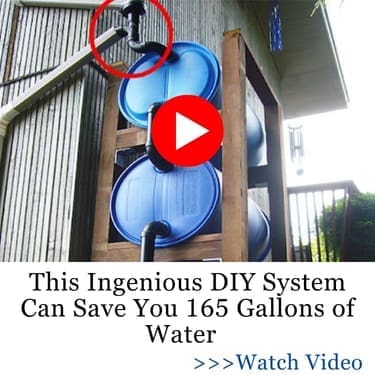
You want some stored, some filtered, and rain off the roof for the garden and the animals. The water systems are getting hit harder than the grocery stores right now, and water is the one thing you can’t wait a week on. A gravity filter and a few barrels will carry you further than a full pantry will.
But just collecting water is most of the time not enough. This is why producing your water is a true sign of self-sufficiency. But this begs the question: How can I produce water?
Well, the answer is not that complicated and it all started when a maintenance worker from Austin, Texas, named Dave asked himself the same question. He was sick of all the rationing measures the government established during droughts, so he wanted to become independent.
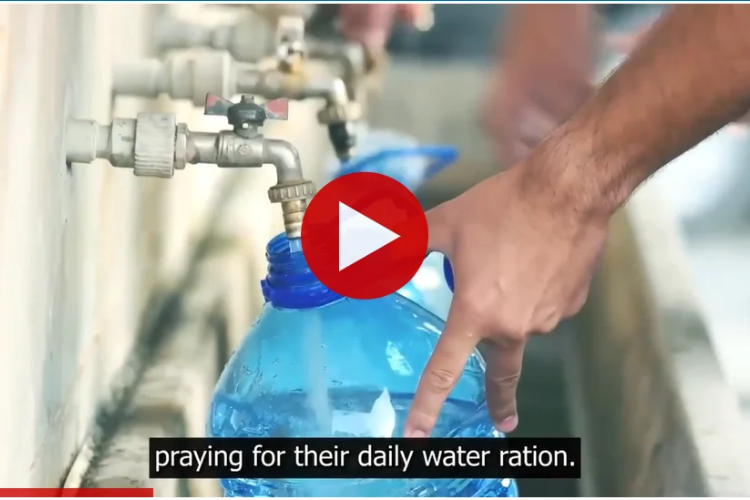
He is a regular guy who wanted to have water despite all the restrictions and he made this possible with this simple device. This is a device made for everyday people, not for engineers. The goal is to make it possible to assemble a working system using accessible materials and clear instructions.
If you want to see how this system works and if it fits your needs, check out the video below.
Final Thoughts
I think the biggest lesson from all of this is how much we’ve come to depend on systems we have absolutely no control over.
And the scary part is that something happening hundreds of miles away could affect what you find at your local grocery store tomorrow.
Now, I’m not saying you should stop shopping or disconnect everything in your house. That’s not realistic, and I wouldn’t do it either.
But I do think we should take our self-sufficiency a little more seriously.
Start with what you can manage. Put some extra food on your shelves, store enough drinking water for an emergency, and learn a few skills that don’t depend on electricity or the internet.
You may also like: 
Do This Immediately Before You Start Composting
Why The Amish Make Ash Circles Around Their Plants (Video)
How to Raise Chickens for Reliable Egg Production
Always Wash Your Hands After Touching THIS!
How To Keep Butter Fresh For 5+ Years