
Getting pig feed right is one of the most important decisions you will make on your homestead. Feed typically accounts for 60 to 75 percent of the total cost of raising pigs, so what you choose to put in the trough directly affects your budget, your pigs’ growth rate, and the quality of the pork you put on the table. The good news is that pigs are among the most flexible eaters on the farm, and with a little planning, you can build a feeding program that is both effective and affordable.
This guide covers everything from commercial feed options and homegrown grains to kitchen scraps, pasture forage, and mixing your own rations. Whether you are raising one or two pigs for the freezer or running a small breeding operation, understanding the basics of pig nutrition will help you raise healthier animals and get better results from every pound of feed.
Understanding Pig Nutritional Needs
Before diving into specific feed types, it helps to understand what pigs actually need. Swine are omnivores with digestive systems that function similarly to humans, which is part of why they can thrive on such a wide variety of foods. Their core nutritional requirements include energy, protein, vitamins, minerals, and water.
Energy is the foundation of any pig ration and is typically supplied through carbohydrates and fats. Corn is the most common energy source in commercial swine diets because it is calorie-dense and highly digestible. Protein is critical for muscle development and is usually supplied through soybean meal, fish meal, or other protein concentrates. Pigs require 18 essential amino acids, and lysine is generally the most limiting one in typical grain-based diets, which is why feed manufacturers often add it as a supplement.
The specific balance of nutrients pigs need changes as they grow. Piglets require higher protein levels to support rapid early development. Grower pigs shift toward more energy-dense rations as muscle mass builds. Finishing pigs, in the final weeks before slaughter, are often switched to a slightly different ration designed to produce well-marbled, firm fat. Breeding sows have their own nutritional profile entirely, with higher requirements for calcium, phosphorus, and certain B vitamins. For a detailed breakdown of swine nutrient requirements by stage, the National Research Council’s nutrient requirements for swine remains the definitive reference.
Commercial Pig Feed: The Straightforward Option
For most small-scale homesteaders, bagged or bulk commercial pig feed is the starting point. Commercial swine feeds are formulated to meet all nutritional requirements at a given growth stage, which takes the guesswork out of balancing rations. They come in several forms:
- Starter feeds are designed for piglets from weaning to about 50 pounds. They are high in protein, typically 18 to 22 percent, and often contain added amino acids, vitamins, and sometimes medicated additives to support gut health during the stressful weaning transition.
- Grower feeds are formulated for pigs from around 50 to 125 pounds and typically contain 14 to 18 percent protein. The protein level steps down slightly as pigs get larger and bone and muscle growth slows relative to fat deposition.
- Finisher feeds are used from about 125 pounds to market weight, usually around 225 to 250 pounds. These rations are typically 12 to 14 percent protein and are energy-dense to promote efficient weight gain in the final stretch.
- Sow and boar feeds are designed for breeding stock and are lower in energy to prevent excessive weight gain, with higher levels of calcium and phosphorus for bone density and reproductive health.
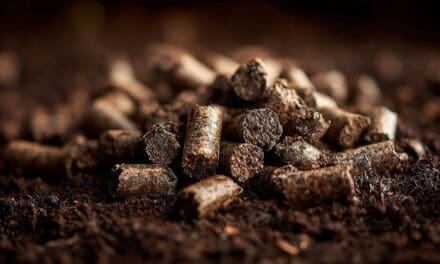
Commercial feeds come as pellets, meal, or crumbles. Pellets are the most convenient and result in less waste since pigs cannot sort out and leave behind less palatable ingredients. Meal (finely ground feed) can work well but tends to get dusty and may cause respiratory irritation if pigs inhale it. Many homesteaders add water to meal-based feeds, creating a slop that pigs eat readily and with less mess.
The Corn and Soybean Meal Standard
The backbone of commercial swine feeding in North America is the corn and soybean meal combination. This pairing works because corn provides energy while soybean meal supplies high-quality protein with a good amino acid profile. When mixed in the right proportions with a vitamin and mineral premix, this combination meets virtually all of a pig’s nutritional needs at a reasonable cost.
For a basic homestead grower ration, a common starting point is approximately 80 percent corn and 20 percent soybean meal by weight, plus a commercial premix according to the manufacturer’s directions. This typically produces a 14 to 16 percent protein ration suitable for pigs in the 50 to 125 pound range. If you grow your own corn or can source it locally in bulk, this approach can be significantly cheaper than buying bagged commercial feed.
One important note: raw soybeans should not be fed to pigs in large quantities. They contain trypsin inhibitors that interfere with protein digestion. Properly heat-treated soybean meal has these compounds deactivated and is safe and highly digestible. If you are processing your own soybeans, roasting or extrusion is necessary before feeding.
Alternative Grains and Energy Sources
Corn is not the only energy source that works well in pig feed, and depending on what grows in your region or what you can source affordably, you may find alternatives that reduce your feed costs considerably.
Barley is widely used in European swine production and produces excellent pork quality, often with firmer fat that many consumers prefer. It is slightly lower in energy than corn but higher in fiber and generally works well as a direct substitute. Small grains like wheat, oats, and triticale can also be incorporated into pig rations in varying proportions. Oats are high in fiber and are often included in sow diets to promote gut fill and satiety, but they should be limited to 20 to 30 percent of the diet for grower pigs due to their lower energy density.
Potatoes and sweet potatoes, whether raw or cooked, are a traditional pig feed in many parts of the world. They are primarily an energy source and should be supplemented with protein. Root vegetables like turnips, beets, and mangels are excellent pig feeds that can be grown on the homestead with relatively low input costs. Pumpkins are another option that pigs consume eagerly and that can be grown in large quantities on small acreage.
Kitchen Scraps and Food Waste: What Is Legal and What Works
Pigs have been fed household food scraps for thousands of years, and there is a certain logic to it on a homestead where nothing should go to waste. However, regulations around feeding food scraps to pigs vary significantly by country, state, and province, and it is critical to understand the rules that apply to your situation before feeding any table or restaurant waste to your animals.
In the United States, many states prohibit or heavily regulate the feeding of garbage, defined as any food that has been in contact with meat or meat products, to swine. This is primarily a biosecurity measure to prevent the transmission of diseases like foot-and-mouth disease and African swine fever, both of which can survive in improperly treated meat products. Check your state’s department of agriculture regulations before adding any food scraps from commercial sources to your feeding program.
Vegetable scraps, fruit trimmings, spent bread, dairy products, and egg waste from your own kitchen are generally lower risk and commonly fed on homesteads. Stale bakery products and spent grain from home brewing operations are also popular options that pigs consume readily. These should be treated as supplements rather than the foundation of the diet, and rotting or moldy food should never be fed, as mycotoxins from mold can cause serious health problems in pigs.
Pasture and Forage: Stretching Your Feed Budget
Providing access to pasture is one of the best things you can do for both your pigs and your feed bill. Pigs on pasture will graze grasses, legumes like clover and alfalfa, and a wide variety of forbs and roots. Studies have shown that pigs with good pasture access can reduce their grain consumption by 20 to 35 percent, which adds up quickly over a full season.
The type of forage available matters. Legumes like clover and chicory are higher in protein and more nutritious than straight grass, making them better choices for pig pastures. Annual forages like turnips, rape, and sorghum-sudan hybrids can also be planted specifically for pig grazing. Pigs will naturally root and disturb the soil, so rotating pastures is essential to prevent overgrazing, parasite buildup, and compaction.
Woodland or silvopasture systems, where pigs have access to wooded areas, can also significantly reduce feed costs. Acorns, beechnuts, and other mast crops are high in fat and energy, and foraging pigs in oak woodlands has produced some of the world’s most prized pork products, including Iberian ham. Even a few hours of daily woodland access during mast season can supplement the diet meaningfully.
Whey, Milk, and Dairy Products
If you keep dairy animals, the byproducts from cheesemaking and butter production are some of the best pig feeds available. Whey is high in protein, lactose, and minerals and is eagerly consumed by pigs of all ages. Feeding whey has been associated with improved growth rates and exceptional pork quality, particularly in traditional European breeds. Whole milk, skim milk, and buttermilk are similarly nutritious and can be fed freely alongside a grain ration.
For homesteads that produce more dairy than the family can consume, pigs are a highly efficient way to convert that surplus into meat. The combination of grain and dairy byproducts is one of the most time-tested feeding systems for small-scale pork production and produces meat with excellent flavor and texture.
Sprouted Grains and Fermented Feed
Fermenting or soaking grain before feeding is a practice with a long history in traditional pig husbandry and has seen renewed interest among homesteaders in recent years. When grain is soaked in water for 24 to 48 hours, beneficial bacteria begin to ferment the starches, which produces lactic acid and reduces the pH of the feed.
Research into fermented liquid feed suggests several potential benefits: improved nutrient digestibility, reduced presence of harmful pathogens in the gut, better feed conversion, and a possible reduction in total dry matter intake while maintaining similar growth rates. Pigs also tend to consume fermented feed enthusiastically. The practical process involves soaking feed in water at a ratio of roughly 1 part feed to 2 to 3 parts water and allowing it to sit at room temperature until it develops a mildly sour smell, which indicates active fermentation.
Sprouted grain is another option that increases the bioavailability of certain vitamins and enzymes. While sprouting adds labor compared to feeding grain dry, some small-scale producers find it a worthwhile addition, particularly for improving the nutritional density of feed for piglets and breeding stock.
How Much to Feed Pigs at Each Stage
Feed quantity needs to be calibrated to growth stage, body weight, and the energy density of the ration. Overfeeding wastes money and can produce overly fat animals. Underfeeding slows growth and stresses animals.
A general rule of thumb is that pigs consume roughly 3 to 4 percent of their body weight in dry feed per day. A 100-pound pig might eat 3 to 4 pounds of feed daily, while a 200-pound pig approaching market weight might consume 6 to 8 pounds. Sows in late gestation have higher requirements and should not be limit-fed. Lactating sows have the highest energy demands of any class of pig and are typically fed close to full feed throughout lactation.
Fresh water must always be available. Pigs drink 2 to 3 times more water by weight than they eat feed, and any restriction in water intake immediately depresses feed consumption and growth. A 150-pound pig may drink a gallon of water or more per day, and this increases significantly in hot weather. Automatic waterers or well-designed trough systems are important for ensuring constant access without contamination.
Feeding Equipment and Practical Setup
Choosing the right feeding setup reduces waste and makes daily chores more manageable. Self-feeders, which hold several days’ worth of feed and allow pigs free access, are popular for dry grain rations and save considerable time compared to hand-feeding twice daily. The downside is that some pigs will overeat when given unlimited access, particularly in finishing, which can increase fat deposition more than desired.
Hand-feeding twice daily gives you more control over intake and allows you to observe each pig’s appetite, which is one of the earliest indicators of health problems. If a pig that normally eats eagerly suddenly shows little interest in its meal, that is a signal to look more closely for signs of illness.
Troughs should be long enough for all pigs to eat simultaneously, since competition at feeding time causes stress and allows dominant animals to displace smaller ones, leading to uneven growth across a group. The general recommendation is 18 to 24 inches of trough space per pig. Rubber or concrete troughs are durable and easy to clean. Avoid feeders with gaps or crevices where feed can pack and spoil, as moldy feed residue can introduce mycotoxins into otherwise sound fresh feed.
Common Pig Feeding Mistakes to Avoid
A few feeding errors show up repeatedly on homesteads and are worth knowing in advance. Feeding a single grain without any protein supplement is perhaps the most common mistake with new pig owners. Straight corn, for example, is only about 8 to 9 percent protein, far below what growing pigs require. Pigs fed unbalanced rations will grow slowly, develop poorly, and may show signs of nutritional deficiency including poor coat condition and rough skin.
Feeding spoiled or moldy feed is another error that causes serious problems. Mycotoxins produced by common molds including Aspergillus, Fusarium, and Penicillium species can cause vomiting, reduced feed intake, reproductive failure in breeding animals, and liver damage. Any grain or feed that smells musty, shows visible mold, or has been stored in damp conditions should be discarded rather than fed.
Sudden feed changes can also cause digestive upset in pigs. Any transition to a new feed type, whether switching brands or introducing a new ingredient, should be done gradually over 5 to 7 days, mixing increasing proportions of the new feed with the existing ration. This allows the gut microbiome to adjust and reduces the risk of diarrhea or refusal.
Building a Homemade Pig Ration
Mixing your own pig feed from local ingredients is one of the best ways to reduce costs on a homestead, provided you understand how to balance the ration. The key variables to manage are protein percentage, energy density, and mineral and vitamin supplementation.
A simple starting point for a grower ration (pigs 50 to 125 lbs) using whole grains might look like this: 75 pounds of whole corn or barley, 20 pounds of roasted soybean meal or fish meal, and 5 pounds of a commercial vitamin and mineral premix. This produces a ration of approximately 15 to 16 percent crude protein with balanced minerals and vitamins. As pigs approach finishing weight, the soybean meal proportion can be reduced to 15 pounds and corn increased to 80 pounds to reduce protein and increase energy.
Many small feed mills will custom-blend rations to your specifications if you provide the ingredient list, which can save the labor of hand-mixing while still giving you control over ingredients. University extension services in most states also offer free ration-balancing software and consultations that can help you optimize a custom ration based on locally available ingredients. The USDA’s Agricultural Research Service maintains resources specifically for small-scale producers navigating these decisions.
Raise More Food In Less Space
Feeding livestock efficiently is important, but so is producing more of your own food. If you’re looking for a simple way to grow an impressive amount of vegetables in a very small area, the 4-Foot Pocket Farm system shows how ordinary families can turn even a tiny backyard into a productive food-growing space.
Inside You’ll Discover:
- How to grow large amounts of food in just 4 square feet
- Space-saving methods perfect for small yards and suburban homes
- Easy-to-follow planting layouts and growing techniques
- Ways to reduce grocery bills while increasing food security
- Practical strategies used by self-sufficient gardeners
Whether you’re building a more resilient homestead or simply want to harvest more food from less space, the 4-Foot Pocket Farm can help you make every square foot count.
Final Thoughts on Pig Feed
Feeding pigs well does not have to mean spending a lot of money or following a complicated program. At its core, good pig nutrition comes down to a few fundamentals: adequate protein at each growth stage, sufficient energy for efficient gain, constant access to clean water, and freedom from moldy or contaminated feed. Everything beyond that is optimization.
The homesteader’s advantage is flexibility. Where a commercial operation must standardize everything for efficiency at scale, you can tailor your feeding program to what grows locally, what your kitchen produces, what your dairy animals generate, and what works best for the breeds you raise. That flexibility, combined with a solid understanding of what pigs actually need, is the foundation of a feeding program that is both practical and rewarding.
You may also like:
Join Our Homesteading Facebook Group!
An Ingenious Eggshell Remedy and 25 Others Made from Things People Usually Throw Away (Video)
10 Things To Never Feed Your Pigs
Growing Kunekune Pigs: A Practical Guide for Self-Reliant Homesteads