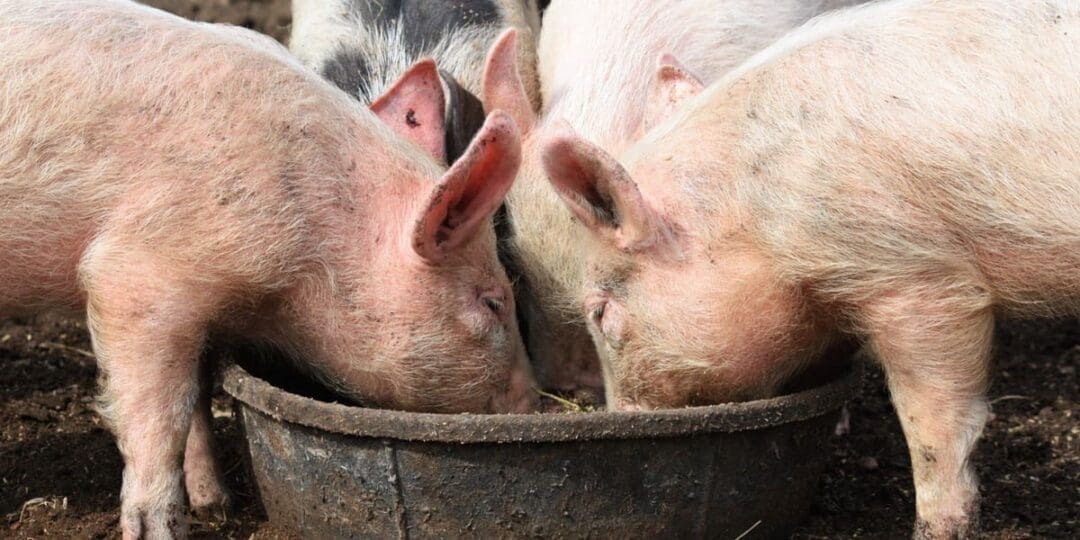
If you’ve ever raised pigs or thought about adding them to your homestead, one question always comes up early: what do pigs eat to stay healthy, productive, and content?
Pigs are known for eating almost anything, but that reputation can be misleading. While they can eat many foods, what they should eat makes a real difference in their health, growth, and behavior.
Understanding their natural diet helps you raise stronger animals and waste less food at the same time.
What Pigs Naturally Eat
In natural environments, pigs spend most of their time foraging. This constant movement and searching is part of their instinctive behavior and directly influences what pigs eat in the wild.
Roots, tubers, grasses, and leafy plants make up a large portion of their intake. Pigs also consume fallen fruit, nuts, seeds, insects, and small organisms they uncover while rooting through soil.
This variety provides fiber, minerals, and natural proteins that support digestion and overall resilience.
When pigs are allowed to forage, their digestive systems stay active and balanced. This natural diet also keeps them mentally stimulated, which reduces destructive behaviors often seen in confined pigs.
Understanding what do pigs eat naturally helps homesteaders recreate a healthier feeding system, even in controlled environments.
What Do Pigs Eat on a Homestead?
On a homestead, pigs usually eat a combination of prepared feed and available food scraps. This controlled approach ensures they receive enough calories while still benefiting from variety.
Typical homestead diets include grains, commercial pig feed, vegetable scraps, fruit waste, and surplus garden produce. Many homesteaders also supplement with cooked leftovers that are free from excessive salt or seasoning.
Knowing what do pigs eat on a homestead helps prevent underfeeding or nutritional gaps.
Allowing pigs limited access to pasture or wooded areas improves their diet even more. Foraging reduces feed costs and helps pigs stay active.
Rotating feeding areas also protects land from overuse while giving pigs new food sources to explore.
Foods Pigs Should Avoid
Even though pigs can eat many things, there are clear limits. Knowing what pigs eat safely also means knowing what they should never consume.
Moldy food can introduce toxins that lead to illness. Raw meat and fish increase the risk of parasites. Excessive salt, sugar, or heavily processed foods place unnecessary stress on their organs.
Some plants are also harmful to pigs and should be removed from grazing areas.
Understanding what do pigs eat safely protects both animal health and food quality.
Providing clean water and fresh food daily plays a major role in preventing digestive problems. When pigs eat spoiled or inappropriate foods, recovery can be slow and costly.
Careful feeding is a form of prevention.
Why Variety Matters
A varied diet supports better digestion, nutrient absorption, and growth. When pigs eat the same food daily, deficiencies can develop even if calories are sufficient.
Rotating vegetables, grains, and forage sources keeps their system balanced and improves overall condition.
This approach mirrors how pigs eat naturally and reduces stress.
Understanding what do pigs eat across seasons also prepares you for shortages. Seasonal variety ensures pigs stay healthy even when certain foods are unavailable.
A pig raised on diverse foods is more adaptable and resilient.
Feeding Pigs During Hard Times
One of the greatest advantages of pigs is their adaptability. During food shortages or supply disruptions, knowing what do pigs eat becomes essential.
Pigs can survive on garden scraps, weeds, surplus crops, stored grains, and foraged plants. This makes them one of the most reliable livestock options during uncertain times.
Planning ahead ensures you can continue feeding pigs even when store-bought feed disappears.
Storing grains, preserving surplus vegetables, and maintaining forage areas all contribute to long-term sustainability.
Preparedness isn’t just about feeding people. It’s also about feeding the animals that feed you.
Short FAQ: What Do Pigs Eat?
- What do pigs eat daily?
Most pigs eat a mix of grains, vegetables, and forage daily, along with constant access to clean water. - Can pigs eat kitchen scraps?
Yes, pigs can eat many kitchen scraps, but avoid moldy food, raw meat, and heavily salted items. - Do pigs need commercial feed?
Commercial feed helps ensure balanced nutrition, especially for growing pigs, but it can be supplemented with natural foods. - What do pigs eat in winter?
In winter, pigs rely more on stored grains, root vegetables, hay, and preserved food scraps.
The Backyard Miracle Farm
Raising pigs successfully depends on more than knowing what to feed them. True self-reliance means producing food consistently, no matter the season or conditions.
That’s where Backyard Miracle Farm comes in.
This system teaches practical methods for growing food continuously, even in small spaces or poor soil. It focuses on long-term sustainability, helping you support both your family and your animals without depending on fragile systems.
Inside Backyard Miracle Farm, you’ll learn:
- How to grow food year-round with simple techniques
- Ways to regenerate soil naturally
- Methods that reduce dependence on store-bought feed
- How to build a reliable food supply during shortages
- Systems that support livestock and people together
You may also like:
10 Things To Never Feed Your Pigs
An Ingenious Eggshell Remedy and 25 Others Made from Things People Usually Throw Away (Video)
Don’t Throw Away Spoiled Milk! Do This Instead!
Livestock Guardian Dogs: The Silent Protectors Every Homestead Needs