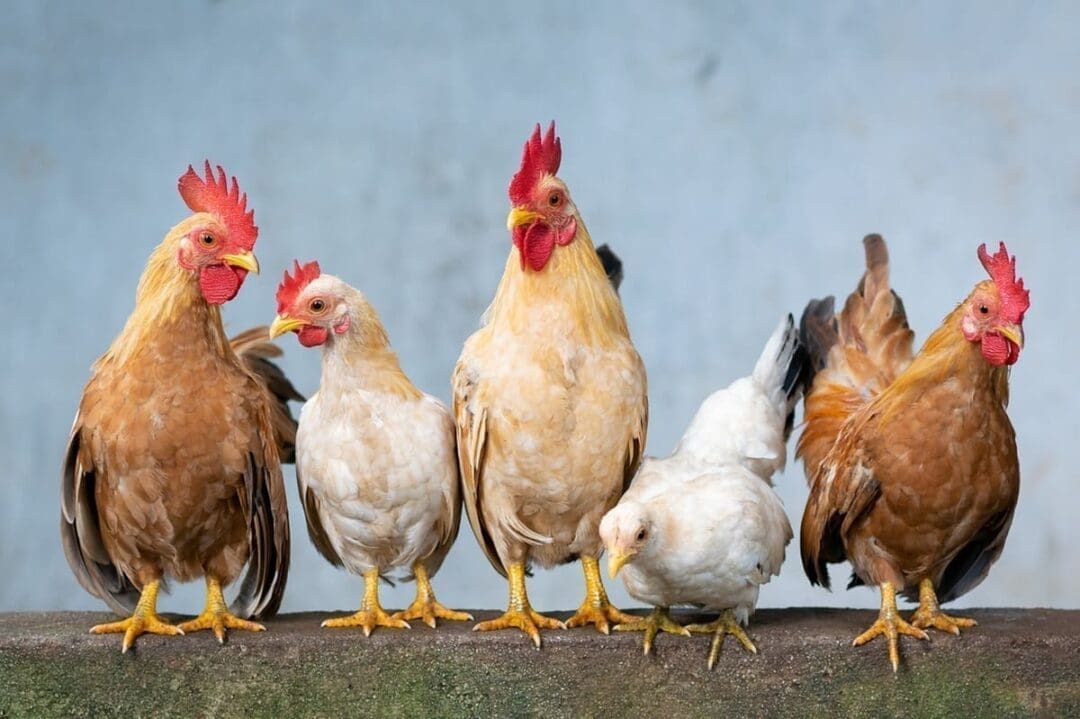
Spring is a special time of year for chickens. Everything seems to explode all at once, from egg surges to a hormone, broodiness, and highly territorial roosters. The commonsense step is to be prepared for what’s to come. Assuming, of course, you know what’s coming.
Sudden and Significant Egg Production
Once your chickens feel like that spring switch is sprung, your egg production will ramp up fast.
- Plan ahead and have plenty of egg cartons in storage.
- Preserve your eggs. You can waterglass them, pickle them, and even freeze them. You could also powder them.
- Share the wealth. Hand off a dozen eggs anytime a neighbor comes to visit, and maybe meet the mailman at the box and hand him or her some eggs.
An interesting thing you should know is that in Europe, they don’t refrigerate eggs after harvest. They harvest them from the nests but don’t wash them. This allows the egg to retain a membrane that preserves it at room temperature. Once an egg has been washed, it needs to be refrigerated. If you run out of refrigerator space, it’s something to keep in mind.
But chickens aren’t just for eggs; they’re raised for meat, too. And here things get a little more complicated. Preserving the eggs is easier, but what about the meat? If you’re not careful, meat can spoil quickly without power, especially if your freezer isn’t working. That’s why traditional methods, including time-tested Amish techniques, are still some of the most effective solutions even today, and they work for any type of meat! Watch the video below to learn some of the least-known Amish-inspired, highly effective ways to preserve meat and keep it safe for when you need it the most.

It’s a Hormone Explosion
Spring brings rapid change to both hens and roosters. This can happen almost overnight.
- Hormones stimulate egg production surges.
- Roosters become highly territorial.
- Hens also have increased “broodiness” and will actively defend the eggs in their nest.
Deep Clean the Coop Early
It’s not easy to clean a coop in winter. The moment you get a break in the weather, get into the coop and do a deep clean.
- Thoroughly sweep the floor of the coop and replenish it with new straw.
- Clean out all nesting boxes and treat with diatomaceous earth, and replace straw nests.
- Scrape and clean roosts.
- Wear a respirator mask while cleaning the coop.
Return of the Parasites
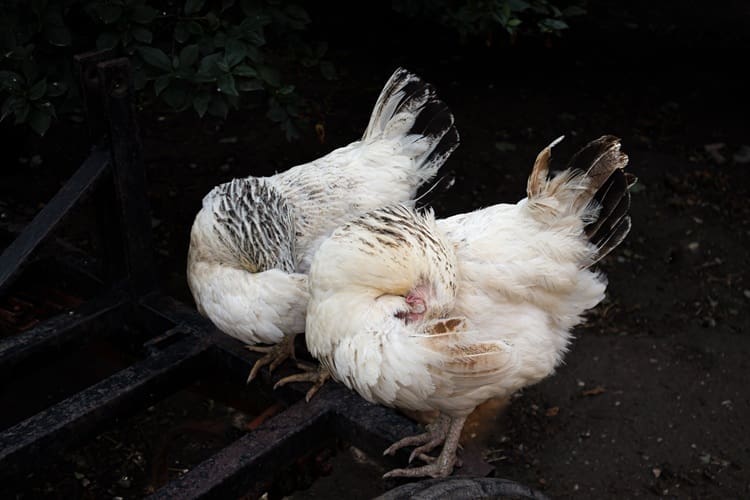
It sounds like a horror movie, and it can be. Mites and lice re-emerge around the first warm days of spring.
- Spring is the time spread some diatomaceous earth around the coop.
You could also use wood ash or sand.
- Check all vents and underwings weekly for infestations.
- Always keep bedding dry.
The Spring Mud Challenge
April showers bring a lot of mud. It can be a bigger problem than the ice and snow of winter. Muddy runs can lead to foot infections, dirty eggs, smelly coops, and can literally destroy the run. Think about how you can manage the mud.
- Spread wood chips across the run.
- You could also gravel to give the hens some separation from the mud below.
- It’s also wise to have raised waterers and feeders up, away, and out of the mud.
Chicks Suddenly Arrive
This doesn’t have to be a surprise, but it can be. Make sure you’re ready to take care of them when the small flock shows up.
- Buy a brooder to both hatch and keep young chicks warm.
- Think about a heat source for the coop. Chicks are susceptible to the cold days and nights of spring.
- Make sure you have some chick feed on hand.
- Think about how and when you will integrate the chicks into the flock.
When Your Hens Hide the Eggs
This is common with free-range chickens. But even chickens raised in a coop have been known to hide their eggs. Maybe they figure out something’s amiss when their eggs keep disappearing from their bedding boxes.
- Check in and around any hay bales or nested straw in the run.
- Flower beds are another hiding spot of choice for free rangers.
- Check under porches or any other enclosures.
- Check behind feed bins, other boxes, or storage units.
- If you suddenly notice a drop in egg number,s they may be hiding their eggs.

Roosters Get an Attitude
Roosters always strut like the king of the hill, but in spring, the hormone boost makes them more aggressive and territorial. Their obvious target is another rooster, but in the spring, all strangers in the coop or run are fair game, including you.
- Watch your back. Keep an eye on any roosters in case they surprise you.
- Free-range roosters and pets don’t mix. Keep the rooster in the coop if you are free-ranging your hens and have pets.
- Caution the kids about how aggressive roosters can be. They can attack with claws flying about eye level with a child.
Some Plants are Toxic in the Spring
If you know anything about wild foraging, you know that the toxicity levels of some plants can vary by the season. This can be a particular problem with free-range chickens, and yes, chickens peck at plants all the time.
- Avoid planting daffodils if you are free-ranging your chickens.
- Tulips are also toxic in the spring.
- Rhubarb leaves in a garden are highly toxic.
- Azaleas are another plant to avoid with free-range chickens.
- All Nightshade sprouts are toxic in the spring.
👉 Discover how to find, identify, and safely use wild foods all around you.
Spring Does a Number on Waterers
The temperature variations in spring cycling between cold nights and warmer days are a witch’s brew for algae, slime, and bacterial growth.
- Clean waterers every time you refill them.
- Try to place your waterers in the shade where direct sunlight will have less of an effect on water temperature.
- Elevated bases are always a good idea.
Every Season Has Its Challenges
Throughout the year, it seems like we always find new challenges confronting our chickens, from summer heat to winter cold to fall rains, and everything we just defined about spring. The key is to anticipate events and understand the impacts they will have on the health of your flock. It’s all about thinking ahead and anticipating what’s next. In the end, it’s a combination of common sense and due diligence.

You may also like:
The Only Plant That Will Make Your Poultry Lay More Eggs Than Usual (Video)
I Fed Stinging Nettles to My Chickens, and This Happened
Can You Catch Bird Flu From Chickens? What No One’s Telling You
Why Are My Chickens Losing Feathers?