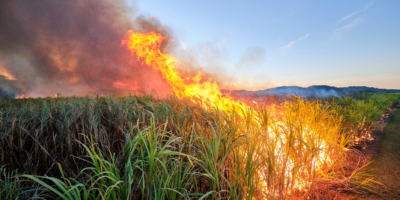
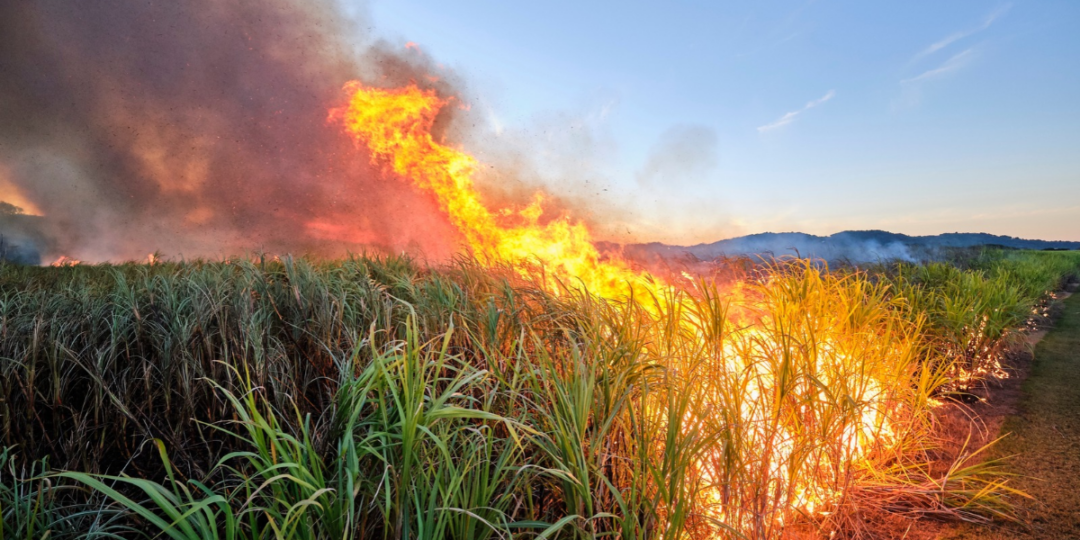
Have you ever tried setting your garden on fire? If not, maybe you should!
This practice might not be the most popular, but those who know about it know how beneficial it is for your garden. You can view it as a garden reset. It’s generally done at the end of fall/start of winter, so now it’s the perfect time if you want to give it a try.
But besides this reset, fire can do even more things for your garden. That’s what I’m going to talk about in this article.
And you know what the best thing about fire is? It’s basically free!
So, let’s see how to use it in your garden!
Why Some Farmers Burn Their Fields After Harvest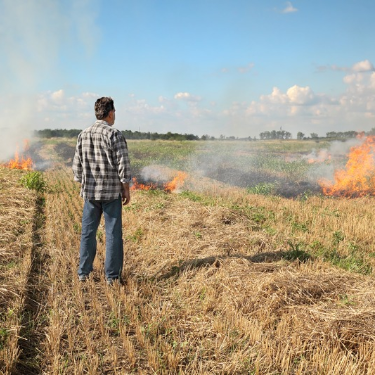
Decades ago, farmers would sometimes burn leftover crops right where they grew, letting the ash settle into the soil. Some still use this practice today.
And there was a good reason for it.
The ash left behind potassium, calcium, and other minerals that helped feed the next crop. It also made clearing the land for another planting much easier.
It’s an old farming practice worth knowing about, especially if you’re interested in traditional ways of growing food.
But this is just one way ashes can help you on your homestead. There are also many other uses. I was surprised when I saw them all in one place because you can use ash for everything. From taking care of chickens to food preservation, ashes have a special place on your homestead.
If you are curious about the other uses, here’s a “how to use ash on your homestead 101” guide with illustrations and instructions for all of them.
How to Get Rid of Weeds Using Fire
You don’t have to turn a weed black to kill it.
When heat hits the leaves, the water inside their cells expands and damages them. The plant might still look green when you walk away. Come back later, though, and you’ll see it drooping. By the next day or two, many of those little weeds will be dead.
That’s the idea behind flame weeding.
Squeeze a treated leaf gently. A dark, bruised-looking mark means you’ve probably heated it enough.
There’s a catch, of course. This works best on small broadleaf weeds, like chickweed and pigweed. Grasses often survive because their growing points sit low, out of reach of the heat. Dandelions and bindweed also regrow from their roots.
For those, I still use my hoe. The torch is for catching weeds while they’re young.
Also, you might want to not burn your chickweed and pigweed. Especially the last one. People have been using pigweed for ages as a powerful natural remedy. It has many properties, but the most effective ones are its ability to stop bleeding and its anti-inflammatory properties.
If you struggle with inflamed bowels and intestinal problems, pigweed tea might actually help you. It’s easy to prepare and one cup is generally enough to promote gut health.
You can find the tea recipe here.
If you don’t feel like making this tea but you still want to calm down your inflamed gut, this ready-to-use tincture might be what you’re looking for.
It’s a herbal and medicinal mushroom blend designed to support gut and intestinal health. Its main ingredients are reishi, turkey tail, and plantain. And they all work together to support your gut.
All you have to do is add a couple of drops to your favorite drink and you’re ready to go.
Get your Balanced Gut Blend Tincture here.
Don’t Hurt Your Vegetables
I’d start on open gravel or between paving stones, not in the carrot patch.
You know how those weeds are. You tug on one, the top snaps off, and the root stays between the rocks.
A flame weeder can knock back that growth without all the pulling. You may need to go over the area again when new shoots appear, particularly with perennial weeds. Those roots don’t give up easily.
Just make sure you’re working well away from dry grass, leaves, mulch, buildings, and anything else that could catch. Gravel doesn’t burn, but the dead leaves hiding along its edges certainly can.
If it’s windy, leave the torch in the shed.
Catch The Weeds Before You Plant
If the gravel goes well, the next place I’d try is a bed you haven’t planted yet.
Let’s say you’re getting a bed ready for beans or fall cabbage. Normally, you’d prepare the soil, plant, and then spend weeks fighting the weeds that come up alongside your seedlings.
Instead, prepare that bed about two weeks early. Rake it smooth, give it some water, and leave it alone.
Yes, you’re actually waiting for weeds to grow.
After a week or so, depending on the weather, you’ll start seeing tiny green weeds all over the bed. That’s your chance. Use the flame weeder as directed, moving steadily so the leaves get heated without setting anything on fire.
Then plant with as little digging as you can manage. If you till everything again, you’ll bring more buried weed seeds to the surface and start the whole problem over.
You’ll still get weeds later. But you’ve dealt with the first big batch before planting.
The Carrot Trick Nobody Talks About
Carrots are another story because they take their sweet time coming up. Meanwhile, the weeds seem to have no trouble growing at all.
Some market gardeners solve this by flame weeding the row after sowing carrots but just before they emerge. The weeds are already aboveground, while the carrots are still protected under the soil.
Sounds simple, right? Well, the timing is what makes it tricky.
Some growers put beet seeds at the row’s end as an early warning. But temperature and moisture affect germination, so don’t trust them as a clock.
If you can see even one carrot seedling above the ground, don’t flame that row. You’ll kill your carrots along with the weeds.
I’d try this on one short row before trusting it with a whole planting. You need to know roughly when your carrots are due, and you need to check them closely. Guessing here is risky.
Also, now it’s the perfect time to start a winter garden. Carrots are just one of the crops that can grow during the winter. But there are many more.
If you don’t know where to start, this Winter Package might be perfect for you.
It includes over 20 varieties such as Premier Kale, Georgia Southern Collards, Autumn King Carrots, Purple Top White Globe Turnips, and All-Year-Round Lettuce.
These are perfect to plant right now in the cold weather before the ground freezes and you can harvest them through the whole winter.
Click here and grab your own seed pack right now.
You’ll also get a nice discount.
Burning Old Asparagus Ferns
So far, I’ve been talking about using heat to kill weeds. But you might have heard about people burning off their asparagus patches in spring.
That’s something different, and I want to explain it to you more.
If you grow asparagus, you’ve probably seen those tall ferns turn brown toward winter. They’re done feeding the roots by then, and they need to be cleared before the new spears come up. Asparagus beetles can spend winter in that old growth.
Some commercial growers burn the completely dead ferns in place to help reduce beetles. It’s a real practice, but I wouldn’t rush to copy it in a small backyard garden.
Dry ferns burn quickly. If your patch is near a fence, shed, or pile of leaves, there’s no reason to take that risk.
You can cut the brown ferns and carry them away instead. You’ll still remove the material where pests might be hiding. Just wait until the ferns are fully brown, not green. The plant needs that green growth to store energy for next spring.
How To Use Fire To Keep Your Garden Healthy
Let’s say your tomatoes were hit hard by disease, or your cucumbers went down with wilt. I wouldn’t put those plants in my compost pile. It’s dangerous.
Even if you have a hot compost pile, it doesn’t always get hot enough throughout to kill certain disease organisms or pests. You don’t want to carry those problems back onto your beds next year.
People have burned diseased garden waste for generations, and in some places it’s still an option. But check local rules first. Backyard burning may be restricted or banned, especially during dry weather.
Otherwise, put it in a bag and get rid of it.
Why The Amish Circle Their Tomatoes With Wood Ash
This is an old practice that stuck with them for hundreds of years. From all the vegetables you’re growing, tomatoes seem to be the most responsive to ash.
That’s why Amish farmers circle them with wood ash they collected from their stoves. They never throw the ashes away because they need them for the garden.
But this is just one of their old gardening practices. There are many more out there. Most Americans have never heard about them, but now is your chance to see how to grow your garden like an Amish farmer and get the best harvest you’ve ever had.
If you’re wondering how I have secret Amish knowledge, well, it’s not me. Everything I know about Amish farming and gardening practices comes from this book: The Amish Ways.
The book is physical and it was written by an actual Amish man who left the community and started homesteading on his own along with his family. He still uses the old-school practices and he decided to share some of them with the world.
Take a look at what you can find inside The Amish Ways:
🌱 Plants the Amish Always Plant Together
🔄 Rotating Crops to Double the Harvest
🌾 The Lost Art of Amish Heirloom Seeds
🌿 The Amish Herbal Pest Control Spray
You don’t have to be Amish or own a big farm to put some of these old methods to work. Whether you’re growing a few tomatoes in your backyard or trying to feed your family from your homestead, there’s plenty you can learn from the way the Amish grow their food.
I think it’s worth taking a look, especially if you’ve been gardening the same way for years and wondering if there’s a better way to do things.
👉 Take a look inside The Amish Ways and discover more of their traditional gardening secrets
Final Thoughts
Fire might sound reckless, but after you use it once, you might start to like it.
Start small. Work on the gravel drive or along a fence line where there’s nothing of yours to lose, and get a feel for how fast you need to walk and how little heat it actually takes. Once that feels normal, try it on one bed before you plant it next spring.
Do that, and you’ll save yourself a lot of hours on this coming season.
You may also like: 
How to Keep Deer Out of Your Property Without Building a Fence
The Most Important 200 Life-Skills That Nobody Teaches You (Video)
10 Things You Should Never (Ever!) Store in Plastic Containers
7 Seeds You Should Never Buy From a Big Box Store