The first year I grew cabbage, I walked out one morning to find half my crop reduced to lace. I hadn’t seen a single bug the week before, and suddenly every leaf looked like it had been through a shredder. That was my introduction to cabbage worms, and it took me a full season of trial and error to actually get ahead of them instead of just reacting.
If you’re dealing with the same thing, here’s everything I’ve learned since then: how to actually identify what you’re up against, and the methods that have kept my brassica beds intact every year since.
Meet the Three “Cabbage Worms” (They’re Not All the Same Bug)
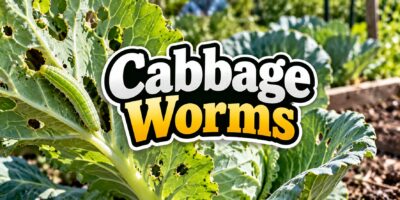
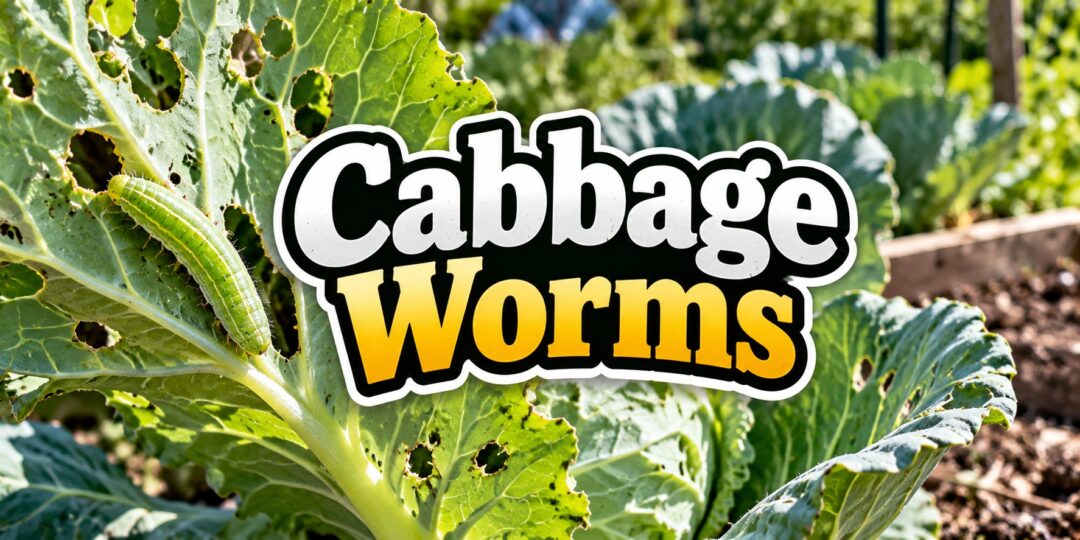
“Cabbage worm” gets used as a catch-all term, but there are really three different caterpillars doing the damage, and Ohio State University Extension’s identification guide lays out the differences clearly. The imported cabbageworm is fuzzy and green with a faint yellow stripe down its back, moves sluggishly when you poke it, and grows to about an inch long. It’s the larval stage of the white butterfly with black wing spots you’ve almost certainly seen fluttering around your garden in daylight.
The cabbage looper is smooth, pale green, with thin white stripes, and it arches its body into a loop as it crawls, which is exactly where the name comes from. It grows a bit larger than the imported cabbageworm, up to about an inch and a half. The diamondback moth larva is the smallest of the three at around half an inch, tapered at both ends, and wiggles frantically or drops off the plant entirely the moment it’s disturbed.
Knowing which one you have matters less for basic control, since the main organic treatments work on all three, but it helps explain why one method might work better than another in your specific garden and season.
How to Spot the Damage Before It’s Bad
Ragged, irregular holes in the leaves are the first sign, usually starting on the outer leaves before moving inward. UC IPM notes that larvae often feed along the midrib and at the base of wrapper leaves, and can bore directly into developing heads, leaving behind greenish-brown fecal pellets that are just as much a giveaway as the holes themselves.
Check the undersides of leaves specifically, since that’s where eggs get laid and where young caterpillars tend to hide during the day. I make it part of my regular garden walk now, flipping a few leaves on each plant rather than waiting until the damage is obvious from a distance.
Why They Show Up in the First Place
The adults, whether butterflies or moths depending on species, are drawn to brassicas by scent compounds the plants themselves give off. There’s not much you can do to make your cabbage smell less appealing to them, which is exactly why prevention methods focus on physically blocking access or intervening early rather than trying to make the plants unattractive.
Weeds in the mustard family, wild mustard and wild radish among them, can host these pests between plantings, so clearing cruciferous weeds near your beds removes a bridge population that would otherwise move onto your crop as soon as it’s in the ground.
Hand-Picking: My First and Still Favorite Line of Defense
For a small home garden, this is genuinely the most effective single thing you can do, and it costs nothing but a few minutes. I walk my brassica bed every few days, flip the leaves, and pick off anything green and caterpillar-shaped, dropping them into a cup of soapy water.
It sounds tedious, and the first few times it is, but it gets fast once you know what you’re looking for. Catching them small and early matters more than being thorough on any single pass, since a young caterpillar does far less damage than one that’s had two weeks to eat undisturbed.
Floating Row Covers: The Method That Actually Solved It For Me
Hand-picking helped, but the method that actually got me ahead of the problem was a lightweight floating row cover, draped directly over the bed from the day I transplant. It physically blocks the adult butterflies and moths from ever landing on the plants to lay eggs in the first place, which stops the problem before it starts rather than managing it after the fact.
Secure the edges well with soil, boards, or landscape pins, since any gap is an opening the adults will find. Leave enough slack for the plants to grow underneath, and pull the cover off once your plants start flowering if you’re growing anything that needs pollinator access, though that’s rarely an issue with straight cabbage.
Bacillus thuringiensis (Bt): The Organic Spray Worth Knowing
When hand-picking and row covers aren’t quite enough, Bacillus thuringiensis, commonly sold as Bt, is the organic treatment I reach for. It’s a naturally occurring soil bacterium that specifically targets caterpillars without harming bees, beneficial insects, or anything else wandering through your garden, which is a real advantage over broader insecticides.
Timing matters more than most people expect. Bt is most effective against young, small larvae, so spraying early in an infestation gets you far better results than waiting until you’ve got inch-long caterpillars doing serious damage. Reapply after rain, since it washes off, and expect to spray roughly weekly during active pressure.
Companion Planting and Other Deterrents
Strong-smelling herbs and flowers planted among your brassicas can help confuse the adult moths and butterflies looking for a place to lay eggs, even if they’re not a complete solution on their own. Rosemary, thyme, and dill are common choices, and a border of aromatic herbs around a brassica bed is worth doing alongside your other control methods rather than instead of them.
A light dusting of flour on the leaves is an old trick some gardeners swear by, since many caterpillars dislike the texture and taste. It needs reapplying after rain or watering, but it’s cheap, completely natural, and easy to try alongside everything else.
Encouraging Natural Predators
Your garden already has allies working on this problem whether you notice them or not. Parasitic wasps are among the most important natural enemies of cabbage worms, and you’ll sometimes find a caterpillar with a cluster of small yellow cocoons attached to it, a sign that a wasp larva has already done its work from the inside. Leave those caterpillars alone rather than picking them off; they’re already finished as a threat and are actively producing the next generation of your best free pest control.
Planting a few small-flowered plants nearby, like dill, fennel, or alyssum, gives these beneficial wasps a nectar source and keeps them working your garden season after season. Avoiding broad-spectrum pesticides is just as important, since those kill the beneficial insects right alongside the pests you’re targeting.
Crop Rotation and Garden Cleanup
Clearing out old brassica debris at the end of the season removes a place for pupae to overwinter, reducing the population you’re starting with the following spring. I used to leave spent cabbage stalks in the ground over winter out of sheer laziness, and pulling that habit is one of the simplest changes that made a real difference the following year.
Rotating where you plant brassicas each season, rather than using the same bed year after year, further reduces the population that’s able to build up in one spot. It’s a small planning step, but it compounds over several seasons.
Resistant Varieties Worth Trying
Some cabbage varieties hold up better than others simply due to leaf texture and color. Red cabbage, savoy cabbage, and glossy-leafed varieties tend to see somewhat less damage than standard green types, likely because the smoother or differently textured leaf surface is less appealing for egg-laying. It’s not a complete solution, but it’s worth factoring in if you’re choosing varieties and dealing with heavy pressure every year.
When to Actually Worry (Damage Thresholds)
Not every caterpillar sighting means a crisis. Established plants can tolerate a surprising amount of leaf damage before harvest without a real impact on yield, especially before the plant starts forming a head. The real concern window is once heading begins, when even a small number of caterpillars can cause damage to the part of the plant you’re actually going to eat.
I’ve stopped stressing over a few holes in outer leaves early in the season. What gets my attention now is caterpillars near the developing head, or a population that’s clearly growing faster than my hand-picking can keep up with.
Common Mistakes I Made Early On
Spraying Bt after the caterpillars were already large was my biggest early mistake, since it works far better on young larvae and I was reaching for it too late every time. I also didn’t secure my first row cover well enough, and a gap at one corner let in just as many moths as having no cover at all.
The other mistake was inconsistency. Hand-picking once and assuming the problem was solved never worked; it’s a habit that needs repeating through the whole season, not a one-time fix.
Common Questions About Cabbage Worms
Are Cabbage Worms Safe to Eat if I Miss One?
A caterpillar that ends up cooked into a dish isn’t going to harm you, though it’s obviously not appetizing. Soaking harvested heads in salted water for a few minutes before use helps any hidden caterpillars work their way out, which is a simple habit worth adopting if you’ve had any pressure that season.
Do Cabbage Worms Affect Other Vegetables Besides Cabbage?
Yes, all three species feed across the wider brassica family, including broccoli, cauliflower, Brussels sprouts, kale, collards, and even radishes and turnips. If you’re seeing damage on cabbage, check your other brassica plantings too, since they’re likely dealing with the same pressure.
Can I Use Bt on Plants I’m About to Harvest?
Bt breaks down relatively quickly and is considered safe for use close to harvest, but always check the specific product label for its exact pre-harvest interval, since formulations vary. Washing produce before eating is good practice regardless of what you’ve sprayed.
Why Did Row Covers Work Better Than Spraying for Me?
Row covers prevent the problem entirely by stopping adults from laying eggs in the first place, while sprays only address caterpillars that are already there. Prevention tends to outperform treatment in most pest situations, and cabbage worms are a textbook example of that principle in action.
Building a Full-Season Routine
Looking back, the seasons that went smoothly all followed the same basic rhythm: row covers on at transplant, a quick hand-picking check every few days, Bt kept on hand for when pressure builds faster than I can keep up with by hand, and a thorough bed cleanup once harvest wraps up. None of these steps is complicated on its own, but skipping any one of them tends to be exactly when things get away from me.
Treat it as a routine rather than a reaction, and cabbage worms stop being the season-ruining problem they were that first year.
Your Garden Should Feed You – Not the Pests
Learning how to protect your cabbage without immediately reaching for harsh chemicals is about more than saving a few plants. It’s part of a much bigger skill our grandparents understood well: how to produce food with your own hands and solve problems using what you have.
That kind of practical knowledge matters even more when store shelves are empty, supplies become expensive, or the products you normally depend on simply aren’t available.
The Lost Skills of Independence brings back the forgotten know-how that helped previous generations provide for themselves with far fewer modern conveniences.
Inside, you’ll discover practical skills for growing and preserving food, working with the land, making useful things yourself, storing what you produce, and becoming less dependent on stores and fragile supply chains.
Because planting a garden is only the beginning.
Knowing how to protect your crops, preserve your harvest, stretch your resources, and turn what you grow into something that can help sustain your family is what transforms a backyard garden into real self-reliance.
You don’t have to abandon modern life to become more independent. You simply need to start rebuilding the skills that make you less vulnerable when modern systems fail.
Final Thoughts
Cabbage worms are one of the most common headaches in a brassica bed, but they’re also one of the more manageable pests once you understand what you’re dealing with. Row covers from day one, regular hand-picking, Bt applied early when it’s actually needed, and a bit of patience with natural predators have kept my cabbage, broccoli, and kale in genuinely good shape every season since that first rough year.
You may also like:
What Happens If You Smoke Garlic (Video)
What Happens If You Bury A Cabbage Over Winter?
Never Plant These Vegetables in a Container or Bucket
Fermented Vegetables – A Complete Homesteader’s Guide to Lacto-Fermentation
15 Vegetables You Can Actually Pickle Overnight
Don’t Throw Away SPOILED Vegetables! Do THIS Instead!