Few people aren’t feeling the pinch of rising costs. More and more, the money that helped us make it through the month isn’t enough. The result is that some of us are tapping savings accounts and investments, while others are borrowing money or running up higher and higher credit card debt.
It’s always with our best intentions that we try to reduce costs, but the savings can be small or inconsistent without a plan, and the plan is simple:
Take a Hard Look at Everything
This isn’t just about cutting coupons or doing without; it’s about seriously assessing your spending and determining what you can do about it. Let’s start with the hardest costs.
Fixed Costs
Fixed costs are those expenses that happen every month, month after month. They include things like utilities, mortgage payments or rent, insurance, car payments, credit card payments, Internet and streaming subscriptions, memberships, and prescription medicines for chronic conditions.
Without fail, the bill will show up and it can be harder and harder to keep up. Here are some options to consider:
Utilities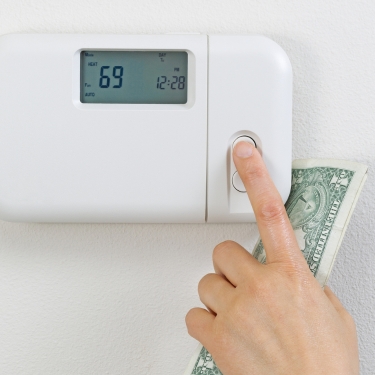
Electric bills, gas bills, and municipal water bills keep going up and up. There are a few things you can do, starting with the obvious one:
Electricity/Conserve and Reduce
1. It seems obvious, but shut the lights off. How many of us live in a home where the lights seem to be on in every room, even when no one is in the room? Electricity costs are seeing one of the biggest spikes across all utilities. Put a Post-it note with an arrow pointing to the light switch and maybe you can change some habits.
2. Replace incandescent light bulbs with LED bulbs. The light from LED’s is warm and bright like a traditional incandescent bulb and use as little as 6 to 9 watts of power to produce the same light as a 40 to 60 watt bulb. And it’s not just about lamps. They also make LED bulbs for ceiling fixtures.
3. Kill the energy vampires. It seems like every appliance has decided it has to have a clock. How many of us have a house full of digital clocks telling us the time? It’s a bit of a hassle, but if you have a CD or DVD player, toaster oven, microwave, or other appliance with a clock or little red light telling you it’s plugged in -unplug it until you need it. You can make this easier with a power strip with an on/off switch.
4. Close the refrigerator door. Too many of us leave the refrigerator open while we put away the groceries or pull items out to make a recipe. Stop it. Grab what you need and close the door. Refrigerator/freezers are power hogs and will use a lot of power to recover to the temperature you have set when the door is left open.
Or you can skip the power-hungry refrigerator altogether.
It’s funny how we’ve been trained to think cold food automatically means a big appliance humming all day. The Amish-style buried fridge proves otherwise.
This is basically a well-insulated barrel buried in the ground, using the cooler temperature below the surface and ice to keep food cold. No monthly power bill involved here…
And the strange part is, the idea still works just as well today, but no one tells you about it.
If you want to see how to build one yourself, here’s the full setup →
5. Connect outdoor lights to light sensing on/off switches. It’s easy to remember to turn the outdoor lights on when it gets dark, but it’s just as easy to find yourself looking at the porch lights in the afternoon and wondering why they’re still on. There are light-sensitive on/off switches that you can screw into a bulb socket that will turn your lights on when it’s dark, and off when the sun comes up.
6. Apply for electric bill relief. Depending on your age or your income, there are state and federal programs that can help pay or reduce your electric bill costs. LIHEAP is a federal program that helps low-income households pay for electric and heating bills. You could also check your county’s website for programs that offer discounts or assistance with electric bills. And don’t forget to contact your electric provider. They want you to pay your bill and can direct you to other programs that can help.
Natural Gas and Propane/Reduce and Replace
7. Consider a wood stove, pellet stove, or fireplace insert. Supplement your heat with other heat sources. If you have easy access to firewood, a wood stove or fireplace insert can help reduce your gas bill. What’s important is that you live on property with a ready supply of trees and firewood. A pellet stove is another option, but you’ll have to buy the pellets, although there are tutorials on the Internet for how to make your own.
8. Lower the thermostat. Put on a sweatshirt or a sweater and get used to a cooler house during the day. At night, it is often recommended that the ideal temperature for sleeping is 68 degrees F, so either keep an eye on that thermostat or set an automatic timer if your thermostat has one.
9. Cook outside. Gas stoves burn up a lot of natural gas, or propane if your house uses a large propane tank as a supply source. If you have access to firewood, think about cooking outside more often. Charcoal is an option and that’s also a fuel source you can make yourself from wood chunks.
10. Make the most of your oven. If you’re cooking something in the oven, stop and think if there’s anything else that can be cooked at the same time. Maybe a loaf of bread next to the casserole dish. And if it’s winter, leave the oven door open a crack after you shut it off. Ovens usually vent that leftover heat outside. If the oven’s off, let some of the heat fill the house.
11. Think about the Water Heater. It’s a luxury to have very hot water (and it can also be dangerous). Think about lowering the temperature on your water heater thermostat. We don’t notice it, but a water heater is always turning on to maintain the temperature you have set. And while you’re at it, make sure you drain your water heater tank once a year to remove anything like water scale or minerals that might have settled to the bottom, forcing the heating elements to run longer to compensate.
The best alternative is to build your own water heater. This is a DIY setup that uses basic materials you have in your backyard for sure. This is how I managed to save a lot of power this summer. Building it takes a couple of hours, and then you’ll have months of free hot water. See how to build it here. 
12. Maintain your furnace. Replace the filters every 6 months and make sure your furnace is burning hot and clean. Videos on YouTube can give you some easy DIY advice about maintenance, or call a furnace company for maintenance.
Municipal Water/Reduce and Replace
13. Master the 3-minute shower. If you think about it, we spend a lot of time in the shower avoiding the water. We step back to wash and rub our hair, turn away to lather up and wash our bodies. It’s curious that we spend so much time avoiding the water until that final rinse. The key? Shut the water off while your soaping, lathering, rubbing, and shampooing. And while you’re at it. Do you really need the water that hot? It’s proven that a cool shower is actually good for you. At least for that last minute.
14. Fill the Dishwasher. If you’re running a load of dishes in a dishwasher that’s half full, you’re wasting a lot of water.
15. Adjust your washing machine to the load. The same thing is true for a washing machine. Washing machines are water hogs. Adjust the settings to the size of the load and do you really need a double rinse?
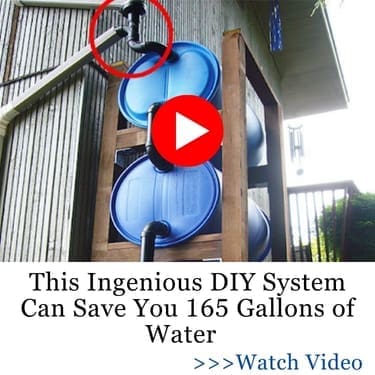
16. Set up a rainwater collection system. It’s easy to collect rainwater from the roof of your house. Many townships offer rain barrels designed for rainwater collection for a low price, or you can buy one on the Internet. Buy more than one barrel if you want because they easily connect to each other to fill up with water from your downspouts. This is a great way to save on the gallons and gallons of water that we use on our gardens, lawns, and yards. The best setup out there at this moment is this 3-barrel water catchment system. The way it’s built is the smartest thing about it because it allows you to catch more water than your usual system while also making it usable around the homestead.
17. Remember the “grey water.” Grey water is water that is reused. Many people water their yards with water from their washing machine. You don’t want to do this if you added bleach, but most detergents won’t harm the lawn, trees, or gardens. You could also use that grey laundry water to wash the car or other outdoor equipment. That actually makes sense.
Mortgage Payments
It’s easy to assume that we can’t do anything about the monthly mortgage payment, but there are options.
Principal and Interest
18. Refinance. Refinancing your mortgage is always a possibility, but it depends on the interest rate you’re paying and the current rates. Keep an eye on interest rates and if it starts to go below your current payment rate, it might be a good time to consider refinancing to lower your interest rate.
Taxes and Insurance
19. Apply for a homestead exemption. In many locations, your real estate property taxes will be less if you simply state that you occupy the property as your primary residence. It’s called the homestead exemption. Properties that don’t qualify include rental properties and businesses. You apply for the exemption through a form on your county’s website.
20. Senior tax exemption. If you’re 65 or older, you might be eligible for a senior tax exemption. It’s another form on your county’s website.
21. Senior freeze. You can also freeze your tax rate and avoid any increases if you are 65 or older and satisfy certain income requirements. Here again, the forms are available on your county’s website.
22. Don’t assume your property insurance is accurate. It may be overvalued and that’s costing you more with your monthly mortgage PITI payment (principal, interest, taxes, and insurance). Talk to your insurance company and if you’re not happy with their response, talk to your mortgage company. They may tell you what they require for an insured amount and if it’s less than you’re paying, confront the insurance company or switch to a new one.
23. While you’re at it. Take a look at your car insurance. You may be paying more than you need to. Be careful about switching. Make sure any new policy has the same coverage you want and if it costs less, that’s a good reason to switch.
Subscriptions and Memberships
24. Audit your streaming services. If you have various streaming video services, step back and think about how much you really use them and if they’re worth it. You could also look at alternative sources for content and entertainment on channels like YouTube and Roku. Streaming services are another monthly bill that just sort of sneak into your monthly payments.
25. Do you really go to that health club? If having a health club membership makes you feel good even when you don’t go -stop it. Go for long walks or buy a rowing machine.
Variable Costs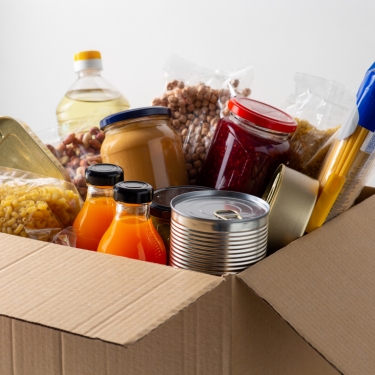
Variable costs are all about shopping. This includes food, clothing, gas, household and cleaning supplies, and that other stuff we buy every week.
Food
26. Buy generic. Most generic packaged goods are made by brand-name manufacturers. They won’t tell you that, but that’s often the case. If you don’t like the generic version of what you bought, try a different generic version.
27. Shop the discount grocers. Grocery stores like Aldi, Costco, Sam’s Club, Sav-A-Lot, and others are founded on low pricing. Walmart says it, but that seems to have changed. Start your shopping at the discount grocers and save the premium grocers for that obscure sauce that someone in the family just has to have.
28. Aggressively pursue coupons. Digital coupons are the new coupon currency. You usually have to join a rewards or loyalty program at the grocery store, but that’s simple to do, and it’s free. The key is to only shop the discounts from the coupon. If you’ve done your first round of shopping at a discount grocer, you’ll be less tempted to start filling the cart with the expensive stuff without a coupon.
29. Carefully shop the sales. Sometimes it seems like they’re giving it away, but here again, it’s all about the hook. They’ll bring you in for a deep discount with the assumption you’ll fill your cart with higher-priced items. Stick to the sales and get out.
30. Buy what you need. Meal planning can go a long way to bringing some discipline to what you buy. Buying in bulk at a discount warehouse like Costco or Sam’s Club is a good idea, but regardless of where you shop, only buy what you need.
31. Learn how to cook from scratch. Bake your own bread. Make your own pies. Fill the cookie jar with homemade cookies. We pay a premium for many prepared foods, especially frozen meals. If you buy staples (generic, discounted, or on sale), you can make outstanding meals from scratch for much less.
Here you can find one of the most popular cookbooks among the prepping and homesteading communities. Resourceful people love this book so much because it features old recipes from the pioneers and the people who first roamed these lands. They are the ones who know how important good and nutritious food is, which makes it perfect for survival. Find more than 100 old-school recipes and bring them into your kitchen today.
32. Upcycle leftovers. Save the sauces, make a pasta salad out of the pasta no one finished, make potato pancakes for breakfast with the leftover mashed potatoes. During the Depression of the 1930s, people couldn’t imagine throwing away leftovers. Hopefully, we won’t revisit that experience.
33. Grow your own. Plant a vegetable garden. In fact, plant fruits and vegetables all over your yard. Many of them flower and look as attractive as any other plant. Plus, you can eat them. Thinking of planting another tree? Plant a fruit tree.
34. Think about other gardening options. Consider a bucket garden, a vertical garden, a closet garden. You can find more information on this website with a search for those terms. Even if you live in an apartment, you can still raise fruits and vegetables.
35. Preserve the foods you grow. Consider learning about canning, dehydrating, and other food preservation methods. And it doesn’t have to be from your garden(s). If you see something fresh at a great price at the grocery store, buy a lot and preserve it.
36. Shop the Farmer’s markets. It’s not always the best value, but at certain times of year you can find some great deals at farmers’ markets.
37. Join a food Co-op. This is when people pool their money, buy in bulk at a discount, and split it up.
38. Shop the missions. Many stores self-identify as “mission stores.” They usually have a religious affiliation and resemble grocery stores. The item selection varies weekly, if not daily, and some items are approaching their expiration dates, but the prices are even lower than the discount grocers. Some will even display free items on your way out.
The Biggest Savings Happen After You Get Home
Shopping smarter helps, but there’s another side to saving money that most of us barely learn anymore: knowing how to make food last and how to turn basic ingredients into something useful.
Our grandparents were much better at this. Bacon, butter, meat, eggs, beans, bread, broth, lard. They knew ways to store, preserve, and use these foods without constantly running back to the grocery store.
A lot of those skills slowly disappeared once refrigerators, frozen dinners, and supermarkets took over…
That’s why I like The Lost Kitchen Secrets. It brings together the kind of old kitchen knowledge you’d normally have to hunt through dozens of old books to find. Things like traditional meat preservation, long-term pantry foods, old survival recipes, homemade staples, and ways to waste a whole lot less of what you buy or grow.
Some of the ideas honestly surprised me and this made me want to try them even more.
If you want to see what people used to know before the grocery store became the answer to everything, take a look inside here.
Clothing
39. Shop the sales at discount stores. Forget the high-fashion and buy a nice, rustic sweater on sale at Kohl’s. It’s also wise to look for those 70% off racks.
40. Shop out of season. As seasons come to a close and the clothes go on sale. Here again, some are offered at a deep discount.
41. Shop the resale shops. You may be surprised. A lot of the stuff is in good shape. Avoid the shoes and boots. They shape to a person’s foot over time and may be very uncomfortable.
42. Repair what you can. No one’s going to notice a new button or a bit of sewing. Fix it if you can.
Household cleaners and other items
43. Buy generic. Read the labels if in doubt, but most have the same concentration of the same ingredients.
44. Consider alternatives. White vinegar is a powerful cleaner and disinfectant.
45. Buy paper towels and toilet paper in bulk. Costco and Sam’s Club are known for great prices on bulk packages of this stuff we always need.
Gasoline
46. Strategic Driving. Avoid quick acceleration and rapid stops. Drive 55 mph to get the best mileage. Try to avoid stop-and-go traffic. Learn to coast down the hills. Join rewards programs at gas stations keep your eyes peeled for a gas station with the best price.
47. Consolidate Errands. Try to combine various destinations to various stores and locations in one trip. Think about the path you’ll follow on the road, so each destination is on the way rather than out of the way.
48. Check your tires. Proper tire inflation affects mileage, so get the air pressure right.
49. Share the ride with others if you are traveling to a common location on the same schedule.
50. Walk or ride a bike. That’s not always an option, but there may be times when it’s worth considering.
If you’re planning to store gasoline, you need to know how to do that properly. There are many incidents where people tried to store gasoline at home and their house caught fire. You don’t want to be one of them! The canisters you use and where you place them are the most important things. But there are also some other little details that matter more than you might think.
Click here and see how to store gas safely →
Medicines
51. Buy Canadian. Some countries like the U.S. have very high costs for prescription medications. There are Canadian pharmacies that you can find online that will ship your prescription to you for much less. Just make sure you do some searching on the Internet to verify that they are a legitimate Canadian pharmacy.
52. Go Generic again. Most prescription medicines have a generic counterpart. They have the same active ingredients without the added costs for those commercials that spend most of their time talking about side effects.
53. Learn about herbal remedies. It’s not accurate to say you should substitute your pharmaceuticals for herbal cures, but it’s worth looking into, especially if something threatens the pharmaceutical supply chain.
One resource I like for this is The Forgotten Home Apothecary. It’s basically a collection of old herbal knowledge that most of us never learned growing up, with more than 250 remedies and clear instructions for making them yourself.
And that’s really why I think it fits so well with self-sufficiency. You learn to grow food, store water, fix things around the house, so why wouldn’t you also learn what useful plants you have around you and how people traditionally used them?
It doesn’t replace a doctor or the medicine prescribed to you, but it just gives you another layer of knowledge and a few more options when you want to rely less on the drugstore.
If that kind of independence matters to you, this is one book worth having at home.
You can take a look inside here.
Repairs
54. Fix it Yourself. It’s daunting to think about replacing the circulating pump on a dishwasher or a motor on a washing machine, but there are lots of videos on YouTube that can show you how to do it. If your repairs don’t work, call a repairman. But at least give it a try. The same goes for many basic repairs on cars and other appliances. Then again, if you can’t afford to pay a mechanic to fix your car and you can’t do it yourself, at least you have found another way to save on gas.
Tools and Hardware
55. Never throw a tool away. Hand tools are easy to fix. Soak your rusty tools in vinegar and lightly sand. Hit the hinges on pliers and wrenches with WD-40. And if a power tool won’t work, take it apart and take a look. It might just need a new power cable, or you might find information on the Internet for an easy fix.
56. Salvage hardware. If you’re tired of paying a buck for a single bolt at the hardware store, it’s time to get serious about hardware salvage. You can find nuts, bolts, and screws lying in the parking lots of home centers. And before you throw away any old appliance, salvage the nuts, bolts, and screws. The same goes for the hinges on old doors and knobs from old dressers. They’re easy to store in jars and when you need the odd nut or bolt, spill them out on the workbench and you might get lucky.
Recreation
57. Try a Staycation. Air travel is not cheap. Some destinations have become dangerous; hotels and restaurants are costing more and more at travel destinations. Maybe it’s time to treat your area like a new destination. Find a museum you’ve never been to. Find a beach that you can drive to. Explore all of those places and things that are surprisingly special that you never considered because they’re so close to home.
58. Eat at home. Restaurants continue to be expensive, and the portions seem to be getting smaller. Eat at home and make it special. Maybe dine on your deck. Light some candles at the kitchen table. Have family and friends over and ask everyone to bring a dish. It’s a bit of work, but it will cost a whole lot less.
Earn Some Extra Money
There are all sorts of ways to make some money on the side. Here are a couple of points to ponder.
59. Tap your Talents. Think about what you know or can do that you might get paid for. If you have a creative talent, you could look for freelance work. If you are very knowledgeable about a subject, you could find work instructing adult continuing education classes at a local junior college. This isn’t about quitting your day job but finding a side-gig that could bring in some extra money.
60. Sell some of your stuff. Whether it’s a garage sale, eBay, or Etsy, there are lots of ways to sell stuff you own or create. Some people even go to flea markets, garage sales and discount malls, and resell it online. Think about what you already have; you can find or create and sell it.
Or you can learn how to forage wild foods you can find around your yard and sell them for some good money at the farmers market. The USA is a country that’s very rich in wild edibles such as morels, for example. These mushrooms are selling for very good prices and if you have them around, you can make some cash. The only thing you need to know is how to differentiate morels from false morels. The second ones are their poisonous sisters and can cause some real trouble if you end up eating them. So better safe than sorry.
If you want to start foraging, the best thing you can invest in is a complete foraging guide. Click here to get your own guide today.
It All Makes Sense
You may not try all of these ideas, or maybe you have more. Either way, it makes sense to stop and think about how some simple changes in past behaviors can start to make a real difference. Statistically, when things get more expensive, they tend to stay that way. The only option is to minimize, prioritize and strategize. Having a plan always makes sense and hopefully some of these ideas will move you towards that. And while you’re at it -don’t forget to shut the lights off.
You may also like: 
Cut Down On Your Bills In 2026 With These Amish Projects
DIY Box That Produces 40 Gallons of Water Out of Thin Air (Video)
11 Scam Items Homesteaders Fall For
Never Plant These Vegetables in a Container or Bucket
7 Natural Amish Soil Boosters You Can Make for Free