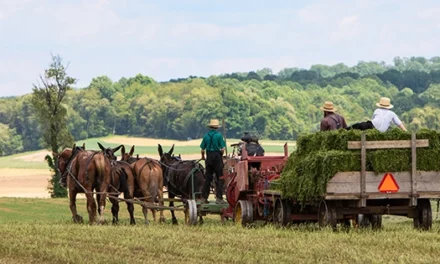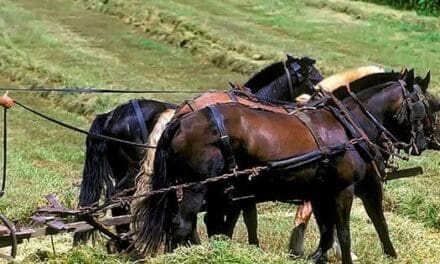
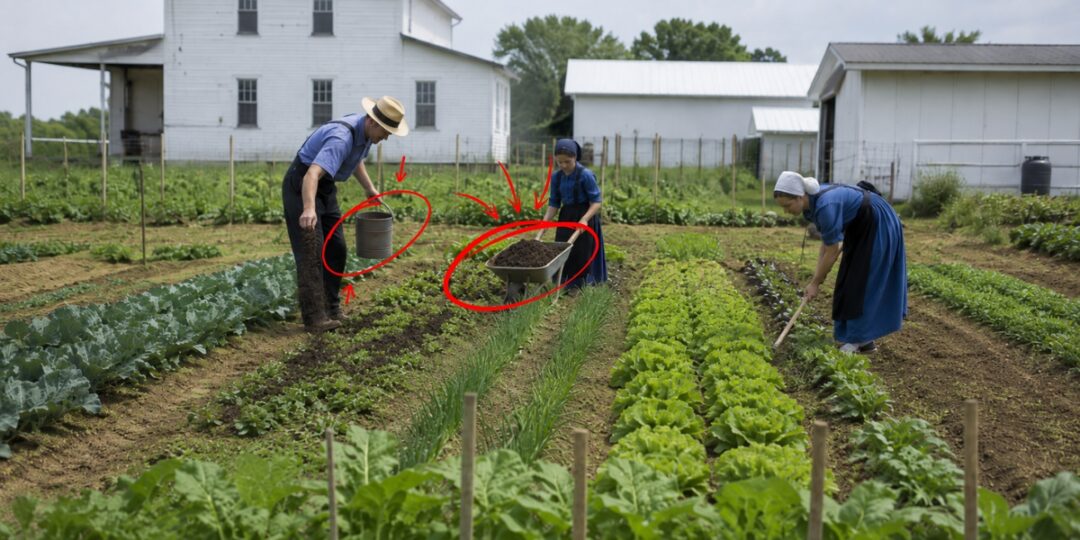
The Amish farms in Lancaster County, Pennsylvania, have been worked for generations, and they still sit on some of the most productive non-irrigated soil in the whole country. That didn’t happen by accident.
For a long time, a lot of those farms fed the soil with what the farm already made. Nutrients kept cycling around the place instead of getting bought in by the bag, and the soil stayed rich exactly because of this.
What I like about this approach is that you can copy that same loop on a much smaller scale. You don’t need eighty acres or a team of horses to do it. So, here are seven soil boosters you can make at home for little or nothing, and how to use each one without causing yourself a problem.
Composted Manure for Steady Fertility
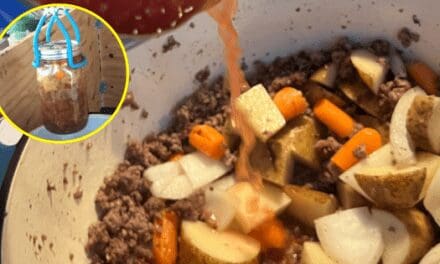
Manure is the backbone of the whole thing. Nitrogen, phosphorus, potassium, and a good load of organic matter, all in one material. It’s free if you keep animals, and often free if you know somebody with horses who’s glad to have you haul it off.
The easiest way to use it well is fall application. Spread it after the harvest is done, work it into the beds, and let the winter go by before anything grows there. By spring it’s broken down and settled, and it’s ready to feed your plants. That fall-and-winter rhythm is how those Lancaster farms keep their ground in shape year after year, and it works just the same on a single backyard bed.
Composting it first is even better. A hot pile that reaches 140 degrees gives you something safe and mellow to work with, and that’s the form I’d reach for around a vegetable garden.
One thing to keep in mind so you use it safely. Raw manure needs time in the ground before you harvest, so put it down at least 120 days before you pick anything that touches the soil, and 90 days for crops that grow up off the ground. This is why it’s recommended to start this in the fall.
The University of Maine Extension lays these numbers out, and they match the USDA organic standard. Also, skip cat, dog, and pig manure altogether. Handle it with a little care and it’s the best free fertilizer you’ll ever get your hands on.
If you’re curious about how the Amish prepare the manure they use in their farms, you can get this answer straight from an ex-Amish.
Eddie Swartzentruber grew up in one of the strictest communities in Ohio, and after he left the community, he took with him many of the secrets.
Now, he wants to share them with the rest of the world and help people become better homesteaders. Most of the Amish practices fit perfectly with the concepts of self-sufficiency and off-the-grid, and this is why I think knowing how to use them in your garden will mean a lot to you. For me, what I learned from the Amish changed the way I garden for the better.
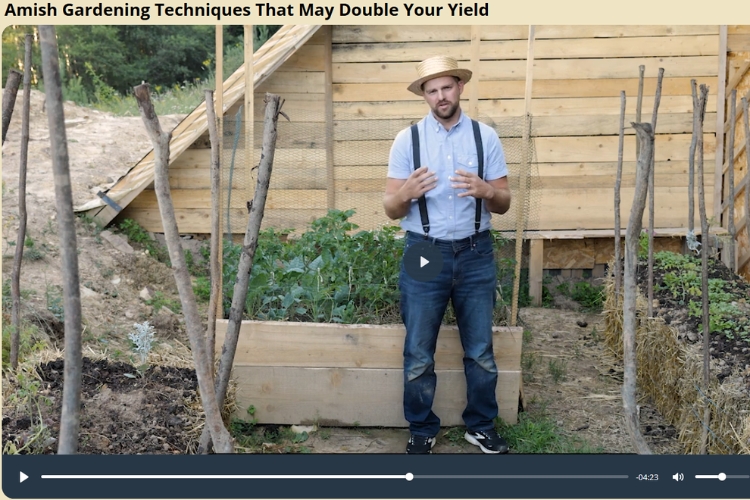
So, if you want to see how to make manure and garden like the Amish, you can find all you need in The Amish Ways Academy. This is an online course presented by Eddie himself where he shows you everything he knows. After you finish it, you also get a diploma with your name on it.
Click on the video below and see all you need to know about the academy. Also, if you decide to enroll now, you get an 83% discount + 4 FREE gifts!
Also, once you get the course, it’s yours for life. You can access it anytime you want as often as you please.
Wood Ash for Potassium and pH
This one comes free out of the wood stove. In a home that heats and cooks with wood, the way a lot of Amish households still do, ash is just something you always have a bucket of. Wood ash raises soil pH and brings potassium, plus a good bit of calcium
But here’s the catch. Ash is only useful if your soil is more acidic than it needs to be. Test it first. If you spread ash on ground that’s already neutral or sweet, you push the pH too high, and then your plants can’t take up the nutrients sitting right there in the dirt.
A couple of places to keep ash away from:
- Potatoes – Higher pH is exactly what encourages potato scab, so keep it out of the potato patch.
- Blueberries and other acid lovers – Blueberries want acidic soil, and so do azaleas and rhododendrons. Ash works against them.
Use hardwood ash when you can, such as oak or maple, since it contains more nutrients than softwood. And use clean wood ash only. Never use ash from treated lumber, painted wood, or charcoal briquettes, because that can carry chemicals you don’t want near your food.
Leaf Mold for Better Soil Structure
Every fall you get a pile of leaves for free, and it’s easy to rake them to the curb and forget about them. You can turn that pile into some of the best soil conditioner there is.
Leaf mold is just leaves that have broken down on their own. Pile them up, keep them damp, and let them sit. In about a year, you’ve got a dark, crumbly material that does wonderful things for the soil.
But keep in mind that leaf mold conditions the soil. It does not feed it, and the NPK nutrients in it are low. What it does is open up heavy clay so water and roots can move through, and it helps sandy soil hold moisture instead of letting everything drain straight out.
If a year feels like a long wait, grass clippings break down much faster and add a little nitrogen too. Use clippings from a lawn you haven’t sprayed, and lay them in thin layers so they don’t mat into a slimy mess.
Comfrey and Weed Tea for a Quick Feed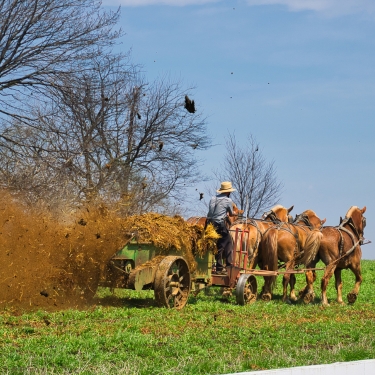
Here’s a booster that runs on the weeds you’re already pulling. Fill a bucket with pulled weeds or chopped leaves, cover it with water, and set a lid on loosely. Let it sit a couple of weeks. It’ll turn dark and smell rank, and that’s normal. Strain it, water it down to about the color of weak tea, and pour it around the base of your plants. This is how you make tea for your garden!
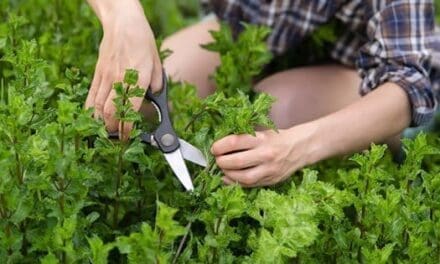
For the strongest version, grow comfrey. I keep a couple of comfrey plants down by the back fence just for this, and I cut them back three or four times a season. Comfrey leaves test high in potassium, higher than most of what you’d pull out of the garden, which makes the tea a great feed for tomatoes and peppers and anything setting fruit.
One honest note: comfrey isn’t quite free to start. You buy a root cutting or two, usually a couple of dollars each, and after that the one planting keeps handing you leaves for years. Plant the sterile Bocking 14 kind, so it stays put instead of spreading all over.
Do not make this tea out of manure. Manure tea carries the same risk as raw manure and follows the same timing rules. Weed and comfrey tea are the ones you want here. You can see how to properly make this tea here.
And since I got comfrey in my garden, I use it for so much more than making this fertilizer tea for my plants. This herb has been long known for its incredible healing properties.
Allantoin is the main active chemical compound in comfrey and it stimulates new cell growth and skin regeneration. This is why I like to use comfrey to also make a healing salve I use when I get minor cuts and bruises.
What I love about it is that it’s free and I know all the ingredients. Since I make it, this salve is 100% organic, made with the best ingredients possible.
If you’re thinking about making your own comfrey salve, you can find the full recipe here.
Burnt Bone Meal for Phosphorus and Calcium
Nothing on an old Amish farm gets thrown out if it can go back to work, and bones are a good example. If you butcher your own animals, you’ve got a phosphorus and calcium source right there in the scrap bucket.
After we butcher in the fall, I save the bones, and once they’ve dried out, I bake them low and slow until they go brittle enough to snap. Then I crush them into a coarse meal and work that into the beds. Bones are mostly calcium phosphate, and phosphorus is the nutrient behind strong roots and good flowering and fruiting, so it earns its keep.
And while we’re on calcium, let me save you a mistake. Crushed eggshells don’t do much for calcium in any hurry. They break down over years, so tossing them in the bed and expecting them to stop blossom-end rot this summer just won’t work. Burnt bone meal is the better bet if you want more calcium for your garden.
A Legume Rotation for Nitrogen
This is “the nitrogen engine” of the whole system, and it’s the piece those Lancaster farms rely on the most. A lot of them keep a cover crop like clover or rye growing over the winter and turn it into the ground come spring.
Here’s how it works. Certain plants, the legumes, team up with bacteria on their roots to pull nitrogen out of the air and fix it into the soil. Clover and alfalfa do it, and so do vetch and field peas. You grow them, and they leave the ground richer in nitrogen than they found it.
So, if you want to try this in your garden, you need to start rotating. Plant a heavy feeder like corn in a bed one year, then put a legume in that same bed the next year to give the nitrogen back. Over time, the beds feed each other instead of draining down to nothing.
Click here to get a full Amish-style crop rotation plan for your garden.
This plan presents everything in detail, from what plants to choose to what Amish fertilizer to use in your garden. I think it comes in handy to any gardener or homesteader who wants to make their harvest boom. That’s why I advise you to check it out.
Crushed Charcoal for Water and Good Microbes
If you’re already burning wood, you’ve got charcoal, and crushed into the soil, it holds water and gives microbes a place to live. All those tiny pores are perfect for the good bacteria and fungi, and they hold moisture through a dry spell.
Now, I want you to pay attention to this. Don’t dump raw charcoal straight into your beds. Fresh charcoal pulls nitrogen out of the soil for a while as it settles, and that leaves your plants hungry.
But the fix is easy. Mix the crushed charcoal into your compost or manure pile first and let it sit for a few weeks. It soaks up nutrients and microbes in there, and by the time you spread it, it feeds your soil instead of robbing it.
Get All the Knowlege Form a Single Place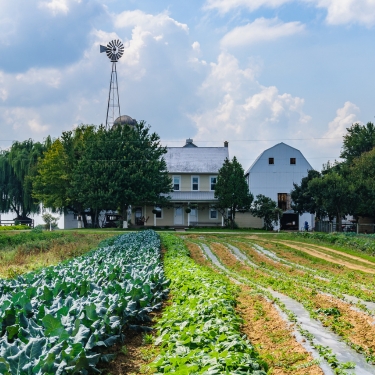
If you’re interested in how the Amish grow their crops and you want to use the same tricks as them, you’re in the perfect place! Imagine how it would be to have access to an Amish gardening encyclopedia?
Well, this thing already exists, and it’s called The Amish Ways.
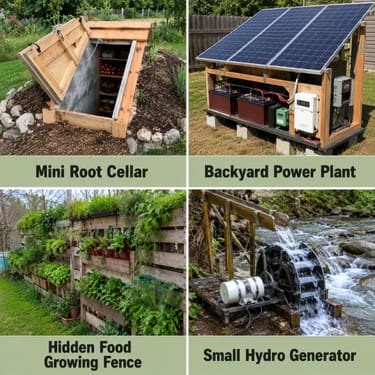
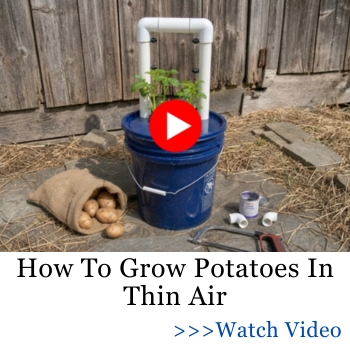
This book is written by the same Eddie Swartzentruber I mentioned above and it offers you the basics of Amish farming. In this book, you can learn more about how Amish use companion planting, how they make natural pesticides, or how they use animals to help them get a better harvest. There are lots of surprising practices the Amish use that we have no idea about and you can find all of them in this book. For example, did you know about the Amish underground garden? Or did you know the Amish found a way of growing potatoes in thin air?
You can find all of these + many other revolutionary projects in The Amish Way book. And the best part? You get the full step-by-step instructions for each project so you can build any project you want in your garden right away.
👉 Click here and get your own copy of The Amish Ways before the stock runs out again
Final Thoughts
None of these methods is complicated, and none of it is some lost secret. It’s the same old habit those Lancaster farms have run on for two hundred years, feeding the soil from what the place already makes and all you have to do is scale it down for your own backyard.
Also, there’s no need to use all of them to make sure your garden is productive. You need to choose only what fits your soil. Trying to apply all seven would be a nightmare and also counterproductive.
As you can see, for now, I only use the comfrey hack and the bone meal one. I am thinking about trying rotations in the future.
Are you using any of these Amish methods on your homestead? Tell me in the comments section below.
You may also like: 
Why the Amish Are Immune to Inflation and How You Could Be Too
How to Make the “Forever Sausage” (Video)
Cut Down On Your Bills In 2026 With These Amish Projects
Amish Chicken Coop Design – What Makes It Work and How to Build Your Own
Ingenious Solar-Powered Projects Inspired By the Amish