You’re about to discover something most people never learn: the most powerful medicine doesn’t come from a pharmacy—it comes from seeds you can plant in your backyard this spring.
While your neighbors are planting petunias and decorative bushes, you could be growing a personal pharmacy that treats everything from wounds and anxiety to colds and digestive issues. These aren’t exotic plants requiring expert knowledge—they’re hardy herbs that practically grow themselves once you know what to do.
I’ve put together this guide specifically for you because spring 2026 is your window. Miss it, and you’ll wait another year while watching healing opportunities literally go to seed.
But start now, and by summer you’ll be harvesting remedies that would cost you hundreds of dollars at health stores—except yours will be fresher, more potent, and basically free.
Let me show you exactly which herbs to plant, when to plant them, how they’ll heal you, and the safety considerations you need to know. No fluff, no guesswork—just the practical knowledge I wish someone had given me years ago.
Why Spring 2026 Is Your Medicinal Garden Moment
Here’s what makes this spring crucial: most medicinal herbs need to be started between February and May to establish strong roots before summer heat. Wait until June, and you’ve missed the ideal window for nearly everything on this list.
The herbs I’m sharing aren’t just traditional remedies people “believe in”—they’re backed by clinical studies, approved by medical commissions, and increasingly used in hospital integrative medicine programs. The difference? You’re growing them yourself instead of paying premium prices for someone else’s harvest.
Yarrow (Achillea millefolium) 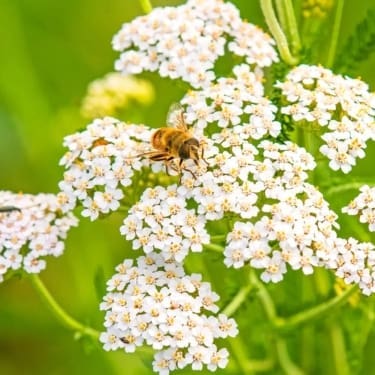
What it does: Yarrow has been used for centuries to stop bleeding and heal wounds. Studies identify azulene in yarrow with genuine anti-inflammatory effects. It’s astringent, helps with fevers, and eases menstrual pain.
Safety notes: Belongs to the daisy family—avoid if you’re allergic to ragweed. Large doses can cause skin photosensitivity. May slow blood clotting, so stop before surgery. Generally avoided in pregnancy.
How to plant: Yarrow is ridiculously easy. Full sun, any well-drained soil. Space plants 12-24 inches apart. Extremely cold-hardy (zones 2-9) and drought-tolerant once established. Start seeds indoors 8-10 weeks before last frost, or direct sow in spring or fall.
Yarrow is easy to plant—but it takes time before it’s ready to use. If you want a ready-made Yarrow Tincture to start using today, this is the one you need.
I suggest not getting it from anywhere else because it’s not as potent as what’s made in Nicole Apelian’s Apothecary. Organic, wild-harvested, dual-extracted for maximum medicinal compounds.
Click here for the Yarrow Tincture that’s ready when you need it.
How to use: Brew dried flowers and leaves as tea for digestive upset or fevers. Make a poultice from crushed fresh leaves for cuts and scrapes. Always patch-test on skin first to check for sensitivity.
Calendula (Calendula officinalis): The Skin Healing Powerhouse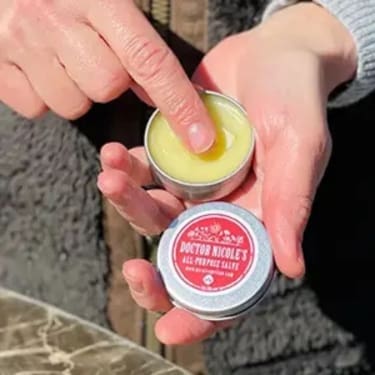
What it does: Widely used in skin remedies. Multiple studies show topical calendula accelerates wound healing. A 2019 review found it speeds inflammatory phase and tissue formation in acute wounds. Small trials show benefits for minor burns and radiation dermatitis. Traditionally used for cuts, sores, eczema, and dermatitis.
Safety notes: Generally very safe topically. Main concern is allergic contact dermatitis—some people (especially those with ragweed/marigold/daisy allergies) may develop itchy rash. Always patch-test inner forearm before widespread use.
How to plant: Easy annual. Blooms profusely spring/summer. Sow 6-8 weeks before last frost or direct in spring once soil warms. Plant ¼ inch deep in moderately rich, well-drained soil. Space 8-12 inches apart. Tolerates cool weather but stops blooming in extreme heat. Self-sows readily. Needs 1-1.5 inches water weekly in summer.
How to use: Infuse petals in oil (olive oil) for soothing ointment for cuts and rashes. Herbal tea or wash (1-2 tbsp dried flowers steeped) applied to skin irritations. Sometimes taken internally for gastritis, but evidence limited. Can interact with warfarin—avoid large internal quantities.
Or skip the infusing and get a Yarrow & Calendula Salve boosted with lavender, arnica, and other herbs that promote skin healing.
It’s the best natural support for burns, skin cracks, dry skin, cuts, rashes, eczema, bug bites—even wrinkles.
Contains yarrow (stops bleeding, anti-inflammatory), arnica (bruises, pain), calendula (wound healing), plantain (skin repair), balm of gilead (pain relief), beeswax, and lavender.
Click here for the all-purpose salve that handles every skin emergency.
Echinacea (Echinacea purpurea): The Immune System Supporter
What it does: Best known for immune support at first cold signs. Cochrane review concluded it might slightly reduce cold incidence, but the evidence is mixed. NIH says it may have a small effect on preventing colds. Use short-term at cold onset, not continuously.
Safety notes: Probably safe for most healthy adults when used for about a week. Common side effects: digestive upset. Allergic reactions are possible (especially ragweed/aster allergies). People with autoimmune disorders or on immunosuppressants should consult a doctor first.
How to plant: Perennial that naturalizes easily. Full sun to light shade, average to rich soil. Space 1-3 feet apart. Grows 3-4 feet tall with 1-2 foot spread. Hardy zones 3-8. Tolerates heat, drought, and poor soil. Sow late winter/early spring or direct-sow after frost. Thin to 12 inches. Deadhead to encourage rebloom.
How to use: Leaf, flower, or root as tea (3-4g per cup) or tincture (1:5 in alcohol). No standard dose—many products use ~1 tsp extract 2-3x daily for colds. Take at first symptoms. Discontinue if no improvement after 7-10 days.
Lavender (Lavandula angustifolia): The Anxiety Calmer 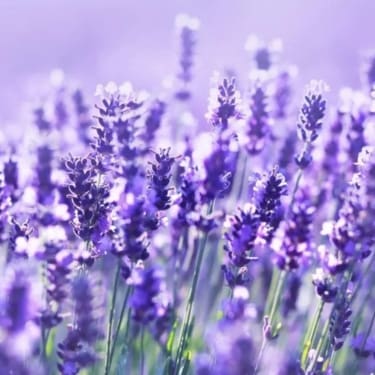
What it does: Famous for calming scent. Small studies suggest oral lavender oil or tea can relieve anxiety and mild depression. Lavender oil capsules reduced anxiety symptoms in trials. Aromatherapy benefits are subjectively reported but scientifically unclear.
Safety notes: Safe in food amounts. Capsules/teas well-tolerated; possible diarrhea, nausea, headache. Topical oil can cause skin allergy. Rare reports of hormonal effects. Mild sedative—could interact with anesthesia. Safety in pregnancy not established.
How to plant: Full sun, excellent drainage essential. Alkaline, sandy, or gravelly soil—avoid heavy clay. Space 2-3 feet apart. Hardy zones 5-9 (mulch in colder areas). Dislikes wet winters—use raised beds or slopes. Drought-tolerant once established.
How to use: Dried flowers make soothing tea for relaxation. Essential oil used in aromatherapy, massage oils, salves. Make lavender sachets for sleep aid. Infused oil for creams or diffusers. Patch-test any new oil blend for allergy.
Lavender sachets help with sleep—but if you want something stronger, there’s a remedy that actually works.
The Forgotten Home Apothecary contains Herbal Sleeping Pills made with lavender and other calming herbs. These all-natural tablets knock you out without a hangover—no synthetic chemicals, no grogginess the next day.
Click here for the lavender-based sleep remedy that actually works.
Marshmallow (Althaea officinalis): The Throat and Gut Soother 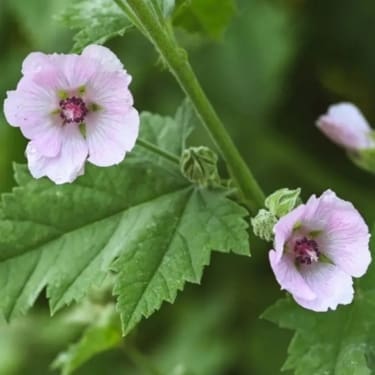
What it does: Rich mucilage coats throat and gut lining—excellent for dry coughs or irritated stomach. Clinical studies found marshmallow extract eases dry mouth symptoms. German Commission E approves it for mouth/throat irritation and dry cough.
Safety notes: Generally well-tolerated. Rare mild stomach upset or allergic reactions. Can lower blood sugar slightly. No safety data for pregnancy—consult healthcare provider first.
How to plant: Hardy perennial (zones 3-8). Full sun, moist rich soil. Roots grow deep—plant 18-24 inches apart in deep bed. Sow in autumn (needs cold stratification) or pre-chill and sow in spring. Keep soil moist first year. Grows 3-5 feet tall.
How to use: Make tea from dried root or leaf (1-2 tsp in hot water) for sore throat. Marshmallow syrup is traditional cough remedy. Poultice of mashed root soothes minor burns. Take other medications 1-2 hours apart—mucilage can coat and slow absorption.
You need this Marshmallow-Plantain-Slippery Elm Gut Blend more than you think.
Here’s why: Every day, you’re ingesting pesticides, chemicals in food, and pills you can’t drop. Your gut lining is under constant attack.
Marshmallow coats and soothes—but this tincture goes further. It combines marshmallow, plantain, slippery elm, and other gut-healing herbs.
You’ll notice food gets digested differently. That’s what it feels like when your gut is balanced—it can actually absorb the nutrients that give you good mood, energy, and health rather than let them go to waste.
Click here for the gut-soothing tincture that lets your body absorb what it needs.
Other Powerful Medicinal Herbs to Plant This Spring
Chicory (Cichorium intybus) – Digestive tonic rich in inulin, a prebiotic fiber that feeds beneficial gut bacteria. Stimulates liver and gallbladder function. Biennial, zones 3-8. Planting similar to Echinacea—full sun, sow early spring, thin to 6-12 inches. Avoid if you have gallstones or ragweed allergies.
California Poppy (Eschscholzia californica) – Gentle sedative for anxiety and insomnia. Contains non-opioid alkaloids that help with sleep. Easy annual, zones 6-10. Planting similar to Calendula—direct sow after frost, poor soil, full sun, self-seeds readily. May cause drowsiness with other sedatives; avoid in pregnancy.
Feverfew (Tanacetum parthenium) – Traditional migraine preventer with modest evidence for reducing frequency and severity. Easy biennial/perennial, zones 5-9. Planting similar to Yarrow—sow spring or fall, full sun, 8-12 inches apart. Stop 1-2 weeks before surgery (antiplatelet effects); avoid in pregnancy.
Evening Primrose (Oenothera biennis) – Grown for seed oil rich in GLA, often promoted for PMS and skin issues though evidence is inconclusive. Biennial, zones 3-9. Plant late fall or early spring in any well-drained soil, space 1-2 feet apart, tolerates poor soil. May slow blood clotting—use caution with blood thinners.
Your Spring 2026 Planting Timeline
February-March (Indoor Seed Starting): Yarrow, Chicory, Feverfew, Lavender, Echinacea
March-April (Direct Sow Outdoors): Calendula, California Poppy, Evening Primrose
April-May (Transplant Outdoors): Move all indoor seedlings outside after the last frost; sow Marshmallow outdoors in May
Adjust based on your USDA zone and local frost dates.
You can plant these herbs this spring. But when they’re ready to harvest, do you know:
- How to identify them from toxic lookalikes?
- Which part to harvest and when?
- How to turn them into actual medicine?
The Lost Remedies Academy takes you into the wild with Nicole where she shows you medicinal plants from every angle, pointing out key differences that make identification easy.
Then you follow her into the kitchen where she teaches you how to create salves, poultices, tinctures, extractions, syrups, and elixirs—dozens of powerful lost remedies.
You’ll learn by doing—the way your grandmother would have taught you. And when you graduate, you get a diploma with your name certifying your knowledge.
Click here to learn how to turn your garden into medicine—before you plant a single seed.
Quick Reference Guide
| 🌿 Plant | Difficulty | 💊 Use | 🌾 Harvest | ⚠️ Safety |
|---|---|---|---|---|
| Yarrow | ⭐ Easy | Wounds, inflammation | Flowers & leaves | Ragweed allergy |
| Calendula | ⭐ Easy | Skin healing | Flower petals | Ragweed sensitivity |
| Echinacea | ⭐ Easy | Immune support | Roots, flowers, leaves | Ragweed allergy |
| Lavender | ⭐⭐ Medium | Anxiety, sleep | Flower buds | Skin allergy |
| Marshmallow | ⭐⭐ Medium | Throat/cough | Root & leaves | Lowers blood sugar |
| Chicory | ⭐⭐ Medium | Digestive health | Roots & leaves | Gallstones risk |
| California Poppy | ⭐ Easy | Sleep aid | Whole plant | Causes drowsiness |
| Feverfew | ⭐ Easy | Migraine prevention | Leaves | Blood-thinner |
| Evening Primrose | ⭐ Easy | PMS support | Seeds | Bleeding risk |
Get All The Seeds Above from the Most Trusted Source
Here’s the problem with buying medicinal herb seeds online: most are old, low-germination, or mislabeled. You plant them, nothing grows, and you’ve wasted your spring window.
Nicole Apelian’s Medicinal Garden Kit solves this.
✅ 10 essential medicinal herbs (including the ones you just learned about)
✅ Heirloom, non-GMO seeds with high germination rates
✅ Planting instructions for each herb
✅ Survival guide showing you exactly when and how to plant
✅ Organized by difficulty (start with easy herbs, work up to advanced)
This isn’t just seeds in a bag. It’s a complete system to turn your backyard into a pharmacy.
Spring 2026 is your window. Miss it, and you wait another year.
Click here to get the Medicinal Garden Kit before planting season ends.
Important Safety Information
This guide provides information based on scientific sources and traditional use, but it’s not medical advice. Herbal remedies aren’t FDA-approved cures. Always consult a healthcare provider before using medicinal herbs, especially if you have health conditions or take medications. Follow recommended dosages. Natural doesn’t mean harmless—start small and pay attention to the safety notes for each herb.
Your Garden, Your Medicine Cabinet—But You Still Need the Recipes
By summer, you’ll have fresh yarrow, calendula, echinacea, lavender, and marshmallow growing outside your door.
But here’s the reality: knowing how to grow them isn’t the same as knowing how to use them.
You need recipes. Exact measurements. Step-by-step instructions. Color photos showing you what the finished remedy should look like.
The Forgotten Home Apothecary contains 250+ remedies—many using the plants in this article:
- Nature’s Betadine (Yarrow) – Speeds wound healing while fighting infection
- Cooling Gel for Burn Relief (Calendula) – Soothes instantly and helps prevent blisters
- White Cell Boosting Juice (Echinacea) – Supercharges your immune response
- Herbal Sleeping Pills (Lavender) – Knocks you out without a hangover
- Rejuvelac for Leaky Gut (Marshmallow) – Seals damaged gut lining
Plus 245 more remedies organized by body system—flip straight to what you need.
Growing the herbs is step one. Making medicine from them is step two. This book is your step two.
Click here for the 250+ remedy recipes that turn your garden into your pharmacy.
* This article was first published on The Lost Herbs blog.
You may also like:
Join Our Homesteading Facebook Group!
If You See This Plant in Your Backyard, Burn It Immediately! (Video)
Homemade Medicinal Nettle Soap (Step By Step Recipe)
9 Plants That Grow With No Water
10 Medicinal Plants You Can Find On Your Homestead