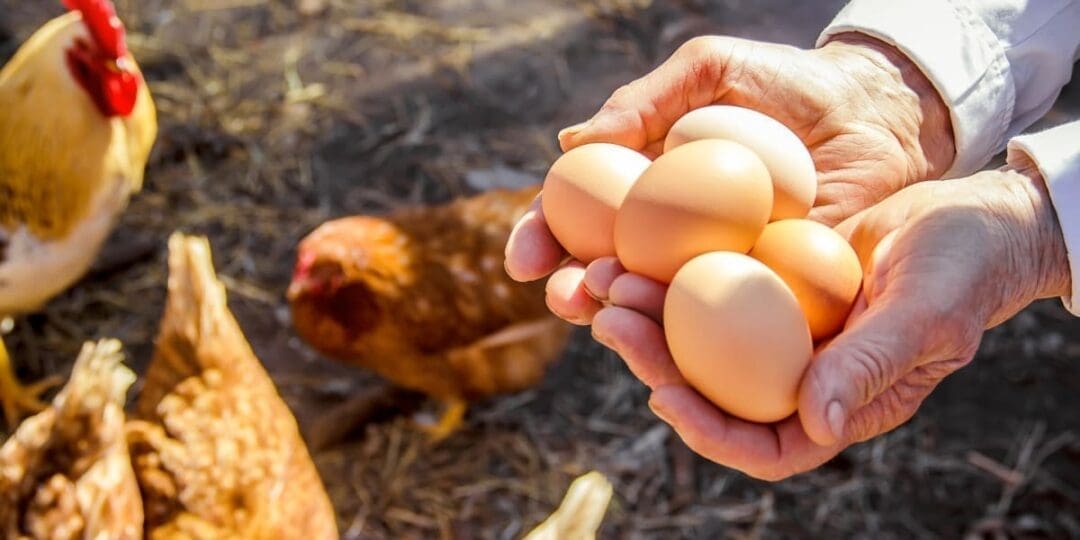
You, like many other people, might have considered raising chickens at some point. And if you did, it was probably because of their eggs. Real eggs. The ones you might have picked up from the coop as a child. Sturdy shells, deep yellow yolks, and that unmistakable flavor they had when she was frying them for you.
Having your source of eggs in the backyard means food security, routine, and knowing exactly where your food comes from. Doesn’t it sound great?
Most of the time, folks who want to go on the self-sufficiency path will start with chickens. They’re relatively easy to care for, adaptable to different spaces, and productive in ways that feel almost immediate.
Once you have the right setup and a basic understanding of the needs of your chicken, you’ll enjoy a steady egg supply for most of the year and often all year round.
Is Raising Chickens Right for You?
Before you start your first flock, you need to understand what raising chickens requires. It’s true that, compared to other livestock, they are low-maintenance, but they still need daily care.
They need food, water, protection, and a safe place to lay their eggs.
These are the non-negotiables.
Having a constant source of fresh water is essential when you want to raise your own chickens. No Grid Survival Projects brings together some of the most accessible water solutions, all explained step by step so you can build what you need with no effort at all.
From pulling drinkable water out of thin air to building a long-term water storage tank, No Grid Survival Projects shows you exactly how to secure water when the grid goes down.
CLICK HERE to get your copy now, and you will also receive 3 other FREE survival gifts!
Do you have enough space for them? A small backyard flock is manageable for many households, but local zoning laws and HOA rules can affect whether chickens are allowed or not.
But the most important thing is probably whether you can create a routine and adjust to it. If you want reliable eggs, you have to commit to basic daily checks and occasional deeper cleaning.
Choosing the Right Chicken Breeds for Consistent Egg Production
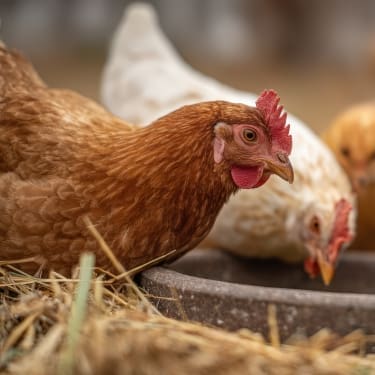
Not all chickens are made for laying. Some breeds are better for meat, for example and others are bred for their appearance.
For beginners, egg-focused breeds are ideal. Some of the breeds you might consider are:
- Rhode Island Reds,
- Plymouth Rocks,
- Australorps,
- Sussex,
- ISA Browns.
These breeds tend to handle temperature changes better and continue laying longer into winter. So, when you want eggs all year, these are the breeds you can use to start your flock.
No chicken will lay daily forever, but choosing the right breed from the start gives you an edge.
How Many Chickens Do You Actually Need?
This is a question that started numerous debates on forums and specialty communities and we want to handle it the right way. As a beginner, it’s only natural to wonder about the right amount. On average, a healthy laying hen produces about 4–6 eggs per week during peak seasons. That means three to four hens can comfortably supply eggs for a small household.
However, chickens don’t all lay at the same rate, and production naturally slows in winter or during stressful periods. Keeping a slightly larger flock provides a buffer. Many beginners find that 5 – 6 hens create a good balance between egg supply and manageable care.
Planning ahead is also something you should consider. As they age, chickens will start to lay fewer eggs, so try to be flexible and replace the birds when you notice they are not producing enough eggs.
Setting Up the Coop
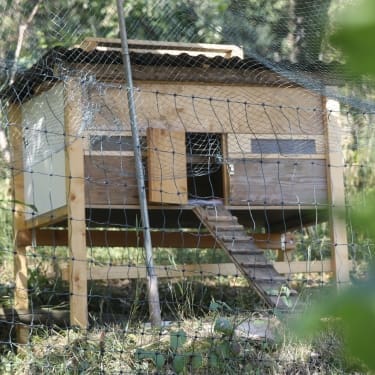
Chickens don’t need a fancy coop to be healthy and lay eggs. Though if you want to do a great job, they require some essentials that you should know from the start.
First things first, the coop is a shelter. Think about what you want from a home. It works the same for a chicken. They need shelter from the weather, good ventilation, protection from predators, and comfortable nesting areas.
Next, let’s talk about space. Each chicken should have about 4 square feet of coop space and access to an outdoor run if free-ranging isn’t possible. Nesting boxes should be dark, quiet, and easy to access. One box for every 3-4 hens is usually enough.
Then, there is one more thing most people overlook. Ventilation. Fresh air should enter the coop, as it prevents moisture buildup. Not having ventilation is dangerous because it can lead to illness and frostbite. The coop should be dry and well-ventilated.
If you want to build the coop by yourself, but you don’t know where to start, you can try a DIY Amish project. By using scraps and materials you may already have in your garage, you can build a chicken coop perfect for a beginner.
We all know how resourceful the Amish are, and this is your chance to learn some of their practical knowledge and create a perfect home for your backyard flock. Click here and discover how to build a coop the Amish way.
The Basics of Feeding Chickens
Consistent egg production starts with consistent nutrition. Laying eggs is demanding work for a chicken’s body, and even small nutritional gaps can lead to fewer eggs, weak shells, or stressed birds. For most backyard flocks, a commercial layer feed should make up the majority of the diet. These feeds are already carefully balanced to meet the daily needs of laying hens, and you won’t have to worry too much about it.
To choose a quality layer feed, make sure it contains 16–18% protein. This is an essential macronutrient that supports steady laying and feather health. The next on the list is calcium. Hens use large amounts of it to form eggshells. Try to offer your chickens crushed oyster shell or limestone in a separate dish. This will reduce the risk of thin or brittle shells.
Helpful supplements for laying hens include:
- Crushed oyster shell or limestone (for strong shells);
- Grit (especially if chickens don’t free-range);
- Apple cider vinegar in water (occasionally, for digestion);
- Dried or fresh herbs like oregano or thyme (for general health support).
Kitchen scraps and garden leftovers can add interest, but should never replace balanced feed. Safe options include:
- Leafy greens (kale, lettuce, chard);
- Squash, pumpkin, and cucumbers;
- Cooked rice, oats, or plain pasta;
- Small amounts of fruit as an occasional treat.
👉The Only Plant That Will Make Your Poultry Lay More Eggs Than Usual!
High-protein treats such as mealworms, black soldier fly larvae, or scrambled eggs are useful during molting (a natural feather-shedding phase when hens pause egg laying), cold weather, or stress, but treats should stay under 10-15% of the total diet.
A simple feeding routine works best:
- Free-choice layer feed available daily;
- Fresh, clean water at all times;
- Treats are offered 1–2 times per week;
- Supplements provided separately, not mixed into feed.
Water and Light. Why Do They Matter More Than You Might Think?

Chickens can go longer without food than without water. We covered their food needs, but they also need clean and fresh water available at all times.
Besides their hydration needs, water is also essential if you want reliable eggs from your hens. An egg is made up of roughly two-thirds water, so even short interruptions in access can cause laying to slow or stop.
During winter, this might become a challenge as water can freeze if temperatures are below 32°F. The simplest and cheapest solution you can try is rotation. Keep two waterers and swap them once or twice a day, bringing the frozen one inside to thaw.
Insulation also helps. Placing the waterer inside a small insulated box, cooler, or even wrapping it with an old towel (kept dry and out of reach of pecking) can slow freezing. Setting the waterer on a thick piece of wood instead of directly on frozen ground reduces heat loss from below.
Light and winter egg production
Another low-cost trick we tried and love is using black rubber bowls. Rubber is more flexible and slower to freeze than hard plastic or metal, and ice can be popped out easily by squeezing the bowl. Keeping waterers in the sunniest part of the run during the day will also help.
When it comes to light, you should know that chickens rely on daylight to regulate laying cycles. When days shorten below about 14 hours of light, egg production naturally slows or stops. Keep a mental note of this.
If you want a consistent egg production during the winter, consider using supplemental lighting. A simple timer-controlled light in the coop can do the job without stressing the birds. Winter egg production is possible, but don’t push the hens beyond their limits.
Reduction in laying is normal during winter, even with the best care. Just try to maintain a reasonable supply, and the egg production will boom later in the spring.
Daily and Weekly Chicken Care
Taking care of your chickens is not complicated, but you need to be consistent. If you have a small flock of up to 10 chickens checking on them once or twice per day is more than enough. In the morning, make sure the feeders are stocked and that the water is clean. This is also the time you should collect the eggs.
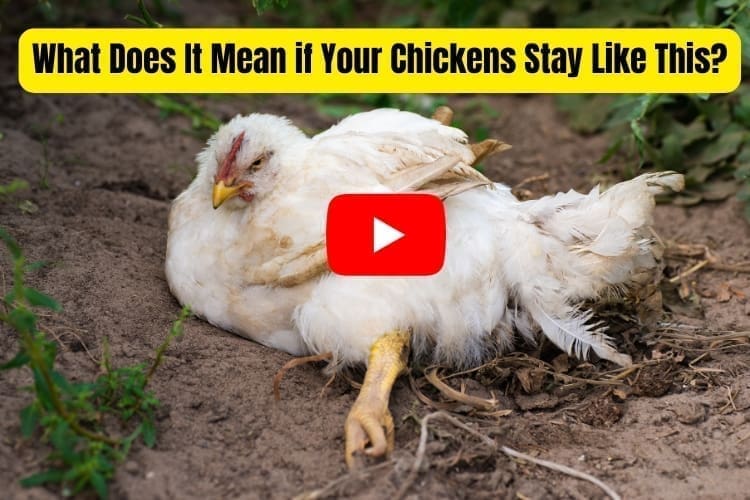
While you are there, take a moment and observe the hens. Are they alert, social, and active? If yes, it means things are alright. Noticing lethargy, isolation, or limping? These are the main signs that something is wrong.
But what should you do when your chickens are sick? This is a big question that raises some additional problems. For example, how can you differentiate between chicken diseases? Or, how can you treat them?
Consulting a veterinarian can be incredibly expensive these days. Then the prescribed meds could cost you a fortune.
Hopefully, you can avoid all of these by simply following the methods the Amish used to treat their sick chickens for hundreds of years. Using simple things you have in your pantry or in your garden can save the lives of your chickens, and all of this for free.
To learn more about specific remedies for the most common chicken diseases, check out this complete guide.
These were the daily tasks. A list of the tasks you need to do weekly would look like this:
- Adding or changing bedding;
- Washing waterers and feeders;
- Checking for pests, injuries, or weight loss (visually, you are not going to weigh the chicken);
- Inspecting coop security and ventilation.
Once you set up a routine, things will come naturally. Many chicken keepers find these “rituals” calming, and we believe it’s worth it for the steady supply of eggs the hens provide.
How to Collect, Store, and Use Eggs Safely
Collecting eggs is a daily task because it prevents cracking and discourages egg eating among the chickens. Clean, unwashed eggs can be stored at room temperature for short periods or refrigerated for longer storage. Washing them removes the egg’s natural protective bloom.
Refrigerated eggs can last several weeks.
Common Beginner Mistakes And How To Avoid Them

Most of the time, egg-laying problems don’t come from serious illness. There are some small, but avoidable mistakes any beginner could make. But once you understand these mistakes early, you will know how to prevent them and never get frustrated.
Overcrowding the Coop
Chickens need adequate space to feel secure. When birds are crowded, stress levels rise, pecking increases, and egg production often drops. As a rule of thumb, each hen needs at least 4 square feet inside the coop and 8-10 square feet in the run. More space almost always equals calmer, more productive birds.
Too Many Treats and Table Scraps
Treats are enjoyable, but too many can cause problems. The chickens will stop eating their layered feed and they won’t get the essential nutrients found in it. When treats exceed 10-15% of the diet, protein and calcium intake often suffer, leading to fewer eggs and weaker shells.
Reacting Too Quickly When Laying Slows Down
If egg production slows down a little, don’t panic. This can be caused by some external factors, such as molting, extreme heat, cold snaps, or seasonal light changes. Don’t rush immediately to correct this. It can make things even worse by stressing the hens and prolonging the slowdown.
Sometimes you need to let nature run its course and things will turn out all right.
Building a Reliable Egg Supply
Having your egg supply is a big step into the self-sufficiency world. All you need to do is be consistent and patient. Learning things as you go is always the most effective method, so just give yourself time if you’ve never done this before.
Once you have the chickens and a good place for them to live, they will start producing eggs, which you can start eating, preserving, or even selling if you want to make some profit.
Taking care of your flock is indeed a challenge, but in the end, you will realise that it’s one incredibly rewarding journey.
You may also like:

I Fed Stinging Nettles to My Chickens, and This Happened
How To Store Food Without Electricity That Can Last Up To A Year (Video)
Can You Catch Bird Flu From Chickens? What No One’s Telling You
Why Are My Chickens Losing Feathers?