I lost an entire garden in 2021 during the Western drought. Everything from tomatoes to squash gave up and I was desperate. All my hard work was gone and since then, I’ve kept wondering if there is a better way to do this.
The secret lies in the plants you grow. Regular vegetables won’t make it without water, but there are some plants out there that can survive even during the most severe scenarios.
The plants in this list survived deserts, dust bowls, and centuries of dry farming long before irrigation systems existed. Native Americans grew most of them. Depression-era families relied on them when nothing else produced. Some of them you’ve probably been pulling out of your garden as weeds.
Let’s start with one that’s been feeding people in the desert for centuries.
Tepary Bean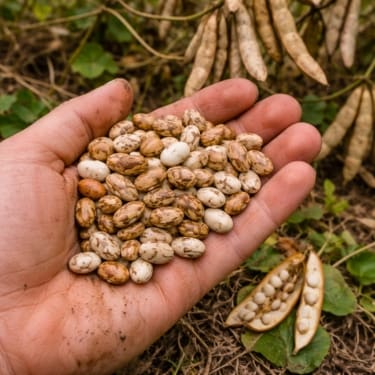
Tepary beans come from the Sonoran Desert and they’re one of the toughest legumes you can grow. Their roots dig deep to reach moisture that common beans can’t. The USDA plant guide notes that tepary beans complete their growth cycle quickly and pull soil moisture from well below the surface. That’s why traditional Southwest farmers were able to grow them with nothing more than seasonal rain.
Back in 1918, California had about 17,000 acres of tepary beans planted as a dryland crop. Now everybody has forgotten about them, but they never stopped being useful.
If you want to consume them, you can eat the dried seeds like any other bean or grind them into meal. The plants fix nitrogen in your soil too, so they improve the ground while they grow.
👉 You Won’t Believe What Happens When You Dip Eggs in Liquid Glass
Growing instructions:
- Plant after your last frost once the soil hits 70°F. Keep a space of 30 to 36 inches between rows.
- Pick a spot with well-drained soil and don’t worry about the heat. Tepary beans flower and set pods even above 105°F.
- Once they’re set, you can pretty much ignore them and they’ll continue to grow.
- Harvest when the pods dry out and start cracking open, then dry the seeds well before you store them.
Cowpea (Black-Eyed Pea)
If you’ve grown anything in the South, you know cowpeas. They handle heat and short dry spells better than almost any garden vegetable. Oklahoma State University’s production guide confirms that cowpeas produce crops without irrigation, but watering during bloom and pod set can double or triple your yield.
This plant will give you protein from the seeds and the vines work as forage or hay if you run livestock.
Growing instructions:
- Get them in the ground after the soil warms past 70°F. Mid-May through mid-July works across most of the southern U.S.
- Plant about 1 inch deep in heavy soil, or go down to 2 inches in sand.
- Bush types do well in rows 20 to 36 inches apart with seedlings thinned to 4 to 6 inches. Vining types need more room, about 42 inches between rows.
- Skip the nitrogen fertilizer. Too much pushes vine growth and you end up with fewer pods.
Prickly Pear Cactus
Prickly pear grows wild across the southern U.S. and gives you food and medicine from a plant you’ll never have to water. The pads work as a cooked vegetable once you burn or scrape the spines off, and the fruits are sweet enough to eat fresh or dry for later. You can even roast and grind the seeds into flour.
Native Americans used the pads as wound poultices and the spines as sewing needles.
Growing instructions:
- Cut a pad from an existing plant, let the cut end dry and scab over for about a week, then stick it upright in well-drained soil.
- Full sun. Sandy or rocky ground works best. Stay away from clay or anywhere water pools up.
- Once it roots, you’re done watering. It handles itself from there.
- It grows year-round in zones 8 to 11 (most of the South and Southwest). If you’re somewhere colder, grow it in a big pot and bring it inside for winter.
- When you harvest the fruit, wear thick gloves and burn off the tiny hair-like spines with tongs and a flame before you eat them.
Purslane
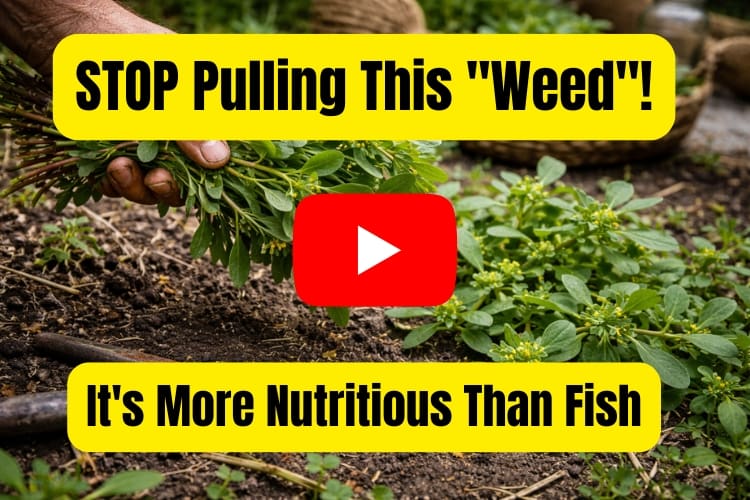
You’ve probably pulled this one out of your garden beds without realizing what you were throwing away. Purslane has more omega-3 fatty acids than some fish! It’s loaded with vitamins A and C and minerals. Even more, people have grown it as food for over 4,000 years.
The fleshy leaves store water, so the plant handles full sun and poor soil. You can eat the leaves, stems, and flowers raw or cooked. Old-time farmers fed it to their chickens to improve egg quality.
One note: purslane contains oxalates. If you’re prone to kidney stones, go easy on it.
I like purslane because it’s one of those plants that simply surprises you. It makes you wonder about what other “weeds” you’ve been throwing away. People grew it as food for over 4,000 years and Depression-era families ate it when there was nothing else on the table. It’s easy to see that it’s value here.
But getting back to the point, I was always curious about other plants that I ripped out of my garden without realizing their potential. After consulting The Lost Superfoods, I realized that a lot…
There are over a hundred foods like this that carried entire generations through wars, famines, and collapses. Foods that don’t need a fridge. Foods that last for years on a shelf. Foods that cost next to nothing to make. And almost nobody remembers how to make them anymore.
👉 Click here to see what other forgotten superfoods you could be stockpiling right now
Growing instructions:
- Sow seeds after your last frost, thin to about 4 to 6 inches, and water if you want the leaves to stay tender. Drought-stressed purslane survives fine, but the leaves get tough.
- Cut stems back to 2 inches above the crown and the plant pushes out new growth for another harvest.
- Warning: purslane reseeds like crazy. Pull unwanted plants before the seed capsules pop open, or you’ll find them in every garden bed you have.
Lamb’s Quarters
Lamb’s quarters is packed with vitamin C and minerals. The seeds work as a grain and the plant is a close relative of quinoa. During the Great Depression, families across America ate it as a spinach substitute when store-bought food was out of reach. Your great-grandparents might have survived on this plant.
Growing instructions:
- You might not have to do anything. Check your garden. It’s probably already there.
- If not, direct-seed in spring or summer and barely cover the seeds, about 1/8 inch deep. It grows in almost any soil, any pH, and handles drought once established.
- Harvest young leaves for salads or cooking. The older ones get bitter, so they are not tasty.
- For grain, let seed heads mature, then cut, thresh, and winnow. Grind the seeds into flour for bread or porridge.
- Don’t feed large amounts to livestock. High oxalate and nitrate levels cause problems.
Mesquite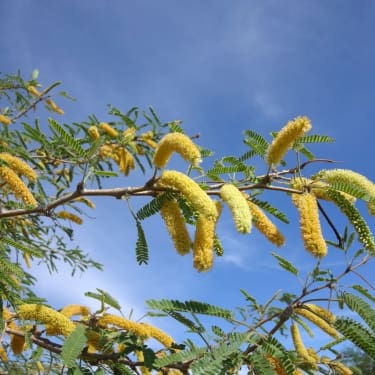
Mesquite trees grow across the arid Southwest and produce pods with up to 30% sugar. That’s sweeter than most fruits. Native Americans ground those pods into flour and used the resulting flour as a winter staple for generations. You can buy mesquite flour today as a gluten-free option, but growing your own tree costs nothing.
The roots spread wide and deep to find moisture. The wood smokes meat beautifully and the canopy works as a windbreak.
👉 Why Amish Farmers Make Circles of Ash Around Every Plant They Grow
Growing instructions:
- Plant seeds or nursery stock in spring. Give it full sun and well-drained soil. It does well in zones 6b to 9, which covers most of the southern half of the country and parts of the Midwest.
- Water young trees while they settle in, but once they establish, they take care of themselves.
- Keep mesquite away from water lines and foundations. The deep roots will find pipes and they will lead to problems.
- Pods ripen from June through late July. Pick the tan or red ones (skip green), snap them in half to taste for sweetness, then dry and mill into flour. It mixes well with wheat flour for bread or muffins.
Yarrow
Yarrow is a tough perennial that Native Americans relied on as a medicine cabinet in plant form. They crushed the leaves into poultices for wounds and burns, brewed dried foliage into tea for colds and fevers, and some tribes even made yarrow beer. A miracle plant with dozens of uses, and it barely needs a drop of water.
The problem is that you might have heard that yarrow is useful or even powerful, but you might have no idea what to actually do with it. Looking online will get a hundred different answers, most of them vague and some of them completely wrong and dangerous. How much do you use? Which part of the plant? Do you dry it first or use it fresh? Do you make a tea, a tincture, or a poultice? And what’s the dosage before it goes from helpful to harmful?
That’s exactly the gap Dr. Nicole Apelian spent 30 years trying to close. She’s an herbalist, a biologist, and someone who had to figure this stuff out for herself when she was diagnosed with MS back in 2000. She went from bedridden to thriving using the same kinds of remedies your grandmother probably made but never wrote down.
She saved 250 of them in The Forgotten Home Apothecary. Here you have everything organized by plants so you can find what you need fast, with step-by-step instructions, exact dosages, and color pictures for every single remedy. Even if you’ve never made anything like this before, you can open the book and follow along like a recipe.
👉 Click here to see what other remedies Dr. Nicole saved before they disappeared for good
The USDA plant guide says yarrow requires little to no irrigation. Only water if your area gets less than an inch of rain per week. It draws in pollinators too, so it can also help your garden be more productive.
Growing instructions:
- Start from transplants or scatter seeds on the soil surface after your last frost. Don’t bury them. They need light to germinate.
- Yarrow grows 2 to 3 feet tall and spreads through underground runners, so thin your clumps every few years, or it’ll creep into areas you didn’t plan for.
- Don’t fertilize or overwater. Both make the plant flop over and weaken its drought toughness.
- Pick young leaves for tea and cut flower stems when buds first open for drying.
- Mildly toxic to dogs and cats. Keep that in mind if they roam your garden.
Yucca
Yucca is native to the Southeast and Great Plains, and almost every part has a use. Native Americans ate the flowers raw or cooked, prepared the stems like asparagus, and dried and ground the roots into flour. The leaves give you strong fibers for rope and baskets.
Also, here’s something interesting that surprised me: crush or chew the roots, add water, and they lather into a natural soap. No need for chemicals or any type of processing. The Blackfeet and other tribes washed their hair and skin with it for generations.
Now, this will never be as effective as your regular soap, but it’s an amazing alternative use.
Growing instructions:
- Full sun, well-drained sandy or gravel soil. It survives winters as far north as zone 4 (think Minnesota, Montana), depending on species.
- Water only during the first season while it settles in. After that, leave it alone. Overwatering rots the roots.
- Propagate by dividing offsets from an established plant, or collect mature seed pods and sow in fall.
- Give your yucca a lot of space. Some varieties reach 16 feet tall.
- Watch those leaf tips. They’re sharp enough to draw blood. I’ve caught myself more than once walking past one.
Aloe Vera
You probably already know that aloe is the perfect choice when you want to make burn-soothing gel. But here’s what’s wild: people have used this plant medicinally for over 6,000 years. That makes it one of the oldest medicines on earth, and you can grow it on your windowsill.
👉 The Military Buried This Water Device. One Man Dug It Back Up
Cut a leaf, squeeze out the clear gel, and apply it to minor burns, scrapes, or bug bites. Homegrown medicine doesn’t get simpler than that.
Growing instructions:
- It only survives outdoors year-round in zones 10 to 12 (southern Florida, coastal California, Hawaii), so most of you will grow it in a pot. That works fine. It does great indoors or in a sunroom.
- Keep it in full sun to partial shade. Also, plant it in very well-drained soil. Cactus mix works for containers. Make sure the pot has drainage holes.
- Watering is simple: soak the soil, let it dry all the way through, soak again when needed.
- To propagate, pull the little offsets (“pups”) from the base of a mature plant, let the cut dry for a week, then pot it up.
- Go light on fertilizer in spring and cut watering way back in winter. Bring pots inside before it drops below 40°F.
- Mildly toxic to pets, so keep it somewhere they can’t reach.
What I Learned After That Drought
After I lost that garden in 2021, I started with just two plants from this list. Purslane and prickly pear. I figured if they could survive the desert and Depression-era farms, they could handle my yard.
The purslane came back on its own the next year. The prickly pear hasn’t needed a single drop of water from me since it rooted.
I still grow my vegetables, but now the driest, most neglected corner of my property that used to be a dead zone is finally useful.
If you’ve got a patch of land like that, try putting one of these plants there. You might be surprised what it turns into.
You may also like: 
How to Keep a Greenhouse Cool in Summer Without Electricity
Why This Navy SEAL Drops a Silver Coin Into a Blue Barrel of Water (Video)
The Native American Way To Self-Water Your Backyard
DIY Self-Feeding Keyhole Garden
How To Survive In A World Without Water