Think about how much muddy water shows up around your place in just one month.
The rain barrel goes brown because the roof was coated in dust and pollen before the storm hit. The stock tank churns up its own bottom and turns cloudy. Or if you’re among the lucky ones, you dip a bucket in the creek or the pond and it comes up looking just like weak coffee.
And every time, you have the same little standoff with yourself. You want to use that water, but it’s muddy, so you tip it out and go find cleaner water somewhere else.
But wait! That’s good water you just poured on the ground. It’s mostly clean, with some dirt floating in it, and out here water isn’t something you throw away on a whim.
So why dump it when you can pull the mud out instead? There’s a plant that does exactly that, and people were using it long before anybody had a water filter to buy.
Why The Mud Is Worth Getting Out
So why not just live with a little mud? Because it costs you more than you’d think.
That mud clogs your filters fast, so a cartridge that should last months gives out in weeks.
It wears on any pump you run the water through. And when silt settles in a trough, it hides whatever else might be down there.
So getting the mud out first is a plain necessity. It saves your gear and it saves you work.
How To Effectively Collect Water on Your Homestead
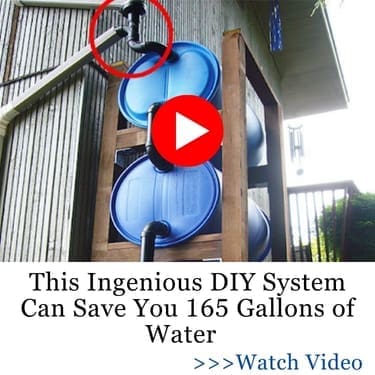
Having a rain barrel is the most popular one. But sometimes a single barrel is not enough. Especially if there’s a dry year. One barrel is not a reliable solution.
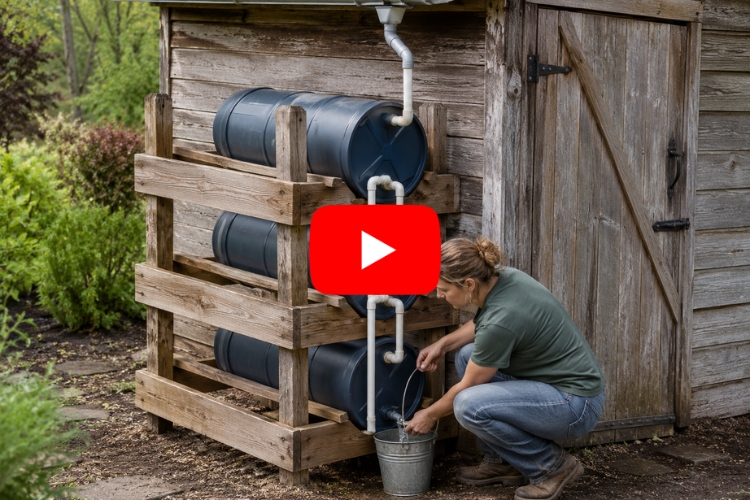
But how would it be to have more barrels? Most people avoid this because it sound logitstcaly complicated. But it isn’t. There’s a survival method that allows you to hold three water barrels at once and make them occupy a little space. Also, they will catch water from the same place. So, don’t imagine you’ll have a yard full of barrels.
If you want to see how to use this method, click here.
How a Cactus Pad Can Help You
The prickly pear cactus, the flat green paddle kind you’ve probably seen growing wild, holds a thick gooey gel inside its pads. People who cook with it call it nopal, and that slippery gel is called mucilage. It’s the same stuff that makes okra slimy.
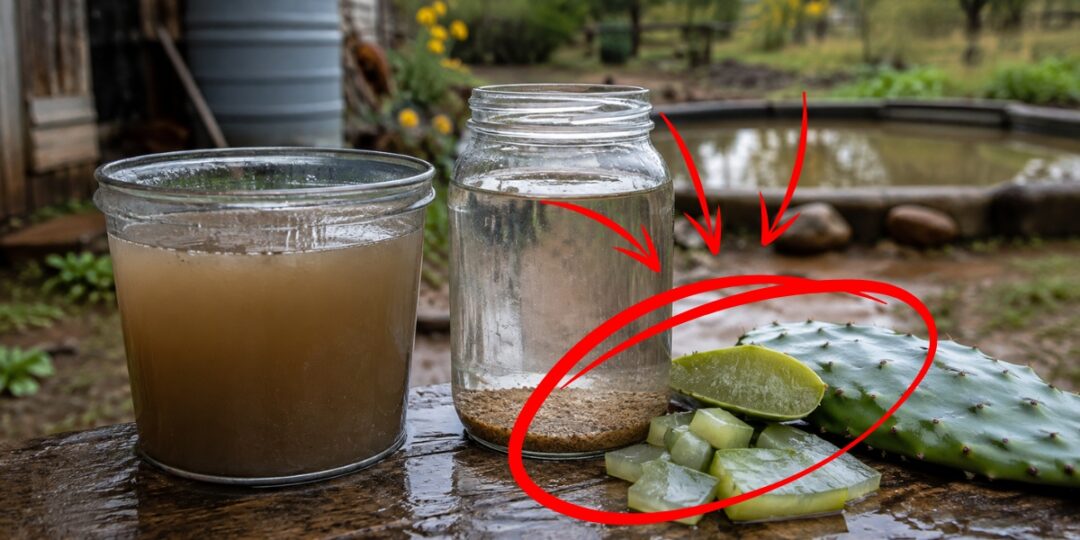
That gel does all the magic. When you mix it into cloudy water, it grabs hold of the specks of dirt and clumps them together into bits big enough to sink. The mud drops to the bottom and leaves clear water sitting on top.
Where This Trick Comes From
The person who put this in front of scientists didn’t find it in a lab. She found it on a farm.
Her name is Norma Alcantar, and she’s a chemical engineer at the University of South Florida. She first ran into this as a girl, helping her grandmother bring water up to the family farm in rural Mexico in the early 1900s.
There was no tap to turn on back then. You hauled your water from the river, and river water comes up muddy.
So her grandmother would boil a few pieces of prickly pear, pour that gel water into the muddy bucket, and wait. The dirt sank, and the water on top came clear enough to cook and clean with. She did it so often that it was just a normal part of getting water for the day.
Years later, Alcantar tested the old habit properly, and it held up. Her team even put it to work on real water in Haiti after the 2010 earthquake, when the pipes were wrecked and people needed a cheap way to clean up whatever water they could find. It worked there too.
So it started as an ordinary farm habit, and it turned out to be right once somebody bothered to check.
But this is just one of the old filtration methods people used in the past. There are many more out there.
Check out how the Amish filter the water they use on their farms.
Where You Can Find Prickly Pear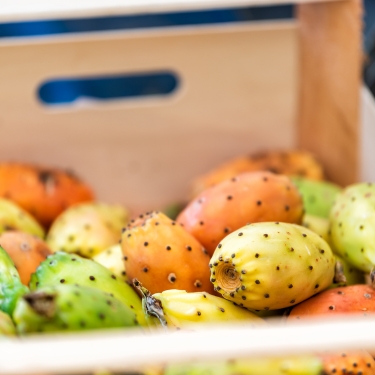
Now, you might figure this is a desert-only trick. But prickly pear grows across most of the country, not just the dry Southwest. It shows up wild in fields and along roadsides and on rocky ground in a whole lot of states, so there’s a decent chance it’s growing somewhere near you already.
If it isn’t, you can buy the pads. A lot of grocery stores carry them in the produce section, usually labeled nopales, and the store-bought ones often have the spines taken off for you.
Either way, you need to handle the pads with respect. They carry two kinds of spines: the long sharp ones you can see, and tiny hair-like ones called glochids that are almost invisible and miserable to get out of your skin. So wear leather gloves and use tongs, and singe the spines off over a flame or scrape them off with a knife before you do anything else.
How To Clear Water With a Cacuts Pad (Instructions)
Once you’ve got a clean pad, the process is simple. And you’ve got two easy ways to do it.
The quick way is to chop the pad into small pieces and drop them straight into your bucket of cloudy water. Stir it, then let it sit. The gel works its way out of the cut pieces and starts pulling the dirt down.
The better way is to boil it first. Cut the pad into chunks, drop them in a pot with a little water, and simmer for about ten minutes until the water turns thick and slippery.
That thick water is your mucilage. Let it cool, strain out the pieces, and stir the gel water into your muddy bucket.
Then you wait. Give it anywhere from five minutes to half an hour, and you’ll watch a line of clear water climb up from the top while the mud settles into a layer on the bottom.
When it’s clear, you carefully pour or siphon the good water off the top and leave the sludge behind. Start with a small amount of gel and add more only if you need it, because too much just leaves your water slick and slimy.
The first time Mark and I tried it, we dumped in way too much cactus and ended up with clear water that felt like dish soap. So go easy on it. A little goes a long way.
Can You Drink This Water?
Clearing the mud out is not the same as making the water safe to drink.
The cactus pulls out the dirt and a good deal of the bacteria, but it doesn’t get all of it, and it won’t touch the things you can’t see, like chemicals or the rest of the germs. Even the researchers who tested it said the water still wasn’t safe to drink straight after.
So think of the cactus as a first step for water purification. It gets the silt out so your real filter doesn’t clog in five minutes, and so your water’s already clear before you boil it or run it through purification.
But if you want to use that water around the homestead, it doesn’t need to be clean enough to drink anyway. For watering the garden and filling the troughs and washing up outside, clear water straight out of the bucket is plenty.
Also, if you want to generate clean water on your homestead, you can try using an AWG.
This stands for Atmospheric Water Generator, and you can see how one works here.
Final Thoughts
I see this as a truly resourceful method that helps you make the most of the water you already have. I know very well that muddy water might look ugly and this might make you not want to use it, but this cactus trick takes care of that in just a couple of minutes.
You may also like:
Why Tap Water Might Be Slowly Killing Your Garden
Why Does This Navy SEAL Drop a Coin into All of His Ble Barrels? (Video)
9 Plants That Grow With No Water
The Only Way to Save Your Garden and Produce Water When It Doesn’t Rain
These 10 Watering Mistakes Waste 50% of Your Water