
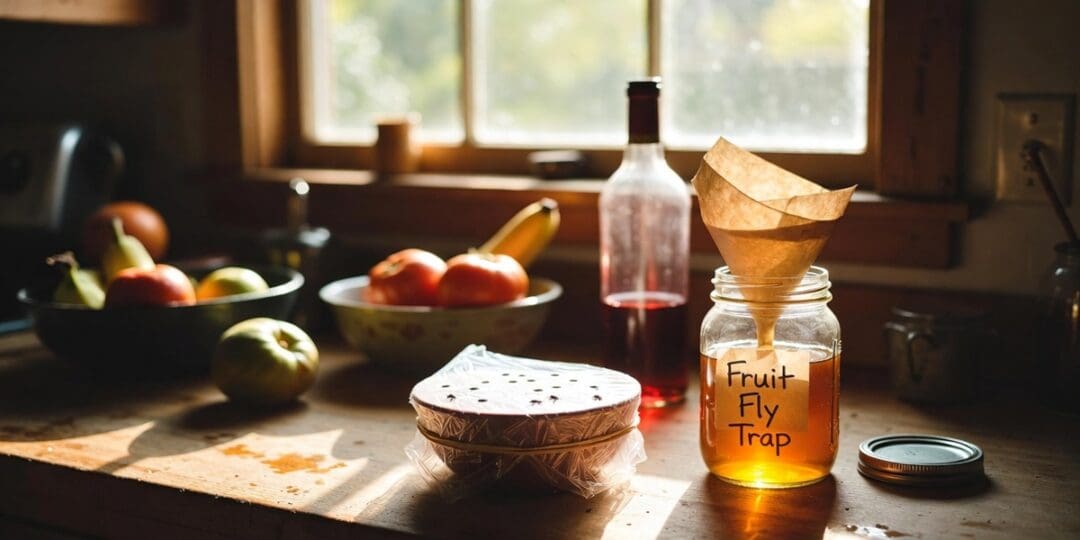
If you have ever set a bowl of peaches on the counter and walked back five minutes later to find a cloud of tiny flies hovering over it, you already know how fast a fruit fly problem can spiral out of control. One day there are three of them. A week later your kitchen feels like a science experiment gone wrong.
The good news is that you do not need to spend money on store-bought traps loaded with synthetic attractants or call a pest control company. A DIY fruit fly trap made from things already in your pantry will outperform most commercial options and costs almost nothing to make.
This guide covers seven proven homemade fruit fly traps, why they work, and exactly how to build each one, so you can take back your kitchen starting today.
Understanding Fruit Flies Before You Trap Them
The tiny flies swarming your fruit bowl are almost certainly Drosophila melanogaster, the common fruit fly. They are not coming in from outside to find your fruit. In most cases, they were already in your home, hatched from eggs laid inside or on the skin of fruit before you ever brought it home from the store.
A single female fruit fly can lay up to 500 eggs in her short lifetime, and those eggs hatch in as little as 24 hours under warm conditions. This is why populations seem to explode overnight. You are not dealing with a slow invasion. You are dealing with exponential reproduction happening right on your counter.
Fruit flies are attracted to the volatile compounds released by fermenting and overripe organic matter, particularly acetic acid, which is the primary component of vinegar, and ethanol, which is produced as fruit sugars ferment. Every effective DIY fruit fly trap exploits one or both of these attractants.
Controlling them requires two things: trapping and eliminating the adults currently flying around, and removing the breeding sources so no new generations hatch to replace them.
Before You Set Any Trap: Remove the Breeding Source
No trap, homemade or commercial, will solve a fruit fly problem permanently if the breeding source remains. This step is non-negotiable.
Check every piece of fruit on your counters and in your fruit bowl. Remove anything overripe, bruised, or beginning to ferment. Check beneath appliances where fruit or vegetables may have rolled and been forgotten. Empty your compost bin or move it outside. Rinse your recycling thoroughly, especially bottles and cans that held juice, beer, or wine. Clean your sink drain with a stiff brush and a flush of boiling water, as fruit flies frequently breed in the organic film that builds up inside drains.
Once the breeding sources are gone, your traps will clear the remaining adults within a few days rather than fighting a losing battle against constant reproduction.
 1. Apple Cider Vinegar and Dish Soap Trap
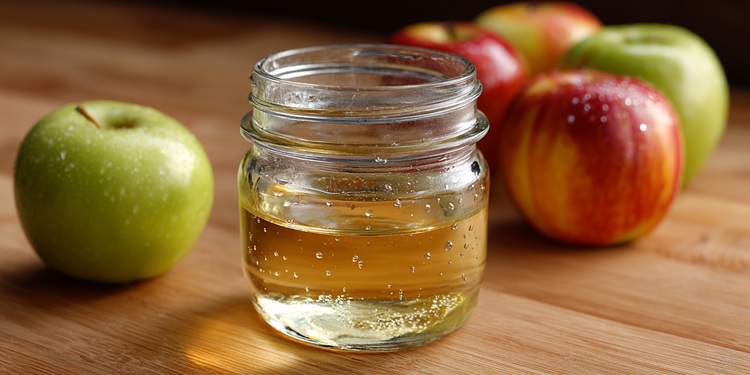
This is the most effective all-around DIY fruit fly trap and the one most homesteaders reach for first. It works because apple cider vinegar closely mimics the fermentation smell of overripe fruit, drawing flies in from across the room. The dish soap breaks the surface tension of the liquid so flies cannot land and escape. They sink and drown.
What you need: A small glass or jar, apple cider vinegar, a few drops of liquid dish soap.
How to make it: Pour about half an inch of apple cider vinegar into the jar. Add two to three drops of dish soap and stir very gently so the soap disperses without creating suds. Do not cover the jar. Place it near your fruit bowl or wherever fly activity is highest.
The trap works within hours. Check it daily and replace the solution every two to three days as it loses potency.
Pro tip: Slightly warming the apple cider vinegar for 10 seconds in the microwave before pouring it releases more volatile compounds and increases its attracting power significantly.
 2. Paper Funnel Jar Trap
This variation adds a physical barrier that prevents flies from escaping once they enter. It is slightly more work to build but catches flies alive, which some people prefer, and tends to accumulate larger numbers before needing to be emptied.
What you need: A mason jar or any wide-mouthed jar, a sheet of paper, tape, apple cider vinegar or a small piece of overripe fruit.
How to make it: Add your attractant to the jar, either a splash of apple cider vinegar or a small chunk of very ripe banana or peach. Roll the paper into a cone shape with a small opening at the narrow end, roughly the diameter of a pencil. The cone should fit snugly into the mouth of the jar with the narrow tip pointing down toward the attractant. Tape the seam of the cone so it holds its shape. Flies follow the scent down into the cone and cannot figure out how to fly back up through the small opening.
Empty the trap by submerging the jar opening in a bowl of soapy water to kill the trapped flies before disposing of them.
 3. Plastic Wrap Trap
This is the fastest trap to set up and works extremely well as an overnight solution when you need results quickly.
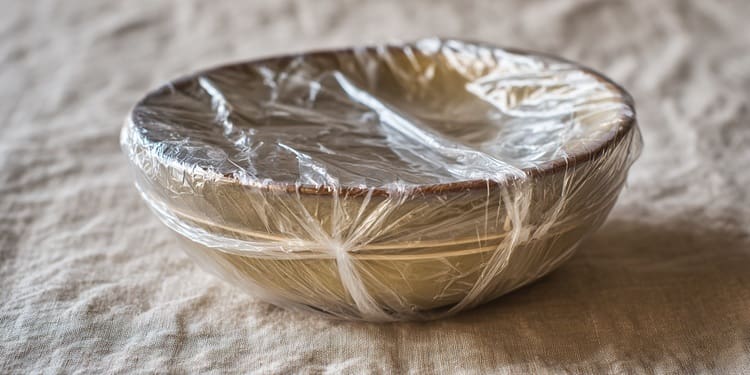
What you need: A bowl or glass, overripe fruit or apple cider vinegar, plastic wrap, a rubber band, a toothpick.
How to make it: Place a small piece of very ripe or slightly rotting fruit in the bottom of the bowl. Cover the top tightly with plastic wrap and secure it with a rubber band so there are no gaps around the edges. Use a toothpick to poke 8 to 10 small holes in the plastic wrap, just large enough for a fruit fly to enter. The flies are drawn to the fermenting scent, enter through the holes, and then cannot find their way back out.
Leave it overnight. In the morning, take the trap outside before removing the wrap, or submerge it in soapy water.
 4. Red Wine Bottle Trap
If you finish a bottle of red wine and leave a small amount in the bottom, you have already built one of the most effective fruit fly traps available. Red wine contains both ethanol and acetic acid, making it nearly irresistible to fruit flies. The long, narrow neck of the bottle acts as a natural funnel that keeps flies from escaping.
What you need: An empty wine bottle with a small amount of red wine remaining, or a clean bottle with a splash of red wine poured in.
How to make it: Simply leave the bottle on the counter with its cork off. If the bottle is completely empty, pour in just enough red wine to cover the bottom, about two tablespoons. You can also add a drop of dish soap to the wine to ensure flies that land on the surface cannot escape.
This is the most effort-free trap on this list and one that fits naturally into a homestead kitchen where nothing goes to waste.
 5. Overripe Fruit Bag Trap
This trap turns the source of your fruit fly problem into the solution. It is particularly useful when you have fruit that has gone too far to eat but still has enough fermentation activity to be a powerful attractant.
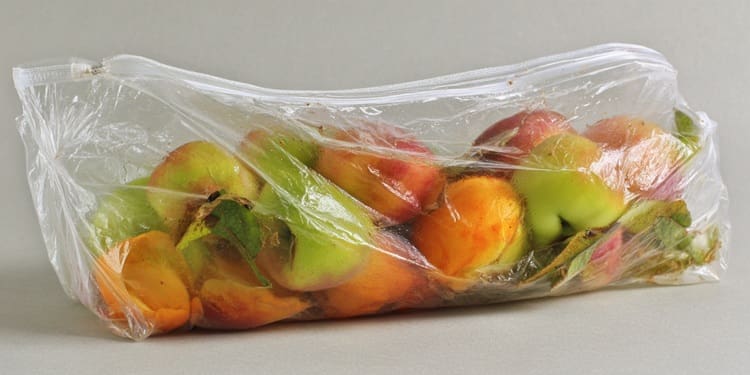
What you need: A zip-lock bag or produce bag, overripe fruit, apple cider vinegar (optional).
How to make it: Place the overripe fruit inside the bag and leave it slightly open, just enough for flies to enter. You can enhance the attractant by adding a splash of apple cider vinegar. Once a large number of flies have gathered inside, quickly seal the bag and dispose of it in an outdoor trash bin. Replace it with fresh bait if the problem persists.
This works especially well in pantries and under-sink cabinet areas where fruit has been forgotten.
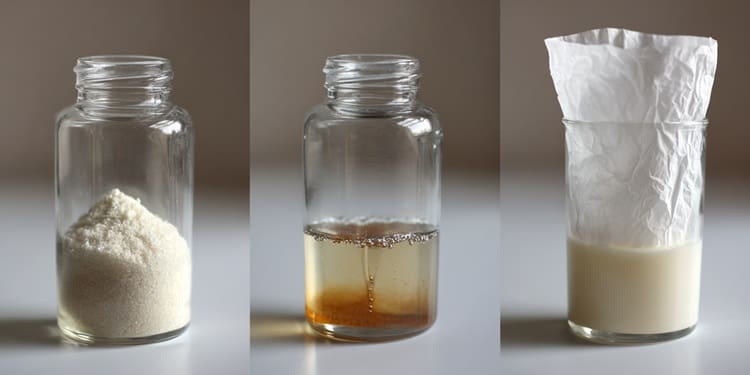 6. Yeast and Sugar Trap
Fermenting yeast produces carbon dioxide and ethanol, two powerful fruit fly attractants. This trap is worth making when you do not have apple cider vinegar on hand and is particularly effective for large infestations.
What you need: A plastic bottle or jar, warm water, sugar, active dry yeast, dish soap.
How to make it: Mix half a cup of warm water with one teaspoon of sugar and stir until dissolved. Add a quarter teaspoon of active dry yeast and stir gently. Pour the mixture into your bottle or jar and add one drop of dish soap. Leave the container uncovered or covered with a paper funnel as described in trap number two.
The yeast will begin actively fermenting within 20 to 30 minutes, producing a steady stream of attractant gases. Replace the mixture every two days as the yeast activity slows.
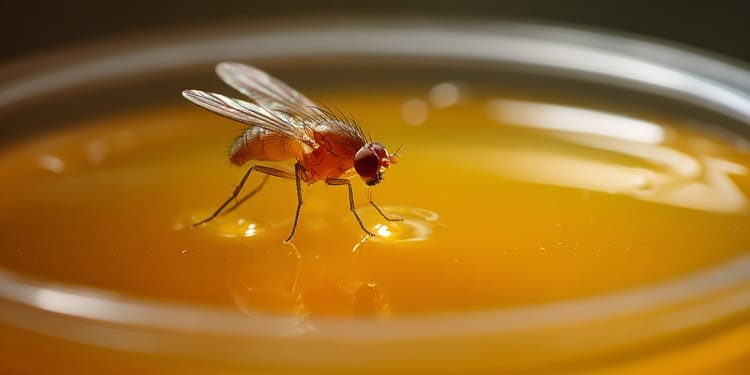 7. Store-Bought Enhancer: When to Upgrade Your DIY Trap
Occasionally a fruit fly infestation is severe enough that even well-built homemade traps need a boost. In these cases, you can dramatically increase your trap’s effectiveness by adding a commercial fruit fly lure to your existing DIY setup.
TERRO Fruit Fly Traps use a food-based liquid attractant that can be poured into any container trap you have already built, essentially giving you a professional-grade attractant inside a homemade trap housing. This hybrid approach keeps costs low while significantly improving catch rates for heavy infestations.
This is not a recommendation to abandon DIY methods. It is an honest acknowledgment that on a working homestead where large quantities of produce are being processed and stored, sometimes you need every advantage available.
Where to Place Your Fruit Fly Traps for Maximum Effectiveness
Placement matters almost as much as the trap design itself. Fruit flies navigate primarily by smell, so your goal is to position traps where the attractant scent will intercept flies traveling toward their preferred food sources.
Place at least one trap directly next to your fruit bowl or produce storage area. Put a second trap near your kitchen sink and drain, where organic matter accumulates. If you have an indoor compost bin, place a trap within a foot of it. In summer months when flies are most active, a trap near any open window or door helps catch incoming flies before they reach your food.
Never place traps inside a cabinet or enclosed space. The lack of airflow prevents the attractant scent from dispersing and dramatically reduces the trap’s effectiveness.
How Long Does It Take for a DIY Fruit Fly Trap to Work?
Expect to see flies in your trap within one to two hours of setting it up, assuming the breeding source has been removed and the attractant is fresh. Peak catch rates typically happen overnight, when kitchen activity is low and the trap scent has time to accumulate in the air.
Most homesteaders report seeing a dramatic reduction in fly numbers within 48 to 72 hours when using multiple traps simultaneously. A complete elimination of an established population typically takes 5 to 7 days, which corresponds roughly to the adult lifespan of the flies already present when trapping begins.
If you are still seeing significant fly activity after 7 days of active trapping, there is almost certainly a breeding source you have not found yet. Common overlooked sources include a forgotten potato or onion in a cabinet, organic buildup deep inside a sink drain, or a recycling bin that has not been thoroughly rinsed.
Preventing Fruit Flies From Coming Back
Once you have won the battle, keeping fruit flies out is far easier than eliminating them after an infestation.
Store ripe fruit in the refrigerator rather than on the counter during warm months. Wash produce immediately after bringing it home, as eggs on the skin of fruit are the most common way infestations begin. Empty your indoor compost bin daily or every other day during summer. Keep a small ongoing apple cider vinegar trap on your counter year-round as an early warning system. Clean your sink drain weekly with boiling water and a drain brush.
On a homestead where large amounts of produce are being harvested, processed, and stored, these habits become especially important. The more organic material moving through your kitchen, the more vigilant your prevention habits need to be.
Final Thoughts
A fruit fly problem feels overwhelming when you are standing in the middle of it, but the fix is genuinely simple and almost free. A jar, some apple cider vinegar, and a drop of dish soap will handle the majority of infestations in less than a week.
The real lesson here is the same one that runs through every worthwhile homesteading skill: understanding why something works gives you the ability to improvise when you do not have the exact right tool. Now that you know fruit flies are chasing fermentation compounds, you can turn almost any fermenting liquid in your kitchen into an effective trap.
Build two or three traps today. Remove your breeding sources. Check back in 48 hours. You will be surprised how fast your kitchen returns to normal.
For persistent or unusually large infestations, consider consulting your local cooperative extension service for region-specific advice. In the United States, the National Pesticide Information Center (NPIC) at npic.orst.edu offers free guidance on pest management without the use of harmful chemicals.
Turn Everyday Problems Into Practical Survival Skills
The simple fruit fly traps in this guide highlight something every prepper eventually learns: the most powerful solutions are often the ones you can build yourself with basic materials already around your home.
A jar, a little vinegar, and a drop of soap can solve a problem that many people assume requires store-bought chemicals or expensive pest control. That kind of thinking — using simple materials to solve real-world problems — is the foundation of self-reliance.
But pest control is only one small piece of a much bigger picture.
What happens when the power is out for weeks?
What happens when your water stops running?
What happens when you need to cook, light your home, or produce food without the grid?
That’s where No Grid Survival Projects becomes incredibly valuable.
This hands-on guide shows you how to build practical off-grid systems using simple tools and affordable materials, many of which can be assembled in a weekend. Instead of relying on fragile infrastructure, you learn how to create reliable systems that work anywhere.
Inside you’ll discover step-by-step instructions for projects like:
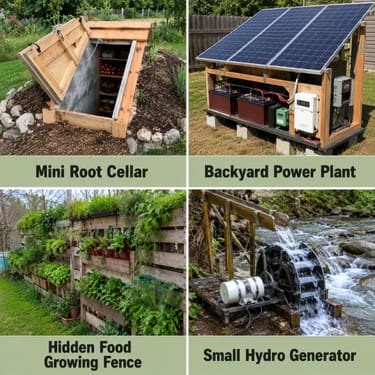
- A powerful DIY solar generator to keep lights, radios, and small appliances running during blackouts
- An off-grid water filtration system that turns questionable water into drinkable water
- A gravity-fed rainwater collection system for long-term water independence
- A rocket stove cooking system that uses tiny amounts of fuel
- A DIY root cellar to store food without electricity
- Simple food preservation systems that extend harvests for months
- Emergency lighting solutions that work without the grid
These projects are designed specifically for people who want real resilience, not complicated technology that fails when things get difficult.
The truth is that preparedness isn’t just about stockpiling supplies.
It’s about learning how to solve problems with the resources you already have.
And once you start building a few of these systems, you’ll quickly realize something empowering:
You don’t need to depend on the grid nearly as much as you think.
If you’re interested in taking your self-sufficiency to the next level, take a look at No Grid Survival Projects and the practical systems it teaches you to build.
👉 Discover the projects that can help keep your home running — even when everything else shuts down.
Because real preparedness isn’t just about surviving emergencies.
It’s about building a life that works with or without the grid. 🔧🌿
You may also like: 
7 Natural Ways To Get Rid of House Flies
How to Make Bark Bread from a Tree that Grows on Almost Every Street in America (Video)
Apple Orchard Pests: How to Identify, Prevent, and Control Them
20 Plants That Attract Birds to Your Garden
The Unseen Garden Pests You’re Accidentally Feeding
















1