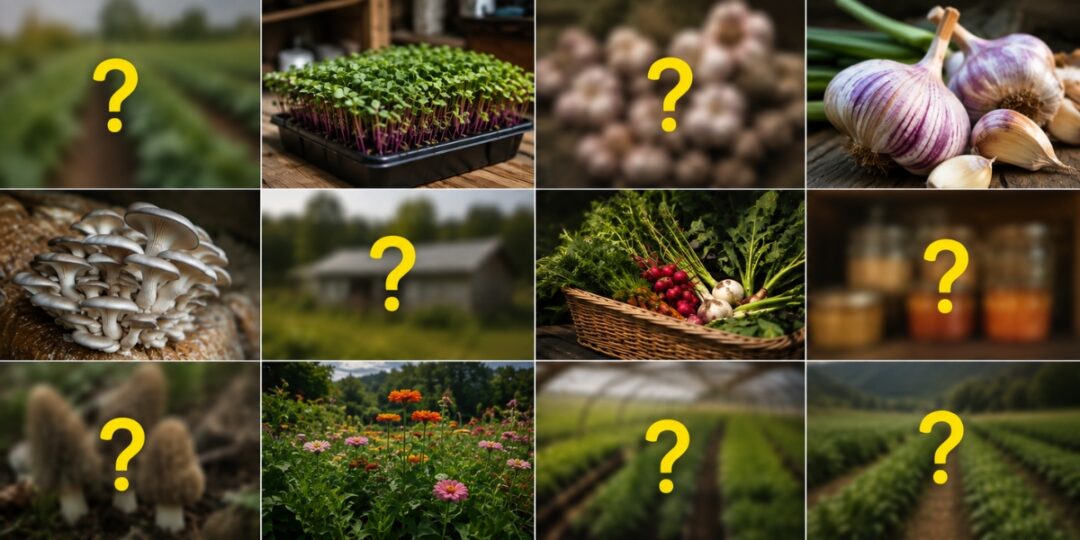
How would it be to cover all your property taxes, feed bills, truck repairs, and other expenses without needing to do anything other than homesteading?
There are a few decisions you can make that would lead to this result, but probably the easiest one is to know which crops to plant and sell. There are some crops out there that put real money in your pocket and I want you to know all about them.
Who knows? Maybe this is what you’re supposed to do with your life. Do what you love and make money out of it.
Maybe you grow food just to feed your family and this is completely ok. But if you feel like your calling is to sell what you grow, these tips can help you start a small business. And sometimes you don’t even need to do this for a living. Maybe one summer you have more food than you really need. Why not sell the extra?
So, here are the crops that pay the best.
Microgreens
If you want money fast, this is where you start. Microgreens are just baby vegetables and herbs you harvest a week or two after they sprout, when they’re packed with flavor. You grow them in shallow trays on a shelf, so you don’t need a single square foot of ground.
A single tray can bring you twenty to fifty dollars, and you can turn that tray around in under two weeks. Chefs love them for plating, and health-minded shoppers pay a premium for something that fresh.
Here’s my favorite proof that this works. A grower named Michael Braman started Brickhouse Growers on one shelf in his living room in Orem, Utah. About a year later, he was selling to around twenty restaurants and pulling in roughly three thousand dollars a week.
And he’s not the only one. Another grower who runs a small operation called The Little Farm That Could pulls over $1,000 a week from about 240 square feet. So don’t let a small homestead stop you.
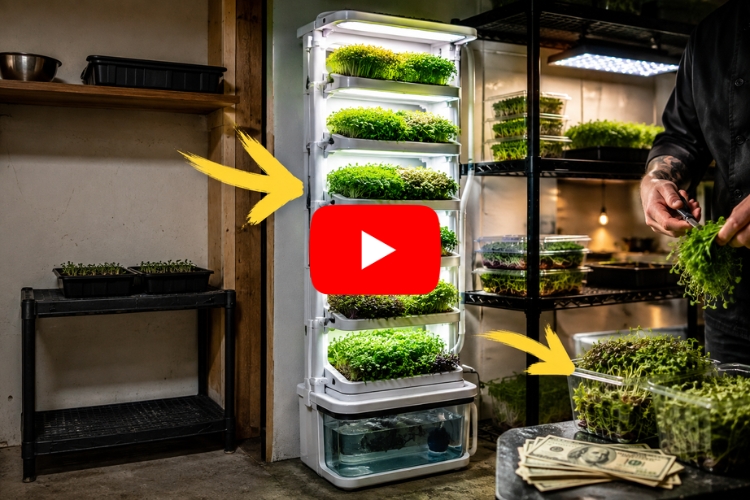
One of the best ways to start growing microgreens is by using a hydroponic system. This is a way of growing microgreens that relies solely on water, so no soil is involved.
This method is clean, fast, and ready to harvest in 7 to 14 days.
But the project I’m about to tell you is more than that. Is one of the most ingenious ways to implement hydroponics on your homestead. It’s a well-documented method and is implemented by commercial farms and indoor growers. So you’ll be using the same method the pros are cashing in on.
Besides not using soil, this system offers you another huge advantage: it takes mostly vertical space. This means you can build it even on the smallest homesteads. How is this evne possible? Because it’s a tower system. This is how big commercial farms are maximizing their space. Using technologies like this one.
If you’re thinking of growing microgreens, this is the method I personally recommend because it’s known to give a beautiful harvest. Also, if you’re not a fan of microgreens, I want you to know that you can grow many other vegetables using this.
See how to build a microgreens hydroponic tower here.
Gourmet Garlic
Garlic is the crop I tell every beginner to try, because it’s almost impossible to mess up and it stores for months. But the grocery-store bulbs aren’t the ones that will make you money.
If you want money, you want to go with the hardneck kinds like Rocambole, Porcelain, and Purple Stripe, the ones with real flavor and a story behind them.
Local, chemical-free garlic often sells for three to five times what the imported stuff goes for. And you get a bonus crop in late spring called scapes. These are the curly green tops, which restaurants and market shoppers want to buy immediately.
Plant it in the fall, cure it in the summer, and here’s the smart part. You can hold your cured garlic and sell it through winter when everybody else has run out and prices climb. You can also sell your best bulbs as seed garlic to other growers, and that’s often the highest price of all.
Specialty Mushrooms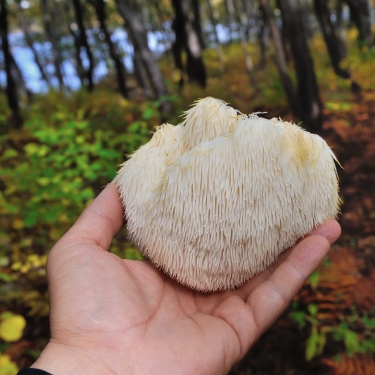
Mushrooms feel intimidating until you grow some, and then you’re hooked. Oyster mushrooms are the easiest, and they’ll fruit in about two weeks. Shiitake and lion’s mane take longer but bring higher prices.
Lion’s mane is also very popular among herbalists and this opens up another market for you. This mushroom is recognized for its brain and nervous-system support.
For example, this lion’s mane tincture is well-known among herbalists as a powerful botanical that supports cognitive and nerve function, promotes increased energy, and eases symptoms of stress. It’s also one of the tinctures I use.
The thing with mushrooms is that you can grow all of them in a garage or a basement, so this is a crop for you even if you don’t have open land.
When it comes to price, fresh gourmet mushrooms sell for around eight to sixteen dollars a pound at retail, and you’ll do better than that selling straight to a chef.
One nice thing. In most states, a cultivated mushroom counts as fresh produce, so the paperwork to sell is simpler than it is for canned goods or baked items. Check your own state’s rules before you set up a table. And what you don’t sell fresh, you can dry, because dried shiitake and lion’s mane keep a long time and ship easily.
If you’re still thinking about selling mushrooms but you are more adventurous and don’t want to grow them, depending on where you live, you have the option to forage them.
The most popular type of mushrooms people forage for profit are morels. The only thing is that you must be very careful because morels have a toxic twin called false morel. These are extremely toxic and can make you very sick.
If you want to be sure you are picking the correct mushrooms, a foraging guide with maps and photos would be your perfect partner in this quest.
Cherry and Heirloom Tomatoes
Tomatoes seem too plain to bother selling, but the right tomato changes your mind fast. Cherry tomatoes give you a heavy yield off a small space, and heirlooms, those lumpy, ugly, gorgeous ones, sell themselves.
Once someone tastes a real tomato after a winter of pink grocery-store ones, they’ll pay whatever you ask and come back next Saturday for more. Cherry tomatoes sell wonderfully by the pint as a snack, and heirlooms move fast when you let people taste one first.
If there’s a small grocer or a CSA near you, ask about adding your extras to their boxes. That’s steady money you don’t even have to stand at a table for.
Also, the Amish are well known for their heirloom varieties. If you ever went to a farmers’ market and tasted a tomato from an Amish stand, you know what I am talking about. Their tomatoes have the perfect balance between sweet and sour and this makes them ideal for both cooking and canning.
Click here to learn more about Amish heirloom seeds and tomatoes.
Fresh Culinary Herbs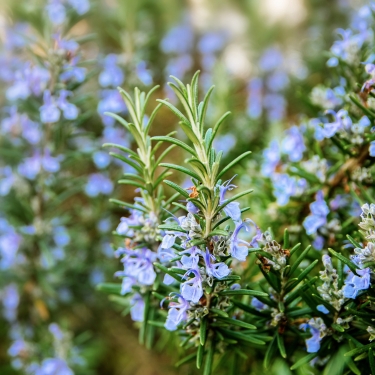
Herbs cost you almost nothing to start and give back all season. Basil, cilantro, and dill are the big sellers, and you can cut them again and again from the same plant.
Think about those tiny plastic clamshells of herbs at the store and what they charge for a few sad sprigs. You can undercut that and still make a good markup selling fresh bunches at the market or to a local kitchen.
You can also sell live potted herbs, which shoppers love because the plant keeps giving them cuttings at home. And restaurants are steady herb buyers, since they burn through basil and cilantro faster than anything.
Another thing that sells amazingly well is medicinal herbs. I’m actually one of those people who sell medicinal herbs. I have my own little garden and I’ve told you about it a couple of times. This is one of my main side hustles since I started the homesteading life.
This is why I can wholeheartedly recommend you buy 100% organic non-GMO seeds from here. These seeds are produced here, in the U.S., and are the ones I reach for every year.
If you’re seriously thinking about getting one pack for yourself, I advise you to grab it right now because later in the spring everybody orders them and they’re always out of stock. Been there, done that…
Get your own non-GMO medicinal herb seeds.
Cut Flowers
Flowers surprised me. I always thought of them as pretty, not profitable, but they turn out to be one of the best small-space earners going.
Zinnias and dahlias are the ones to start with. Zinnias grow fast and bloom all summer, and dahlias make more tubers every year, so your stock grows for free. Brides and event planners will pay real money for local, in-season blooms, and market bouquets sell out fast.
Your startup cost is next to nothing, just a packet of seeds and some good soil. And once you’ve got regulars, a weekly bouquet subscription through the summer gives you money you can count on.
Elderberries
Here’s one for patient people. Elderberry is a shrub you plant once and harvest for years, and it asks very little of you once it’s settled in.
The demand took off with all the interest in immune syrups and tinctures. For example, this Elderberry Tincture is one of the most sought-after tinctures in Nicole’s Apothecary due to its traditional use in immunity support.
If you have a bunch of elderberries, you can sell the berries themselves, and cooperatives like the Midwest Elderberry Cooperative buy from small growers in volume. Or you can turn them into syrup yourself and keep more of the money.
See how to make Immune-Boosting Elderberry Syrup.
Elderberry is also forgiving about where it grows. It’ll take a damp, low corner of your land that won’t do much else, which makes it a smart use of ground you were about to give up on.
Baby Ginger
Ginger sounds like a tropical crop you couldn’t possibly grow up north, but baby ginger is different. You grow it in containers or a high tunnel, and it’s ready to pull in a single season before the frost hits.
Click here to see how to build a proper container garden.
Baby ginger is tender, pink-tipped, and doesn’t even need peeling, and market shoppers and chefs go a little crazy for it because they’ve never seen it that fresh. It fetches a premium price for exactly that reason.
Turmeric grows the same way and sells to the same buyers, so a lot of growers plant both in the same tunnel. And ginger stores well, so you’re not forced to sell it all the week you dig it.
Saffron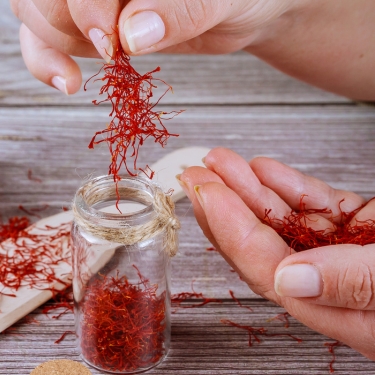
Once you see the price tag for this, you won’t forget it. Saffron is the most expensive spice in the world, and it comes from the three little red threads inside a fall-blooming crocus.
You plant the corms in late summer, they bloom in fall, and you pick the threads by hand. That handwork is the whole reason it costs so much. You don’t need much room at all, and bakers, specialty food shops, and direct online buyers will pay dearly for the real thing.
And here’s the part I like. The corms are perennial and they multiply underground, so a small planting grows itself into a bigger one over a few years. You put in the work once and harvest every fall after that.
American Ginseng
And now the crop they call green gold. If you own a shady patch of hardwood forest, you’re sitting on something valuable and you might not even know it.
Ginseng grows wild under the trees across the eastern United States, and you can plant it the “wild-simulated” way, which means you scatter seed in the woods and mostly leave it alone. The catch is patience. A good root takes eight to ten years.
But the payoff is worth the wait. Good quality wild-simulated ginseng sells for upwards of $800 a dry pound, and buyers are not hard to find. New York State alone keeps a list of more than three hundred registered ginseng buyers, and most of the roots head to Asia where the demand never quits.
One word of caution before you dig. Ginseng is protected, and most states set a harvest season and rules for selling it. So check with your state before you plant or pull a single root.
Before You Pick Your Crop
If you’re thinking to start selling, you don’t need all of these crops. That’s the mistake I see all the time: trying to grow everything at once and failing at all of them. Pick one or two that fit your land, your climate, and the buyers near you, and start small.
Find out who’s buying before you plant. If you can’t sell it, all you’ve grown is useless. Talk to people, walk into a restaurant kitchen, ask around. This is the secret of getting big in this business.
This is how I actually started selling my remedies and medicinal herbs. I offered some to my neighbors when they were sick and they were taken by surprise by how well they worked. Then they recommended me to friends and other neighbors. And I started to talk to people and offer them my help until everybody from our area knew me for my little herb garden.
You may also like: 
Too Much Zucchini? 10 Smart Ways to Use and Preserve It
Deadly Water Mistakes to Avoid… (Video)
11 Scam Items Homesteaders Fall For
These 7 Homesteading Skills Pay for Themselves in Under a Year
You’re Not a Real Homesteader if You Don’t Grow This…