You’ve got your potatoes hilled, your tomatoes staked, and your beans climbing. That’s solid work, and it covers the basics. But if your garden plan looks the same every single year… You’re missing out on: nutritional value, soil value, and maybe even cash value.
There’s one crop that most homesteaders have either ignored or seriously underestimated, and it checks nearly every box that matters for real self-sufficiency. It’s ancient, tough as nails, and it’s been feeding people for thousands of years. Even the Aztec empire relied on this grain! Here’s why you should bring it back to life in your homestead.
What Are High-Impact Crops and Why They Deserve a Spot in Your Rotation
Out of roughly 300,000 plants we know are edible, only about 30 of them make up most of the world’s food supply. This happens because big agriculture picked its favorites based on what works at scale. Mass farming doesn’t care about variety, but your homestead absolutely should.
The crops that got left behind are often the ones that grow well in tough conditions, pack more nutrition into less space, or pull double duty as food and animal feed. These plants were grown by families feeding themselves off their own land.
These are the crops that are “overlooked but worth growing.” These are the plants with hundreds or even thousands of years of real use behind them that just got pushed aside when industrial farming took over.
And speaking of overlooked growing crops and methods that most people walk right past, here’s one that caught me completely off guard. The Amish have been using a technique to grow potatoes that barely needs any soil at all.
The way this works is surprisingly simple and it’s the kind of low-cost method that fits perfectly on a homestead where space and good soil aren’t available at all.
If you ever struggled with limited garden beds and you want to see how to get more food out of your ground, this video is definitely worth your time. See the secret the Amish figured out a long time ago, and the rest of us are only now catching on.

Meet Amaranth: The Ancient Grain That Fed an Empire
This is a grain plant that’s been around for thousands of years but barely gets the respect it deserves in modern gardens.
Amaranth was a cornerstone of the Aztec diet. It was so important to their way of life that when the Spanish showed up and wanted to crush Aztec culture, they made it illegal to grow, and whoever still planted it was punished by death. That’s how powerful this crop was.
Despite all of this, it survived anyway, kept alive by small farmers across Central America and parts of Asia.
Today, you can buy amaranth seeds from just about any heritage seed company in the U.S. It grows well across the whole country, and it’s ready to do real work on your homestead. Most people have no idea what this plant is capable of, and I think that gap is your opportunity to get ahead and create a garden that can actually feed you.
Why Amaranth Outperforms the Usual Garden Staples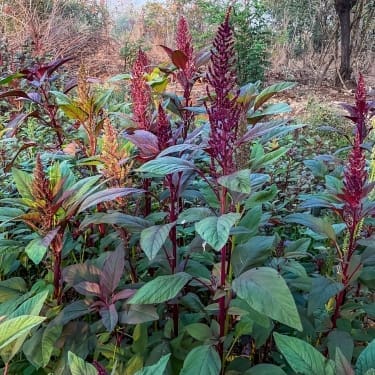
This grain is perfect for anyone who values good quality over quantity. It is incredibly nutritious and will not take up too much space in your pantry. For example, one small container of dried amaranth can provide multiple hearty meals, because it expands well when cooked and delivers far more nutrition per bite than most common grains.
If you want protein, say no more, because amaranth packs about 13–18% of it, which beats wheat, oats, and rice by a good margin.
On top of the protein, you’re getting good amounts of iron, calcium, magnesium, and fiber. The young leaves are loaded with vitamins A and C, along with even more calcium and iron.
So what you’re really getting is two crops in one: fresh greens while it’s growing and a high-protein grain when you harvest. Getting this much for your buck is really hard to match in any garden.
Growing Amaranth for Your Homestead
Amaranth loves warm weather, so don’t jump the gun on this one. Wait until after your last frost when the soil feels warm to the touch. Roughly the same time you’d put in your peppers and tomatoes.
Plant the seeds about an eighth of an inch deep, just barely covered. They’re tiny, almost like dust, so I’d suggest mixing them with a pinch of sand to help you spread them more evenly. Space your rows about 18 inches apart, and once the little plants come up, thin them out to about 6–10 inches between each one.
Give your amaranth a spot with full sun, six to eight hours a day at a minimum, and soil that drains well. It doesn’t need rich ground. Average garden soil works just fine.
👉 What Happens if You Dip Eggs in Glass?
Water regularly while the seeds are sprouting and the plants are young, then ease off once they get going. Drowning mature amaranth is honestly a bigger problem than letting it get a little thirsty.
These plants are built to handle rough conditions. Once summer heat kicks in, they’ll shoot up fast, anywhere from 4 to 8 feet tall, depending on the variety and your climate. From planting to grain harvest, you’re looking at about 90–120 days.
Harvesting and Processing Amaranth
You’ll know your amaranth is ready when the seed heads start drying out on the stalk and you can rub a few seeds loose between your fingers without much effort. Give a seed head a gentle shake and see what happens. If the seeds fall out easily, it’s harvesting time.
Cut the heads off the plant and spread them out on a clean tarp or sheet in a dry spot with good airflow. Your barn, shed, or covered porch all work great. Let them sit for about a week, and don’t forget to turn them now and then so they dry evenly.
Threshing is about as low-tech as it gets. Rub the dried seed heads between your hands over a bucket, or stuff them in a pillowcase and give it a few solid whacks against something hard. You’ll be surprised by how many seeds come out.
Clean the seeds by pouring them slowly in front of a box fan. The light, papery bits will get blown away, and the heavier seeds will drop straight down into your container. Store the clean seeds in airtight jars or food-grade buckets somewhere cool and dry. Done right, amaranth grain keeps well for a year or longer.
Putting Amaranth to Work Around the Homestead
In the kitchen, amaranth is a true wonder! Cook the whole grain into a porridge by simmering one part seed to three parts water for about 20 minutes and you’ll get a thick, creamy bowl that works for breakfast or as a side with dinner.
You can also pop it like tiny popcorn: heat a dry skillet, toss in a tablespoon of seeds, and they’ll puff up in seconds. Ground into flour, amaranth adds protein and a mild, nutty taste to bread, tortillas, pancakes, and muffins. If you want to start using it, just swap in amaranth flour for about 20–30% of whatever grain flour you would normally use.
The young leaves cook up just like spinach, so you can sauté them, drop them into soups, or eat them raw in salads.
After you harvest the grain, the leftover stalks and leaves make good animal feed or compost. Seed saving is simple, since amaranth mostly pollinates itself. Just keep different varieties at least 500 feet apart.
If you sell what you harvest, here’s a nice bonus for you: amaranth flour and popped amaranth are gaining popularity with health-conscious buyers. A cleanly packaged bag can bring in a solid price, and you’ll likely be the only one at the market selling it.
Milling Amaranth Flour Without Expensive Equipment
One thing that stops a lot of homesteaders from using amaranth as a flour grain is the assumption that you need a proper grain mill to process it. You don’t. Amaranth seeds are so small and light that a regular coffee grinder, the blade kind most people already have sitting on their kitchen counter, does the job perfectly well for small batches.
Just make sure it’s clean, pulse it a few times rather than running it continuously so you don’t overheat the grain, and you’ll get a fine, usable flour in under a minute.
👉 Homemade MREs That Last for 5+Years
For bigger batches, a hand-crank grain mill works great, but honestly, the coffee grinder is how most people start, and there’s nothing wrong with sticking to it. I’d rather see you actually milling and using amaranth flour this week with what you already own than waiting around for the perfect setup that never comes.
My Favorite Amaranth Recipe: Toasted Amaranth Porridge
I’ve tried amaranth a bunch of different ways, but this is the one I keep coming back to. It’s dead simple, it’s filling, and it makes a breakfast that’ll carry you through a full morning of chores without dragging. Here’s how I make it: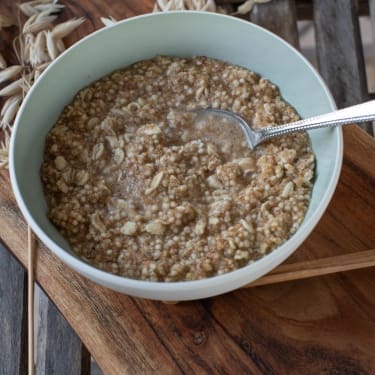
- Toast the grain first. Heat a dry skillet over medium heat and toss in one cup of amaranth seeds. Stir them around for about 3–4 minutes until they start smelling nutty and a few of them begin to pop. This step makes a real difference in flavor, don’t skip it.
- Simmer it down. Move the toasted seeds into a pot with three cups of water and a pinch of salt. Bring it to a boil, then turn the heat down low. Let it simmer for about 20–25 minutes, stirring now and then so it doesn’t stick to the bottom. It’ll thicken up into a creamy porridge.
- Add what you’ve got. This is where you make it your own. I like a drizzle of honey, a handful of whatever berries are in season, and a sprinkle of cinnamon. Chopped nuts, a spoon of butter, or even a bit of maple syrup all work great too. If you want it on the savory side, try a fried egg on top with a crack of black pepper.
The whole thing takes under 30 minutes, uses one pot, and sticks to your ribs the way oatmeal wishes it could. Give it a shot on a cold morning and I think you’ll see why it’s my go-to.
This porridge recipe can change your mornings and keep you full till noon, but this is just the starting point. If you’re the type who wants to build a pantry full of meals that actually keep you going, especially the kind that store well, travel well, and hold up when things get tough, you should definitely see the video below.
You’ll discover recipes and food preservation methods that most people have completely forgotten about, but that kept entire populations alive through some of the hardest times in history. Meals and techniques that were built for survival, exactly the kind of food you might want in your pantry.
Here’s a taste of what you can find:
- How to make the US Doomsday Ration at home;
- The ONE superfood that saved Leningrad during the WW2 siege;
- The long-lasting bread of the 1800s that stays edible far longer than anything you’d buy today;
- The long-lasting probiotic that fueled the greatest conquests of the Golden Horde.

Common Challenges and How to Handle Them
Amaranth is a tough plant, but it’s not completely trouble-free, and I want to give you the full picture. Flea beetles are the most common headache, especially when the plants are young. You can recognize it by the tiny round holes chewed through the leaves. Aphids might show up too, and a strong blast of water from the hose usually sends them packing.
The bigger thing to watch for is amaranth’s love of spreading itself around. If you let ripe seed heads scatter, you’ll find amaranth popping up all around your garden as soon as spring comes. Harvest it on time and clean up any dropped seeds to keep it under control.
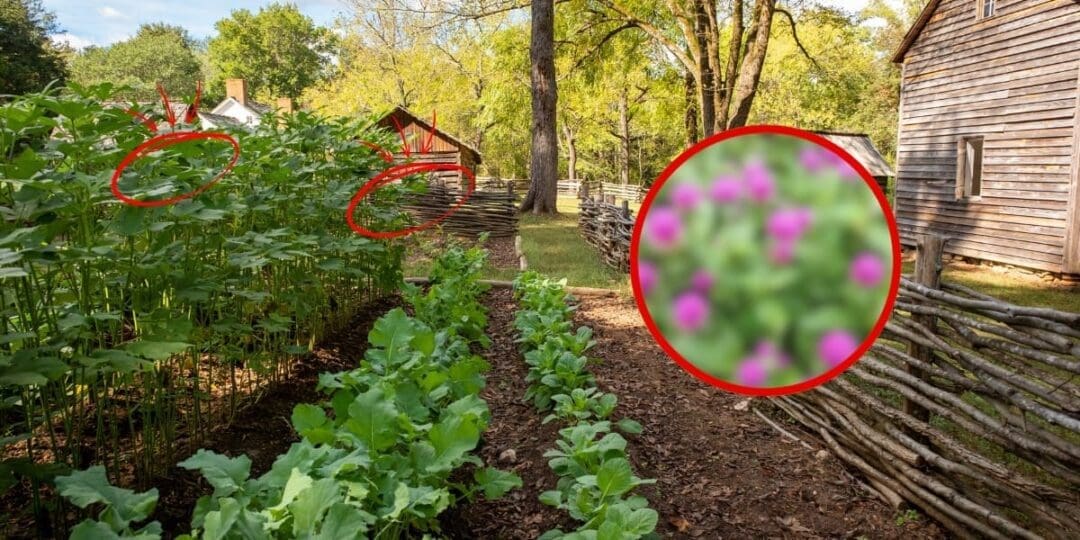
Amaranth is a close relative of pigweed. The young plants can look pretty similar, so pay attention to what you planted and where. If your soil stays soggy or drains poorly, raised beds or mounded rows will help you avoid root problems. Beyond those few things, amaranth is honestly one of the easiest grain crops you can grow. Give it sunshine, don’t overwater it, and get out of its way.
Final Thoughts
Growing what everybody else grows will keep you fed, but growing what almost nobody around you is growing, that’s what can make a difference.
Amaranth is proven, practical, and still wildly underused in most homesteads. You don’t need to rip up your whole garden plan for it. Just put in a small patch this season, see how it does on your land, and build from there. That’s how homesteading knowledge has always moved forward, one hands-on experiment at a time.
You may also like: 
How to Grow 100 Pounds of Potatoes in Trash Bags
The Only Legal Way to Stop Paying Your Taxes (Video)
Why You Should Garden After Dark
5 Forgotten Soil-Revival Methods That Can Save Your Harvest
How to Water Your Plants When You’re Away