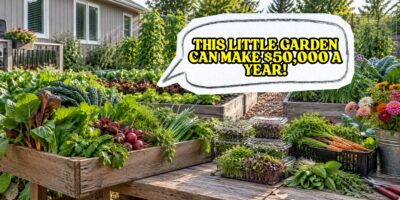
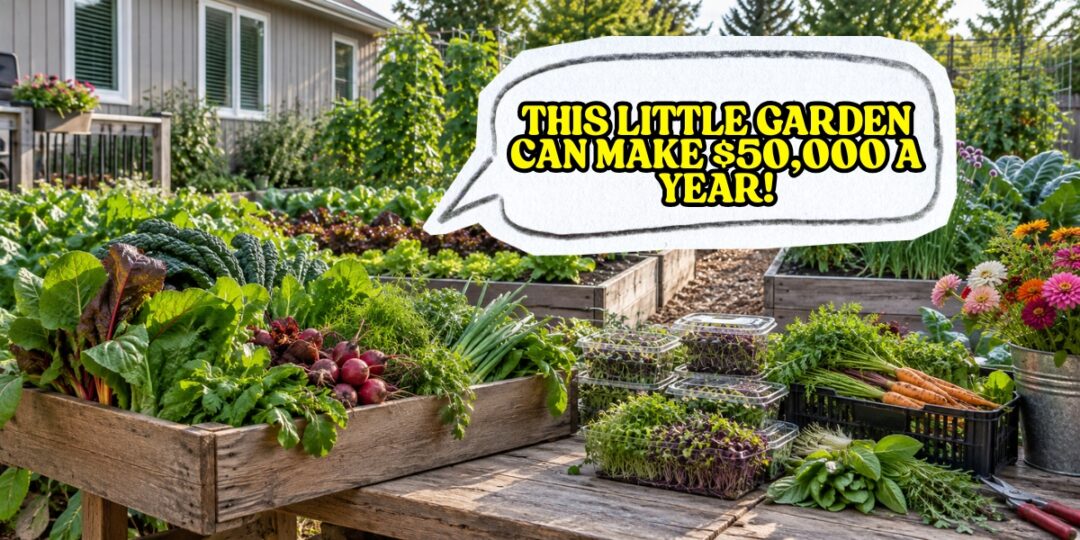
I wouldn’t call myself a businesswoman at all, but from time to time, while I’m looking at my garden, a single thing comes to my mind:
If a quarter acre can feed a family, what else could it do?
Probably you’ve asked yourself things like: Could it cover a mortgage payment, replace a paycheck, or at least buy back a couple of days a week from a job you’re not enjoying anymore?
I have a feeling that there’s a feeling in all of us that wants to be on the producing end of things instead of the paying end. To be honest, considering the times we live in, this is more than natural.
And the thing is that growers around the country make high income from plots smaller than a suburban lot, without tractors or inherited land.
Can your backyard do the same?
Let’s find out! I’ve gathered all the info for you.
Less Ground, More Money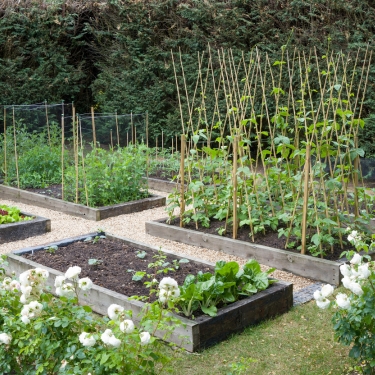
Sometimes a smaller plot is much better than a bigger one. And here’s exactly why!
Spencer Nietmann and his wife farm three-quarters of an acre in rural north Idaho. About a third of it is under plastic hoop tunnels. They sell fifty-two weeks a year.
Their gross sales ran $42,000 in 2017, $92,000 in 2018, and $130,500 in 2019. Those are 2019 prices, and produce has gotten more expensive since. The two of them live on that income.
All these figures were made public by Spencer himself when he wrote them up for a small-farm magazine, down to what he spent and what he kept. I find this incredible because almost no farmer discloses such info.
Half an acre can carry a family too. Adam and Melissa Millsap of Urban Roots Farm in Springfield, Missouri, harvest more than 500 pounds of produce a week from a half-acre city lot, selling through a farm stand, a CSA where customers pay up front for a weekly box, and on-farm events. Half an acre, in town, in the middle of Missouri. What do you say about that?
A quarter acre gives you 10,890 square feet, and once you take out paths and a wash area, you’re working maybe 6,000 to 7,000 square feet of beds.
One person working full time can only keep about an acre of intensive production under control, and that assumes they aren’t also harvesting, washing, and selling it all.
Spread yourself over two acres and the work becomes impossible to handle by yourself.
This is also why I wouldn’t rush into buying more land just because the garden starts making money!
Another half acre sounds great until you’re dealing with all the work you’ll have to do to keep it functional.
Just imagine watering it, weeding it, fencing it, hauling things back and forth, and trying to keep up with twice as many beds… This goes against the whole purpose of your setup.
Before expanding, I’d squeeze everything I could out of the ground I already had.
There are countless ways to grow upward, use awkward corners, keep beds watered with less work, and stretch the season without turning the whole property into one giant time-consuming garden.
You may be surprised how much more a small piece of land can do when it’s set up right.
See the small-space setups you can start with →
A tight plot stays tended. You walk every bed, catch trouble early, and replant the day a crop comes out.
What $50k Really Means?
Now, look at those Idaho numbers again. That’s sales, not profit.
From those numbers, you need to deduct seed, potting mix, trays, drip line, row cover, clamshells, stall fees, fuel, insurance, and every tool you break and replace.
On a small plot, you keep somewhere between a quarter and half of what you sell. Then self-employment tax takes about 15% of whatever’s left.
So $50,000 in sales puts maybe $11,000 to $21,000 in your pocket. To actually keep $50,000, you’d have to sell around $120,000.
This is good info to know beforehand because I know how exciting this might sound at first.
The Best Crops for a Quarter-Acre Farm
Salad mix pays better than anything else. A 100-square-foot bed gives you 30 to 50 pounds each time you cut it, a 4- or 5-ounce bag sells for $4 to $6, and you can run that same bed four to six times a season.
The Idaho records bear that out. Of the $70,000 Spencer Nietmann sold wholesale in 2019, $30,000 came from salad greens, $26,000 from microgreens, and $12,000 from tomatoes. Basically, three crops carried the whole farm.
You want things you cut young, replant right away, and sell by the bag or the bunch. Arugula, spinach, radishes, scallions, cilantro, baby turnips, kale. They are perfect for this job!
The worst things you can plant are sweet corn, potatoes, melons, and winter squash. Huge ground, one harvest, low price.
But there are two exceptions worth breaking the fast rule for. Cherry tomatoes in a tunnel produce for months, and winter spinach and carrots bring top dollar because in February nobody else has them, but everybody wants them.
Three Businesses That Fit in a Backyard
The real difference between these three is when the money arrives.
One pays you weekly all season, one pays year-round, and one pays almost everything in six weeks.
Market garden beds
The highest ceiling, and the most work. You put 4,000 to 6,000 square feet into permanent 30-inch beds, add a tunnel to stretch the season, and sell through a farmers market, a small CSA, and a restaurant or two.
One person usually lands between $15,000 and $40,000 in sales, and where you fall depends less on growing skill than on how close you live to people who’ll pay market prices.
The thing with this setup is that each bed you add has a probability of making money, but on the other hand, you can certainly know that every bed you add means more work for you.
This is another bed that has to be watered, weeded, worked, and kept producing…
Once you get into several thousand square feet, those little jobs start eating up a surprising amount of your day.
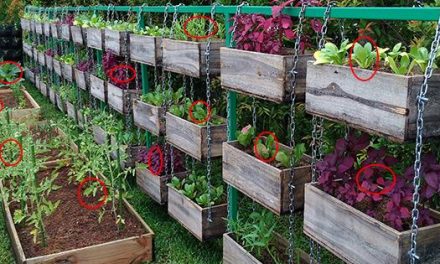
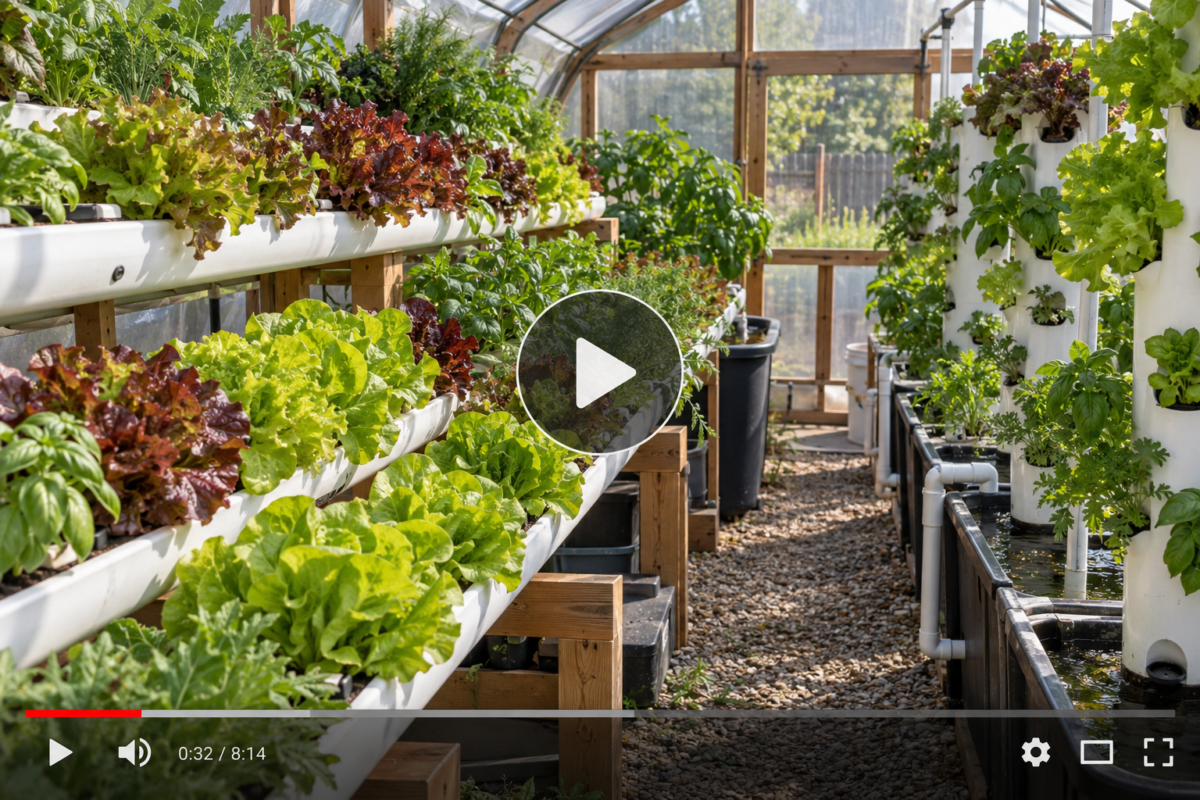
But did you know that for this kind of set-up there are some much better alternatives to your regular garden bed? Especially for growing salad and greens.
This setup can fit a lot of growing into a relatively small area without soil to work or weeds to pull, and the water keeps getting reused instead of being sent out over bed after bed. This solves most of the problems you might have with garden beds, right?
See how this small-space growing setup works in this video →
Microgreens indoors
This one costs you no growing ground at all. A spare room or heated garage with 200 square feet of shelving does it.
Restaurants pay $25 to $40 for a standard nursery tray against a few dollars of seed and soil, so fifty trays a week comes to around $78,000 a year.
The catch is that every tray needs a buyer waiting. The growing is easy, and the selling is relentless if you know the right people. If you want to succeed and not end up with surplus, you need ten to twenty restaurants ordering every week.
Spring plant starts
Best margins, shortest window. Tomato, pepper, and herb starts sell for $3 to $6 each and cost under a dollar to raise.
Two thousand plants at $4 brings in $8,000, nearly all of it between late April and Memorial Day. You’ll need a sunny room with lights or a small hoop house, plus a license.
But do you have this sunny room? This applies to anyone wanting to plant something in their gardens, not just people who want to turn this into a business.
Maybe you’re using your living room to grow seedlings. But this might work when you have one or two trays. What happens when you want more?
Also, your house is not the safest place for tiny plants that just started to grow. Temperature swings can easily kill them. This means all your hard work was in vain…
So what should you do?
The smartest thing you can do is stop squeezing everything into the house and build one small place for it instead. And hear me out, this is much simpler than it sounds.
A simple shed-style building could give you protected space for starting plants in spring, then earn its keep the rest of the year by holding the trays, pots, soil, tools, and supplies that usually end up scattered around the property.
And you don’t have to design the whole building from nothing.
You can start with an actual shed plan, with the measurements, cuts, and materials already worked out, then build the growing side around what you need.
See the shed plans, measurements, and materials lists you can build from →
Nothing stops you from running two businesses side by side. Plant starts in spring, market beds through summer, microgreens all winter. That’s twelve months of income instead of five.
What a $3,000, $8,000, or $15,000 Year Looks Like
You may have no interest in a second full-time job, and the smaller numbers are worth more than they sound anyway.
Around $3,000 – Five to eight hours a week in season. You sell the surplus your homestead already produces, run an honor box at the end of the driveway, and hit a few market Saturdays. The food you keep for yourself doubles what that year was worth.
Five to eight hours a week sounds manageable. The problem is that your garden doesn’t care about how much time you planned to give it.
There’s watering, weeding, feeding the soil, replanting, dealing with pests, and so on. These jobs show up whether you have time for them or not. This is the truth…
So if you want to grow enough extra food to sell without giving yourself a full-time job, I’d pay more attention to how the garden is designed.
There’s a different way of setting up a backyard garden that can cut down a lot of that routine work.
This means you can adapt your whole setup so it will give you less bare soil to take care of, less constant watering, fewer weeds to fight, and more of the garden working with you instead of waiting on you every day.
This setup makes a small income goal feel like something you can actually achieve.
Most of the time, you need to work smarter, not harder. This is the point most homesteaders miss.
See how this lower-maintenance garden is set up →
$8,000 to $12,000 – One market day a week plus ten or fifteen CSA customers, or a spring plant sale paired with summer produce. Budget fifteen to twenty hours a week from April through October.
$15,000 to $25,000 – A genuine half-time business. Two places to sell, covered growing space, and bookkeeping you keep up with. A lot of small growers settle right here and stay happy.
$50,000 and up – Forty-plus weeks of selling, sixty-hour weeks in July, and a second pair of hands through the summer. You’d be choosing a career, and it helps to know that going in.
Whichever tier you’re aiming for, start one notch below it. Your first season teaches you what your local buyers can actually support.
Five Things to Settle Before Your First Sale
Check your produce rules
In most states, whole uncut vegetables need no food permit at all. The moment you slice something or sell anything that needs refrigeration, your state or county may start treating you as a food facility. Cottage food laws cover jams and baked goods, not fresh produce, so don’t assume one covers the other.
Get a nursery license if you sell plants
Every state regulates live plants, and the rules catch backyard growers selling a few trays of tomato starts. Fees usually run $20 to $100 a year, and the inspection looks for pests, not kitchen sanitation. California wants a license for even a single tray. Washington exempts you entirely under $100 of plant sales a year, then charges about $80 above that.
Line up your buyer first
This is the easy step to skip, and skipping it is what sinks good growers. Talk to one market manager, one chef, and ten neighbors before you plant anything. Stall fees run $25 to $100 a day, and some markets take a percentage on top.
Buy the right four things
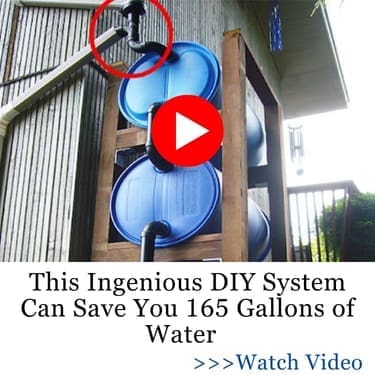
A broadfork or small tiller, drip irrigation, a decent push seeder, and a shaded wash station with a sink and a used refrigerator. Skip the tractor. On a quarter acre, it costs you more in payments than it saves you in hours. If you want to see how to make a full self-irrigation system from start to finish, you can find complete instructions in this book.
Keep records from day one
Every receipt, every sale. You’ll file a Schedule F at tax time, which is the farm income form, and clean books are the only thing that tells you which crops paid their way.
Final Thoughts
A quarter acre won’t make you rich, and anybody promising otherwise is selling you a dream.
But what it can do is turn ground you already own into a stable income source.
The start might be a little rough, but this is just how things work. If you want to enter the business, take it easy, work hard, and you’ll see the results coming.
You may also like: 
12 Signs Your Canned Food Has Gone Bad
This Amish “White Powder” Egg Trick Keeps Eggs Fresh For Months (Video)
Never Plant These Vegetables in a Container or Bucket
7 Natural Amish Soil Boosters You Can Make for Free