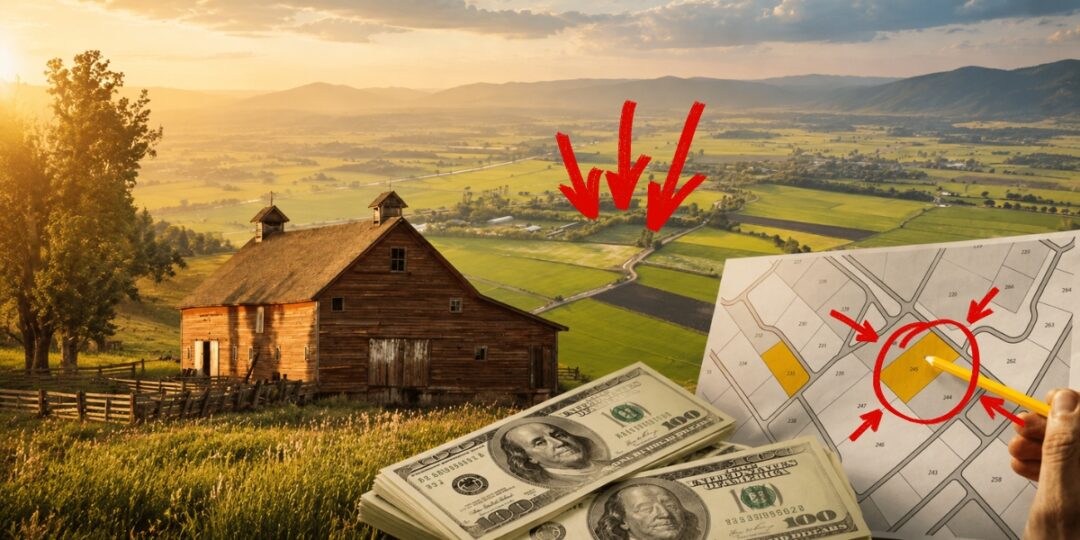
Let’s say you find a piece of land that checks every box. The grass is green, the creek is running, and you can already see where the garden goes and where the barn goes. So you sign the papers, and you feel good about it. Finally you’ll have the homestead of your dreams.
Then you move in and the problems start. What looked perfect in the begging now it’s a nightmare. Nothing seems to work according to the plan.
This is not just a scenario. Things like this happen every day to many Americans and the only way to avoid being scammed when buying land is knowing what to look for beforehand.
Here are the worst mistakes you can make when buying land. The ones that catch good, careful people off guard, not the ones everyone writes online about.
Check the Water Rights Before Anything Else
In a lot of the western states, owning the land doesn’t mean you own the water on it. And that one surprises people more than anything else on this list.
Out West, water usually runs on a system called prior appropriation. The short version is first in time, first in right. Whoever put the water to use earliest holds the senior right, and in a dry year they get their full share before anyone with a junior right gets a drop. So you can own creek frontage, a pretty stretch of running water, and still not have the legal right to pull from it when it matters most.
The University of Nevada, Reno Extension puts it in a way that stuck with me. A water right is only “paper water,” and paper water isn’t usable water. You can hold a right on paper and still come up dry in a drought if you’re low in the pecking order.
And don’t assume the East is simple either. If you’re planning to drill a well, that often takes a permit, and rural land does not automatically come with the right to dig one wherever you please.
So, before you sign anything, call the state water agency for that area and ask exactly what water rights come with the parcel. Get it in writing. This is not the place to trust a handshake or a listing photo of a nice creek.
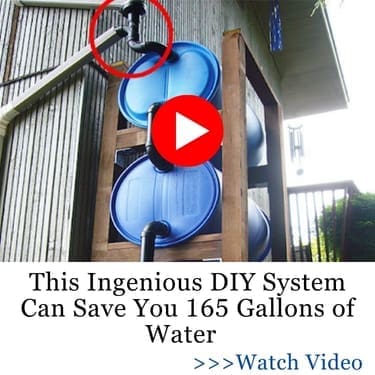
But you know what generates fresh water and you don’t need to own any permit to run it on your property?
The Water Freedom System.
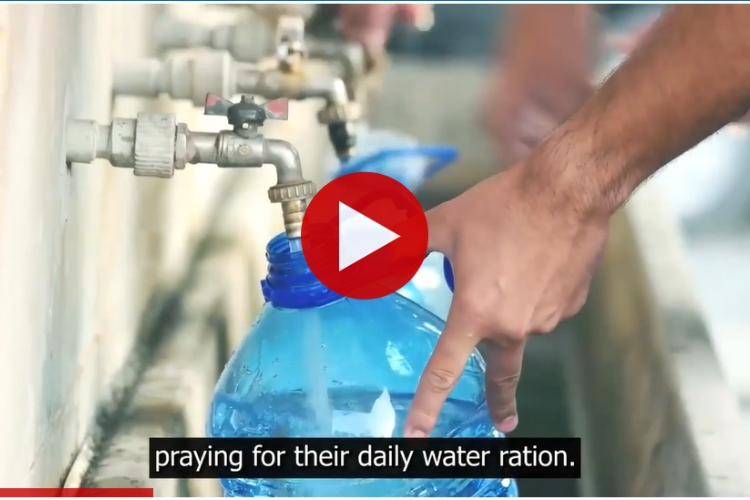
This system was created by Dave, a maintenance worker from Austin, Texas, during last year’s drought, when water rationing measures were in place.
He is a regular guy who wanted to have water despite all the restrictions and he made this possible with this simple device. This is a device made for everyday people, not for engineers. The goal is to make it possible to assemble a working system using accessible materials and clear instructions.
If you want to see how this system works and if it fits your needs, check out the video below.
Find Out Who Owns What’s Underground
There’s a second version of this same trap, and it stops using the soil under your property.
In much of the country, the ground under your feet is really two separate things. There’s the surface, which is the part you farm and build on, and there’s the mineral estate, which is everything down below. And those two can belong to two different people. I know, insane, but this is how things work.
That’s what folks mean by a split estate. Somewhere back in the chain of owners, someone sold off or held back the mineral rights, and once that happens, it can pass down for a hundred years without the surface ever getting them back. In a lot of the Rocky Mountain West, this traces back to the Stock-Raising Homestead Act of 1916, when the government handed out surface land but kept the minerals underneath.
Here’s the part that stings. In our law, the mineral estate is usually dominant, which means the mineral owner has the legal right to come onto your surface to get at what’s theirs. You could wake up one day to a company building a road across your pasture and setting up a rig a few hundred feet from the house, and there’s very little you can do about it.
The seller doesn’t have to volunteer any of this, and honestly, a good number of them don’t even know. So you need a title company to run the full chain of title and tell you whether anyone ever sold the minerals off separately, or the timber rights either. If the ground under your homestead isn’t fully yours, top to bottom, you want to know that before you buy, not after.
Make Sure the Soil Can Take a Septic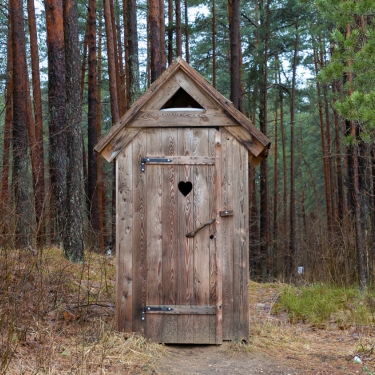
Let’s say the water and the minerals check out. There’s still the question of whether you can legally build a house on the land at all, and that comes down to the dirt on the property.
If you’re outside a town sewer line, and most homesteads are, you’ll need a septic system. And before the county lets you put one in, the soil has to pass a percolation test, the one everybody just calls a perc test. All it measures is how fast water drains through the ground. You dig a hole, fill it with water, and time how long it takes to go down.
If the soil drains at a reasonable rate, you’re fine, and a standard septic system runs somewhere around eight to fifteen thousand dollars. But if you’ve got heavy clay a few inches under the topsoil, the water just sits there, and the land fails.
A failed perc test is a big deal. In a lot of counties, if the ground won’t take a conventional system, you can’t build a legal dwelling on it, period. Sometimes an engineered system saves you, a mound or an aerated setup, but those can run fifteen to thirty-five thousand dollars and up, which can swallow your whole building budget in one bite.
So here’s what I want you to do. Make your offer dependent on a passing perc test, and get that test done before you close the deal, not after.
And while you’re at it, dig a few holes of your own around the property and look at what the soil actually does below that nice topsoil. The clay that doesn’t allow you to own a septic system will also mess up your garden.
If you want an easy method to identify if you have clay in your soil, you can use this DIY Clay Detector Test. It takes only 15 minutes and you can be sure the results are reliable.
Dig a hole about 20 inches deep and take a soil sample from there. Then run this test on it.
Also, if you want to be sure, please don’t only test soil from a single area. Dig more holes all around the property. Three to five is the perfect number. In this way, you can be sure you get an accurate result.
Check The Road
A homestead lives and dies by whether you can get a truck to it. Not just any road, but a road that works in every season and that you have the legal right to use.
So ask two questions about the access. First, who maintains it? A county road gets plowed and graded by somebody other than you. A private road or a shared easement means you and your neighbors split the cost and the labor, and if those neighbors don’t get along, that becomes your problem the day you move in.
Second, and this is the big one, is your access actually in writing? If the only way onto your land crosses somebody else’s property, you need a legal easement written into the deed and filed with the county. A neighbor telling you “oh, everybody’s always used that lane” is worth exactly nothing once that neighbor sells or changes their mind.
And think about weight and season. You’re going to need delivery trucks, maybe a livestock trailer, maybe heavy building equipment. A dirt track that’s fine in July can turn into a foot of impassable mud from November to March. So try to picture the worst day of the year on that road, not the best one.
Get a Survey Before You Trust the Fence
Here’s a mistake that seems small until it’s too late. That old fence running along the edge of the property? It probably isn’t the property line. Yeah, I know this sounds absurd, but this happens.
A fence goes up wherever it was easy to build at the time. Over the years, they drift, they get rebuilt a little off, and the real boundary can end up sitting ten or twenty feet from where everyone assumes it is. That barn you were planning to fix up might be sitting partly on the neighbor’s land.
For a homesteader, this matters more than for most buyers, because you’re about to put permanent things in the ground. Fencing, outbuildings, water lines, an orchard you won’t see fruit from for years. Moving any of that later because it landed on the wrong side of the line is a miserable, expensive job.
So pay for a current survey before you close. Not the old one in the seller’s file that might be from 1974, but a fresh one with the corners marked. It’s a few hundred dollars that can save you a boundary fight and a torn-out orchard down the road.
Also, if you plan on building various structures on your land, I have a tip for you. Paint them red.
Why? Well, because the Amish always paint their barns red and they have a very good reason for doing so.
In Amish communities, red barns can be found in almost every household. And this is not a random aesthetic decision. The red color offers some serious advantages.
👉 Click here and see why the Amish paint their barns red and why you should do it too
Walk the Land in Its Worst Season
Land is a shape-shifter. The parcel you see in May is not the same parcel in February, and the pretty season hides the problems.
That flat, open building site might turn into a seasonal drainage path once the snow melts or the spring rains come. The quiet dry wash might run three feet deep after a storm. So if you can, walk the land in its worst season. And if you can’t get back out there, talk to the neighbors and ask them flat out what it does in the mud months and where the water goes.
While you’re thinking about water, check whether any of the land sits in a FEMA flood zone. You can look that up for free before you ever make an offer. Property in a mapped flood zone can be hard and expensive to insure, and if the whole homesteading dream depends on cheap land, a big yearly insurance bill can quietly undo the math.
Same goes for high wildfire-risk country out West, where premiums have climbed hard and coverage gets tougher to find. The county won’t usually mention any of this, and the listing agent certainly won’t.
Don’t Buy Yourself Into Isolation
An hour from the nearest feed store and hardware store sounds wonderful right up until a goat goes into hard labor at midnight, or your truck dies in February, or you need a part to fix the well pump today and not in three days.
So before you fall for how remote a place feels, do some plain math. How far is the nearest vet who’ll actually treat livestock? How long does the fire department take to get out there? Is there cell service on the property, and can you get internet if you need it to earn a living?
And don’t skip the people. A rural life runs on knowing your neighbors, borrowing a tool, trading a hand at hay season, getting advice from someone who’s farmed that valley for forty years. Some places welcome newcomers warmly, and some don’t.
Spend time in the nearest town, eat at the diner, and get a feel for whether these are people you can build a life next to. Talk to people and try to see if you like them and if you think you’ll get along.
And if you want to be an expert at reading people, some “forbidden psychology” tricks might help big time. Some might say that these tricks can’t be applied in real life, but the example above is the perfect situation where you can use these tricks.
Knowing what people really think about you is not some dark voodoo. It’s all about observational skills and pattern recognition. It’s like learning a recipe. Once you know the steps, you can apply them “out in the wild.”
The same goes for extracting useful information through casual conversation. This is something you can truly use when trying to see if you fit in one place or not. You can’t imagine how easy it can be to make people tell you exactly what you want to know about them, realizing what’s happening.
Also, these are the same skills you can use when you want to get a better price of this piece of land you fell in love with.
These are skills you can use in any area of your life, not just when you plan to buy some land.
Final Thoughts
All of the things I listed in this article aren’t meant to scare you off. Buying land is still one of the best things you can do for yourself, and the right piece is out there waiting. You just want to go in with your eyes open, because land is one big purchase and you don’t want to mess it up.
So take the extra few weeks and try to follow what I wrote above. You’ll see how helpful these tips are once you go out there and start looking for land.
You may also like: 
7 Old-Fashioned Ways to Find Water on Your Land
How To Grow Your Own Sleeping Pills (Video)
How Much Land Do You Need To Be Self-Sufficient?
How to Keep Your House Cool Using Plants
Native American Tips for Living Off the Land