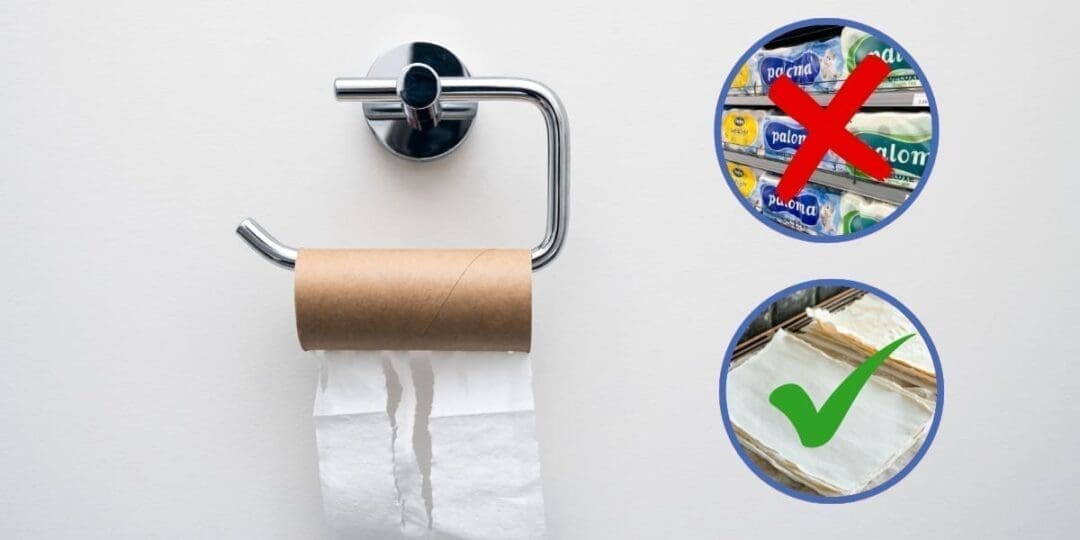
Take a second and try to remember the last time you thought about toilet paper. Probably your answer is “not that recently,” and this is totally understandable. Most of us take toilet paper for granted until it’s suddenly unavailable. That’s why you should be aware of the toilet paper alternatives people used throughout history.
When a crisis hits, for example, the COVID-19 pandemic, people raid the stores, and the main item that even makes it into the headlines of the news is none other than toilet paper. Hopefully, our forefathers have always found practical ways to stay clean using what was available around them, so you don’t have to worry.
Get ready to discover some of the best methods earlier generations used to handle personal hygiene. These techniques are practical, time-tested, and well-suited for preppers, homesteaders, and anyone aiming for greater self-sufficiency.
What People Used as Toilet Paper Throughout History
For most of human history, toilet paper didn’t exist. People relied on local materials that were cheap, reusable, or naturally available. In ancient Rome, a sponge on a stick, called a tersorium, was commonly used in public latrines. In medieval Europe, straw, hay, and rags were very widespread.
Coastal communities sometimes used seashells, while rural farmers in North America favored corn cobs. In Asia, water has long been the primary method of cleaning, a practice that continues today.
These solutions were all adapted to the environment in which these people lived. They took advantage of the resources they had to make things work for them. Understanding this reminds us that modern conveniences are optional, not essential. Even today, you can learn how to become more resilient and find the most suitable toilet paper alternatives available around your home.
Why Relying Only on Store-Bought Toilet Paper Is a Risk
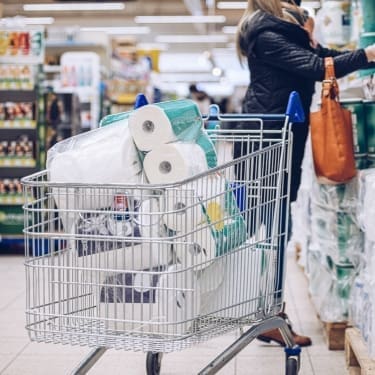
Toilet paper feels like a guaranteed staple, but, believe it or not, it’s surprisingly fragile when SHTF. It’s bulky, difficult to store in large quantities, and dependent on steady manufacturing and transportation.
During emergencies, panic buying can empty shelves in hours, as seen during natural disasters and recent global crises. Unlike food, toilet paper has few official substitutes promoted by retailers, leaving people scrambling.
Off-grid living presents similar challenges, since regular restocking isn’t always possible. This fragility makes it obvious why self-reliance matters. Having toilet paper alternatives planned ahead of time reduces stress and keeps sanitation manageable.
A resilient household doesn’t rely on a single product but understands multiple ways to meet this basic human need.
With that in mind, here are several practical toilet paper alternatives you can rely on when standard supplies aren’t available.
A Bottle of Water
A simple bottle of water can act as a manual bidet. By pouring water, you can clean effectively without paper.
Squeeze bottles, sports bottles, or purpose-made peri bottles make things easier as you can control them better. This method is popular in many parts of the world and works well in both indoor and outdoor settings.
It reduces waste and minimizes the need for stored supplies. Water bottles are easy to refill and store, making them an amazing preparedness option.
Related: Why You Should Never Store Water in a Blue Barrel
But for methods like this to work, you must first secure a dependable supply. Water is the most valuable resource during a crisis, and you are well aware that access to clean, reliable water is never guaranteed.
This is when preparedness makes a difference. Being able to have your own water source is mandatory. In No Grid Survival Projects, you’ll learn how to build a simple rainwater catchment system and other lifesaving projects using materials anyone has in their backyard.
If you want to never rely on the municipal water system again, make sure to grab your copy NOW.
 Bamboo Paper
This is a practical option that also opens the door to long-term self-reliance. In many parts of the USA, bamboo can be grown right in your own yard, where it matures quickly and can be harvested year after year.
Bamboo grows incredibly fast, and if you are not careful, it can take over your garden. This is why, if you want to grow this plant in your backyard, make sure you have a designated area and don’t let it spread any further.
Bamboo paper is naturally durable, absorbent, and softer than many recycled paper products. It also breaks down easily, making it septic- and compost-friendly. Ideal for someone who wants to have a circular system in their homestead.

Cloth
This is one of the most reliable and comfortable toilet paper alternatives. And the best thing? You can improvise clothes from almost anything you have in your wardrobe. Old t-shirts, towels, flannel sheets, or cut-up cotton fabric work well. Everything can have a use when times are difficult.
The main advantage of this alternative is reusability. After you use the clothes, you don’t have to throw them away. Wash and sanitize them, and they will be ready to go for another round. This approach is ideal for long-term off-grid living.
Cotton is especially good because it’s soft, absorbent, and easy to clean. For preparedness, having a stack of pre-cut cloth wipes stored away can provide peace of mind during shortages.
Moss
It freely grows on trees, and it’s an amazing toilet paper alternative. What more can you want? Moss has been used for centuries in outdoor and survival situations, and the lack of toilet paper is a situation it excels in.
Certain types of moss are naturally soft, absorbent, and gentle on the skin, making them surprisingly effective, so why wouldn’t you give them a try in case of emergency? They grow in shaded, damp areas and can often be found year-round in forests, making it easy to source when other options aren’t available.
👉 THESE common backyard plants can replace store-bought supplies
Moss also holds moisture well, which helps with cleaning, especially when paired with water. Another advantage is that it’s biodegradable and disposable, requiring no washing or storage. It’s basically the toilet paper natures ofers us.
You can easily gather it and store it in a cool and dark place until you need to use it.
Paper Products
When toilet paper runs out, other paper products can fill the gap. This is how you can finally make use of that pile of old newspapers. Yes, this paper will not feel the same way toilet paper feels, but it’s for sure better than nothing when there is a crisis. Glossy or heavily inked paper should be avoided, as it can irritate the skin.
One thing no one tells you is that you can make your own toilet paper at home, and if you are the type who collects newspapers for recycling, you’re in great shape. Newspaper is the best material to make toilet paper, as it breaks down more easily and produces softer paper.
All you need are some basic tools and some free time. If you want to find out the whole technique, watch the following video.

Snow
During the winter, clean snow can be an effective emergency solution. Fresh, powdery snow works best, and even if cold, it can feel surprisingly gentle.
Keep in mind it should only be used outdoors and with care to avoid prolonged exposure to cold, which can cause discomfort or minor injury. This method is situational but valuable for hikers, hunters, or those living in snowy regions.
While not practical year-round, snow shows us how environmental awareness can give us simple solutions when conventional supplies are not an option.
Plants
Another good place to look for toilet paper alternatives is your backyard. Nature always has your back. Certain plants can be perfect for this purpose. Large, soft leaves work best, especially those that are non-irritating and easy to identify. Some commonly used options include:
- Mullein – Often called “nature’s toilet paper,” its large, velvety leaves are soft and gentle on the skin.
- Maple leaves – Broad and flexible, making them usable when fresh.
- Grape leaves – Smooth, wide leaves that are less likely to irritate.
- Moss – Soft and absorbent, especially in damp forested environments.
Avoid anything oily, spiny, or known to irritate, such as poison ivy or nettles!
Plant knowledge is a skill most people overlook in an SHTF scenario. But just imagine being able to tell in an instant which plants are safe and which are a death sentence. You could take full advantage of your backyard, from medicinal herbs that nobody knows grow almost anywhere to natural materials you can use to replace paper or gauze.
Click here if you want to get your hands on this practical knowledge.
Coffee Filters
Open up your kitchen cabinets. Do you have coffee filters there? Most of us do, and guess what? They are an incredible alternative to toilet paper. Since most households already have access to coffee filters, keep in mind that this is a precious resource when things get bad.
Even more, when disaster hits, and everybody runs into supermarkets to get the last packs of toilet paper, you can be smarter and go directly to the coffee & tea aisle.
Most coffee filters are lint-free and fairly gentle, reducing the chance of irritation compared to rough paper products. They’re also compact and easy to store, taking up far less space than bulky toilet paper rolls.
Smooth stones
This might sound incredible to us, but yes, people used stones as toilet paper. For example, the Greeks used them during ancient times, and they called these stones pessoi. These stones were typically smooth and flat, helping reduce the risk of irritation when used carefully.
Pairing them with water makes them a really good option for basic cleaning in survival situations. When no other materials are available, we need to be resourceful, and this is the perfect example.
This method requires caution and is best reserved for true emergencies, as improper use can cause discomfort.
Always Be Ready Before You Need To
Right now, you might feel like all of your basic needs are automatic, and you don’t have to do more than go to the store and pay your bills. But things won’t be like this forever. The systems most people rely on are frail, and they will vanish in an instant once the next disaster hits.
Toilet paper might feel like a small comfort, but take a second and imagine your life without it. Not that small anymore, right?
The alternatives we presented simply show you that you are not dependent on what you find on store shelves. Everything you need is in your backyard, and all you have to do is access the knowledge that will teach you how to make the most out of what you already have.

You may also like:
Ingenious Ways To Use Toilet Paper Rolls That You Never Thought Of
The Bunker Food You Need To Have Right Now (Video)
How Your Clothes Could Save Your Life in the Next Crisis
10 Common Household Items You’ve Been Using Wrong