
Back in 2003, a historical society in Lancaster County stumbled upon something strange during an estate sale. Down in a farmhouse basement, they found a sealed crock.
Inside? Pork preserved in lard, probably from the 1940s, based on the newspaper covering the top.
Nobody was brave enough to eat it. But here’s the thing—the meat hadn’t turned to mush or dissolved into nothing.
After six decades, it still looked like meat. The fat had kept oxygen away all those years, and it worked. The find made local news because it proved something most people thought was impossible: you really can preserve meat in fat for that long.
Before refrigeration, preserving food was a matter of survival. You had to make summer and fall harvests last through winter, and that included meat. We are all familiar with drying, smoking, and salting. But those methods change how meat tastes and feels pretty dramatically.
The Technique That Changed How Food Was Preserved
There was another way, though. Elegant, really, in how simple it was. You’d submerge cooked meat in a layer of solid fat. That’s it. This practice was everywhere—pioneer cabins across America, farms throughout Europe. Root cellars were full of crocks, sealed with lard, providing ready-to-eat protein long after butchering day.
The method disappeared when electric refrigerators took over in the 20th century. But the principles? Still sounds. And incredibly useful if you’re looking for a preservation option that doesn’t require electricity.
Generally, you can get the lard from the store, but in case of a crisis, this will no longer be an option. Besides this, before modern stores existed, people made their own lard for a reason. It lasted longer, tasted better, had no additives, and, more importantly, it was made specifically to help them preserve meat.
Most store-bought lard is designed for cooking, but the old recipes had preservation in mind. Homemade lard is a skill anybody can learn with zero effort if they have the right recipe.
No salt. No smoke. No electricity. Just fat doing what it’s always done best. Click on the video below to get this preservation method has lasted for generations.

What Is Lard-Based Meat Preservation?
It’s exactly what it sounds like. You completely encase cooked meat in a thick layer of rendered fat to keep air out and prevent spoilage.
Here’s how it works. Cook your meat fully—whether that’s poultry, pork, or rabbit—and pack it tightly into a clean container. Then pour melted, purified lard over the meat until it’s submerged by at least an inch. As the lard cools and hardens, it forms a seal. A hermetic seal that locks out oxygen, which is the main culprit behind decay.
This is fundamentally different from salting, which draws out moisture and uses sodium to stop bacteria. Different from smoking, which uses heat and chemicals from smoke to preserve. With lard preservation, you’re trusting the fat as a physical barrier. The concept is so simple that it almost seems too easy to work.
The Science Behind the Lard Seal
Most spoilage bacteria need oxygen to survive. That’s just basic biology. When you leave cooked meat exposed to air, microorganisms land on its surface and start breaking it down. That’s what causes rancidity and rot.
By creating an airtight environment, you starve these aerobic bacteria. They can’t function without oxygen. Solid animal fat, when you render it properly and pour it hot, forms an impermeable seal. Oxygen can’t get through.
But there’s more. A 2023 study led by researchers from the University of Southern Denmark found that the fatty acids present in fat deactivate some of the most common foodborne pathogens. The fat itself has antimicrobial properties because it contains almost no water. Pathogens like Salmonella and E. coli need water to grow. The low-water environment inside the fat seal actively stops them from surviving.
You’re not killing bacteria with chemicals or heat in this final step. You’re putting the meat in suspended animation by removing what bacteria need to function.
A 200-Year-Old Homestead Practice Rediscovered
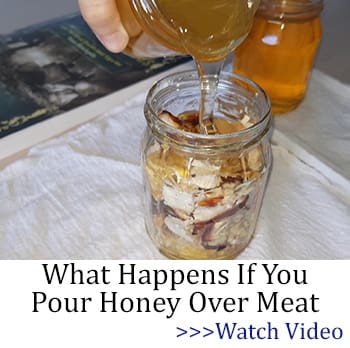
Historical records from the 18th and 19th centuries mention “potted” meat all the time. A homesteader would spend the day after autumn butchering, cooking, shredding, and potting meat into stoneware crocks.
In Europe, they had French confit—traditionally duck or goose legs preserved in their own fat. It’s considered gourmet now, but it’s the same principle. These weren’t occasional techniques. They formed the backbone of food security.
The practice declined not because it failed. It declined because refrigeration was more convenient. But today, this old method is more than a historical curiosity. It’s a proven, zero-energy system that doesn’t depend on the electrical grid. It gives you direct control over your protein supply.
Why This Trick Works Without Salt or Smoke
Lard sealing attacks spoilage from a different angle: moisture control and oxygen exclusion.
Inside the fat pocket, the cooked meat retains its own moisture. It doesn’t dry out into jerky. The solid fat maintains a relatively stable temperature, buffering the contents from fluctuations in your root cellar or pantry. And most importantly, the fat prevents oxidation, which causes both spoilage and flavor loss.
A properly sealed crock will emerge months later still tasting of the herbs it was packed with. The natural flavor of the meat stays intact. No intense saltiness. No smokiness. Just meat that tastes like meat.
Step-by-Step Outline of the Lard Preservation Process
You need to follow a precise sequence to make this work.
- First, prepare your meat. Cut it into pieces and cook it thoroughly until it’s fall-apart tender. You can roast it, stew it, or simmer it. Beef, poultry, game birds, pork—all excellent candidates. Make sure the meat is fully cooked to eliminate any surface bacteria before sealing.
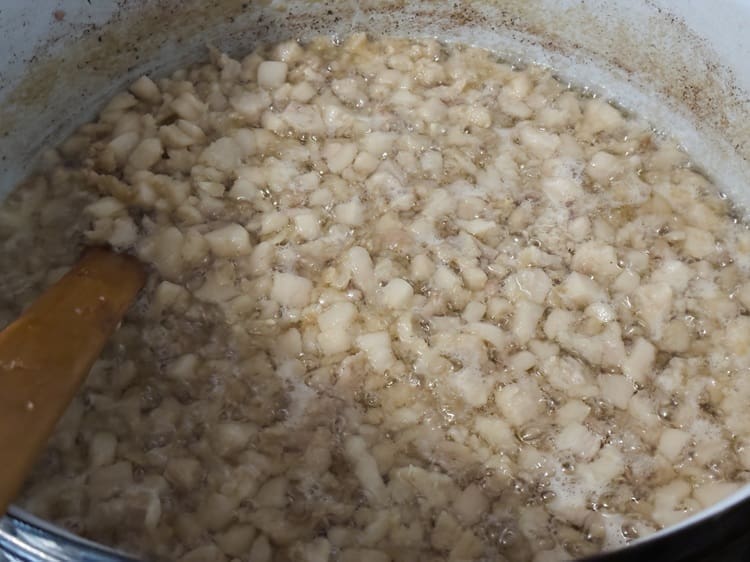
- Next, render your lard. Don’t use store-bought lard that might contain additives or have a low smoke point. Start with clean, high-quality pork fat from a source you trust. Slowly melt it until it’s clear and liquid, then strain it through a cloth to remove impurities. This creates shelf-stable fat that won’t spoil.
- While the meat is still hot, pack it tightly into a very clean container. A sterilized glass jar works. So does a traditional stoneware crock. Leave about an inch and a half of space at the top. If you want, add seasonings—black peppercorns, thyme, bay leaves—between the meat layers.
- Carefully pour the hot, rendered lard over the meat. Work slowly to avoid air bubbles. Make sure the lard seeps into all the gaps and completely covers the meat. You want a seal at least one inch thick. As the lard cools, it contracts slightly, so you may need to add more to maintain the seal. Once it’s solid, cover the container with a lid or a cloth tied securely.
Then comes the part most people overlook: storage. This method only works long-term if the temperature stays consistently cool. A pantry will keep lard-sealed meat fresh for a couple of months, and that’s why the Amish never relied on room storage to preserve meat.
Lard-sealed meat has the potential to stay fresh up to a year in the right conditions, so why not take advantage of this? As a solution, the Amish simply build their own root cellars. In a proper Amish-style root cellar, meat sealed in lard can remain stable for months, even years, because the environment never gives bacteria a chance to wake up.
👉 Learn how to build an Amish-style root cellar that will keep your food fresh for years!
Uncommon Tips From Traditional Butchers
Old-world butchers knew tricks that made the difference between good results and great ones.
They preferred wide-mouth clay crocks over glass jars. Why? Clay allows for slight breathability and maintains a cooler temperature. When layering, they’d sometimes place a sprig of rosemary or a few juniper berries in the center of the crock. These herbs have mild antimicrobial properties.
To prevent air bubbles—tiny pockets where spoilage can begin—they’d gently tap the jar on the countertop after pouring the first layer of fat. They’d use a chopstick to press the meat down before adding the final pour. Their goal was a flawless, glass-like layer of solid white fat. No cracks. No exposed meat.
Shelf Life Expectations in Real Homestead Conditions
Under ideal cellar conditions—cool, dark, around 50-55°F—lard-sealed meat can stay good for six months to a year.
In a warmer pantry that stays below 70°F, you can still expect three to four months. You know you have a perfect seal when the lard cap is hard, uniformly colored, and has no cracks or discoloration. The meat beneath should be completely inaccessible to air.
Before consuming any preserved food, do a safety test. Simple but essential. Check for off odors—a sour or cheesy smell means spoilage. Look at the fat for yellowing or rancidity. The lard should smell clean and neutral. When you break the seal, the meat underneath should smell fragrant and fresh. Identical to when you potted it.
Keeping Meat Fresh the 200-Year-Old Way — A Skill Worth Reviving
This 200-year-old trick keeps meat fresh by applying a timeless principle: exclude air to prevent decay.
It requires no sophisticated technology. Only an understanding of basic food science and a willingness to learn from the past. For the modern homesteader, it bridges the gap between historical wisdom and contemporary self-sufficiency. It turns a surplus into security. A simple ingredient can become a powerful preservative.
You may also like: 
20 Foods You Can Preserve in Pantyhose
How to Get 295 Pounds of Extra Food for Just $5 a Week (Video)
Canning Myths Debunked By The Amish
How to Store Bacon So It Lasts for Years
25 Pantry Foods That Actually Expire Quickly