
Flies are by far one of the most annoying thing about summer. No matter where you are, inside the house or outside in the garden, flies are a constant thing. They buzz around your face, they land on food, and they always appear when you think they’re gone.
But something nobody tells you about them is that flies appear in certain conditions. For example, there are a bunch of items that, if you have them around, flies will be guaranteed. This is what I want to talk about today. I want to tell you exactly what these items are so you can get rid of them ASAP.
In this article, you’ll find a list of seven common things that attract flies and what you can do about them.
Let’s start.
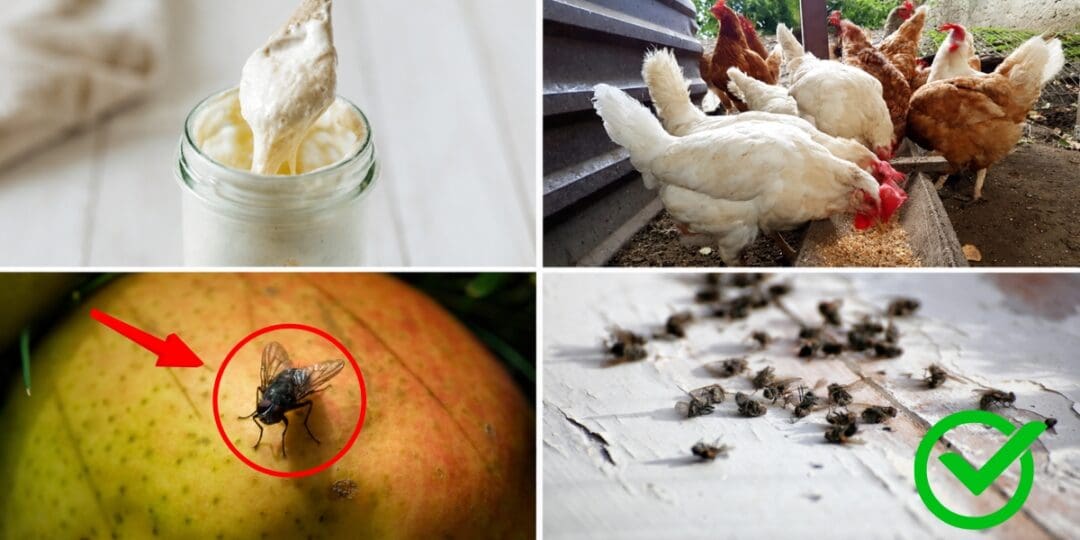
Overripe Fruit 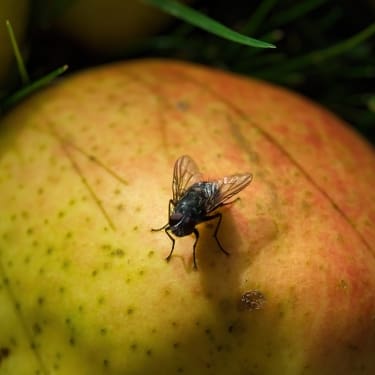
This is a big one because fruits and hot summer days don’t mix well. If you feel like flies love your house a little bit too much and you keep fruit on the counter, this might be the reason.
The problem is that summer is also the season when all of your garden blooms at once and this means you’ll probably have a lot of fruits to harvest. This can also attract flies to your garden and yard. If you don’t harvest the fruits and just leave them outside to rot on the ground is what makes your yard a fly magnet.
And the thing is that it doesn’t take much. One soft banana, a peach that starts to leak, or a tomato that has been sitting a little too long can bring fruit flies into the kitchen. At first, you may only notice one or two. Then, a few days later, they seem to be everywhere.
The flies are drawn to sticky spots, juice drips, and anything sweet that has started to ferment.
What you can do is take a close look at the fruit bowl. Toss anything rotten or leaking. Move ripe fruit to the fridge. Then wipe the counter, the bowl, and the area around it. Even a small sticky patch can keep flies interested.
You can do the same thing in your garden. Make sure you don’t leave anything behind that might pique the interest of the flies.
Now, if this is the case for you and you are suddenly drowning in fruit because summer has given you a big harvest, there’s a simple solution. There’s no need to leave the fruit to rot when you can make jam or syrup out of it. Or you can simply can them as they are and keep them long term.
This is what has actually saved me. I had a big harvest of strawberries, cherries, and peaches. I had no idea what to do with them. There were simply too many, and I was not in a position to sell them at that time. Canning them or making jam was the easiest thing to do, but I was skeptical about it because I believed it would take me ages, and I didn’t feel like I had time to spare.
But it’s not like this. Canning fruit is easier than you might think. Just give it a try.
I actually wrote an article about this here:
→ The Secret Trick That Cuts Fruit Canning Time in Half
What to do with all that jam
Ok, now if you canned fruits or made jam out of them, you might think you won’t eat that every day. But the idea of these canned fruits is to have them as a treat and also keep them in the pantry for emergencies because they store well for a long time.
And you can also use them to pair with some good old Johnny Cakes.
I know what you might be thinking: “What the heck are Johnny Cakes?” At least this was my first reaction when I first heard about them. These are also called jonikin, ashcakes, hoe cakes, cornpones, or mush bread and are basically a flat bread that, instead of wheat flour, uses corn. This gives Johnny Cakes more flavor but at the same time makes them more nutritious.
These flat breads were one of the foods that saved the lives of American colonists during the Winter of 1621. Food was scarce, but this simple meal was so nourishing that it managed to keep the colonists well fed in their journey.
I prefer to eat Johnny Cakes for breakfast or dinner and I discovered that adding my homemade jam to them was spectacular. They are simple to make; it takes only 15 minutes, and they are also perfect to take with you on the road. I have to say they are one of the most convenient foods out there.
👉 If you want to try them yourself, you can find the full recipe here
Kitchen Scraps and Compost Bins
Flies are attracted to smelly things. And if there’s one smelly thing you might have in your home or backyard, that’s for sure the compost bin.
Fruit peels, vegetable ends, coffee grounds, eggshells, and leftover food all start to smell as they break down. You may not notice it right away, but flies have a special sense when it comes to this; they will smell it for sure. A warm, damp bin with a loose lid gives them exactly what they want.
So what you can do is simple. For the bin you keep inside, empty it often, especially in summer. Rinse it after you dump it. Keep the lid closed tightly. If flies are already bad, keep food scraps in a bag or container in the freezer until you can take them outside.
Do the same kind of check with your outdoor compost pile. If fresh scraps sit uncovered on top, flies will find them. Cover kitchen scraps with dry leaves, straw, shredded cardboard, sawdust, or another dry brown material.
A compost pile should smell earthy, not like old food. If it smells sour or rotten, add more dry material and mix it in.
Drains and Garbage Disposals
If you clean the counter and toss the fruit but still see tiny flies near the sink, look at the drain.
Drains can hide a lot. Food bits, grease, soap, and grime can stick to the inside of the pipe. Garbage disposals can also hold food under the rubber flap. This gives small flies a place to feed and lay eggs.
This is the reason your sink might look clean, but it still has flies around it.
When cleaning, don’t rely on bleach alone. It may make the drain smell better for a short time, but it often does not remove the buildup stuck to the pipe.
Use a drain brush or pipe brush and scrub inside the drain. Clean around the garbage disposal opening too. Lift the rubber flap carefully and scrub underneath it if you can. Then rinse with very hot water.
If your pipes are plastic, skip boiling water. Very hot water can damage some plastic pipes.
A dirty drain is easy to miss because you cannot always see the problem. But when flies gather near the sink, it is worth checking.
Also, if you want to clean plastic pipes properly, you can use the same technique homesteaders use to clean plastic blue barrels that they use for long-term water storage.
This is the safest option when it comes to plastic pipes and once you try it, you can be sure everything is squeaky clean.
The best thing is that the method is simple and uses stuff you might already have at home. When people need a solution, they become creative and this mentality applies perfect fot this cleaning technique.
Pet Food and Spilled Feed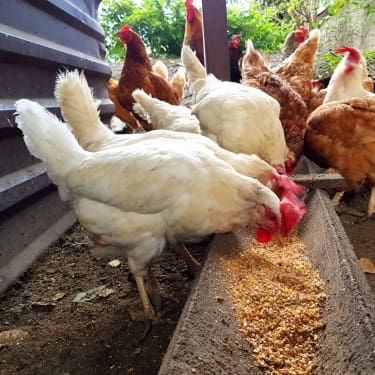
Pet food bowls and spilled animal feed are another common problem that attracts flies.
I know that a few pieces of kibble under the bowl may not seem like much. Some grain spilled near the coop may not look like a big deal either. But the issue is that once the feed gets damp, flies will appear quickly.
What I did is simple. Inside the home, I never leave my cat’s food out for too long. He has specific hours when he gets fed and after that, anything that remains is put up for later or thrown in the trash. Also, make sure you keep bags of feed closed or better pour them into sealed containers.
If you have a barn or a coop, pay attention to the food that contains water. Now, a couple of grains here and there won’t attract flies, but you still clean around once a week.
Manure and Animal Waste
If you keep chickens, livestock, or even just a dog that uses the yard as a bathroom, this is for sure the number one fly source. Manure is where house flies prefer to lay eggs, and once a pile gets going, the flies get more and more numerous.
A single female house fly lays a few hundred eggs in her short life, and in warm weather, a new generation can finish growing up in about a week. That means a small fly problem in early June can turn into clouds of them by the Fourth of July if you ignore it. House flies can go from egg to adult in as little as 7 to 10 days in warm weather, according to the University of Florida IFAS Extension.
The fix is simple: take care of the moisture. Flies need wet manure to breed. If you dry the manure out or move it away, the cycle breaks. So, try to clean your coop weekly. Fix leaking waterers fast, since a dripping waterer turns dry bedding into a swamp overnight. Move your manure pile away from the house if you can. Compost it hot, which kills eggs and reduces volume. If you have horses or cattle, drag the pastures so the piles break up and dry in the sun.
Standing Water and Damp Spots
Standing water gets blamed for mosquitoes, and rightly so. But flies use it too. Drain flies need it to lay eggs. Fruit flies will happily breed in a damp mop or a forgotten sponge sitting next to the sink.
But you should be careful about the sneaky ones too. A saucer under a houseplant that catches water and never gets emptied. A leaky outdoor spigot dribbles all summer. A clogged gutter is dropping water against the side of the house. A pet water bowl that sits with a half-inch of stale water in the bottom for days because nobody bothers to dump it.
Take a slow walk around your house and yard with this in mind, and you might be surprised by what you find. Squeeze out wet mops and hang them outside to dry. Toss old sponges. Empty plant saucers after you water. Fix the leaks. Clean the gutters. Every drop of standing water you take away is one less place where flies can lay eggs.
Your Sourdough Starter, Kombucha, and Other Active Ferments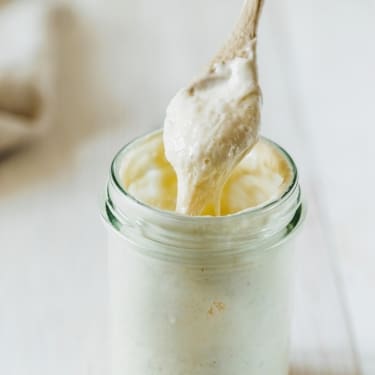
If you have a sourdough starter on the counter, a kombucha jar going on a side table, a sauerkraut crock in the basement, or a brewing bucket in the corner, you might have built something all flies appreciate, something that smells delicious to them.
Active ferments give off acetic acid and a bit of alcohol while they work. That is the same smell signal a fly gets from a soft banana on the counter. It does not matter to them that the ferment is intentional and clean. The smell pulls them in just as hard.
The classic mistake is covering a ferment with a single layer of cheesecloth and trusting it to keep flies out. It will not. The weave is loose enough that fruit flies walk right through, and once they are inside your starter or your kombucha, you usually have to dump the batch and start over.
So, use a tighter cover. A clean cotton flour-sack towel, a coffee filter, or a piece of fine-weave cheesecloth folded over on itself all work well, secured tight around the rim with a rubber band.
How to Get Rid of Flies
Ok, now that you know what attracts flies to your property, you might also want to know how to get rid of them.
The first thing you can do is take care of all of the things listed in this article. But the problem is that some of the suggestions might sound a little bit unreasonable. For example, you can clean the chicken’s coop or take care of leaking and pooling water, but this will not solve the problem forever.
As any other living being, flies try to survive and they will find a way to prevail. They can lay eggs in some of the most unexpected places where they can find a little bit of water and if we are real for a second, you can’t really control that. It’s just nature doing what nature does.
This is why there are so many fly control options out there. But if you take a more careful look at “all of these options,” you might realize that they are truly limited.
First of all, we have the expensive solutions restaurants use, such as the indoor UV light traps. These are not things most people use, so most of the time they are not really an option.
Then the most popular one is by far the insecticide spray. But this one only kills flies on contact. And the worst thing about it, besides also being toxic for you and your pets or livestock, is that there is research that shows flies have managed to build resistance against most sprays you find on the market.
Another common choice is sticky fly ribbons. This is the cheapest option that works. The old-fashioned strips you hang from the ceiling pull flies in and trap them on the glue. They look terrible, but in a kitchen corner or a barn, they catch a steady stream. The only problem with them is that, despite being cheap, you need a lot of them if you have lots of flies flying around.
So, since I didn’t want to spend my money on sticky fly ribbons all summer long, I decided to see if there’s anything I can do for free at home. This is how I found out about this DIY fly trap. All you need are four items you already have at home and you can set up an effective fly trap.
The thing with it is that you can scale it. For example, if you want to use it outside, you can simply build it bigger and it will be more suitable for outdoor use. Or you can place it in the barn or chicken coop.
The trap uses a bait and you can change it depending on the type of flies you want to catch. For fruit flies, you will use vinegar and for house flies, the best thing is a small piece of meat. Once you build the bait is the only thing you will need to change. But this is far less expensive than buying new sticky strips every week.
👉 If you want to build this trap and try it yourself, you can see the instructions here.
Final Thoughts
So, a fly problem is a clear indicator that something is happening on your homestead. Most of the time, something that attracts flies is out of control and the easiest way to make them leave your property is to take care of that problem.
But the reality is that no matter how hard you try, there will still be flies that are more sneaky and for them you can use traps.
I keep a little trap going on the windowsill behind my sink from late May through October, more out of habit than anything else. Some weeks, it catches a few. Some weeks it sits empty, which is when I know I am keeping up.
You may also like: 
Replace Your Harmful Pesticides With THIS
Why Do Amish Never Use “Normal Butter”? (Video)
This Tiny Bug Can Destroy Your Garden in 48 Hours
Build a Self-Cleaning Chicken Coop
8 Unusual Uses for Manure Around Your Homestead



















You clean with bleach? You must not be on a septic tank.