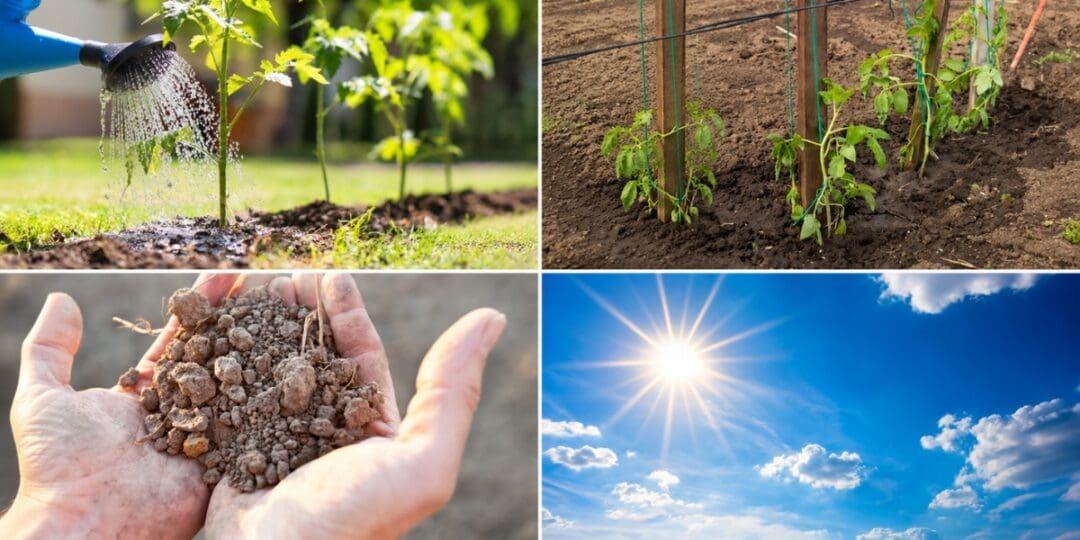
It’s such a beautiful summer day and first thing in the morning, you walk into the garden to see what’s happening over there. Everything seems fine, so you go about your day.
You come back at two in the afternoon and your tomatoes are flopped over like they have given up on life. You panic a little bit and think that maybe they need more water. So you grab the hose, soak them down, and feel a little better. Next afternoon, the same thing.
If this is you, I want you to put the hose down for a second. There is a good chance the water is not the problem, and in some cases, all that extra watering is making things worse. I went years thinking my plants were thirsty when they were, in fact, trying to communicate to me something else entirely.
I don’t want the same thing to happen to you, and this is why we are here. Some of these things surprised me when I finally figured them out.
Ready to have the best garden this summer?
Why Do Your Plants Wilt at Noon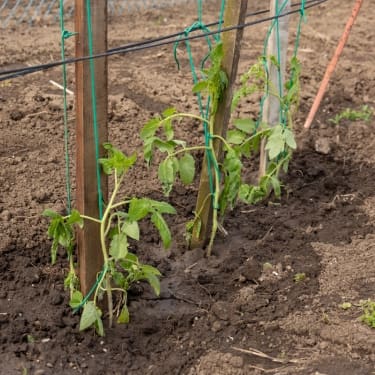
Here’s the thing nobody told me early on and scared me the most. A plant that wilts in the middle of a hot afternoon and then stands back up by evening is not necessarily short on water.
On a hot day, a plant loses moisture through its leaves faster than its roots can pull it up from the soil. This is called transpiration, and it is the plant’s way of staying cool, sort of like how we sweat. When the heat gets to be too much, the plant droops on purpose. Drooping shrinks the amount of leaf surface facing the sun, which slows the water loss down. It is a survival trick, not a cry for help.
This is why the real test is more about how your plants look early in the morning. If they have perked back up overnight, they were just riding out the heat and they have plenty of water down at the roots. If they are still flat and sad first thing in the morning, then you could say you have a real watering problem.
How the Amish Keep Their Plants Cool in the Summer
Knowledge about watering your garden is essential. After all, this is why we’re here. But the thing is that just knowing how to water properly is not enough. The summers are getting hotter and hotter and you never know what the weather has in store.
And when people were only thinking about how to water better, the Amish started to think about how they could keep their plants cool during the scorching summer afternoons. This is how they came up with this ingenious solution that keeps your plants alive even during the hottest days.
The most surprising thing is that this invention was first made to keep the plants warm during the winter. But the Amish, wise as they are, adapted and decided that the same design can be used for both seasons with minimal change.
What they did was simple: they took the hoop house they made for winter, took off the glass or plastic, and put shade cloth instead. All you have to do is lower the hoop house during the noon hours and this will protect your plants from the damaging sun, preventing wilt.
Click here to see how to build the Amish raised beds with a hoop house
How to Actually Check If Your Soil Is Dry
This is one piece of knowledge most people ignore or have no idea about. Before you start watering the garden, it’s a good idea to make sure that watering is really needed. But, looking quickly at the soil and deciding just by that if it’s dry or not is not the best way to do this. The surface dries out fast in July and that tells you almost nothing about where the roots live.
So if you want to do things by the book, stick your finger into the soil, right up to the second knuckle. That is about two to three inches. If the soil feels damp, your plant has water and the wilting is just heat. If the soil still feels dry, then go ahead and water some more.
You can also use A long screwdriver for this. It slides easily into damp soil and stops short when it hits dry, hard ground.
I keep this habit going all summer. It takes ten seconds and it has stopped me from making the worst mistake there is, which I want to talk about next.
Watering Every Day Might Be the Real Problem
This is the one that turns everything around for most folks, so stick with me.
When you give your garden a little splash of water every single day, you only ever wet the top inch or two of soil; the roots are smart. They grow toward the water, so they stay up near the surface where the moisture is. And that top layer is exactly the part of your garden that dries first when the July sun comes out.
By watering every day, you have trained your plants to keep their roots in the worst possible spot. By afternoon, that shallow root zone is dry as a bone; the plant can’t reach any deeper, and down it goes. You water again, and you have just locked in the same problem for tomorrow.
The actual way to solve this problem might feel backwards, but it works. You want to water deeply and less often. Soak the bed so the water reaches six to eight inches down, then leave it alone for a few days until the soil starts to dry out near the top. When you do this, the roots have a reason to chase the water downward. Deep roots sit in cooler, damper soil that does not dry out in an afternoon, and those plants do so much better during a heat wave that would flatten any shallow-rooted plants.
The researchers at the University of Minnesota Extension put it plainly. Light, frequent watering builds shallow root systems that can’t handle summer heat and drought, and watering deeply in the early morning is the better way to go.
It takes a couple of weeks for plants to adjust once you switch over, so do not panic if they look needy at first. Give them time to grow down.
The Perfect Water Source for Summer
This is one of the most common nightmare scenarios on a homestead: What are you going to do if you suddenly no longer have access to water? I am sure this is a question you have asked yourself. And it’s a really good question. This is a huge, stressful concern.
You might rely on tap water. This is the most accessible source and many homesteaders rely on it. But what happens when this is no longer a valid option?
Rainwater might be next on the list, but what happens if you don’t have rainwater already stored or if it is simply not raining?
Ok, so when rainwater and tap water are not your options anymore, you need something more reliable. This is how the Water Smart Box was created.
This is a surprisingly simple device that gathers water from the air and transforms it into fresh water you can use to water your garden or even drink.
The best thing about it is that it’s completely independent from the grid. You don’t need to dig or connect it anywhere. It’s simply a stand-alone device you can easily build in just four steps and it delivers you fresh water even in the harshest conditions.
If you are curious about how it works, you can see more here in this video.
Why Your Soil Can Entirely Stop Soaking Up Water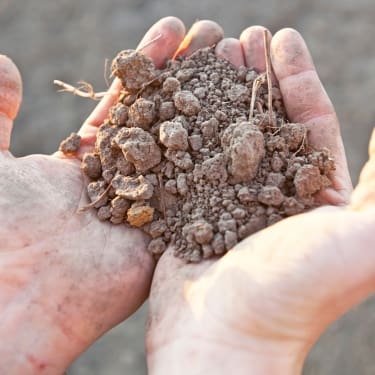
Here’s one thing that truly surprised me and then I also found out it catches even experienced gardeners off guard.
Sometimes, the soil can get so dried out that it actually starts repelling water instead of absorbing it. Gardeners call this hydrophobic soil. When dirt goes through a long period of hot sunny days, the particles get coated in a waxy film, and water just beads up and rolls off the top like it would on a freshly waxed truck hood.
What makes this so sneaky is that everything looks watered. You see the water running across the surface and draining away, so you figure the soil drank it up. But underneath, the root zone is still dry.
This is so confusing because your plants are sitting in dirt that looks wet and they’re starving for moisture anyway.
This phenomenon is more common in containers, raised beds, and sandy soil, and it shows up in the spots that dried out hardest over the summer. If you suspect it, pour a little water on the surface and watch. If it beads and runs instead of sinking in, you have got hydrophobic soil.
The big question now is, do you know what type of soil you have in your garden? Being aware of this completely changes the way you garden. Why? Because once you know if you have sandy soil, clay soil, or silt soil, you’ll know what plants grow better in your garden.
Every plant prefers one type of soil or a combination and knowing what type of soil your garden has can easily explain why your tomatoes never grow big or why your peppers have sad, yellow leaves.
But if you don’t know what the problem is, how can you find a solution?
This is why this DIY Soil Type Mason Jar Test can help you. It shows you whether the soil you have actually suits the plants you want to grow. There is no use in trying to grow some plants that will never give you anything in return.
What’s even better about this simple test is that it only takes 10 minutes and it shows you the proportion of sand, clay, or silt. This is important because once you know what is missing, you can start making it up for it. For example, if your soil has too much clay in it, you can add more sand and things will even out in the end.
Solving soil problems means you can finally grow whatever you want in your garden and be sure the soil is not the problem that keeps your plant from blooming.
I tried this method for some of my raised beds. My tomatoes were simply refusing to grow there. I did the test and found out the soil I used was mostly sand and clay, leaning more toward the sandy type. Tomatoes prefer a balanced combination of sand, clay, and silt called loam.
Once I knew this, I changed the soil in those garden beds, and now my tomatoes are happy.
Try the mason jar test yourself and transform your garden into the most reliable food source.
If you’re wondering how to repair this, well, I am here to tell you that there’s not much that you can do. The fix is patience. Water in slow, light passes so the soil has a chance to take it in instead of running off, and keep at it until it finally starts to absorb.
Better yet, put a couple of inches of mulch over that soil. Straw, dry leaves, or wood chips all work. Mulch keeps the ground from drying out to that waxy point in the first place, and it is the single best thing you can do to hold moisture in a July garden.
When This Happens, No Amount of Water Can Save Your Garden
I have to mention this one because if you are dealing with it, all the watering advice in the world won’t matter.
There are a few soilborne diseases, the most common being verticillium and fusarium wilt, that get into a plant through its roots and clog up the tubes that carry water inside the stem. The plant can be sitting in perfectly moist soil and still wilt, because it physically can’t move water up to its leaves.
Here is how you tell this apart from plain heat stress. Disease wilt usually shows up first on the lower, older leaves, and often on just one side of the plant or even one side of a single leaf. The leaves turn yellow as they go. Early on, the plant might wilt during the day and recover at night, which fools you into thinking it is just hot. But over a week or two, it stops recovering and the wilting becomes permanent, no matter how much you water.
This is very common for tomatoes, but this is not just a tomato problem. Peppers, eggplant, and potatoes are in the same family and catch it too. Verticillium has an even wider reach and goes after melons, cucumbers, squash, strawberries, and a long list of flowers and shrubs.
If you slice open the bottom of a wilted stem and see brown streaks running up through it, that is your answer. No spray cures it. You pull the plant, throw it in the trash and not the compost pile, and you keep that plant family out of the same spot for a few years. When you buy transplants, look for letters like V and F on the tag, which mean the variety was bred to resist these wilts.
An Easy Watering Routine You Can Follow This Summer
Check the soil before you reach for the hose using the method I described above. Damp means wait; dry means water.
Water deeply and less often. Give the bed a good, long soak that reaches down several inches, then stop watering for a few days. By doing this, you are growing deep roots, and deep roots are what survive July.
Water early in the morning. The plants get a full drink before the heat hits, less water burns off to evaporation, and the leaves dry before nightfall, which keeps disease down.
Mulch everything. A couple of inches of straw or leaves over your beds keeps the soil cooler, holds the moisture in, and stops your dirt from baking into that water-repelling crust.
And judge your garden by the morning, not the afternoon. A plant that bounces back overnight is doing just fine.
But What About a Garden That You Hardly Need to Water? 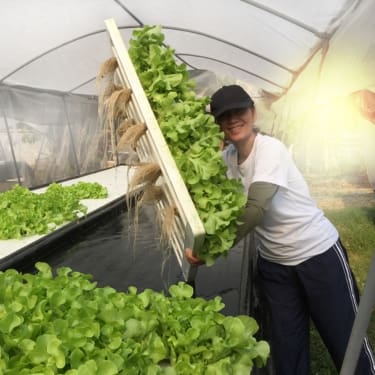
As you see, sometimes it would be amazing to have a garden that you don’t need to water. And I know this sounds impossible, but this concept is real and is called aquaponics.
When you build an aquaponics system, you no longer need to water your garden because it is already growing in water instead of soil. The idea behind all of this is simple. You raise fish in a tank, and the water from that tank feeds your plants. The fish waste turns into natural plant food, the plants clean the water, and that same water circles back to the fish. Round and round it goes.
Because the water keeps recirculating instead of draining away into the soil, a setup like this uses a small fraction of the water a normal garden does. You top it off now and then for what evaporates, and that is about it. In a dry summer, when water is precious and your garden is gasping, this simple setup changes everything.
Another interesting thing about it is that aquaponics is also one of the best solutions for those who lack space. You do not need a backyard, or even a yard at all. You just need a sunny spot and you are good to go. If you follow the right instructions, building it takes about 2-3 hours and then the maintenance is a breeze.
If you want to see how the 4ft Pocket Farm works, you can watch this video.
Final Thoughts
The hardest thing for me to learn was to stand there in the afternoon heat, watch my plants droop, and not do anything about it. Every instinct says grab the hose. But once I understood that midday wilting is mostly the plant taking care of itself, and that my daily watering was keeping the roots lazy and shallow, the whole garden got tougher and I spent less time fussing over it.
So this July, before you blame the weather or your seeds, go out at sunrise and take a real look. Check the soil, watch whether the water sinks in or runs off. Most of the time, the garden has been trying to tell you what it needs all along.
You may also like: 
Top 7 Best States to Be Self-Sufficient
Why Do Homesteaders Keep Placing This Leaf in Their Shoes (Video)
Easy Pruning Techniques for Flowering Shrubs
What Happens if You “Water” Your Garden With Spoiled Milk
How to Grow Carrots: From Seed to Root Cellar