While on my self-sufficiency journey, I realized that I can use my yard as efficiently as possible and I decided that I will not just plant shrubs that look pretty, but plant shrubs that are functional and that offer me fruits I can use later. Blueberries, elderberries, currants, gooseberries, fruit trees, that’s my jam and I am so happy I made this decision.
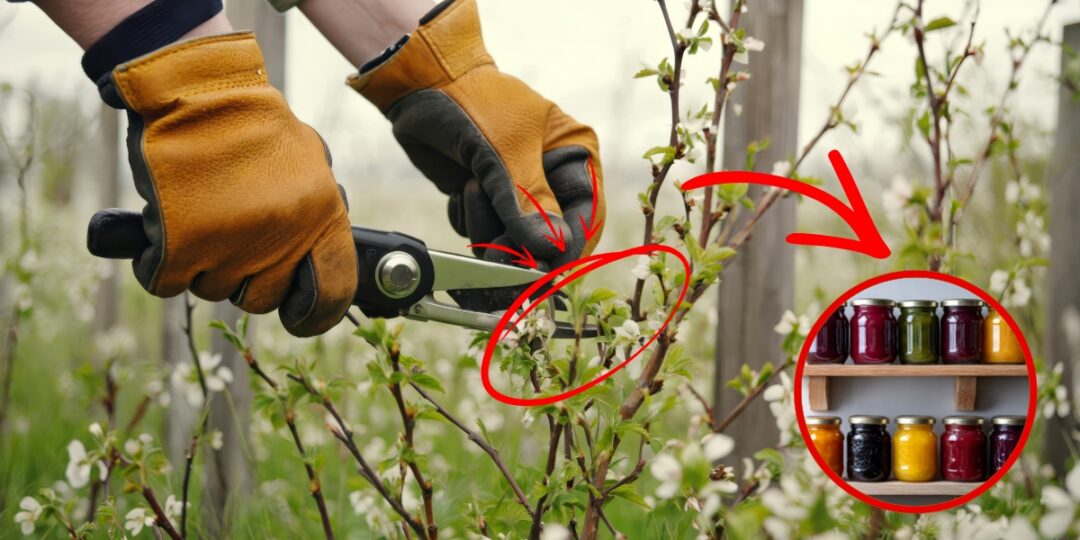
If you love your shrubs as much as I do, you probably want to keep them as productive as possible. The thing is, most people avoid shrubs because they have the impression that they require a lot of work. This is such a shame because, in reality, pruning fruiting shrubs is far less intimidating than you think.
In this guide, I’m about to share the simple, time‑tested methods that have kept my berry bushes thriving year after year. By the end, you’ll be ready to grab your pruners and give your fruit shrubs the tender loving care they deserve, so let’s get started.
What’s All the Fuss About Pruning
If you’re growing shrubs and trees that put food on the table, pruning is not optional. You have to do it every spring. When you skip it, plants waste their energy on old, unproductive branches while the good stuff gets choked out. You don’t want that.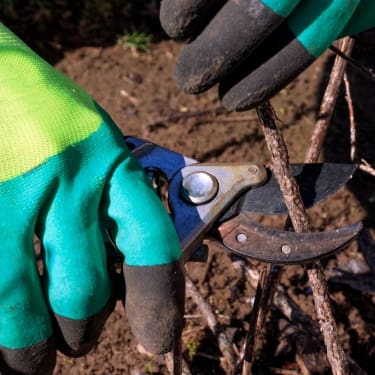
Here’s what regular pruning actually does for food-producing plants:
- Sends energy to the branches that bear fruit instead of letting it get wasted on dead or overcrowded wood.
- Opens up the canopy so sunlight reaches the inner branches where fruit develops. More light means bigger, sweeter berries and more of them.
- Improves airflow, which keeps moisture from sitting on leaves and fruit. That’s your first line of defense against fungal problems like powdery mildew and brown rot, the kind of stuff that can wipe out a harvest overnight.
- Keeps plants at a manageable size so you can actually reach the fruit without a ladder or losing half of it to the birds.
Once I started pruning my blueberries properly, the difference in yield was honestly shocking. I went from barely enough for a few batches of jam to filling buckets. When you’re trying to feed your family from your own land, this truly matters.
And since we are talking about jam and I love recipes, cooking, and canning in general, I want to give you some advice that might be helpful in the long run.
You know very well that canning can eat up a lot of time. That’s why I like to use this shortcut; the Amish also use it when they are making jam.
When you want to get all the flavor without long simmering, macerate the fruit overnight instead of cooking it hard. I follow this old Pennsylvania‑Dutch technique and simply layer sliced berries and sugar in a kettle and let them stand overnight until the sugar dissolves. Doing this “melts together” the fruit and the sugar and the result is something I can’t describe fully in words. You need to try it yourself!
But this is just one method I stole from the Amish. If you want to see more tricks and make your life easier, click here to get their secret knowledge.
Read This BEFORE You Start Cutting
Before we get into each shrub, let’s cover the basics. Most berry bushes produce fruit on stems that are a couple of years old, so the whole idea is to take out old, tired wood and keep enough young stems coming for next season’s harvest.
The best time to prune is while the plant is dormant. That just means it’s in its winter sleep. Usually, that’s late winter or early spring, after the leaves have dropped but before new buds start swelling. Shrubs that fruit on last year’s growth, like currants and gooseberries, can also be tidied up right after you pick the berries.
Very important, no matter when you prune, always start by removing anything dead, broken, or diseased. This is where the right tools make a huge difference. Sharp hand pruners handle thin stems, long-handled loppers take care of thicker branches, and a small pruning saw works for anything really woody. I also wipe my blades with rubbing alcohol between plants to keep from spreading disease, and I advise you to do this too.
One golden rule to remember: don’t remove more than about one-third of the living growth in a single year. Your shrub will bounce back faster and stay strong.
Currants and Gooseberries
They are among the most generous plants you can grow, but they reward you best when you keep them in shape. According to the University of Minnesota, these shrubs fruit on one- to three-year-old wood, so the goal is to always have a nice mix of stems at different ages.
Here’s the step-by-step process I follow:
- In the first few years, let four or five new canes grow each season. Just remove any that look weak or damaged and let the bush establish itself.
- Once the bush is about four years old, start taking out the oldest stems every winter. You want to keep a rotating mix of one-, two-, and three-year-old wood at all times.
- Cut old stems right at ground level. Don’t leave stumps! A clean cut at the base heals better and looks tidier.
- Watch for gooseberry branches that droop and touch the dirt. They can actually root where they make contact, which creates a mess. Just snip those off.
- Aim for nine to twelve healthy canes on a mature bush. That’s the sweet spot for steady production without overcrowding.
- After pruning, spread a layer of compost around the base to feed the soil and keep weeds down.
Blueberries
Blueberries can live for decades, but they need a fresh start now and then to keep producing well. From my experience, the biggest, sweetest berries grow on strong, younger stems, so the old woody ones have to go.
Here’s the routine I follow every winter: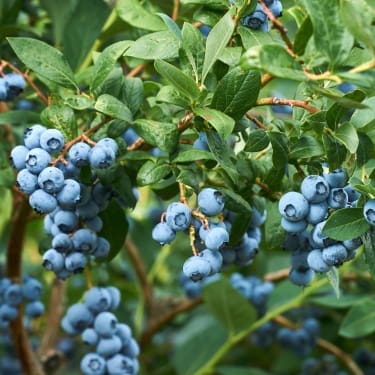
- Walk around the bush and really look at it. Don’t cut anything yet. Just observe the overall shape, the thickness of the canes, and where the flower buds are.
- Picture what you want it to look like when you’re done. An open center, no crossing branches, and a nice vase-like shape. Having that image in your head keeps you from going overboard.
- Find your strongest canes with the best flower buds and mentally mark them as keepers. These are the ones that will carry next season’s harvest.
- Cut out anything diseased or broken. This is always the first real cut. Get the bad stuff out so you can see what you’re actually working with.
- Remove dead twigs and any small, weak growth – especially the spindly stuff near the base that won’t produce anything worthwhile.
- Take out canes that are seven years old or older. They produce small, disappointing berries and they’re just hogging energy from the younger wood.
- Remove weak, twiggy canes that are covered in flower buds. I know it feels wrong to cut something that’s about to bloom, but those thin canes will only give you tiny berries. Let the strong canes do the work.
- Keep the strong canes with plenty of large flower buds. These are your money makers. Aim to keep about six to eight healthy ones of different ages.
- Snip off short and low-hanging canes. Anything drooping toward the ground will produce fruit that rots or gets eaten before you can pick it.
- Every few years, prune extra hard to rejuvenate the whole bush. Don’t be scared of this; the experts say a heavy cutback can restore both shape and productivity in an overgrown plant.
When I’m done, I spread pine needles or wood chips around the base. Blueberries love acidic soil, and that mulch keeps things perfect. The difference between a pruned bush and a neglected one is night and day, and you’ll taste it in every handful.
Elderberries
Elderberries are about as forgiving as it gets, but they still do better with some care.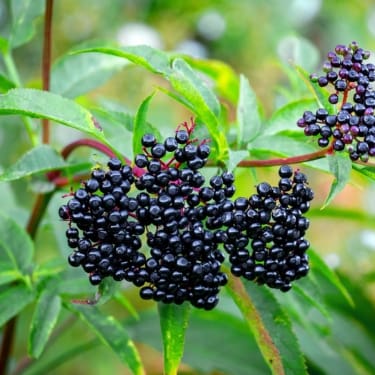
- Start by cutting out all dead and damaged stems. Same as any other shrub, clear the obvious problems first so you can see the plant’s real structure.
- Remove most stems that are three years old or older. Older wood gets less productive and just takes up space. Cut them at ground level.
- Trim weak, spindly growth back to stronger wood. If a stem looks thin and flimsy, it’s not going to hold up a heavy cluster of berries anyway.
- Keep a good number of vigorous one- and two-year-old canes. These are the ones that will carry your harvest.
- If the bush is seriously overgrown, consider cutting the whole thing to the ground. This is called rejuvenation pruning, basically hitting the reset button. Some elderberry varieties handle this just fine, and the next season, all the flowers and berries form on brand new shoots.
- Thin out any crowded areas so air can move through the plant and sunlight reaches the inner stems.
Elderberries will still fruit without much pruning. But regular trimming makes picking way easier and helps keep disease in check. I’ve found that just taking out a few old stems every winter keeps my patch from turning into an impenetrable jungle. The berries are fantastic for syrups, jellies, and homemade remedies, and a well-maintained patch can keep producing for years with barely any effort.
One thing I like to do every year is to make Immune-Boosting Elderberry Syrup. Elderberries are rich in antioxidants and are traditionally known for their supportive anti-viral properties during cold and flu seasons.
I started making this immune-boosting syrup, and since then, even if I catch a cold, it’s one that is extremely mild. For me, this syrup works wonders, and I wholeheartedly recommend it to anyone struggling with colds and the flu.
If you want to see this incredible recipe, you can find it here, among other remedies you can make using berries and common plants you might already have in your yard. 👉 Take Me to the Recipe!
Raspberries and Blackberries
Raspberries and blackberries aren’t technically shrubs (they’re brambles with canes that live for two years), but they’re absolute staples on any self-sufficient homestead. Here, what matters the most is what type you have in your backyard. 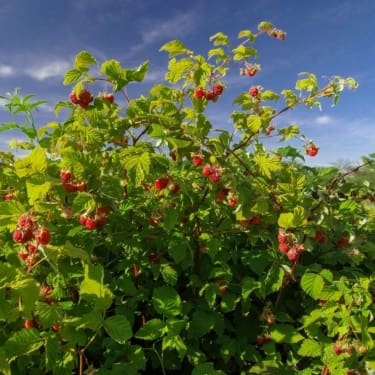
For fall-bearing raspberries and blackberries:
- In late winter, cut every single cane to the ground. All of them. Don’t leave anything standing.
- New canes will sprout in spring and give you berries later that same season. That’s it, simple as it gets.
For summer-bearing red raspberries:
- After harvest, cut out the canes that just fruited at ground level. These are second-year canes, and they won’t produce again.
- Thin the young first-year canes to about three or four per square foot. Keep the strongest ones and remove the rest.
For summer-bearing black raspberries and upright blackberries:
- During the summer, pinch off the tips of new canes when they reach about waist height. This encourages side branches, which means more fruit next year.
- In winter, remove the old canes that already fruited and thin the remaining ones to three to six per plant.
It sounds like a lot written out, but after a season or two, you’ll spot the difference between first-year and second-year canes without even thinking about it. I lay down a good layer of mulch to keep the soil moist and weeds down, and simple wire trellises keep the canes from flopping everywhere.
Related: DIY Mason Jar Soil Test
Putting It All Together on Your Homestead
Pruning fruiting shrubs might feel like just another chore when it’s cold outside, but I’ve come to see it as a quiet little ritual that pays off all summer long. Now all I want to do is share the lessons that took me a few seasons to figure out and hope this will make things easier for you.
Always start with the obvious stuff. Remove anything dead, diseased, or rubbing against other branches. Opening up the middle of the plant lets in sunlight and fresh air, which means less disease and bigger fruit.
Keep your tools sharp and clean. A clean cut heals fast. A jagged one from dull blades is just asking for trouble.
Don’t overthink it. Shrubs are more forgiving than you’d expect. Stick to the guide, pay attention to where each plant makes its fruit, and you’ll be lining up jars of preserves and filling your freezer before you know it.
You may also like: 
20 Plants That Attract Birds to Your Garden
Whatever You Do, Don’t Chop Down This Backyard Tree (Video)
12 Trees Every Homesteader Should Plant In Their Backyard
The Best Fruit Trees to Grow in Five-Gallon Buckets
How To Graft Your Fruit Trees This Spring