
You pull a good crop of carrots in the fall, more than you could eat in a month, and then you ask yourself: What can I do with all of them?
Doing the obvious thing is probably the first thing that comes to mind. Wash them, put them in the fridge, and hope they hold. A couple of weeks later, you reach into the crisper drawer and find bendy carrots, a damp bag, and maybe a few that have already gone slimy.
This is so disappointing considering how hard you worked to plant them and take care of them…
The funny thing is, old people had this problem sorted out long before most of us were born. And they didn’t even have a refrigerator!
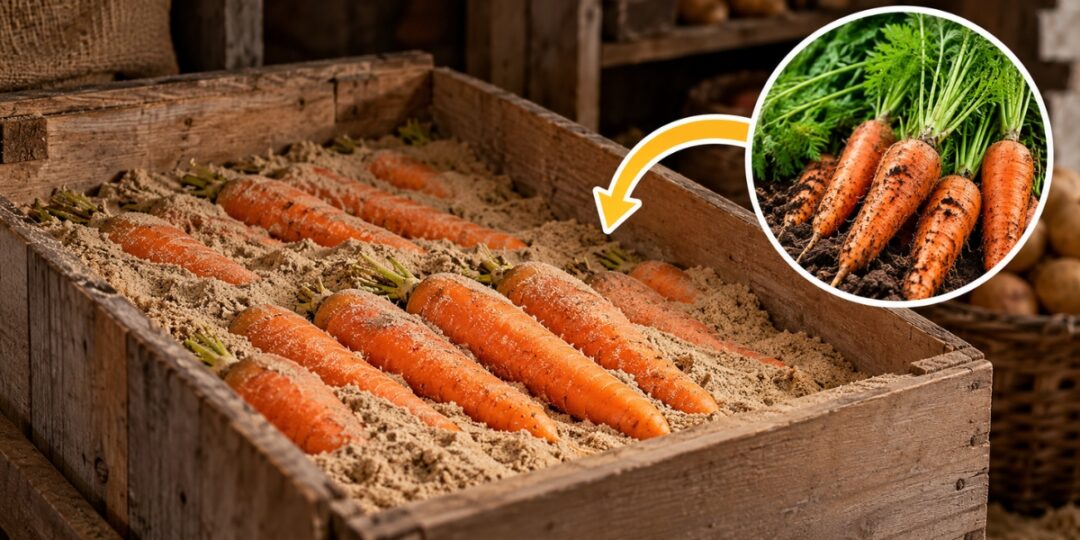
Old American families kept carrots crisp and sweet through winter with no electricity and no fancy equipment. Their secret weapon was a box full of sand. This box managed to keep carrots fresh for more than half a year and you can try the same old method right on your homestead.
If you’re tired of losing good carrots in the fridge, here’s exactly how this method works.
Why Carrots Go Bad So Fast 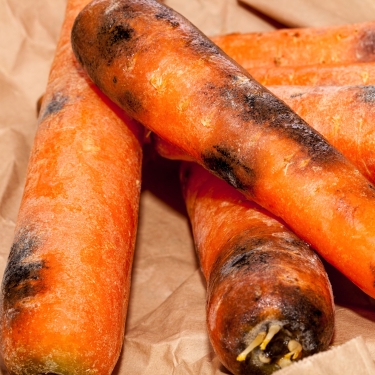
A carrot is mostly water. Once you pull it from the ground, it starts losing that moisture. That’s what turns a firm carrot into one of those limp, rubbery things nobody wants to cook with.
The cold of the refrigerator slows this process down, but it doesn’t stop it. You might get a couple of weeks, maybe three if you’re lucky, and then the carrots start going downhill even if you put them inside a fridge.
One way to keep carrots good to eat for longer is pickling them. But this is a different thing. You’re not going to put a pickled carrot into a pot roast or add it to your chicken soup. They have their place, but they can’t replace an everyday carrot.
Freezing has the same catch. Frozen carrots are fine for cooked dishes, but they come out soft. That fresh snap is gone.
So plenty of people end up buying another bag every week through winter, even after growing a pile of carrots themselves…
And that’s exactly what I am trying to get away from. I want to eat the carrots I grew, not spend money on store-bought ones.
I add carrots to most of my recipes, from soups to stews and I love to roast them along with meat. They are a staple in my kitchen, and I have a feeling you use lots of carrots too.
And this is a good habit because carrots are one of the healthiest vegetables out there. They are full of fiber, which allows you to have regular bowel movements and they are also packed with vitamin A. This vitamin helps your eyes remain sharp. This is why I started to eat even more carrots once I got older. If they can help me keep my vision healthier, why not take advantage of this?
When I was a little girl, my mother used to give me a raw carrot to eat every time she was cooking. Now I realise that my mom knew what she was doing. Good bless her heart!
Nowadays one of my favorite recipes is the Three Sisters Soup. This soup was a staple for natives from the upstate New York area and southern Canada. I like this recipe so much because it blends the perfect amount of fiber and nutrients while being a savoury treat that works incredibly well, especially when the weather gets a little bit colder.
I make this soup every fall and winter and for me it is probably one of the best things I did for my gut. All that fiber keeps my bowels moving and I’ve never felt better in my life.
If you want to give it a try, I’ll leave you a link for where you can find the recipe: Three Sisters Soup Recipe here.
The Old Way People Kept Carrots Fresh All Winter
What I’m about to tell you isn’t some new trick. No, no, no. Settlers, pioneers, and old-world farm families were storing root crops this way long before anyone had a refrigerator to depend on.
They couldn’t always run to a store when winter set in. They grew food, stored it properly, and expected it to carry them through until spring.
The thing that made all of this possible was a cheap material you probably already have around: sand. Carrots, beets, and turnips could stay packed away for months without drying out.
Years ago, I got talking with an older fella who told me his grandmother packed a crate of carrots in sand every fall. She never treated it like some clever secret.
That was simply how she kept carrots.
And it worked.
I think that’s what I like most about these old methods. Our grandparents didn’t call it self-sufficiency. They just knew how to make what they grew last.
Somewhere along the way, a lot of that know-how got traded for grocery runs and appliances running all day.
But the old way never stopped working and that’s why I want to have it on my homestead.
And if you want to take this old method one step further, you can pair it with an Amish-style root cellar.
You don’t need some huge underground bunker either. This simple backyard Amish cellar gives you the cool, dark, steady conditions that root vegetables like and this makes the sand method work even better. So, carrots, potatoes, beets, turnips, apples, and other storage crops can last up to 1 year without taking up refrigerator space or depending on electricity. Totally self-sufficient setup. You just build it and then it does its job.
The Amish have kept using simple food-storage methods like this for a reason. They work incredibly well and they are cheap and easy to build.
If you want to see how to build a small root cellar in your own backyard, you can follow the full step-by-step setup here.
Why a Box of Sand Actually Works 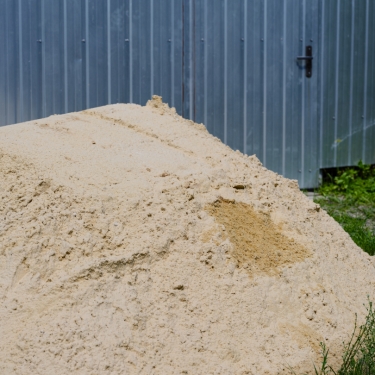
Well, the way sand works is very interesting and not that intuitive. The sand offers more than just a cool place that keeps the carrot fresh. It acts like a second home.
First, it keeps a little moisture around each carrot. Carrots go limp when they dry out, so slightly damp sand helps slow that moisture loss and gives them conditions closer to the soil they came from.
It also keeps out the light. Carrots exposed to light can sprout or turn green. Buried in sand, they stay dark.
And because every carrot sits in its own pocket of sand, they’re not touching each other. If one starts to go bad, it has less chance of taking the whole box with it.
You’re basically putting the carrots back into the kind of place they like: cool, dark, and a little damp. It’s like giving them a second life, but this time in your cellar.
What You Need
You don’t need much, and you may already have most of it.
A box or bin – A wooden crate works well, but so does a plastic tote or a clean five-gallon bucket. Use what you’ve got.
Sand – Play sand or builder’s sand from the hardware store is fine, and it’s cheap. One bag goes a long way.
A cool spot – This is the part you can’t skip. You need somewhere cold that doesn’t freeze. A root cellar is ideal, but an unheated basement corner, garage, shed, or cold back porch can work too. Think refrigerator-cold, just above freezing.
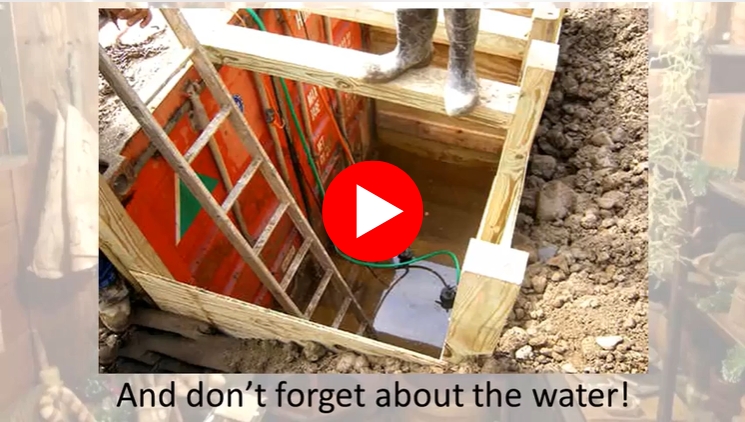
If you are curious about what the ultimate root cellar looks like, please check out this amazing video.
How to Pack Your Carrots in Sand
Once you have the box, sand, and a good storage spot, the rest is easy.
Use your best carrots. Pick the firm ones that don’t have cuts, bruises, or soft spots. If a carrot is damaged, use it first instead of putting it into storage.
Trim the tops. Cut the green tops down so about an inch is left above the carrot. The greens keep pulling moisture from the root if you leave them on. Just don’t cut into the carrot itself.
Clean off some of the dirt. You don’t need to wash the carrots before storing them. Just clean off the extra dirt and leave them mostly as they are. If they’re covered in heavy mud and you do rinse them, let them dry completely before packing them away.
Moisten the sand a little. The sand should feel slightly damp, not wet. Think of a sponge after you’ve squeezed most of the water out of it. If the sand is too wet, the carrots can rot.
Pack the carrots in layers. Put a few inches of sand in the bottom of the box. Lay the carrots on top with some space between them, then cover them with more sand. Keep doing that until the box is full.
Try not to let the carrots touch each other. Each one should be surrounded by sand.
Put the box in your cool spot. Once it’s packed, move it into the cellar, basement, garage, or other place you picked.
One thing to watch for: don’t store the carrots next to apples or pears. They give off something that can make nearby carrots taste bitter.
Do This Before the Cold Sets In
I started to use this method last year and for me it was life-changing.
Why?
Because you don’t need another appliance, and you don’t need special storage containers. Everything is simple and effective, just like things need to be on a homestead.
You just put the carrots in the sandbox and you keep them fresh until summer. Isn’t that great?
So, if you want to make this winter the winter you have good, fresh carrots, this little project is your chance.
Give it a go and tell me how it went for you!
Read THIS If You Feel This Is Not For You!
And if packing carrots in sand just isn’t your thing, that doesn’t mean you have to watch half your harvest go bad.
You can always can them instead!
Canning has been a staple in American farm kitchens for generations and it’s becoming popular once again. This is one of the most reliable preservation methods to ever exist and it lets you put away your harvest properly. Imagine that months later you’re still eating food that came from your own yard. Great, right?
But if you’ve canned before, you already know it’s not quite as simple as the internet sometimes makes it sound. With carrots and other low-acid vegetables, you need to use the proper pressure-canning method. And getting the food safely into the jar is only half the job.
You also want it to still taste good when you open that jar!
That’s something traditional Amish-style canning does really well. These are people who have spent generations putting away garden food because it actually had to feed the family through winter.
And there are a lot of little tricks and recipes worth borrowing from them.
I’ve tried many of the Amish recipes and the thing that struck me is the smell that leaves the jar once you open it. It’s a delicious smell that lets you know from before that the food you’re about to cook will be incredible. The way the Amish can is for sure something that everyone who puts up cans should know about.
You may also like: 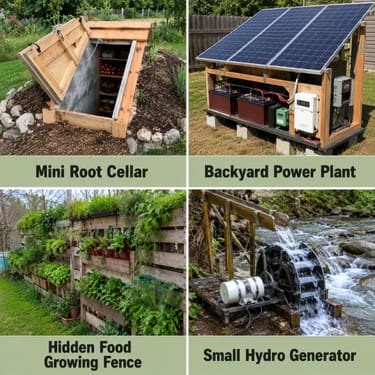
This 200-Year-Old Trick Keeps Meat Fresh Without Salt, Smoke, or Refrigeration
How to Make MREs That Last for Years (Video)
9 Foods You Can Forage For Free Near Your House
The Natural Garden Booster Hidden in Most American Kitchens
7 Things You Never (Ever!) Need in Your Pantry














Thank you for these valuable tips without having to read for an hour.
Glad you liked the article!