
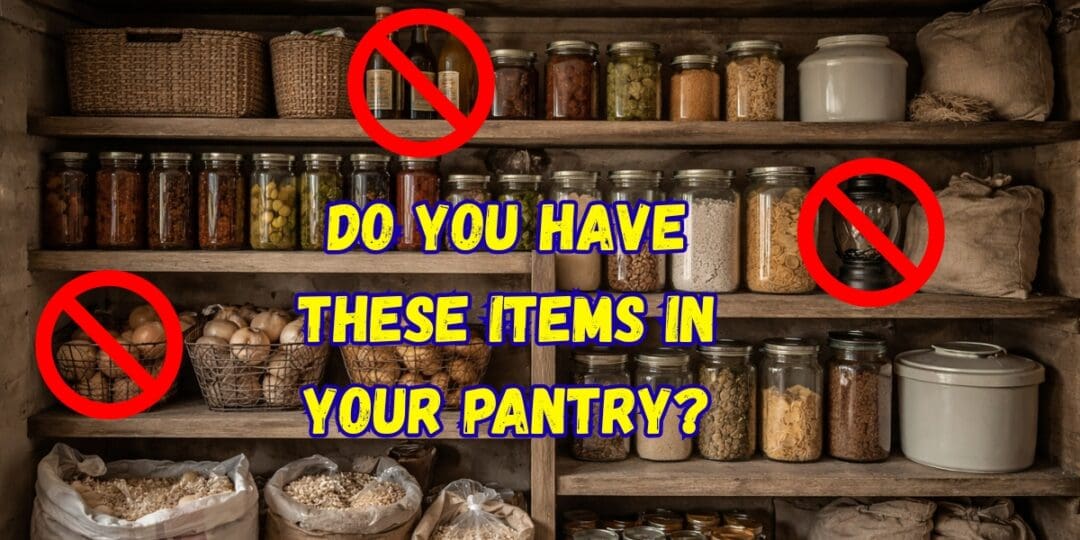
A well-stocked pantry is the heart of any homestead. You already know the drill and that’s why you are canning your harvest, drying herbs, and also filling every shelf you’ve got in your pantry. But one thing that is extremely overlooked, even by experienced homesteaders, is that some of the stuff sitting on those shelves right now is actually going bad faster because it should not sit in a pantry.
Yeah, it might sound like the perfect storage spot, but for certain foods, the pantry is the worst place they could be. Other items aren’t even food at all and are just taking up space that could be put to better use.
This article covers the things that either need to be moved somewhere else or need to be stored differently. Some of these might surprise you, and a couple of them probably apply to your pantry right now.
Bread and Tortillas
Let’s get this one out of the way first because almost everybody does it. You bake a loaf or pick up some tortillas, and they go straight to the pantry. You might do this out of reflex, but in reality, bread and tortillas go stale faster at room temperature, and in a warm pantry, they can start growing mold in just a few days.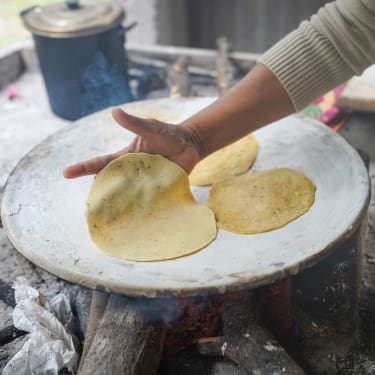
The move here is the freezer. Slice your loaves, portion your tortillas, and freeze them. When you need some, pull out what you’re going to eat and let it thaw. Takes minutes and the texture stays close to fresh. Researchers from Cornell University back this up. Freezing slows down the chemical stuff that makes bread go stale, so flavor and texture hold up for weeks.
Now here’s where a lot of people get confused. They think the fridge is a safe middle ground. But in reality, it’s not. Putting bread in the fridge actually makes it go stale faster. The cold messes with the starches and turns everything dry and crumbly. So it’s either eat it quickly or freeze it. If you bake your own like cowboy bread, you know how much work goes into a good loaf. Don’t let it go to waste sitting on a shelf.
And speaking of baking your own bread, if you’ve never had a bread recipe that you keep coming back to over and over again, this one might change that. It’s a simple flatbread that takes almost no time, uses basic pantry ingredients, and comes out perfect every single time. No yeast, no rising, no waiting around. Just mix, roll, and cook.
Once you make it, store-bought tortillas and sandwich bread start feeling like a waste of money. This is the kind of recipe that earns a permanent spot in your kitchen rotation because nothing else comes close to how easy and good it is. 👉Click here to get the full recipe!
Nuts and Seeds 
If you buy nuts and seeds in bulk, you’ve probably noticed they can go from tasting great to tasting like cardboard pretty fast. This happens because they’re loaded with oils, and those oils don’t do well in warm spots. They go rancid, which means they pick up a bitter, stale taste that you can’t fix no matter what you do.
UC Davis food safety guidelines say nuts at room temperature can turn rancid in just a few months. The fix is to keep them in airtight jars in the fridge or freezer. Label them with the date and give them a sniff every now and then. If they smell off, they’re not good anymore.
Here’s the kicker. Buying in bulk is only worth it if you have cold storage to keep up with it. Otherwise, you’re just buying more than you can use before it spoils. And rancid nuts don’t just taste bad. They attract pantry moths and beetles, too, and once those move in, you’ve got a much bigger problem to solve.
Real Maple Syrup and Natural Nut Butters
These two catch a lot of people off guard because they look like the perfect pantry items.
Real maple syrup has zero preservatives. The second you open that bottle, mold can appear if you keep it at room temperature. Store sealed bottles in a dark cupboard, but once you open them, straight to the fridge they go. It’ll last about a year in there. If you spot mold, don’t try to save it. Just toss it.
Related: How to Use Maple Syrup to Make Herbal Elixirs
Natural nut butters are the same deal. The kind made from just nuts and maybe a pinch of salt will separate because there’s nothing holding the oil in place. That oil goes rancid fast in a warm pantry. Stir it back in when you first open the jar, then keep it in the fridge. Here’s a little trick that works great. Store the jar upside down. It slows the separation and keeps things smoother. Try to finish it within a couple of months.
Whether you’re buying from local producers or making your own, cold storage isn’t optional. It’s the only thing keeping these from spoiling.
Whole-Grain Flour
White flour can hang out on a shelf for ages and be just fine. Whole-grain flour is a whole different thing. It still has the bran and germ in it, and those parts are full of natural oils that go bad faster than you’d expect.
Keep your whole-grain flours in sealed containers in a cool spot and try to use them up within a few months. If you mill your own, slap a date on every batch so you know what’s fresh and what’s been sitting. For longer storage, freeze portions in airtight bags. They’ll hold up for months without losing anything.
Open Bags of Grain and Pet Food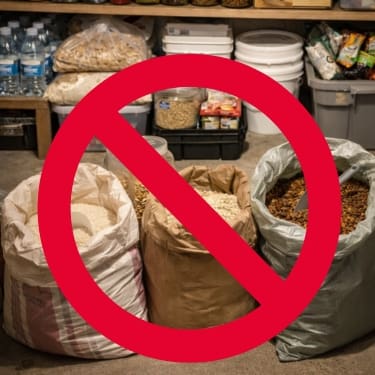
This one’s a real pain to deal with once it gets out of hand. An open bag of rice, flour, oats, or pet food in the pantry is like a “free buffet” for pantry moths, beetles, and mice. A tiny gap or a few spilled grains and they’ll set up camp. Once they’re in one bag, they spread to everything around it before you even notice.
👉 See the Free Energy Device the Government Classified in 1930
The fix is simple:
- Pour everything into airtight containers the second you open a bag. Glass jars, food-grade plastic bins, or metal canisters with good lids all do the job.
- Buy what you can use in two to four months so nothing sits long enough to cause problems.
- Clean up spills right away and wipe down your shelves on the regular.
And here’s one a lot of people overlook. Pet food and birdseed are usually ground zero for pantry bugs. If you’re storing those near your food, the pests are going to find their way over. Keep animal feed sealed up and in a separate spot if you can.
Non-Food Stuff
This one isn’t about food going bad, but it’s more about space and safety. Take a look at your and see what you find. Chances are, there’s a bottle of cleaner in there, maybe some bug spray, a couple gadgets you haven’t touched in ages, and who knows what else shoved in the back.
All of that is eating up room that could hold actual food and it can also be dangerous. For example, chemicals can leak or give off fumes that have no business being anywhere near what you eat. Move cleaning products to a locked cabinet somewhere else. Paint and chemicals go in the garage or shed.
A pantry that only holds food just works better:
- You see everything at a glance.
- Nothing gets forgotten about and you can keep everything fresh.
- There’s zero chance of bleach ending up next to your food.
It’s a small change, but once you do it, you’ll wonder why you didn’t do it sooner.
Now, once your pantry only holds food, the next question is whether it’s set up the right way. Most people just shove cans and bags onto shelves and call it a day. But there’s a real difference between having food in a pantry and having a pantry that actually keeps your family fed when it matters.
Joel Lambert, an ex-Navy SEAL and actual bug-in expert, put together a complete guide that walks you through exactly how to build and organize the perfect pantry, what to store, how to store it, and how to build a full three-month stockpile that rotates itself so nothing ever goes to waste.
This is a system built by someone who knows what it takes to survive when the supply chain stops working.
👉 Click here to get the full guide and start building a pantry that actually works.
Onions and Garlic
Onions and garlic feel like they belong in the pantry, but most pantries are too warm, too still, and too closed off for them. These two need to breathe and without cool air moving around, onions and garlic sprout, soften, and rot.
For onions, the sweet spot is between 32 and 50°F. A root cellar, cool basement, or unheated closet works perfectly. Keep them in mesh bags or open baskets. Never use plastic bags. And whatever you do, keep them away from your potatoes. They give off gases that make each other go bad faster.
👉 The ONLY Three Plants You Need to Make Amish Amoxicillin
Garlic prefers temperatures around 55°F with steady, dry air. Hang them in braids or toss them in mesh sacks. Don’t seal them up in containers. They need airflow, or else they’ll go soft and mushy.
If you grow your own onions and garlic, cure them first. Dry them until the skins are papery and the necks are tight. Do it right and you’ll have onions and garlic lasting you the whole winter.
Final Thoughts
At the end of the day, a good pantry is a practical pantry. You can be sure you have a well-run pantry when you know that everything on those shelves is stored right and ready to use when you need it.
Doing this takes time and it’s usually achieved once you have a routine. So, keep your shelves clean and your food in the recommended conditions. Also, don’t forget to label everything so you know what is still fresh and what needs to be tossed.
You may also like: 
Add These to Your Pantry While You Can Still Afford Them
An Insanely Effective Way To Build A 5 Year Food Stockpile (Video)
The 4-Ingredient Pantry Challenge. Can You Survive It?
25 Pantry Foods That Actually Expire Quickly
How to Store 2+ Years Worth of Food in a Small Pantry















1
1%2527%2522
Very well written, thank you for the advice