I did a lot of research about raising my chickens free-range, before I decided most of it was BS! The result? If I wanted to learn anything and help others, I’d have to experiment on myself.
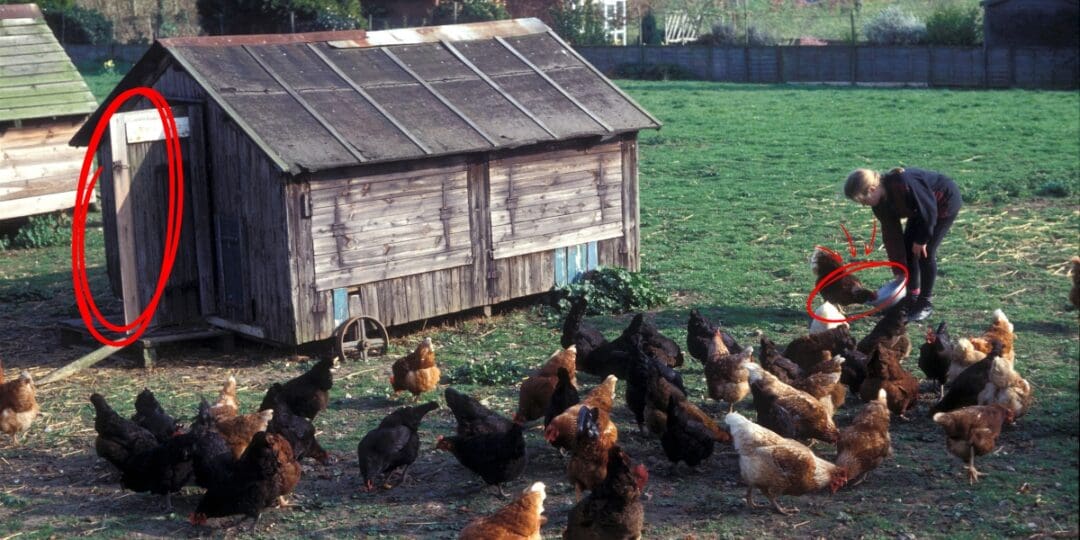
So, one random early-April, I decided to open the coop door…and I simply left it open all spring and summer. This is what I want to share with you today. My own experience with free range chickens, and all the info I gathered over the years.
I tried to make this little “guide” as encompassing as possible, so you will not need to check 1000 sources to be sure you have all the knowledge you are looking for. I also made sure to structure all the content in pros and cons. I believe it will be easier this way.
Without further ado, here’s all my personal experience with free range chickens. I hope you’ll enjoy reading it and you’ll find it useful, maybe steal a trick or two!
Free Food Is Everywhere in Your Yard
✅I let them free, and they’ve practically done my garden’s spring maintenance routine! Watching chickens forage is fascinating. I spent hours watching mine flip leaves, chase bugs, and pull up tiny weed shoots I had no idea were there. I’ve also seen a noticeable drop in the slugs that usually destroy my lettuce starts.
This is also backed by science. Oregon State University actually put chickens to work in orchards and the results were wild. The broilers ate nearly 99% of the insect pests in their path and knocked back weed cover in the orchard rows after just nine weeks. Other trials have seen weed numbers drop by up to 90% when chickens were allowed to forage through crop fields for several weeks. My birds surely don’t mess around!
❌But here’s one thing I need to mention: foraging covers roughly just a part of a chicken’s energy requirements. This is why I always need a quality layer of feed available. At all times. No exceptions. This is healthy for them, but it will not keep them fully fed.
What Your Chickens Will Destroy First
❌I knew very well that this would happen, but I was just not ready for it.
Within the first week, my hens had scratched through two inches of mulch around my blueberry bushes, dug dust bath craters next to the porch, and demolished a patch of clover I’d been nurturing since fall. They don’t care what you planted or how long it took. If it’s in the dirt, they’re going through it.
Free range chickens will eat flowers, herbs, vegetables, and pretty much anything green that catches their eye. If you’re not managing where they go, you’re going to lose your most precious plants.
👉 Your A to Z Guide on Survival Gardening
✅What’s been working for me is using portable poultry netting to section off part of the yard at a time. I let them forage in one area for a few days, then move the fence and rotate them to a fresh spot. It keeps them away from my garden beds while still giving them plenty of ground to scratch through. This is a method the Amish have used for centuries. I just adapted the method to the materials I had available on my homestead.
The Health Benefits (Real or Not?)
✅ I’ll be honest, my chickens have never looked better! Their feathers are glossy, their combs are bright red, and they move around all day long without getting sluggish. Studies comparing free range and caged chickens consistently show better feather condition, improved muscle tone, and a more diverse gut microbiome in birds that are let outdoors.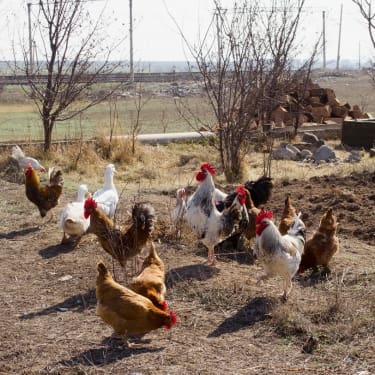
They dust bathe every afternoon in a sunny patch by the fence. They chase each other. They sunbathe with their wings spread out like they’re at the beach. There’s clearly a huge benefit here, and it shows in how calm and social they are.
❌But the flip side is here too. Outdoor birds pick up parasites from the soil, things like roundworms, that coop birds rarely encounter. They’re also more exposed to diseases carried by wild birds, including avian influenza.
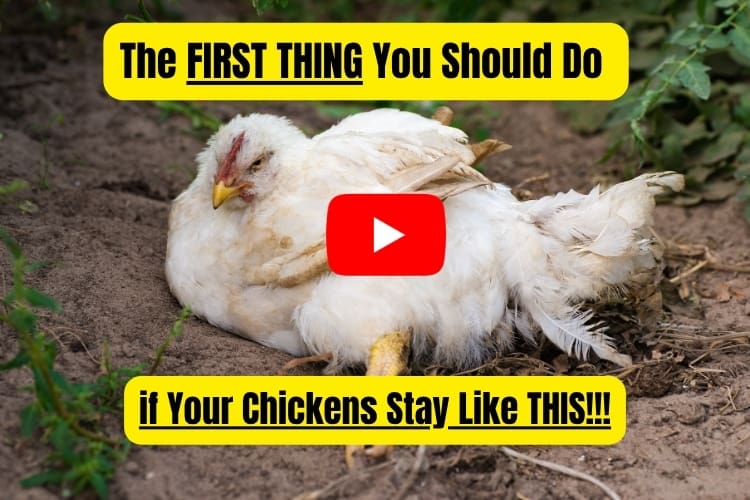
I started a deworming schedule this spring and I’m more careful about checking my girls over for signs of illness. Lethargy, swollen combs, and sudden drops in laying. If you notice these signs, something is not right, but what might bother you is that you might not know where to start. Ok, your chickens seem sick, but what is the next step, right?
This frustrated me so much at the beginning, so I know what it feels like. Calling the vet is not cheap nowadays and for many of us, this makes it not an available option. The “good” thing is that, even if noticing your chickens are sick is scary, there are just a couple of common illnesses they may have. This is why it’s so important to be aware of them and their signs.
👉If you want to see how the Amish keep their livestock healthy, click here.
Predators Will Always Be a Problem
❌This is the one that kept me up at night. Literally.
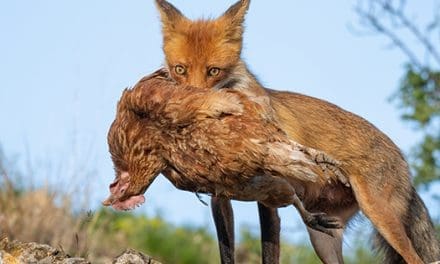
Hawks, foxes, raccoons, coyotes, owls, and even domestic dogs will go after free range chickens any chance they get. In the Oregon State orchard study I mentioned earlier, the layer flock lost 37% of its hens to predators over a single winter!
I haven’t lost a bird yet this spring, but I’ve had close calls. I’ve seen fox tracks along the tree line.
✅My routine now is doors open at sunrise, locked tight at dusk, no exceptions. I also cleared brush piles near the coop because those are hiding spots for predators waiting for an easy meal. Also, another thing that helps stop worrying is that I installed an automatic chicken coop door.
If you live in an area where predators are a big problem, another idea would be to build some traps. Yes, I know this is not everyone’s favorite approach, but desperate times require desperate solutions. Mark, my husband, built some traps last year, and I need to say that they were effective. Since we didn’t want to harm the animals, we chose some non-lethal ones, but in the same way we were allowed to choose, so are you.
👉 Click here and see how to build your own backyard traps.
I’ve tried the bucked trap and it did an amazing job. I needed more of them and placed them strategically around the coop. I still have them in place, but now they mostly catch mice.
About Those “Better” Eggs
✅One well-known reason people go free range is that they want better eggs. And indeed, the yolks from my free range girls are noticeably darker and richer too, thanks to all the greens and bugs they’re eating. The vitamins from fresh forage are what give those yolks that deep orange color we all love.
❌But there’s also a downside. Free range hens typically lay fewer eggs, and the eggs can be slightly smaller. I’ve noticed this myself. My production dipped a bit once the girls started spending all day outside instead of hanging around near their nest boxes.
👉Yes, I Want My 12,000 Shed Plans and Designs
Also, I want to tell you about the contamination angle. You might forget this one, but it’s important if you decide to go free range. If your property has old burn piles, treated lumber, or any history of dumping, your birds could be picking up toxins like dioxins and PCBs from the soil and passing them straight into your eggs.
It’s worth knowing what’s in your soil before you let chickens roam over it. If you have any doubts, try getting a basic soil test done. Your local extension office can point you in the right direction, and it’ll give you peace of mind about your and your birds’ safety.
Why I Don’t Free Range Through Summer
❌ I consider spring to be the best time for free ranging. From late March to June, depending on where you live, the bugs are out, the weeds start growing and the temperatures are ideal for chickens.
The thing is that chickens can’t sweat and this makes them incredibly vulnerable to heat. The only way they control their temperature is by panting and spreading their wings and this is not helping at all when the summer sun is scorching. Heat stress is dangerous and if your chickens are stressed and don’t feel well, all the benefits of free-ranging will disappear during the summer. 
✅So, I decided to keep them in a shaded coop and covered run where I can control airflow, keep water cool, and make sure nobody’s baking out in the open. I start letting them out again once the heat breaks in early fall. It’s not ideal, and I can tell they’d rather be outside, but it’s better this way.
Speaking of summer, this is also the season when your water starts to run low and you know that a functional homestead is one with a stable water supply. Water runs low, municipal water gets restricted, and every gallon counts, you know the drill.
When you’re running a homestead with animals that depend on cool, fresh water to survive the heat, you can’t afford to be caught short.
That’s what led me to Smart Water Box. Using pure condensation, this portable unit makes up to 30 gallons of daily water from bone-dry air!
👉 If you’ve ever worried about your water supply drying up in the middle of summer, this short video explains how it works.
Final Thoughts
If you ask me, absolutely worth it! After all, offering your birds the chance to live their best lives is the thing every homesteader should do if they have the possibility to do so. My birds are healthier, more active, and they simply seem happier than when they were locked up in the coop all day.
The pest control advantage is huge and once I accepted that they produce fewer eggs this way, I started to appreciate the free range approach more.
If I had a smaller property, more predators, or anything in my way that would not let me rotate the chickens, I’d scale back to chicken tractors or fenced paddocks. You’ll still get the most benefit without worrying about the things I just listed.
For now, I’ll let them free range every spring and if I learn anything new, I’ll make sure to update this article.
You may also like: 
Can You Catch Bird Flu From Chickens? What No One’s Telling You
The Amish do this to every chicken coop in the spring. Why? (Video)
How to Raise Chickens for Reliable Egg Production
Why Are My Chickens Losing Feathers?
How To Train Your Chickens To Come When Called