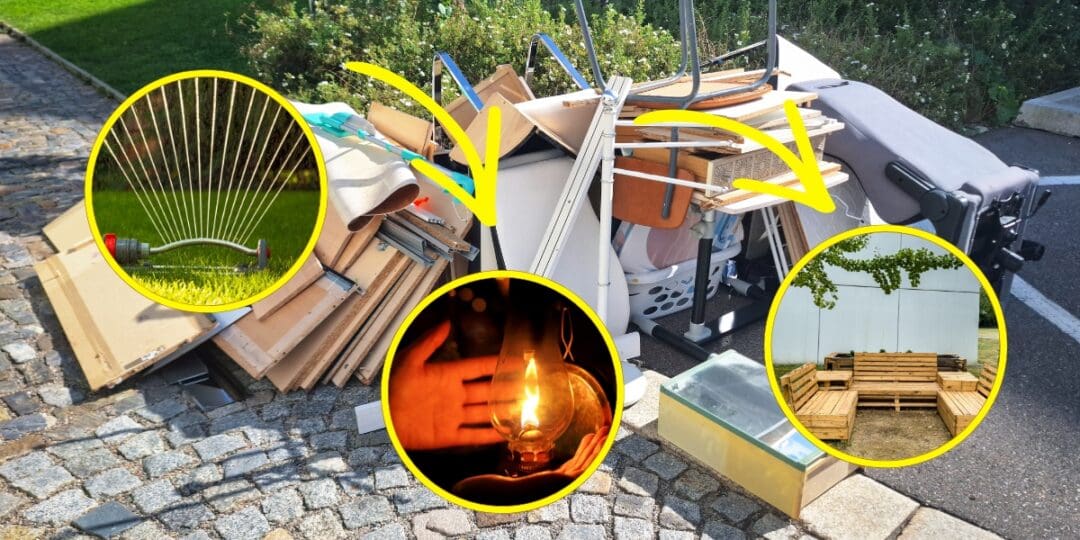
If you’re anything like me, you’ve got a corner of the garage or barn where random stuff just piles up. Old jars, bent screws, a cracked garden hose, that washing machine drum you swore you’d do something with. Most people look at that pile and see junk.
On a homestead, though, that pile is a goldmine. Every jar, pallet, and stray bolt is a project waiting to happen, something that saves you a trip to the store and keeps perfectly good materials out of the landfill.
I’ve turned more “trash” into useful stuff around my property than I can count, and I’m betting you can too. Here are a couple of things you should never, ever throw away.
Glass Jars and Bottles
I save every single jar that comes through my kitchen; mason jars, salsa jars, pickle jars, you name it. On my homestead, clean glass jars are extremely precious and you are about to see the exact reasons why.
There is a high chance you already know the drill and use your jars for basic activities such as canning, dry storage, making herbal tinctures, or even pouring homemade candles. The tight lids keep out moisture and critters, which makes them perfect for storing dried beans, herbs, and dehydrated fruit.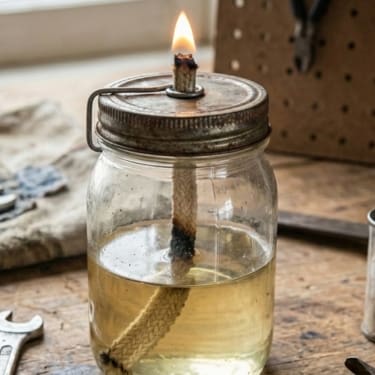
But here’s where they really earn their keep: organization. I label jars and use them to sort screws, nuts, bolts, and washers by size. The clear glass lets me see exactly what’s inside, and it beats rummaging through a junk drawer every time I need a specific screw.
There was a time last fall when a gate hinge snapped and I needed a replacement bolt fast. Walked straight to my jar of sorted hardware, found the right size, and had the gate fixed in ten minutes. That jar saved me a 30-minute round trip to the hardware store!
And if you think jars are only good for storage, let me tell you about the time the power went out for two days straight last winter. No flashlights with working batteries, no candles left. I grabbed an old mason jar, a piece of cotton wick, and some kerosene I had in the shed, and put together a simple oil lamp in about five minutes.
It lit up the kitchen enough to cook dinner and kept us going until the power came back. That little jar went from holding leftover screws to being the only light source in the house.
You can also turn jars into gift containers for homemade salves and sauces. If you’ve got more jars than you know what to do with, that’s a good problem to have.
Pallets and Scrap Wood
If you see a free pallet on the side of the road, grab it. Seriously. Old pallets and scrap lumber are some of the most versatile materials you can get your hands on, and they cost nothing. Pallets can be turned into compost bins, garden gates, hay feeders, tool organizers, and trellises with just basic tools and some wire or screws.
Here’s what I’ve built from pallets on my own homestead:
- A three-bin compost system using nine pallets wired together. Took about an hour and handles all our kitchen and garden waste.
- A tool rack by screwing hooks and brackets onto a single pallet and mounting it on the shed wall. Every rake, shovel, and pair of pruners has a spot now.
- A simple garden gate from two pallets bolted together with a set of hinges.
Beyond pallets, don’t overlook scrap boards and offcuts. Even small pieces of lumber can become floating shelves, cutting boards, or picture frames. I keep a bin of scrap wood sorted by size, and I pull from it constantly. The key is to think of every piece of wood as a future project.
Washing Machine Drums and Appliance Parts
When an appliance dies, don’t drag the whole thing to the dump. Strip it first. The stainless steel drum inside a washing machine is one of the most useful things you’ll ever salvage.
The most popular project is a fire pit. Set the drum on a ring of bricks or cinder blocks and you’ve got a contained campfire with built-in airflow from all those little holes. It holds embers safely, it’s easy to clean, and it looks surprisingly good. My family uses ours for summer cookouts and it’s held up for three years now.
But fire pits are just the beginning. Here are some more projects you can try:
- Large planters with excellent built-in drainage are great for tomatoes or potatoes.
- Root vegetable storage bins that keep pests out while letting air circulate.
- Worm bins or mini compost tumblers for small-scale composting.
- Slow-drip irrigation reservoirs: bury one in a garden mound, fill it with water, and let it seep out gradually through the holes.
If you’re not sure how to remove the drum, there are plenty of tutorials online. It usually takes a screwdriver, a socket wrench, and about 20 minutes.
Old Tires
Worn-out tires are one of those things most people pay to get rid of. A used tire is one of the most durable, weatherproof building materials you’ll ever find, so with this in mind, make sure you keep yours and pick up any you might happen to randomly find. 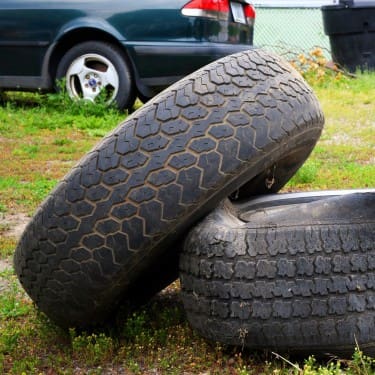
The simplest project is turning a tire into a planter. Clean it up, give it a coat of spray paint if you want, fill it with soil, and grow strawberries, herbs, or lettuce. Stack two or three tyres for a deeper raised bed that warms the soil faster in spring, which is great for potatoes and root vegetables.
Related: DIY Smokehouse In A Barrel
Beyond gardening, here are a few more ways to put old tyres to work:
- Outdoor seating: Bolt two tyres together, add a round piece of plywood and a cushion on top, and you’ve got a weatherproof stool that’ll last for years.
- Animal feeders: Cut a tyre in half and you’ve got two instant feeding troughs.
- Kid’s swing: Hang a tyre horizontally from a sturdy branch with three chains. Classic, fun, and practically indestructible.
- Garden paths: Lay cut sections flat between beds to create non-slip walkways that won’t rot or shift.
I turned an old tractor tyre into a raised potato bed two summers ago and pulled out more spuds than I expected. It cost me nothing but twenty minutes and a bag of soil.
Hardware Odds and Ends
Every loose screw, nut, bolt, washer, and hinge that passes through your hands should go into a jar. Make sure to sort any reclaimed hardware by type and condition. I can tell you from experience that this habit pays for itself over and over.
Vintage hinges and screws can also be surprisingly valuable if you’re restoring an older home because modern replacements often don’t match the originals. And if you end up with hardware that you are sure you won’t use, you can donate usable pieces to organizations like Habitat for Humanity or sell scrap metal to a local yard.
Plastic Barrels and Big Containers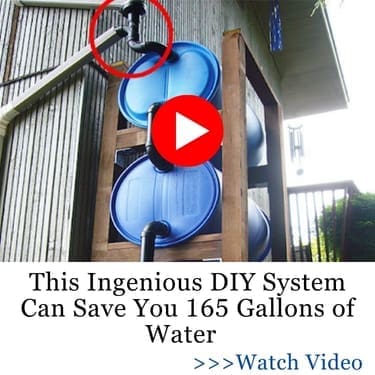
If you can get your hands on a food-grade 55-gallon plastic barrel, hold onto it. The West Virginia University explains that these barrels make excellent rain collection systems when fitted with a spigot and connected to a downspout. You capture free water for your garden, reduce runoff, and lower your water bill, all from a barrel someone was going to throw away.
Here’s how to set one up:
- Find a food-grade barrel – bakeries, car washes, and food distributors often give them away or sell them cheaply.
- Cut a hole in the top to fit your downspout or attach a screen to keep out debris and mosquitoes.
- Install a spigot near the bottom so you can attach a hose or fill watering cans.
- Elevate the barrel on cinder blocks to improve gravity flow.
Beyond rain collection, clean barrels work great for compost tea brewing, bulk grain storage, fermented animal feed, and even as large waterers for livestock. I converted two barrels into a rain system last spring and it kept my garden watered through a dry July without touching the hose.
Old Garden Hoses and Rubber Tubing
That cracked, leaky hose you’re about to throw out still has plenty of life in it. You will not use it as a hose anymore but keep reading and see what you can do with it.
The best one is a DIY soaker hose. Punch small holes every few inches along a section of old hose, cap one end, and weave it through your garden beds. Connect the other end to your spigot and you’ve got slow, even irrigation right at the root zone. I did this for my tomato rows and it works just as well as the store-bought version.
Here are a few more ways to reuse old hoses:
- Tool protection: Slip a short section over saw blades, machete edges, or pruning shears when they’re stored. Protects the blade and your hands.
- Bucket handle cushions: Wrap a piece around wire or metal handles to make carrying heavy loads easier on your grip.
- Tree protection: Slide hose sections over the wire where you tie young trees to stakes. It keeps the wire from cutting into the bark as the tree grows.
Make the Most of What You Have
Every item on this list was headed for a landfill before it got a second chance. But that’s the beauty of a self-sufficient mindset! You start looking at things differently and suddenly see all the opportunities you can use scraps to give them a second life.
As you can see, a cracked hose becomes part of an irrigation system, a pile of pallets becomes a compost system. None of these projects requires fancy tools or a big budget, just a willingness to see potential where other people see junk. Next time you’re about to toss something, take a second look. You might be throwing away your next project.
You may also like: 
DIY Solar Food Dehydrator from Pizza Boxes and Aluminum Foil
How to Build a Native American Subterranean Roundhouse in Your Backyard (Video)
How To Build A Cheap Bunker In Your Backyard
DIY Tools You Can Make from Bark, Rocks and Trees
Off-Grid Tools You Should Look For At Flea Markets