You probably have a box of cornstarch sitting in your pantry right now, and you probably think it is only good for thickening gravy and pie filling.
But I promise you that by the time you finish this article, you are going to look at that little box differently.
Cornstarch alone can handle a whole list of jobs around your homestead that you have been buying separate products for. One box of it costs a few dollars and lasts for years. This is the kind of trade I like and that’s why I want to share it with you.
I am going to walk you through the uses I actually trust, the ones I have done myself, and I will be straight with you about one popular tip that does the opposite of what people claim.
Now, let me show you what cornstarch can do.
Why This Works in the First Place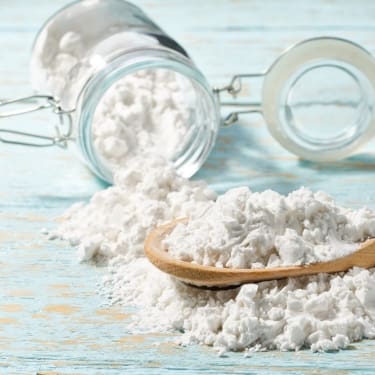
Before we get into the uses, it helps to understand the one thing cornstarch does best. It absorbs like no other.
This fine, dry powder soaks up oil, grease, and moisture like a sponge.
It also has a soft, slightly gritty texture that can polish a surface without scratching it. Almost every use I am about to share comes back to those two qualities.
But not all of them. Some truly surprised me.
Lifting Grease and Oil Stains Out of Fabric
When you are homesteading, things can get messy and this is the trick that saved most of my working clothes. No matter whether you change the oil on the tractor, you render lard, you work on the truck, sooner or later you wipe your hands on your pants without thinking.
When you catch a fresh grease stain, the worst thing you can do is rub water into it. What you should do instead is reach for the cornstarch.
Here is how I handle it. Lay the fabric flat and sprinkle a thick layer of cornstarch right over the stain, enough to cover it completely. Let it sit. For a fresh stain, fifteen minutes is enough, but for an older or heavier mark, I leave it on for a couple of hours or even overnight.
The powder pulls the oil out of the fibers while it sits. After you wait, brush it away with a soft brush, dab the spot with a little dish soap and warm water, and wash the item like you normally would.
This works on more than clothing. You can use the same trick on upholstery, carpet, and even leather and suede, which most regular stain removers are too harsh for. On a carpet or couch, you skip the washing step. Just let the cornstarch absorb the grease, then vacuum it up.
Also, if you want to keep your clothes squeaky clean without using electricity, there’s an easy solution. You can build an off-the-grid washing machine. It costs you $12 and it takes 10 minutes. I know it sounds crazy, but this is a solution that works incredibly well. In case you want to try something more complex, there is also the bicycle-powered washing machine. → Click here to see the full build for both methods.
Another way to power up your washing machine on your homestead is by relying on alternative energy. → See how to build your own wind turbine.

Dust Bath for Your Chickens
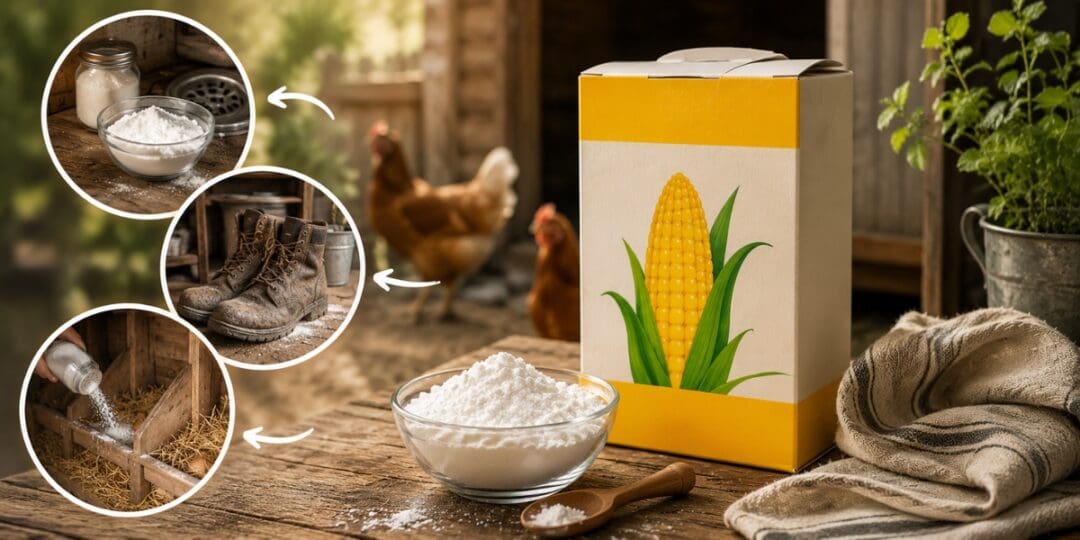
If you keep chickens, you know they need a dust bath. It is how they keep their feathers clean and how they fight off mites and lice. Most of us build the bath out of dry dirt, a little sand, and some wood ash from the stove. That mix works well on its own.
But a small scoop of cornstarch stirred into the mix gives your birds something extra. It helps absorb the excess oil in their feathers, which keeps them looking shiny and clean and helps cut down on feather damage over time. The powder is fine enough to work down to the skin, right where the birds need it.
But please be careful. Cornstarch is amazing in this mix, but it does not replace the basics. Your base should still be dry soil, sand, and wood ash, with food-grade diatomaceous earth in small amounts if you are fighting parasites.
Also don’t forget to keep the whole bath dry. A damp dust bath is no dust bath at all, so set it somewhere under cover where the rain stays out.
How to Recognize Chickens That Have Parasites
Since I brought up mites and lice, let me show you how to spot them, because a dust bath helps prevent parasites but will not fix an infestation you already have.
Every couple of weeks, pick up a hen and part the feathers around the vent, under the wings, and at the base of the tail. Lice are pale and straw-colored, and you will see them scurry when the light hits them. You might also spot tiny white clumps on the feather shafts, which are the eggs. Mites are smaller and harder to see, often reddish or gray.
Other warning signs are a pale comb, scabs near the vent, ragged feathers, or a drop in laying. If one bird has them, treat the whole flock right away.
Also, did you know that recognizing when your chickens are sick is one of the greatest challenges for homesteaders?
Chickens are sneaky when it comes to health issues and this is why many people lose their entire flock in just a few weeks.
It almost happened to me one time and since then I decided that I have to be more careful. I bought some new chickens from the local hatchery and they seemed fine. Little did I know they had bronchitis. This spreads like wildfire if you are not prepared.
I was lucky that my husband Mark noticed that some things were not right. He saved the whole flock.
Since then, I decided that recognizing signs of illness in chickens is a top priority. I found a lot of useful information when I started reading more about how the Amish handle their chickens. They have some amazing strategies that only they know to keep their flock in the best shape.
If you want to read more about this, you can find all the info here. It helped me big time and that’s why I want to recommend it to you.
👉See how the Amish keep their chickens healthy.

Polishing Leather, Metal, and More
I bet a lot of your tools and gear are made out of metal and leather. I want to tell you that cornstarch can be used to make them look almost new. It’s one of the best things you can use for maintenance.
For leather boots, work gloves, or tack, mix one part cornstarch with one part water into a thin paste. Rub it onto the greasy or dull spots with a soft cloth and let it sit for ten or fifteen minutes. The cornstarch clings to the oils in the leather and pulls them up, which brings back the natural shine without any harsh chemicals. Wipe it clean with a dry cloth and you will see the difference.
For metal, especially stainless steel, the trick is even simpler. Sprinkle a little cornstarch onto a slightly damp cloth and rub it onto the surface in small circles, then buff it dry with a clean cloth. I use this on flatware, on the front of the refrigerator, and on the stainless parts of my kitchen. It cuts the smudges and leaves a clean shine.
But I have one warning. Never combine cornstarch with bleach or other strong cleaning chemicals. This creates a powerful chemical reaction that can be dangerous. Just use the cornstarch alone and things will be fine.
Make Odors Disappear 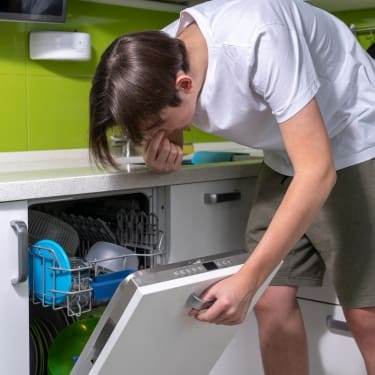
Since cornstarch absorbs moisture, it also absorbs the smells that are trapped in that moisture.
For example, you can sprinkle it over a carpet or rug, focus on the high-traffic spots and anywhere the dog likes to lie down, and let it sit for thirty minutes to an hour. Then vacuum it up. All the smells will be gone.
I do the same thing with boots and shoes that need a refresh. A spoonful of cornstarch in each boot overnight, shaken out in the morning, makes them smell like I just bought them.
You can also freshen a mattress this way, which comes in handy if you have little ones or you are airing out a guest bed. Sprinkle it on, give it time to pull the moisture and odor out, then vacuum thoroughly.
Protect Plants Against Pests
Now for the use that surprises people, along with the honest truth behind it.
You will see cornstarch recommended all over for the garden, and a lot of that advice is questionable. This is why I want to be honest with you and give you the real answer.
A light, dry dusting of cornstarch on the leaves where aphids and other soft-bodied pests are feeding can help. Those tiny insects grip the leaf with delicate little claws and waxy feet, and a thin coat of dry powder makes that grip slip. They spend their energy grooming and losing their footing instead of feeding.
But here’s the catch: it won’t kill the adults on contact or wipe out the eggs, so treat it as one nice thing that might help a little. This is not a real solution.
Also, DON’T mix cornstarch with water and spray it on your plants as a homemade fungicide. You will find that recipe everywhere, and it does the opposite of what people claim. Wet starch sitting on a leaf in warm, humid weather becomes food for mold and fungal disease.
Garden trials have shown plants sprayed with a wet cornstarch slurry came down with far more gray mold than plants left alone. This lines up with what the horticulture researchers at Washington State University Extension found about cornmeal, which gardeners push for the same reason.
Their work shows that corn products do not fight fungus in the soil at all. They actually feed it, since labs use them to grow the very fungi we are trying to stop.
So dust dry if you want the pest benefit, but never wet it down and call it a fungicide.
The Homemade Pest Control Spray That Works
Ok, I told you that cornstarch is not a pest control method at all, but what now? Well, now I want to tell you about a solution that I tested in my garden and had surprising results.
This is a pest control spray that focuses on the things that nature already gave us. The main ingredient is garlic and its powerful antioxidant and antibacterial properties.
Probably you have already heard that many people use garlic to make various remedies. Well, this also works for plants. Its strong fragrance, paired with its miraculous properties, can keep pests away from your garden and help affected plants recover faster.
Discover how this spray works and get the full recipe.
DIY Homestead Cornstarch Kit
If you want to put all this to use, set yourself up so cornstarch is ready when you need it. This takes ten minutes.
Start by filling a clean, dry glass jar with cornstarch and labeling it, so it does not get mistaken for the baking supply. Keep it on a shelf in your work area, not in the damp.
Next, repurpose an old spice shaker or a clean parmesan container by filling it with cornstarch. The holes in the lid make it easy to sprinkle a light, even layer on a stain or a plant leaf without dumping out half the jar.
Then set a small soft brush and a clean cloth beside the jar. That covers your stain lifting and your polishing in one spot.
Now you have a little kit ready for grease, odors, and the rest. When something comes up, you are not digging through the pantry. You just grab the shaker and go.
Final Thoughts
What I love about cornstarch is that it reminds me how much we already have on hand. We get so used to buying a separate product for every little job, when one cheap box from the pantry can handle half of these jobs.
But, as you can see, it’s not a magical trick that solves everything, and I have tried to be honest about where it falls short, because I would never want you to lose a row of plants chasing a tip that does not work.
But for lifting grease, freshening up a musty room, and shining your gear back up, it’s one of the most useful things ever.
You should give it a try.
You may also like: 
Why Tap Water Might Be Slowly Killing Your Garden
Whatever You Do, Don’t Chop Down This Backyard Tree (Video)
How to Grow Carrots: From Seed to Root Cellar
The $0 Garden to Build in 2026
What Happens When You Use Baking Soda In Your Garden?