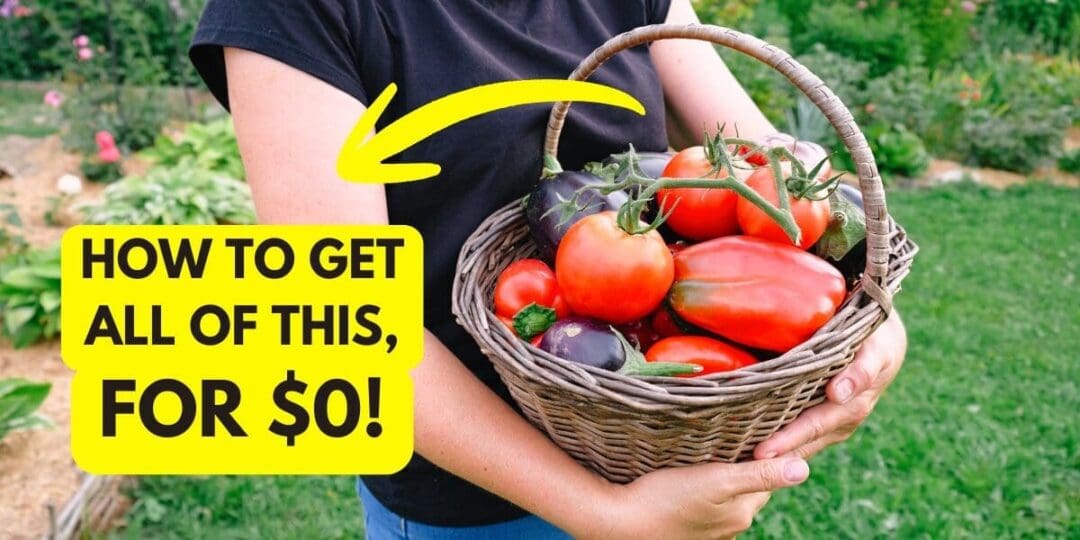
Starting a new garden might feel like a burden when you consider the expenses. But I want to share something with you: In reality, gardening doesn’t require a budget. One century ago, people were not heading to Home Depot to get their supplies. They were able to use whatever they had available, and they built gardens that supplied them and their family with food until the end of their lives.
There is no need for fancy raised beds, expensive irrigation systems, or a $40 bag of soil amendments. You just need to see how to take advantage of all the things you already have at your disposal. This approach can make all major gardening expenses disappear. Nature knows how to take care of itself and will also take care of you when you know how to control it. So, let’s see how to achieve the $0 garden!
Keep Plants Warm Without a Greenhouse
A microclimate is simply a small area within your property where the temperature, wind, moisture, or sunlight is slightly different from the surrounding space. And you can create one by using the free perks your yard has to offer.
That south-facing wall on your house or shed is amazing at storing heat during the day and radiating it at night, giving you a warmer patch of soil that extends your growing season by weeks. No greenhouse needed.
Then you have your fences. They serve double duty as windbreaks and trellis anchors. Strong winds can stun plants and in this case, planting them behind a fence can make a huge difference, making them more productive and healthier.
As with walls, any paved surface creates a warm zone. Asphalt and concrete absorb heat all day and release it slowly at night. Plant heat-lovers like tomatoes and peppers near these areas and they’ll do better than the same varieties planted in open ground. Even random stuff helps. Old brick piles, stone borders, scrap metal sheets, they can store heat and release it when the weather gets cold.
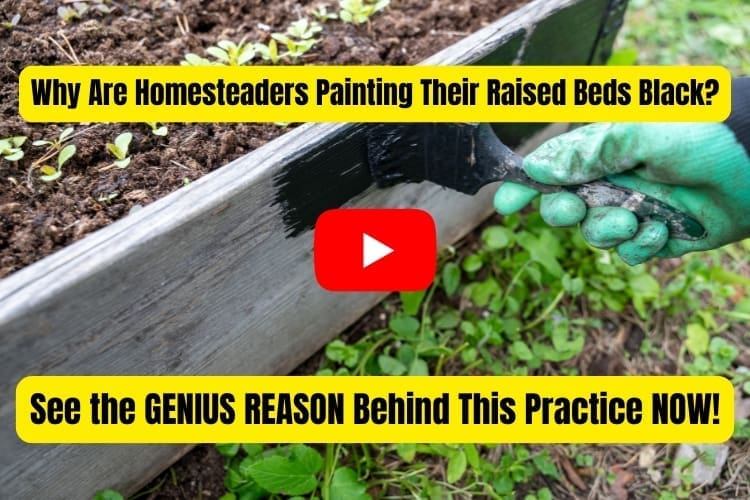
But if you want this method to work at its full potential, you need to make sure your garden beds are built properly. You might think that making your own garden beds is incredibly easy, and indeed it is if you know some simple but game-changing tricks. Click on the video below and see how you can build raised garden beds that are both rainproof and disease-proof.
Weeds Are Not Your Enemy
Compost is incredible, but it takes time you might not have. Here’s what works faster: grow weeds on purpose, then use them as fertilizer.
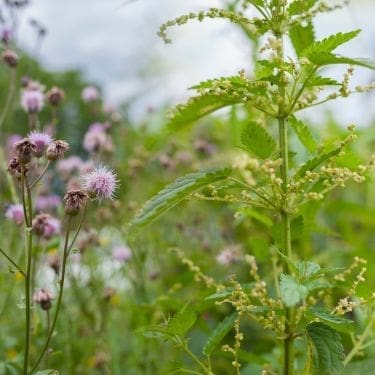
Pick a spot you’re not using yet. It could be the future garden expansion area or just a corner of the yard; it doesn’t matter. Let weeds grow there all spring, and keep in mind that the best ones are the fast-growing types, such as lamb’s quarters, chickweed, nettle, and purslane, which build biomass quickly. Once they’re knee-high but before they seed, cut them down. This is essential because you don’t want to spread their seeds around and create a problem.
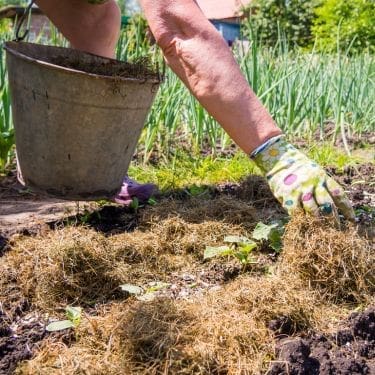
That pile of cut weeds becomes instant mulch and fertilizer for your actual garden beds. Spread it in a thick layer around your plants. The weeds will break down fast, feeding the soil and suppressing the next round of weeds underneath it. This is how you make a free fertilizer and weed control solution in one move.
Regrow Food From Scraps
This is an old idea that is constantly promoted in the homesteader community. The thing is, it really works, but you need to know what scraps are producers. Wasting your time with scraps that do not return the effort is not an efficient strategy, but many people fall into this trap because most plants can regrow. Here I want to share with you my favorites and the ones that helped me build my garden the most.
Green onions
They are the easiest win. Cut them an inch above the roots, stick the roots in soil or even a jar of water, and you’ll have new green tops in a week. I’ve regrown the same bunch four or five times before they finally gave out.
Celery
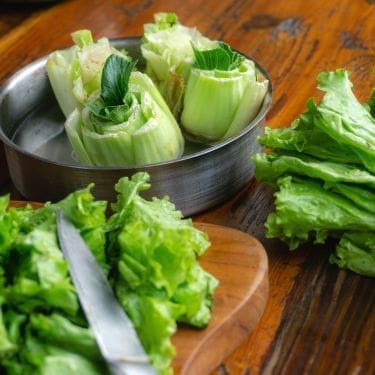
Its base works for leaves, but not for full stalks. Put the base in shallow water until roots form, then plant it in your garden. You won’t get grocery-store celery, but you’ll get plenty of flavorful leaves for cooking.
Potato eyes
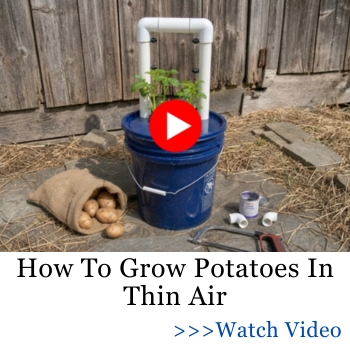
This is another reliable option. If you have old potatoes that sprout in your pantry, just plant them. Each eye will become a new plant. Store-bought potatoes are sometimes treated to prevent sprouting, but organic ones or anything that’s been sitting a while usually works fine. You’ll get a decent harvest from what would’ve been trash, so I really like the sustainability of this idea and that’s why I use it every year.
Ginger
This one regrows slowly, but you can rely on it. Break a knob into sections with growth buds, plant them, and wait. It takes months, but eventually you’ll have more ginger than you started with.
Scraps are very good for getting early greens while your main garden is establishing. They’re not a replacement for serious food production, but they’re basically free resources.
Plant Crops That Multiply Themselves
When you build the $0 garden, your main focus should be on plants that reproduce with minimal effort. These will be your main crops.
Garlic multiplies every year. One clove becomes a bulb with 6-10 cloves. Plant those and suddenly you have 60-100 cloves next year. Within three years, you have more garlic than you can use and plenty to share or trade.
Potatoes do the same. One seed potato becomes 8-12 new potatoes. Keep the best ones for next year’s seed and you’ve got an infinite potato supply.
Jerusalem artichokes (sunchokes) are almost too good at multiplying. One tuber becomes 15-20 by harvest. They’re aggressive spreaders, so plant them where you want a permanent patch, but they’re also incredibly productive and pest-resistant.
Squash plants produce hundreds of seeds per fruit. Save seeds from one butternut squash and you have enough to plant a quarter acre next year. Same with beans and peas.
Perennial herbs like mint, oregano, and thyme expand on their own and can be divided every few years into more plants. One mint plant becomes a mint patch in just one spring.
Depending on your plants, your garden can very well become a seed factory that you can use to be productive year after year.
You Already Have All the Fertilizer You Need
Compost tea is the classic and is easy to prepare. Take some finished compost, toss it in water, let it steep for 24-48 hours, strain it, dilute it, and water your plants with it. This is how you extract all the nutrients from compost, but in liquid form that plants can access immediately.
If you want to double your harvest, use the “Three Sisters” Method. This unique way of companion planting will help you get corn and beans like no other conventional technique. Click here and see how to do this the Amish way.
Then you also have wood ash water, which is an incredible source of potassium, the golden mineral all plants love. If you heat with wood or have a fire pit, make sure you save the ashes. All you’ll have to do is mix a small amount of ash into water, let it settle, and use the liquid as it is. But remember that using too much wood ash water is not advised because it’s alkaline and will throw off your soil pH. Once per week is enough.
Related: The Natural Garden Booster Hidden in Most American Kitchens
Even if you have a small backyard or just a tiny space you can use as a garden, you still have enough space to produce food. People have been able to produce amazing harvests in some of the direst conditions and you can do that too.
The most practical way is to grow vertically. For example, straight branches make perfect poles for pole beans and peas. You can start with this. Make tripods by tying three or four poles together at the top, or build A-frames by lashing poles into a peaked structure.
Broken ladders still support climbing plants even if they’re not safe for humans anymore. Stand them up, lean them, or lay them horizontally between two supports.
Any kind of wire, rope, or strong twine can be strung between existing structures to create climbing surfaces. Tomatoes, cucumbers, beans, and peas all grow up instead of sprawling out, which means more food from the same square footage.
Vertical growing gives you better air circulation, easier harvesting, and cleaner fruit that’s not sitting on the ground. The materials cost nothing if you look around for them.
Water Is Essential, but You Don’t Need to Overcomplicate
When starting a garden, everybody instantly thinks about what irrigation system to build, but not so many think about water retention. This is something you can use to your advantage.
For example, sunken beds work incredibly well in dry climates. If you want to build something like this, stop raising your beds above ground level and instead let a shallow hole form and plant there. Water will flow to the low spot and stay there instead of running off.
👉 The Easiest Way to Reduce Watering Without Hurting Your Plants
Another practice is to have your plants close enough to one another so they create shade, and in this way, the soil between them will remain watered longer, as the water will not rapidly evaporate since shade protects it from the sun.
Heavy mulching is your most powerful water-saving tool. You need a thick layer of organic matter, such as wood chips, leaves, straw, cut weeds, which acts as insulation. It keeps soil cooler, slows evaporation, and breaks down into fertility. Free mulch is everywhere if you’re willing to look: roadside leaf piles in fall, wood chips from tree services, grass clippings from your own lawn.
Control Pests by Supporting Helpful Predators
Creating a habitat for the creatures that eat pests will save you valuable cash you would have spent on pesticides.
Leave the brush grow in the places you don’t use. Snakes, toads, and lizards live there and hunt slugs, insects, and small rodents. I know brush piles look messy, but they’re pest control that works 24/7 without you doing or spending anything.
Leave water out in the garden. Beneficial insects, including predatory wasps, need water sources. These wasps parasitize aphids, caterpillars, and other garden pests. A pie pan with rocks in it (so insects don’t drown) brings them to your garden.
If you have chickens, temporary fencing lets you rotate them through garden areas when crops are done or before planting. They eat bugs, scratch up pest larvae, and fertilize while they’re at it.
Spring Is the Perfect Time to Start
Building this self-sustaining system will return the most results if you start during the spring. This is also the season that gives you a head start.
Start small. You don’t need to implement everything at once. Pick three ideas from this article and test them this season. Next year, add the rest. The garden that costs nothing to run takes a few seasons to establish, but once it’s rolling, it feeds itself and expands with minimal input from you.
You may also like:
Bucket Gardening: How to Grow Your Own Food Anywhere
This Is Why You Should NEVER Bury a Shipping Container! (Video)
This Tiny Bug Can Destroy Your Garden in 48 Hours
Gardening Myths That Are Actually True
This DIY Garden Setup Can Feed Your Family All Year