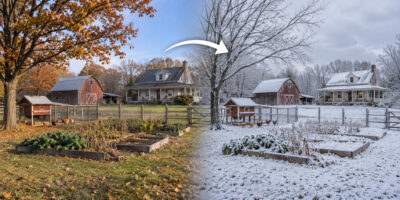
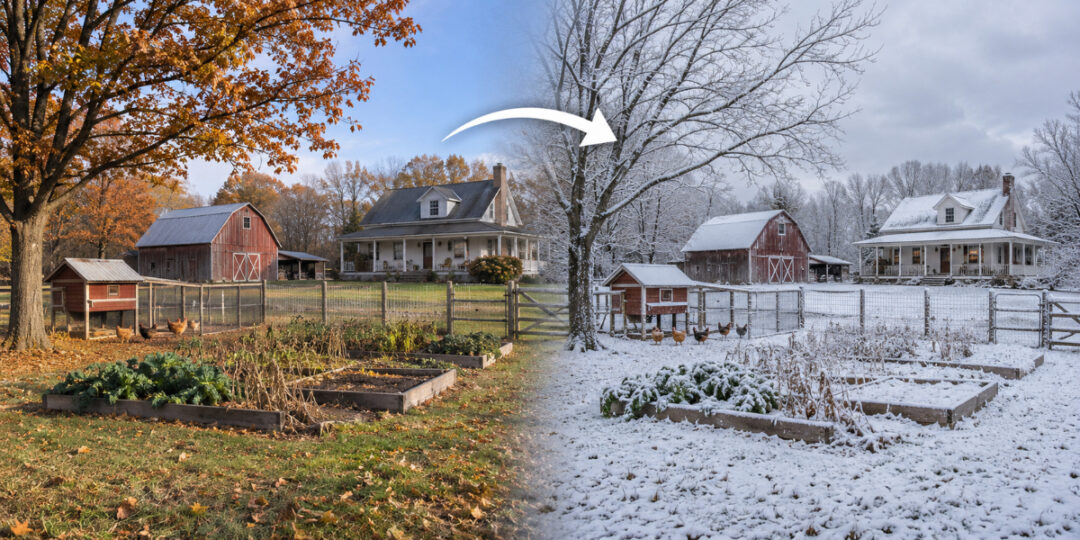
There’s this short stretch of time between fall and winter when you still have a chance to get things done before the real cold sets in.
And I think these few weeks can make a big difference in how your winter goes on the homestead.
Because once the ground freezes, the snow starts piling up, and temperatures drop below freezing, even the simplest chores become a headache.
And believe me, you don’t want to discover a problem with your chicken coop, water supply, or heating system in the middle of a January snowstorm!
That’s why now is the time to take care of things you’ve been putting off.
I’ve put together a checklist of 10 tasks worth finishing before winter arrives.
How many have you already done?
Take the Hoses Off Your Hydrants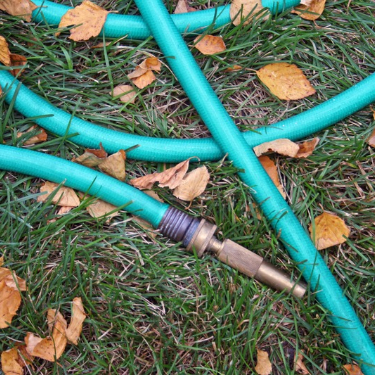
Drain the water out of your garden hoses, coil them up, and put them somewhere dry. Leaving them outside all winter is how you ruin them.
Now, I want to talk a little about frost-free hydrants in case you have one of these. They’re designed to drain the water out of the pipe below the frost line every time you shut them off. This keeps them from freezing.
But if you leave a hose attached, or even a splitter or a tightly closed nozzle, the water may not drain properly.
And when that trapped water freezes, it can split the pipe. You might not even notice until spring, when you turn the water on and discover a leak underground.
So disconnect every hose, even from hydrants you still use during winter.
But what if one of your pipes bursts anyway?
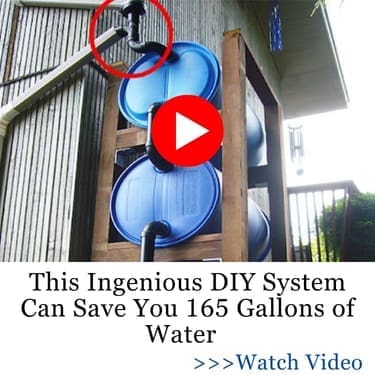
There’s a simple trick that can help you patch a leaking pipe in just a few minutes, without calling a plumber.
And there are plenty of other useful skills like this that most of us never think about until something goes wrong. Unclogging a stubborn drain or knowing what to do with a damaged electrical cord, for example.
That’s why I think these old-fashioned, practical skills are worth keeping around.
Take a look here and make your homestead more self-sufficient today.
Stock Up on Dry Firewood and Clean Your Chimney
If you cut and split firewood this fall, don’t expect to burn it this winter. Softwood usually needs at least 6 months to dry, while hardwood can take 12 months or longer.
Before burning any wood, check it with a moisture meter. Split a log and test the freshly exposed wood inside. You want a moisture reading of 20% or less. If it’s wetter than this, it will produce far less heat than it’s capable and more smoke.
So, my advice would be: If you’re running low, buy seasoned firewood now. Stack it off the ground, cover the top, and leave the sides open so air can circulate.
And have your chimney inspected and cleaned if needed before your first fire.
One more thing: Keep some extra firewood on hand. A long cold spell can use up your supply faster than expected.
Also, did you know that you can build a simple space heater that only works on used cooking oil?
This is made from materials everybody already has in their junk pile and it’s a good backup to have during the winter. Even more so, considering the fuel you feed it is something you would have otherwise thrown away. See how to build it here.
Stock Up on Enough Hay and Feed for Winter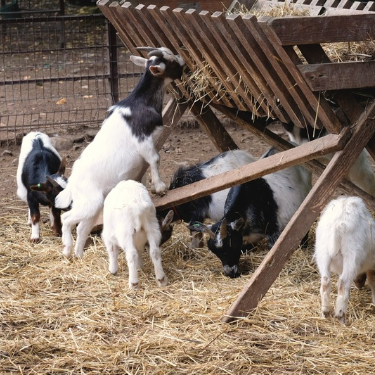
Good hay gets harder to find and often costs more as winter goes on. So figure out how much your animals eat in a week, multiply that by the number of winter weeks, and add some extra just in case.
Store your hay off the ground and under cover to keep it dry and prevent mold.
While you’re at it, make sure you have enough of these supplies:
- Bedding and minerals
- Feed and any needed medications
- Vet wrap and basic first-aid supplies
- A spare heated water bucket
- Propane for heating
Don’t wait until a snowstorm hits to discover you’re running low. Stocking up now is better than driving in the middle of the winter looking for feed.
Cover the Bare Soil in Your Garden
Don’t leave your garden beds bare all winter. Rain and melting snow will wash away the good topsoil you’ve worked so hard to build. By spring, you’ll have compacted soil and plenty of weeds to deal with.
The easiest fix is to spread a few inches of shredded leaves or clean straw over your beds. If the ground hasn’t frozen yet, you can also plant cereal rye to help hold the soil in place.
Before covering everything, pull out any diseased plants, especially tomatoes, squash, and potatoes. Healthy plant debris can stay and break down over winter.
But you can do even more. With the right method, you can keep your garden productive even during winter.
The Amish have an old gardening method that’s been passed down for generations. And there’s a good reason they’ve kept using it.
Instead of just protecting their garden beds from the cold, they use this method to keep certain crops growing and even harvest fresh food during the colder months.
And the interesting part is that you don’t need an expensive greenhouse or electric heaters to try it.
See how the Amish winterize their gardens.
Close the Gaps Where Mice Move In
As soon as the weather gets cold, mice start looking for warm places to hide. And your barn, feed room, and even your tractor are perfect spots.
Start by moving all your animal feed into metal containers with tight lids. This is the best option because mice can chew through plastic.
Also make sure to check around pipes, doors, and foundations for small gaps. Seal them with metal mesh or steel wool backed by sealant.
And don’t forget about equipment you’re putting away for winter. Mice love nesting under tractor hoods, and they can chew through expensive wiring.
Keep the Coop Ventilated Instead of Sealing It Up
When winter arrives, you might be tempted to close every little gap in your chicken coop to keep the heat inside. But that can actually do more harm than good.
Chickens produce a lot of moisture through their breathing and droppings. And when that moisture gets trapped inside, it can lead to frostbite, even when temperatures aren’t extremely low.
Good ventilation helps remove moisture and ammonia from the coop.
So make sure you have vents up high, above where your chickens roost, to let the damp air escape. At the same time, block any cold drafts blowing directly onto the birds.
Here’s an easy way to check: If you notice frost forming on the inside of your coop windows, that’s a sign you may need better ventilation.
Want to make your chickens lay more eggs during the cold months?
Watch the video below and see how.
Spoiler: It’s an old method from the Balkans that American homesteaders are now using to turn extra eggs into cash.
Keep Your Canned Food From Freezing
If you had a good canning year, chances are your pantry is already full. So you might have moved some jars to the garage, porch, or shed. But those places can get cold enough to freeze your food.
When food freezes, it expands. This can crack the glass or break the seal, and you might not even notice the damage.
Oregon State Extension recommends keeping canned food above 34°F.
Here’s what I suggest: Put a thermometer in your storage area and check it on a few cold nights. If temperatures drop too low, move your jars indoors.
Keep them in a cool, dry spot, away from outside walls. And check the seals before using any jars that may have frozen.
Here’s a Clever Way to Make More Room for Your Food Stockpile!
I ran into the same problem after a good harvest. My pantry was full, and I didn’t want to leave extra food in the shed where it might freeze.
So I tried building a hidden pantry in a spot most people wouldn’t even think to use.
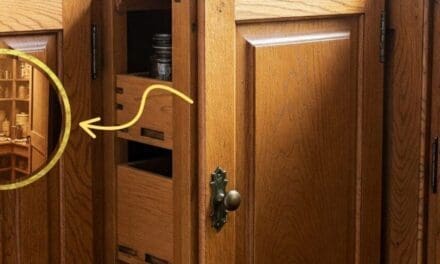
It’s actually a small cabinet built above a closet door, with a false front that makes it look like part of the wall.
You get extra storage without giving up any floor space, and your emergency food stays out of sight.
I especially like that you don’t need to build a whole new pantry to make it work.
See how to build this hidden pantry in your own home.
Protect Your Young Trees 
If you have young fruit trees, don’t forget to protect them before winter. Rabbits and voles love chewing on their bark, and if they chew all the way around the trunk, the tree can die.
The easiest way to prevent this is to put ¼-inch hardware cloth or white spiral guards around the trunks.
Make sure they go a little below the soil and reach above your usual snow level. Remember, rabbits can reach higher once the snow piles up!
And pull the mulch back from the trunks. Otherwise, you’re giving voles a perfect place to hide.
Remove the guards in spring.
Mark Everything Before the Snow Covers It
Once you get a good snowfall, half the things around the homestead disappear under the snow. This can be a huge problem because you don’t want to find your septic tank lid with a snowplow!
That’s why I like to mark everything while I can still see it.
You can use tall driveway stakes to mark your driveway edges, wellhead, hydrants, septic tank, and anything else the snow might cover.
And here’s something else worth doing. Keep your snow shovel, roof rake, and ice melt somewhere you can easily reach them.
You don’t want to dig through three feet of snow just to find your shovel!
Check Your Generator Before Winter
Not being able to start your generator is one of the worst things that can happen during winter…
Gasoline can start going stale in as little as 30 days, especially when it contains ethanol. Over time, old fuel can clog the carburetor.
So, check your generator now. Add fuel stabilizer according to the label and run the engine so the treated gas reaches the carburetor. Or drain the fuel system if you’re storing it.
Do the same for your snowblower and chainsaw.
And don’t just start your generator. Test it under a proper load to make sure it works.
Keep spare spark plugs and fresh oil handy, too.
But sometimes your generator can still simply fail during the winter, no matter how much you take care of it.
Or what if a winter storm knocks out the power for a week and you run out of gasoline? With roads covered in ice and gas stations closed, getting more fuel might not even be an option.
That’s why I think every homesteader should have a second source of backup power ready before winter.
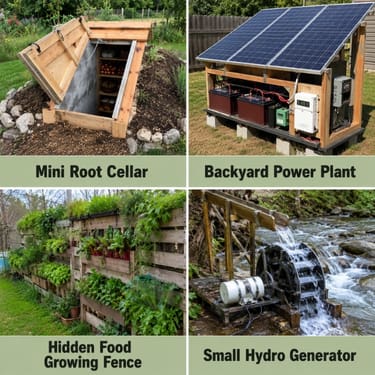
One project worth looking into is the Modular Backyard Power Plant. It’s a DIY solar and battery system you can build in three stages, depending on how much electricity you need.
- Module 1: 3-Day Blackout. A basic setup designed to keep essentials like your lights, phone, or small refrigerator running.
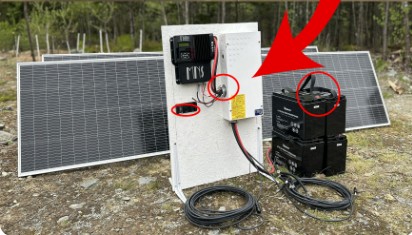
- Module 2: 1-Week Blackout. A larger setup designed to handle more appliances, including a freezer or water pump.
- Module 3: Long-Term Backup. Expands the system with an 800-watt solar array and additional battery storage for longer outages.
What I like most is that you don’t have to build everything at once. You can start small and expand it as your needs and budget allow.
And with winter approaching, I’d rather have a backup like this ready than try to figure things out after the power goes out.
Get your own Modular Backyard Power Plant.
How Ready Is Your Homestead for Winter?
This is a question you better start asking yourself today, because it can save your homestead later.
I hope this checklist will make things easier for you.
You don’t have to get everything done in one day. Just go through the 10 tasks, see what you’ve already taken care of, and make a plan for what’s left.
I’d start with the most important things, like your water supply, heating system, and generator. Then work your way through the smaller chores.
Now I’m curious. How many of these 10 tasks have you already finished? And what else would you add to this checklist?
You may also like: 
Foods That Grow Under Snow – A Homesteader’s Guide to Winter Harvests
The ULTIMATE Homesteading Seed Bundle 100% Non-GMO (Video)
9 Better Winter Insulators Than Foam
7 Low-Budget Projects You Should Make This Winter
Add This to Your Pantry to Keep Pests Away This Winter