Go out to your shed and look around for a minute. I’m sure you might have something in there that you’re not using anymore.
All of it worked, and nobody thought twice about any of it back then. Then somewhere along the way it got banned, or the rules changed, or it simply stopped showing up on the shelf, and you went along with it because what else were you going to do?
So here’s the question worth asking. Was any of that a good call?
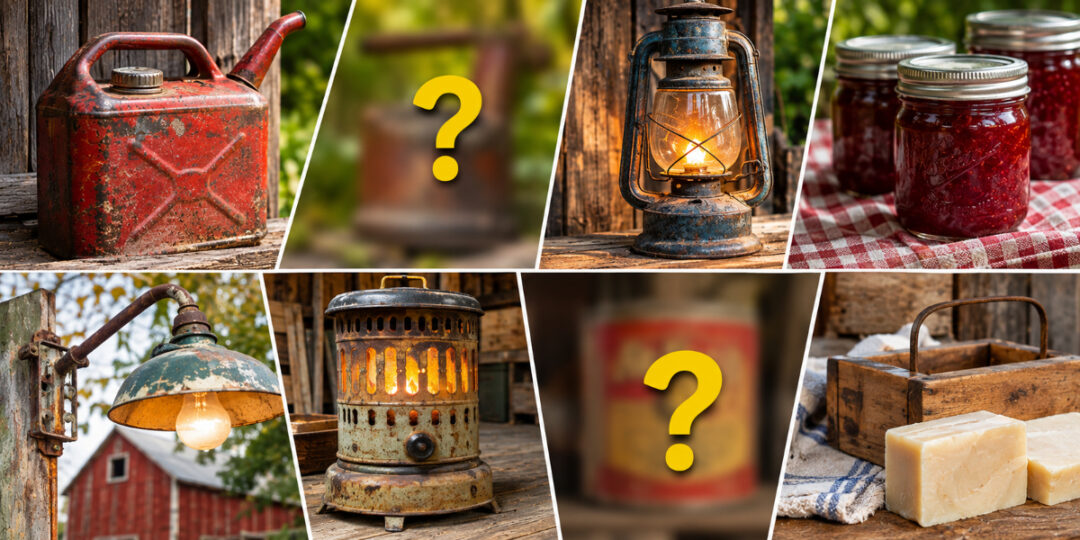
Here are ten of them, and what you can do about each one now.
The Gas Can With a Vent Hole
The old cans had two holes. The spout on one end, and that little vent on the back. People loved this design because the gas poured so smoothly.
Then, back in 2009, the rules changed, and the new cans have to breathe through the spout instead. That’s why yours glugs and bucks and ends up on your boots instead of in the tank.
But there’s a good part. This rule is about what gets made and sold. If you have something like this sitting in your shed, you can still use it!
And word now is the folks who make them are being nudged to put the vent back. Maybe we’ll get our good cans back one day.
Burning Leaves in the Fall
This is not an item, but it’s something people used to do every fall and now we are not allowed anymore.
Whether you can still do it depends entirely on where you live. Delaware shut it down statewide back in the 90s. New York won’t let you burn loose leaves at a house at all. Illinois went after yard waste way back in the 70s.
But a whole lot of the South, the Plains, and the Mountain West still say yes, usually with a permit and some rules about how big the pile is.
The Yard Light on the Pole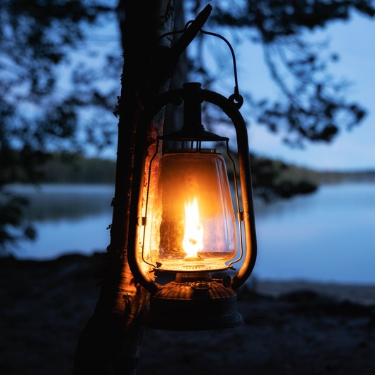
You know the one I mean. That bluish light up on a pole by the barn that came on by itself every single evening for thirty years. They used to be everywhere.
Those lights need a part inside called a ballast, and they quit making ballasts for them back in 2008. The bulbs were never the problem. So the light works until that part gives out, and then you’re buying a whole new fixture instead of a five-dollar bulb.
Same story with regular bulbs in the house. The old incandescents came off the shelves in 2023, though the little ones still get a pass. Appliance bulbs, bug lights, plant lights, and colored bulbs are all still out there, so check the box before you give up.
To be honest, if you go to Home Depot, you’ll see lots and lots of lighting options. But how many of these things are fit for an emergency scenario?
Yes, you might have the ones that are powered by solar light, but if you really think about them, they are not the best in an emergency, and I’ll tell you exactly why.
Maybe in the middle of the summer you have to charge them, but what happens in the winter?
This is why sometimes it’s better to look at the communities that are still living completely off-grid and learn some things from them.
I don’t think you should have to buy another expensive piece of equipment every time we need something as simple as light.
The Amish figured out ways to handle this a long time ago. Many still use old-fashioned oil and kerosene lamps instead of depending on electric lighting.
I came across some instructions explaining how this kind of lighting works and how to use it. And I think they’re worth keeping around, especially if you’re interested in living off-grid.
Take a look at these old-fashioned Amish lamps and the instructions here.
Wax on the Jelly and Zinc Lids on the Jars
My grandmother poured melted wax over every jar of jelly she ever made, set them on the shelf, and we ate every bit of it. I never saw a soul get sick.
But I don’t do it anymore, and I want to tell you why, because it’s the one thing on this list I feel strongly about.
Wax shrinks and pulls back from the glass as the jar warms and cools through the seasons. Once air sneaks under there, mold gets in, and mold in jelly can make you sick in ways you can’t see, smell, or taste.
The old zinc caps and the wire bail jars went the same direction. And this is why nobody should make them anymore.
So use the two-piece lids and give the jars a water bath. A little more work for a lot more peace of mind.
The Old Kerosene Heater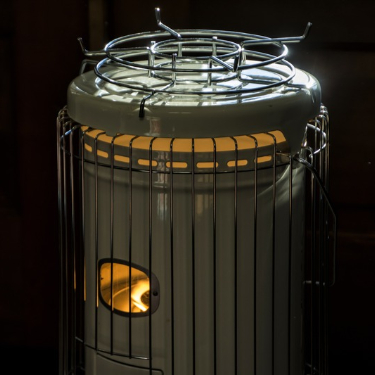
We kept one going in the shop for years. What I love about these heaters is that they make a lot of heat and they don’t care whether the power is on or not. This is exactly why people hang onto them.
They’re still perfectly legal in most of the country. Massachusetts won’t let you use one in a house and New York City bans them flat out. A bunch of states banned them in the eighties, then turned around and changed their minds, so the map is a mess.
If you run one, burn the good K-1 fuel and nothing else, and crack a window so it has air to work with. Also keep a carbon monoxide alarm right there in the room.
But sometimes we have no heater. What to do then?
A smart homesteader knows how to take care of themselves even in the most unexpected scenarios and that’s why I believe knowing how to make a space heater that runs on cooking oil is a great piece of off-grid knowledge.
If you want to see how easy it is to build one yourself, click here.
Red Devil Lye
For about a hundred years you could walk into the grocery store and pick up a can of Red Devil Lye right off the shelf, and every soap maker I knew used it. Then one day around 2005 the company pulled it, and that was that.
Lye itself was never banned, mind you. It just got harder to come by, and a lot of what sits on the shelf now has bits of aluminum mixed in, which will ruin a batch of soap.
So read the label and make sure it says 100 percent sodium hydroxide. Roebic and Rooto both make a crystal drain opener that works, and any soap supply place will ship you a bag.
And wear your gloves and something over your eyes. Lye was never friendly stuff, and that part hasn’t changed.
But did you know you can make soap with a process that’s 100% natural?
Nature took care of everything and it even gave us a way to make soap. Out there, in your own backyard, you might have plants that, once you know how to use them, you can basically make natural soap out of them.
And what is so fascinating about all of this is that all you need to use is the plant itself, with no chemicals added.
Click here and see how to make detergent out of some of the most common plants.
Smudge Pots in the Orchard
If you grew up anywhere near fruit trees, you remember these. Squat black oil pots set out between the rows, and somebody out there lighting them by hand at two in the morning when the frost came.
They were meant to warm the trees and protect them from the frost in early spring. They worked. They also put out so much smoke that people drove with their headlights on at midday, and California started reining them in as far back as 1950. The state only allows heaters built a certain way now, and the old open pots don’t make the cut.
A few states will still let you use smudge pots with a permit, and New Jersey has said yes to farmers in a bad frost year.
Leaded Gas in the Farm Tank
A lot of farms had their own tank sitting out by the shed, and what went in it was leaded. The tractor ran on it. So did the truck.
They stopped selling it for the road in 1996. And here’s the part that gets people, because it was never actually banned for farm equipment. That exception is sitting right there in the rules today.
The gas just quit showing up at the pump, and that was the end of it.
So if you’ve got an old engine built for the stuff, you have two choices. Put a lead substitute in the tank, or have hardened valve seats put in next time that head comes off.
R-12 in the Old Truck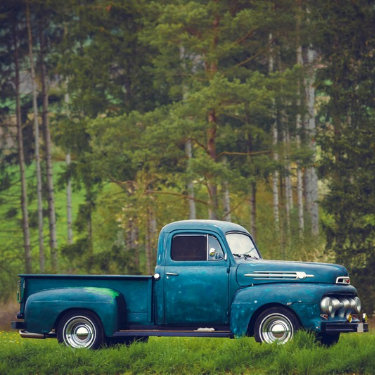
If your truck or your old cooler was built before 1996, odds are it’s running on R-12, and they quit making that at the end of 1995.
You can keep using it, and nobody is going to tell you to tear out something that works. But a shop can’t sell you a can unless you hold the license for vehicle air conditioning. There’s still some reclaimed R-12 floating around, and it costs about what you’d expect for something in short supply.
So when your system finally leaks out, you’re picking between paying up for the old stuff or converting over to the new. I’ve watched people go both ways, and both of them had good reasons.
What About All the Skills We Lost Along the Way?
To be honest, there are some items on this list that maybe are better never to bring back. They disappeared for good reasons.
But I do think we made a mistake when we stopped passing down the useful knowledge along with them.
Think about your parents or grandparents. How many things could they fix, build, or make themselves that most people today wouldn’t even know where to start?
Also, there’s something even more important than that. Who’s teaching those skills to the next generation?
This is why I want to tell you more about The Lost Skills of Independence.
This is basically a shortcut that lets you access hundreds of lost skills that are now more useful than ever.
It brings together 200 practical skills that used to be part of everyday life, from building a simple wood-burning stove and rendering lard to making a smokehouse or cooling your home without electricity.
How cool is that considering the world we live in today?
And this is not just another book that tells you how things are done. No! This is a book that truly shows you how to do the projects with step-by-step color illustrations and lists of the tools and materials you’ll need.
It’s even spiral-bound, so you can leave it open on your workbench while you’re following the instructions.
This is the book I keep around my homestead because it has a lot of things that come in handy. It’s a really practical book that helps you with your day-to-day tasks.
Take a look at the 200 forgotten skills collected in this book.

You may also like: 
The Free Seed Program Most Americans Have No Idea About
This Is How You Will Survive The Next Big Blackout (Video)
If You See This Weed In Your Garden, Your Soil Is in Trouble…
Why Did My Chickens Stop Laying Eggs?