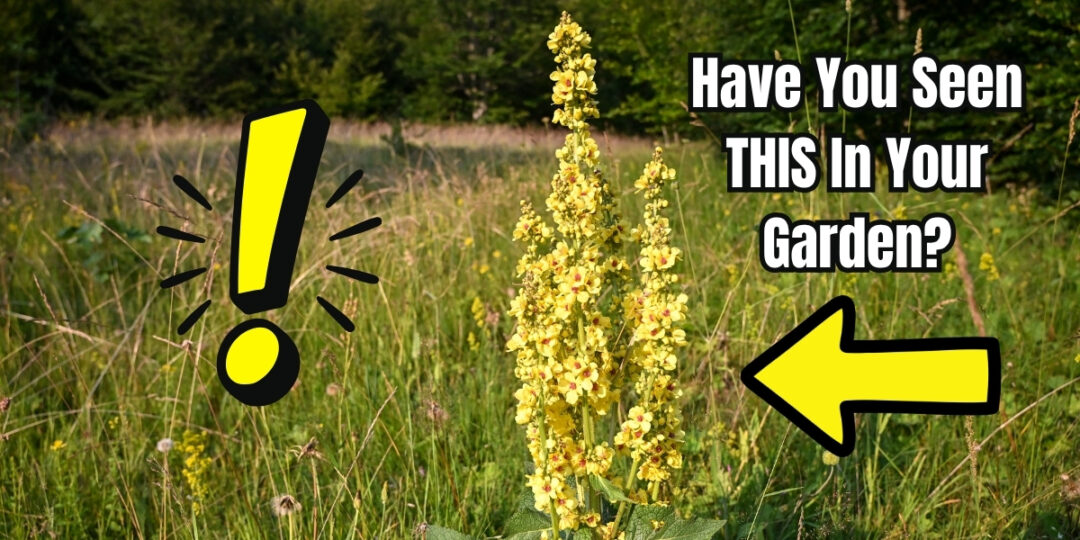
Nobody plants weeds. They just show up. You pull them, you toss them, you move on, and I’ve done it a thousand times.
But weeds aren’t random. Each weed grows where the soil suits it, so a weed taking over a bed is a sign of what’s happening in the dirt below. And that sign might be the reason your tomatoes stayed small and your carrots came up thin.
So before you pull them away, it’s better to understand them and see what they say about your garden.
Don’t Panic Over One Weed
🌱 One weed means nothing. You’ll always get a stray plant or two, so pull it and move on. I don’t want you out there tomorrow scared of every green thing that isn’t a crop.
What you’re looking for is a takeover. A whole patch of the same weed crowding one bed, that’s the signal. And it helps to read the crowd, because three or four weeds pointing at the same problem beat one weed every time.
Here’s the catch. Some weeds show up for more than one reason, so they point you toward a problem; they don’t hand you the answer. The University of New Hampshire’s Extension office says it plainly. Weeds are decent clues, but a soil test is the accurate way to know what’s going on down there.
A basic test from your county extension runs about fifteen to twenty-five dollars, which is cheap peace of mind. So use the weeds to find the trouble spot, then let the test make things clear.
Hard, Packed Soil
👣 Some weeds are built for harsh conditions, the kind that gets stepped on and driven over all day. When you see them, the soil under them is usually packed hard.
Broadleaf plantain gives it away. It’s that low, flat rosette with the wide oval leaves, right down the middle of paths and driveways. It presses itself to the ground and survives what kills everything else.
Prostrate knotweed does the same, running flat along the hardest, most beaten-down spots like a gateway or a worn path. Watch for goosegrass too, and chicory with its stiff stems and blue flowers, and field bindweed twisting through everything. Chicory drives a long taproot through packed dirt your carrots could never crack.
So don’t keep tilling the same depth every year, because that smears a hard layer right under the surface and makes things worse over time. Grab a broadfork instead and loosen the soil without flipping it, or rent a core aerator for a lawn.
Then plant daikon radish in the fall. It drills a fat root straight down, rots over winter, and leaves an open channel behind for air and water. And stay off the beds when they’re wet, since that’s when you pack them the most.
But once you remove the plantain, don’t throw it away!
This is one of the most miraculous plants that grow in your garden. It has a natural ability to calm and repair skin, which comes from specific plant compounds that reduce swelling, fight microbes, and protect raw tissue.
Plantain is your natural band-aid.
See how to make the plantain anti-itch patch or the plantain black drawing salve here.
Soggy, Wet Ground
💧 Some weeds love wet feet. If your soil stays soggy long after the rain, these are the ones that move in.
Yellow nutsedge is the main indicator for wet soil. It looks like grass, but the stem is triangular if you roll it in your fingers, and it stands taller and shinier than the lawn around it. It thrives where water pools, so a patch of it marks a low, badly drained spot.
Curly dock is another, with long wavy-edged leaves and rusty-brown seed stalks by late summer, and a deep root that shrugs off soaked ground. You’ll also see horsetail, a bristly plant older than the dinosaurs that still loves the wet, and creeping buttercup, which runs its stems through heavy, waterlogged soil.
Also, did you know horsetail is rich in silica? This is what makes this plant beneficial for your joints. If you want to read more about this, click here.
First, figure out the scale. Is the whole yard wet, or just one corner? One corner is an easy fix, so build the bed up higher, because raised beds sit above the wet and drain themselves.
Heavier clay across a wide area needs compost and aged manure worked in, so water moves through instead of sitting on top. If water runs toward your beds from somewhere, dig a shallow channel, called a swale, to steer it off to the side. And never dig or till wet soil, or you’ll smear it into a brick.
Sour, Acidic Soil
🍋 Sour is the old word for acidic, a low pH. Most vegetables want soil close to neutral, and when it turns too acidic, they can’t pull food from the ground even when it’s sitting right there.
Sheep sorrel earns a close look. Some people call it sour grass, and if you taste one of the arrow-shaped leaves you’ll get a sharp lemony bite. It thrives in acidic, sandy, worn-out ground, so a good stand of it hints your pH has dropped.
Moss tells the same story. When it creeps across the ground, it usually means damp, shady, and acidic all at once. And let me clear something up, because I hear it constantly. The moss isn’t killing your grass. The conditions killed the grass first, and the moss just filled the empty space.
You might spot crabgrass and plantain in these acidic patches too, which is a good reminder that one weed can point at two problems. Now the nagging part, and you probably saw it coming. Don’t fix acidic soil by guessing.
Test first, then add garden lime at the rate the test tells you. Throw it down blind and you can overshoot into a whole new mess. A little wood ash from the stove nudges pH up too, but go easy, because that stuff is strong.
Sweet, Alkaline Soil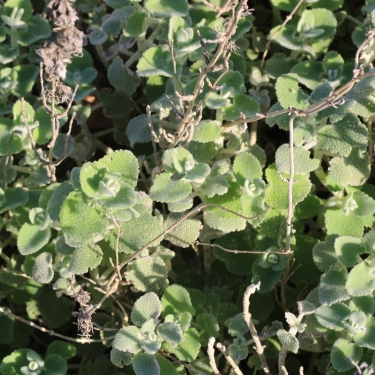
🌾 Sweet is the old word for the opposite of sour, and it means alkaline, a high pH. Most of the country fights acidic soil, but not everybody. If you’re out west, or your ground sits over limestone, or you’ve got hard water and a heavy hand with the wood ash, your soil can swing the other way.
And too alkaline is its own problem. It locks up iron and a few other nutrients, so your plants can’t reach them even when the soil is full of them. The classic sign is a leaf that turns yellow between the veins while the veins themselves stay green. Once you’ve seen it, you won’t forget it.
Field peppergrass likes this kind of ground. It’s a scrappy little plant with a tall stalk lined with flat round seed pods, and it leans toward the sweeter, higher-pH end. Some of the tough ones from earlier lean this way too, since chicory and wild carrot both turn up in alkaline soil, one more reminder that a single weed only points and it doesn’t prove something is wrong with your soil.
So how do you bring it down? Add elemental sulfur at the rate a soil test calls for, and know that it works slowly, over months, so don’t expect an overnight change. Work in plenty of organic matter too, because compost, peat, and pine needles all nudge pH down gently as they break in. And stop adding lime and wood ash until a test says you actually need them.
Poor, Worn-Out Soil
🍽️ Some weeds are happy in poor, hungry ground where your crops would starve. They aren’t picky, so they move into ground you’ve worked hard and never fed back.
Crabgrass needs no introduction, and it’s a pure opportunist. It rushes into thin, bare patches where the good plants gave up. Common mullein is easy to spot too, a tall stalk of soft fuzzy leaves that’s happy on poor rocky ground, and so is wild carrot, better known as Queen Anne’s lace, with its flat white flower heads out along dry roadsides and beat-up fields.
White clover works a little differently. Clover pulls its own nitrogen out of the air, so it doesn’t need much in the soil, and when it takes over your lawn, that’s often a sign your soil is short on nitrogen and the clover is out-competing the grass.
The fix is simple to say and takes a season to do. Feed the soil, working in compost and aged manure. Plant a cover crop like clover or vetch and turn it under, because those pull nitrogen down into the ground for free.
And keep the soil covered with mulch that breaks down over time. Bare, hungry dirt is where these weeds live, so the more you feed it, the less welcome they’ll feel.
Also, the cold season is almost here, which is why I want to tell you to save all the mullein you find. This common weed is one of the best defenses against coughing and sore throat.
One thing I like to do with mullein is make the “Mighty Lung” tincture. I make a bottle every August, and I use it until the next summer. This is also what helped my husband Mark with one of the most stubborn coughs I’ve ever seen.
You can see exactly how I prepare mine here.
The thing with tinctures is that it takes time for them to infuse. This is why I prefer to make this one in August. Its ingredients need to stay submerged in alcohol for 4- 6 weeks before it’s ready to use.
But if you don’t have the time to wait and you want this tincture right now, you can skip the wait and get it ready-made right here.
Mullein is so effective because it has a compound called mucilage. This compound coats your throat, calms swelling in your airways, and thins out sticky mucus so your body can clear it easily.
Rich, Well-Fed Soil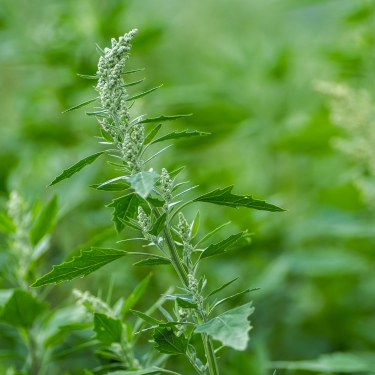
🥬 Not every weed is bad news. A few of them show up because your soil is wonderful, and that’s the part nobody tells you.
Lambsquarters stands out, with gray-green leaves that look like somebody dusted them with flour. It shoots up fast in rich, high-nitrogen soil, and it’s edible on top of that. Cook the young leaves like spinach and you’ve got a free vegetable growing in your best dirt.
Pigweed, the redroot kind, loves the same ground, and its leaves and seeds are edible too. Chickweed is a low, tender green that’s mild and good in a salad, and purslane is a fat little succulent loaded with the same healthy fats you pay good money for in fish.
Then there’s stinging nettle. It hurts to grab bare-handed, no argument there, but it grows where soil is loaded with nitrogen, often near an old manure pile or a spot where the compost used to sit. Cook it and the sting vanishes, and it turns into one of the most nutritious greens you can find.
But rich soil has a secret, and it circles right back to those tomatoes I mentioned in the intro. Too much nitrogen grows leaves, not fruit.
So if your tomato plants are big, dark green, and gorgeous but you’re barely getting any tomatoes, and lambsquarters is thriving right beside them, there’s your answer. You’ve been feeding too heavily, so ease off the manure and let the plants get hungry enough to set fruit.
See how to make stinging nettle tincture for hay fever.
How to Recognize the Weeds You Have in Your Garden
As you can see, most of the weeds you can find in your backyard can be used to make remedies or to cook with them. Nature has its way of doing things and nothing is useless.
The thing is, there are hundreds of common weeds out there, and telling one from another is the whole game. Get the plant right and you’ve got food or medicine growing for free. Get it wrong and you’ve got nothing, or worse. So learning to identify what’s growing around you is step one.
That’s where a good herbal guide earns its keep. You want one with clear photos, so you can match the plant in your hand to the plant on the page, plus plain notes on what each one does and how to prepare it.
The Lost Book of Herbal Remedies is the best one I’ve come across for that. It’s put together by Dr. Nicole Apelian, a biologist and herbalist who has actually lived off wild plants. It runs over 300 pages and covers more than 800 plants and the remedies you can make from them. Every plant gets 2 to 4 clear color photos, not sketches, along with how to spot it and what it’s good for.
And it’s built to search two ways. Look up a plant you just found, or flip it around and look up a problem you’re trying to solve. That alone makes it worth a spot on the shelf.
If you want to see more, take a look here.
Once you can name what’s growing at your feet, your backyard stops being a patch of weeds and starts looking like a pantry and a medicine cabinet.
Let nature take care of you!
Watch this video to see more →
Final Thoughts
I don’t weed the way I used to. I still pull them, don’t get me wrong, but now I look first, and half the time the weed tells me something I needed to know before I ever grab a soil test.
You’ll get an eye for it faster than you think. Maybe it’s the plantain crowding the gate, or the nutsedge down in the corner where the water always sits. After a season or two of paying attention, your garden starts to read like a book.
You may also like: 
67 Methods to Get Rid Of Weeds Naturally
How to Build a Vertical Pallet Garden (Video)
The Weeds in Your Backyard You Should Start Eating Today
How to Get Rid of Poison Ivy for Good, Without Chemicals
Why Your Garden Wilts in July Even When You Water Every Day