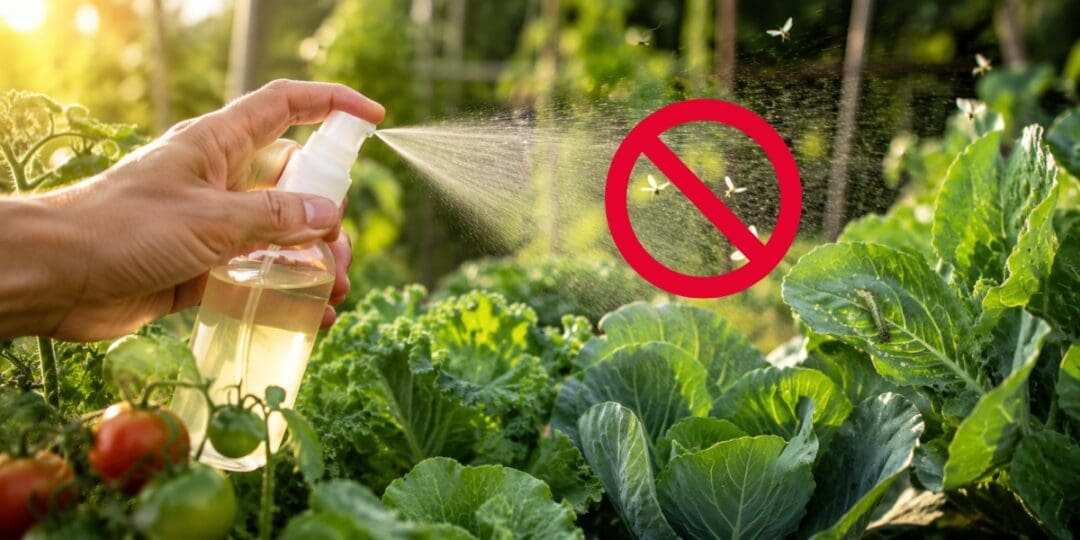
You probably love tomatoes, but they can be some of the most difficult vegetables to grow. Why? Because pests love them as much as you do.
Maybe this happened to you. Going into the garden to see what your tomatoes are doing and you find their leaves full of little crawling green bugs.
The thing is that you can fix this easily with no chemicals involved. The answer is in your kitchen. And no, it’s not baking soda.
It’s called white oil, and it’s one of the oldest, simplest sprays a gardener can make. Two cheap ingredients, a jar, and about five minutes. That’s the whole thing.
Read on and see how to mix it, when to use it, when to keep it far away from your plants, and which bugs it actually works on. Let’s get into it.
What White Oil Actually Is
Before we start, I want to make some things clear.
There are two things called white oil out there. One is a type of refined mineral oil you buy in a bottle. The other is the homemade version I’m talking about.
The ingredients used in the DIY versions are simple but effective for keeping pests under control: cooking oil mixed with a little soap. When you shake them together hard, the mix turns a cloudy, milky white. That’s where the name comes from.
The fancy name can be a little confusing. But you’re not brewing up chemicals.
Now that you know this, I want to share with you all the secrets of white oil and how you can use it to protect your beloved garden.
How It Kills Bugs Without Poisoning Them
This is the most interesting part and also what makes it perfect for any homesteader who wants to keep things organic.
White oil is not poison. There’s no toxin in it.
The way it works is simple. It doesn’t let the pest breathe.
Little insects don’t breathe through a mouth and lungs the way we do. They take in air through tiny holes along the sides of their bodies. When you coat a soft-bodied bug in oil, those holes get plugged up, and the bug can’t breathe anymore.
Then we have the soap. It has two jobs here. Firstly, it helps the oil and water mix together so you can spray it. Second, it helps the oil cling to the bug.
Now I want you to remember this: the oil only works on the insects it actually touches. Once the spray dries, it does nothing.
This is why I advise you to always spray thoroughly and hit the undersides of leaves. If you miss a bug, that bug lives.
There’s a nice side benefit to this too. Because the oil doesn’t leave a lasting poison behind, bugs can’t build up a resistance to it the way they do with some chemical sprays.
Also, there’s a way to make it even more powerful and it’s 100% natural.
Yes, this is possible and all you have to do is add the secret Amish ingredient. They’ve been using this spray for a long time to protect their crops and over time they managed to upgrade it.
Now I want to give you a hint. The mysterious ingredient is something you already have in your garden, and it is usually harvested at the time of this article’s publication.
This ingredient gives white oil some antibacterial properties and this makes it more efficient against stubborn pests and also against some fungi.
If you’re curious about the Amish recipe, you can find all you need here →

The Bugs It Works On (and the Ones It Doesn’t)
White oil is not working for any type of pest and I want to tell you this upfront so you don’t have surprises later.
It works best on small, soft-bodied pests. Colorado State University Extension puts the little sap-suckers at the top of the list: aphids, mealybugs, young scale insects, whiteflies, and spider mites. Those are exactly the pests that show up on tomatoes, roses, citrus, and houseplants. These are generally some of the most common pests.
Now the white oil won’t work for: grown caterpillars, beetles, and other hard-shelled bugs. They will simply shrug it off. Their thicker bodies don’t allow the oil to do its job. So if you’re battling hornworms or squash bugs, white oil won’t help you.
Also, this spray doesn’t know a good bug from a bad one. It’ll smother a ladybug or a bee just as fast as an aphid. So I never spray when the pollinators are out working. I’ll come back to that in a minute.
But if you want to protect your plants better, you can try pairing the spray with other methods.
The one I am talking about now is efficient agains slugs and other bugs that crawl. The secret is to make a “wall” between them and your plants.
Now, don’t imagine a wall made of wood. That might work too, but it’s too much work and we want things simple and efficient.
👉 Click here and see how to make the Pest Repellent Barrier
What Soap Should You Use
You probably have a bottle of soap right on your sink. But is this the right choice when it comes to DIY white oil?
Experts warn against using regular household dish soaps as bug spray. A lot of modern dish liquids are packed with degreasers and additives that can burn your plant leaves or hurt your soil. They’re built to cut grease off dishes, so using them on your tomato plant is not a good idea.
This is why I always reach for a plain, simple soap. A pure liquid soap like castile soap is the safest choice here. If all you have is a basic, additive-free dish liquid, it’ll usually work in a pinch, but the purer the soap, the gentler it is on your plants. Skip anything with bleach, added scents, or a pile of ingredients you can’t pronounce.
How to Make White Oil Concentrate
Alright, here’s the recipe. This makes a small batch of concentrate, which is the strong version you’ll water down before spraying.
You never use the concentrate on your plants. You keep it somewhere dark and always dilute it before spraying on plants.
What you need:
- 1 cup of vegetable oil (sunflower, canola, or any plain cooking oil is fine)

- 1/4 cup of pure liquid soap
- A clean jar with a tight lid
Here’s how you do it:
- Pour the oil and the soap into your jar.
- Screw the lid on good and tight.
- Shake it hard for a couple of minutes, until the whole thing turns a milky white color. That white color is how you know the oil and soap have joined up properly. If it still looks like plain oil, keep shaking.
- Label the jar so nobody mistakes it for something else, and set it somewhere cool and dark.
That’s your concentrate. It keeps for about three months. After that, it starts to separate and lose its punch, so I make small batches and use them up rather than mixing a giant jar that sits around going stale.
How to Make Oil From Plants
Since you’re all about self-sufficiency, maybe you’re interested in making your own oil at home.
At some point I was reading about this and I discovered that you can use a lot of common “weeds” we all have in our backyards to extract oils. This is very much possible and one day I decided to give it a try.
Now, if you’re wondering what oils you can make using this method, here are just a few: Wild mint or field mint oil, yarrow oil, goldenrod oil, or lemon balm oil.
You can use these oils in many ways. Since we were talking about pests, you can prepare white oil using homemade mint oil. The strong smell will keep bugs away for longer.
Also, you can use the oils to make various remedies such as rubs you can use when struggling with a cold. The strength of the mint oil will relieve your sinuses for sure!
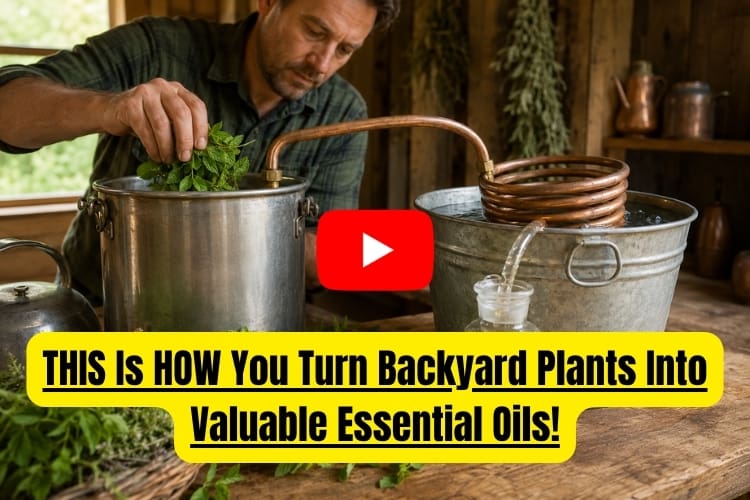
The method used to make homemade plant oil is simple and is based on the principle of distillation. This is why the setup is made to do exactly that.
See how to make the strongest homemade plant oils (full method) →
How to Mix and Spray It the Right Way
I know I already mentioned that, but never, ever spray the concentrate straight onto a plant. That much oil will smother the leaves along with the bugs!
You always water it down first.
To mix a batch for spraying, add one tablespoon of concentrate to about four cups of water. Pour it into a spray bottle or garden sprayer, and give it a good shake right before you spray, since the oil wants to float back to the top.
Then make sure you cover the leaves thoroughly. Since the oil only kills what it touches, you want to soak the plant. Get the tops of the leaves, and really get the undersides, because that’s where aphids and mites usually hide and lay their eggs.
Hit the stems and any little crooks where bugs tuck themselves in. Don’t just mist the plant and walk away.
I like to shake the bottle every minute or so while I work, just to keep the oil from settling out and leaving me spraying plain water at the end.
When to Spray and When to Wait
White oil can burn your plants if you use it at the wrong moment.
The rule I follow is to spray in the cool of the day, either early morning or in the evening. Oil on a leaf in the blazing midday sun can burn the leaf.
Skip spraying on very hot days. Never spray once it gets above the mid-80s. Cold days are no good either, so don’t spray if it’s dropping 40 degrees below.
You’re looking for something between these two.
Also, never use the spray on stressed plants. A plant that’s wilting from drought or one you just transplanted is already having a hard time, and the oil can push it over the edge. Give it water and a few days to settle before you treat it.
And here’s the big one for the bees. Spray early in the morning before the pollinators get busy, or in the evening after they’ve gone home. Since the oil smothers any bug it lands on, spraying while the bees are working means you’re smothering your bees.
Test The Spray Before Using It 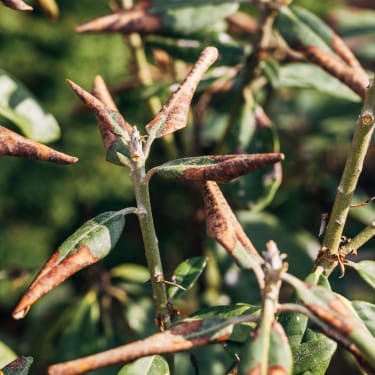
Some plants don’t tolerate this spray and it’s better to know this before you soak the plant in white oil.
Pick one leaf or a small branch, give it a spray, and then leave it alone for a day or two. If the leaf looks fine after that, you’re clear to spray the whole plant. If you see burning or spotting, that plant is oil-sensitive, and you’ll want to find another way to deal with its pests.
Keeping the Bugs From Coming Back
One spray usually isn’t the end of the story, and I don’t want you to feel let down when the aphids show up again.
Because white oil leaves nothing behind once it dries, it doesn’t protect the plant long term. It only handles the bugs that are there right now.
New ones hatch, new ones fly in. So plan on spraying again in about a week, and maybe a third time after that, to catch the young bugs that come along after your first round.
Rain washes the oil right off too, so if a storm rolls through after you spray, you’ll need to treat again once things dry out.
But if you are consistent and keep an eye on your plants, they can keep up and recover.
If you want to make a spray that works on the same principles but is stronger at keeping the bugs away for longer, you can find the full recipe here.
This spray uses chilli powder in a smart way and it manages to repel the bugs even after the spray is dry.
The main difference is the preparation method and the ingredients you need to use.
For the “upgraded” spray, you’ll need to put in a little bit more work, but the results are much more consistent.
Click here to see how to make “The Ultimate White Oil,” also called “The Red Oil”
Final Thoughts
You can take good care of your garden with what nature gives you. Chemicals are not always needed. As you can see, sometimes you can get rid of bugs only using oil, soap, and water.
Now, white oil won’t solve every pest you’ll ever meet, and I’d never tell you it will. But it’s a good, honest fix that’s been working for many gardeners for a long time.
You may also like: 
How to Attract Ladybugs To Your Garden
The Natural Painkiller that Grows in Your Backyard (Video)
10 Bugs You Should Never Kill In Your Garden
7 Old-Fashioned Ways to Find Water on Your Land