If you keep backyard chickens long enough, you find yourself holding a piece of fruit and wondering whether it is safe to toss into the run. Pineapple comes up often because it is a common household fruit that generates a lot of scraps, from the core to the skin to the occasional overripe chunk nobody wants to eat. The short answer is yes, chickens can eat pineapple, but the complete picture involves a few important nuances about which parts are safe, how much is appropriate, and what to watch for if your flock gets into more than intended.
This guide covers everything a backyard chicken keeper needs to know to feed pineapple responsibly, including the nutritional benefits, the potential downsides, preparation tips, and how pineapple fits into a well-rounded supplemental feeding program.
Is Pineapple Safe for Chickens?
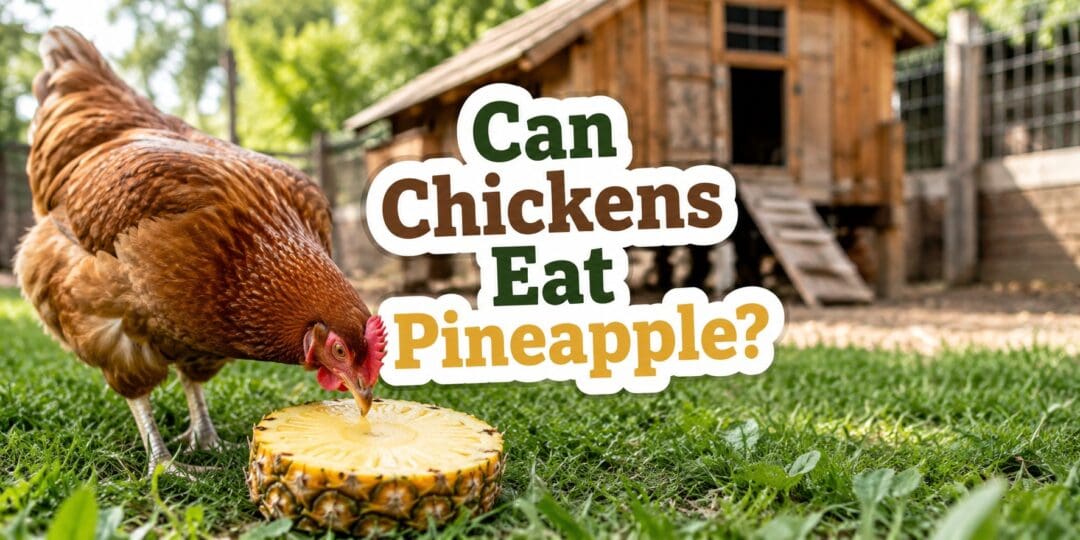
Yes, fresh pineapple flesh is safe for chickens to eat in moderate quantities. Pineapple is not toxic to poultry, and chickens will generally eat it enthusiastically given the opportunity. The flesh of ripe pineapple provides several nutrients that can complement a chicken’s diet, and most flocks handle it well when offered as an occasional treat rather than a dietary staple.
That said, pineapple is a high-sugar, acidic fruit, and those two characteristics require some thoughtfulness about quantity. Chickens have different digestive systems from humans, and foods that seem mild to us can cause GI upset in birds when consumed in large amounts. A few chunks of pineapple as a flock treat is quite different from a chicken gorging on a pound of pineapple scraps.
The 90/10 rule is the most useful framework here: 90 percent of a chicken’s diet should come from a nutritionally complete layer feed or grower feed, and treats of all kinds, including fruits, vegetables, and kitchen scraps, should make up no more than 10 percent combined. Within that 10 percent treat allowance, pineapple is a perfectly reasonable option.
The Merck Veterinary Manual’s poultry nutrition section provides a comprehensive overview of dietary requirements for backyard and commercial laying hens.
Nutritional Benefits of Pineapple for Chickens
Pineapple is not just a sweet indulgence. It brings genuine nutritional value to the table when offered in appropriate amounts.
Vitamin C
Pineapple is a meaningful source of vitamin C. Chickens synthesize their own vitamin C and are not prone to deficiency under normal conditions, but during periods of heat stress, illness, or molting, supplemental vitamin C can support immune function and overall resilience. Offering pineapple during a particularly hot summer stretch or when a bird is recovering from an illness is a practical application of this property.
Bromelain
Bromelain is the enzyme complex unique to pineapple, concentrated most heavily in the core. It is a proteolytic enzyme, meaning it breaks down proteins. In small amounts, bromelain may support digestive enzyme activity in the gut. Some small-scale homestead keepers report that chickens with loose stools or digestive irregularity seem to firm up slightly after modest pineapple offerings, though this is anecdotal and not supported by controlled poultry research. The same enzymatic activity that makes pineapple a useful meat tenderizer may have mild benefit in the chicken gut when offered occasionally.
Manganese
Pineapple is one of the better dietary sources of manganese, a trace mineral essential for bone development, eggshell quality, and enzyme function in poultry. Manganese deficiency in laying hens is associated with perosis (a leg and joint deformity) and reduced hatchability in fertilized eggs. While a complete feed provides adequate manganese for properly fed flocks, pineapple is a natural dietary contributor to this mineral.
Hydration and Electrolytes
Fresh pineapple has high water content, making it a hydrating treat particularly useful during hot weather. Chickens are susceptible to heat stress and benefit from water-rich foods in summer months. The natural sugars in pineapple also provide quick energy, which can be a minor benefit for free-range birds with high activity levels.
Parts of the Pineapple: What to Feed and What to Avoid
Not all parts of a pineapple are equally appropriate for chickens, and a few should be avoided entirely.
Pineapple Flesh: Recommended
The ripe inner flesh of the pineapple is the part to offer. Cut it into small pieces appropriate to your birds’ sizes, or offer a large chunk and let them peck at it. Chickens enjoy the challenge of working at a whole wedge of pineapple, and the activity provides enrichment in addition to nutrition. Remove any uneaten pieces after a few hours to prevent fermentation and mold growth in the run.
Pineapple Core: Fine in Moderation
The core is safe and edible, but it is significantly tougher and more fibrous than the flesh, and the concentration of bromelain is highest here. Offer the core in small amounts, particularly to smaller or younger birds who may have more difficulty with the texture. Larger heritage breeds handle the core easily and often prefer it for the extended pecking it requires.
Pineapple Skin and Rind: Avoid
The outer skin and rind of a pineapple are not appropriate for chickens. The tough, spiky texture presents a physical hazard, and the outer rind may carry pesticide residue if the fruit is conventionally grown. Even if chickens show interest in the rind, it is best composted rather than offered as feed.
Pineapple Leaves and Top: Avoid
The leafy crown of a pineapple has no nutritional value for chickens and the stiff, pointed leaves pose a risk of physical injury. Discard the top rather than tossing it into the run.
Canned Pineapple: Not Recommended
Canned pineapple products, whether packed in syrup or even in juice, contain significantly elevated sugar levels compared to fresh fruit and frequently include additives that are not appropriate for poultry. Fresh pineapple is always preferable. If you have only canned pineapple available, rinse it thoroughly to reduce sugar content and offer only a very small amount. Canned in natural juice with no added ingredients is a better choice than syrup-packed if fresh is unavailable.
How Much Pineapple Can Chickens Eat?
Quantity guidance for chicken treats is always relative to flock size and the overall composition of the diet. As a general rule, a treat serving for a standard backyard flock of four to six hens should amount to no more than a combined handful of pieces per day across all treats offered, with pineapple being one component of that total rather than the entire treat allowance.
A practical guideline for pineapple specifically: offer one to two tablespoons of cut pineapple flesh per bird, two to three times per week at most, during the season when pineapple is available or as a deliberate supplement during heat stress periods. Avoid offering pineapple every single day over extended periods because the cumulative sugar and acid load, while low relative to the total diet, is not necessary and provides no additional benefit over occasional treats.
Baby chicks under eight weeks of age should not receive pineapple or other treat foods. Their digestive systems are still developing, and any deviation from starter feed can cause digestive upset and interfere with the nutrient density required for healthy growth during this critical window.
The University of California Agriculture and Natural Resources extension service publishes practical backyard chicken feeding guides that include treat recommendations and quantity guidelines.
Potential Risks and What to Watch For
While pineapple is safe in appropriate quantities, a few scenarios warrant attention from backyard chicken keepers.
Digestive Upset From Overconsumption
The combination of high sugar content and acidity in pineapple can cause loose droppings in chickens that eat too much of it. This is not dangerous in the short term but bears watching. If you notice unusually watery droppings after introducing pineapple, reduce the quantity and frequency of offerings. Return to a small, infrequent treat protocol once droppings normalize.
Bromelain and Egg Flavor
There are claims in backyard poultry communities that heavy pineapple feeding can affect egg flavor. This has not been systematically studied in backyard layer hens, but it aligns with the known principle that strongly flavored foods in high quantities can influence egg taste. At treat-level quantities, this is extremely unlikely to be noticeable. If you are selling eggs or are particularly attentive to flavor quality, err toward conservative pineapple quantities.
Fermentation in the Run
Pineapple left in the run for more than a few hours in warm weather begins to ferment. Chickens that consume fermented fruit scraps may show signs of intoxication, including loss of coordination, lethargy, and disorientation. This is rarely serious but is avoidable entirely by removing uneaten pineapple pieces within two hours of offering them. This rule applies to all sugary fruits, not just pineapple.
Introducing New Foods to the Flock
Some individual birds are more sensitive to dietary changes than others. When introducing pineapple to a flock that has not received it before, start with a very small quantity and observe the flock for 24 hours. Watch for changes in droppings, activity level, or appetite. If all birds appear normal, you can continue offering pineapple as part of the regular treat rotation.
How Pineapple Fits Into a Balanced Chicken Diet
Backyard chicken keepers sometimes fall into the trap of offering treats too generously because the birds’ enthusiastic response to anything outside their standard feed feels rewarding. Understanding why treat moderation matters helps maintain the discipline even when the hens are clearly voting for more pineapple.
A quality layer feed is formulated to deliver precise ratios of protein, calcium, phosphorus, vitamins, and trace minerals calibrated to laying hen requirements. When treats displace feed intake, they dilute those precise ratios. Hens that fill up on pineapple or other treats eat less feed, which can reduce protein and calcium intake and over time affect egg production, shell quality, and overall condition.
This is particularly relevant for calcium. Laying hens require 4 grams of calcium daily to maintain proper eggshell formation, and this requirement is one of the most sensitive nutritional metrics for backyard flocks. Anything that reduces feed intake consistently enough to displace calcium can manifest as thin shells, soft eggs, or in severe cases, egg-binding and reproductive health issues. The 90/10 treat guideline exists specifically to protect this nutritional precision.
Within the 10 percent treat allowance, variety is valuable. Rotating pineapple with other nutritious treats like leafy greens, berries, melon, cooked eggs, mealworms, and plain cooked grains gives the flock a broad range of supplemental nutrition without overloading any single compound or creating preference patterns that are difficult to break.
Other Tropical Fruits: A Quick Reference for Backyard Keepers
Since pineapple often prompts broader questions about tropical fruit safety, here is brief guidance on related fruits that backyard chicken keepers commonly have on hand:
Mango flesh is safe and well-tolerated in moderate amounts. Mango skin and pit should not be offered. Papaya is safe and its seeds, which contain papain (a protein-digesting enzyme similar to bromelain), are also safe for chickens in small quantities. Banana is safe and bananas are one of the more potassium-rich treats available, useful during heat stress. Banana peel is safe if pesticide-free but is often ignored by chickens. Kiwi flesh is safe. The fuzzy skin is technically edible but often avoided by birds. Coconut flesh is safe and provides medium-chain fatty acids. Avoid sweetened coconut products. Citrus in very small amounts is generally tolerated, but large quantities of citrus can interfere with calcium absorption and are better avoided as a regular treat.
The Poultry Extension program at Iowa State University maintains updated feeding and management guides for small and backyard flocks.
Making Pineapple Part of Your Flock Management Routine
For homesteaders who regularly buy whole pineapples, the scraps from meal prep, the core after slicing, the slightly past-peak pineapple from the back of the refrigerator, all of these can be redirected to the flock rather than the compost pile, with the simple provisos covered in this guide.
A few practical tips that work well in backyard flock management: cut pineapple into appropriately sized pieces rather than offering a whole wedge to avoid competition and gulping. Offer pineapple in the afternoon rather than the morning so birds have consumed the majority of their daily feed before receiving treats. Keep a treat log for a week or two to stay honest about what percentage of the diet is coming from supplemental sources. Track egg production and shell quality as indirect indicators of nutritional adequacy over time.
The chickens will not manage their own nutrition. That responsibility sits with the keeper. When treat feeding is structured and deliberate rather than impulse-driven, backyard flocks thrive on the diversity without suffering the consequences of dietary imbalance.
The Foods That Helped Families Survive When Stores Couldn’t
Long before supermarkets, refrigeration, and global supply chains, families relied on shelf-stable foods that could last for years while providing the calories and nutrients needed to get through hard times. Many of those foods are still available today, but most people have never heard of them.
Lost Superfoods reveals more than 120 forgotten survival foods and preservation methods used during wars, economic crises, and periods of food scarcity. From long-lasting breads and nutrient-dense staples to traditional preservation techniques, this guide uncovers the foods that helped entire communities survive when modern conveniences disappeared.
Inside you’ll discover:
- Forgotten foods with remarkably long shelf lives
- Traditional preservation methods that don’t require electricity
- Historical survival recipes used during difficult times
- Nutrient-dense staples ideal for emergency preparedness
- Practical ways to build a more resilient food pantry
If you’re already raising chickens, growing food, and thinking more seriously about self-reliance, Lost Superfoods is an excellent companion resource that can help you preserve more of what you produce and build a pantry capable of supporting your family through uncertain times.
The Bottom Line on Pineapple for Chickens
Pineapple is a safe, nutritionally beneficial treat for backyard chickens when offered correctly. The flesh and core of fresh, ripe pineapple can be given in small quantities two to three times per week as part of a varied treat rotation. Avoid the rind, skin, and crown. Never offer canned pineapple packed in syrup. Remove uneaten pieces promptly to prevent fermentation. Do not feed pineapple to chicks under eight weeks of age.
The benefits are real, particularly for vitamin C, manganese, hydration, and digestive enzyme support. The risks are minimal when quantities stay within the 10 percent treat guideline. Like most things in backyard poultry keeping, pineapple is a good thing in moderation and a potential problem in excess. Armed with this understanding, you can safely turn your pineapple scraps into a flock treat that your chickens will be genuinely excited about.
You may also like: 
The Amish do this to every chicken coop in the spring. Why? (Video)
Recognizing And Treating Common Chicken Diseases
Best Automatic Chicken Coop Door Opener: Stress-Free Flock Keeping
How To Entertain Your Chickens