I keep two jars of lard in my kitchen.
One is plain white, neutral, and good for everything. Frying eggs, making gravy, seasoning pans, you name it.
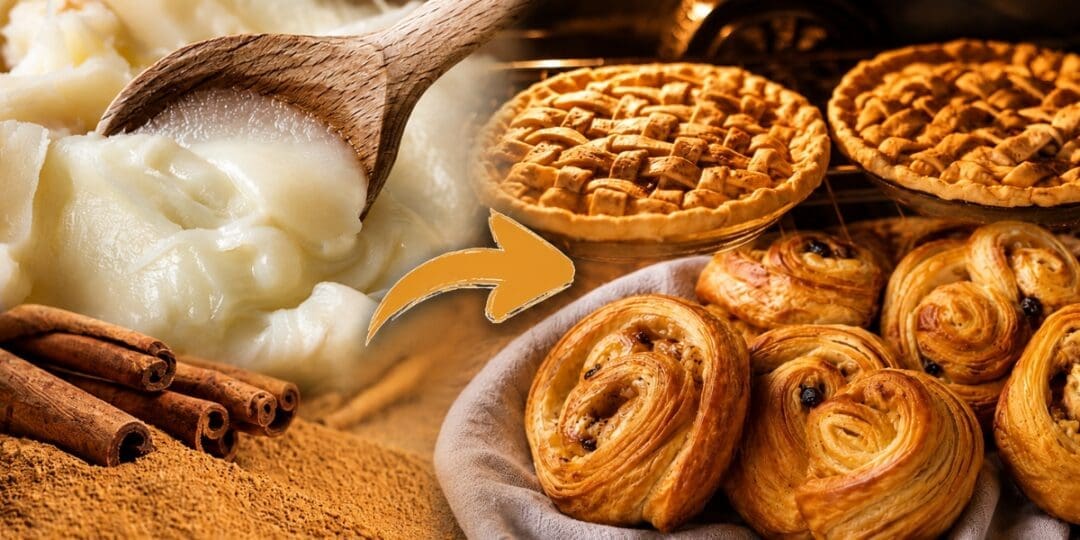
The other has cinnamon steeped into it. That jar goes into my pie crusts, biscuits, fried apples, and anything sweet I’m cooking in cast iron.
Splitting my lard supply that way took maybe thirty extra minutes one afternoon. Honestly, it changed how I bake more than any ingredient swap I’ve made in years.
If you’re planning to render your own lard and keep only one version of it, you’re leaving a lot of flavor on the table.
So, Why Add Cinnamon?
Rendering your own pork fat often leaves you with a highly distinct ingredient.
Even the absolutely cleanest leaf lard carries a faint, savory scent reminding you exactly where it came from.
While that mild porkiness works beautifully for frying chicken or greasing a heavy skillet, it ruins the delicate profile of a sweet cherry pie.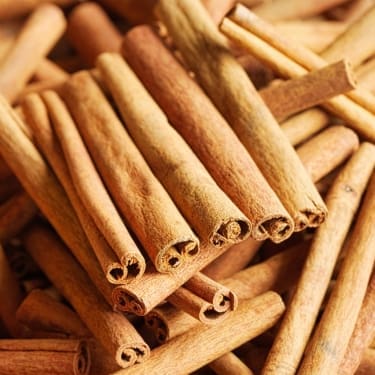
Steeping cinnamon into the warm, liquid fat completely solves this issue. The strong essential oils from the spice bind directly with the lipids to soften that harsh, savory edge. Instead of giving off a meaty odor, your jar of fat takes on a warm, inviting aroma perfectly suited for a pastry board.
Beyond simply fixing the smell, modifying your cooking fats adds genuine utility to your pantry. You gain a highly effective method for injecting deep flavor into your baked goods without dumping extra cups of sugar into your mixing bowl.
Because the cinnamon is locked into the fat itself, it distributes evenly throughout your doughs and batters. When I started treating my lard this way, I noticed a massive difference in how my morning meals turned out.
Cutting this spiced fat into flour creates incredibly tender biscuits carrying a subtle, built-in warmth. It effortlessly elevates ordinary homestead staples, turning a basic pan of rolled oats into a rich, complex breakfast.
Why Is Making Your Own Lard So Important?
Working with lard like this is one of the oldest skills that almost got lost. People used to know how to render it, flavor it, and store it for months without a fridge. They knew which fats worked best for which jobs and they didn’t waste anything.
Nowadays, you have the option to go and buy lard from the store. But why would you do that? Yes, indeed, it’s more accessible. You just go there and buy what you need. But what about the long-term effects?
The biggest problem with store-bought lard is hydrogenation. This is a process that makes it more shelf-stable, but it’s also what creates trans fats. These are the most dangerous fats out there because they are linked to heart disease. Also, let’s not forget about BHA and BHT, both synthetic preservatives that are restricted in many countries. Even worse, commercial lard is also bleached and deodorized to look whiter and remove its natural porky smell.
On the surface, the lard you get from the store might look “prettier,” but on the inside, it’s just another unhealthy product they try to sell you.
This is why I decided to always choose homemade lard. And I prefer to render it myself. Here you can find the method I use + other homesteading skills worth knowing. For example, you can use your fresh lard to preserve food. Amish Poor Man’s stake is one of my favorites and a clear pantry staple.
Here you can find even more recipes using lard.

Best Type of Lard to Mix With Cinnamon
Your success with this infusion depends entirely on the quality of the fat you start with. If you use lard that smells like bacon or a pork roast, adding cinnamon won’t fix it; it will just make it smell like spiced pork. For the best results, you need to reach for leaf lard.
This is the hard, waxy fat found around the kidneys of the pig. Since it has almost no pork flavor, it provides a blank canvas for the cinnamon. When I use leaf lard for my pie crusts, the pastry comes out snowy white and perfectly flaky. This is the gold standard for sweet baking, and it is the only type I recommend if you want a truly professional finish on your pastries.
If you do not have leaf lard on hand, you can use high-quality fat rendered from the back of the pig. This back fat is what most people consider standard lard. While it is more flavorful than leaf lard, it can still work well for more rustic, hearty recipes.
You might find it perfect for a heavy skillet of sweet cornbread or a batch of griddle cakes. However, you must ensure it is rendered properly at a low temperature. If the lard is yellow, tan, or has a “cooked” smell, the cinnamon will fight with those savory notes rather than blend with them.
Best Ways to Use Cinnamon Lard
Once you have a jar of this spiced fat in your pantry, you will find yourself reaching for it constantly. My favorite way to use it is in a standard pie crust.
Because lard has a higher melting point than butter, it creates distinct layers of fat and flour that result in an incredibly flaky texture. By using the cinnamon version, your crust tastes like it was seasoned from the inside out. It works just as well for handheld fruit pies or turnovers, where the pastry needs to stand up to a lot of handling without losing its snap.
You should also try swapping your regular cooking oil for cinnamon lard when working at the stovetop. If you drop a dollop into a hot cast iron skillet before frying up sliced apples or pears, the fat creates a crispy, spiced glaze that no liquid oil can match. It is the perfect base for griddle cakes and pancakes, adding a subtle warmth that complements maple syrup beautifully.
What Kind of Cinnamon Should You Use?
The type of cinnamon you choose dictates the final texture and intensity of your fat. For a clean, professional-looking infusion, I prefer using whole cinnamon sticks.
Steeping the sticks in warm lard allows the oils to migrate into the fat without leaving behind any gritty residue. This method is ideal if you want a subtle, clear fat that won’t discolor your white flour doughs.
However, if you are in a hurry or want a punchier flavor, ground cinnamon works perfectly fine. Just be aware that ground spice will settle at the bottom of the jar, so you’ll need to stir it before each use to keep the flavor consistent.
How Much Cinnamon Should You Add to Lard?
Determining the right ratio is a matter of personal preference, so I always suggest starting with a small test batch. If you are using ground cinnamon, a good starting point is one tablespoon per pint of lard.
This creates a medium-strength flavor that works for almost any sweet recipe. If you prefer a lighter touch for everyday biscuits, cut that amount in half.
You must be careful not to overdo it; adding too much ground cinnamon can make the lard feel gritty on the tongue and may even introduce a slight bitterness that ruins the creamy mouthfeel of the fat.
When using sticks, two or three medium-sized cinnamon sticks per pint usually do the trick. You can leave them in the warm fat for several hours to get a deeper infusion.
Now the fun part.
How to Make Cinnamon-Infused Lard
The process is straightforward, but you must prioritize temperature control. Start by placing your clean, rendered lard in a heavy-bottomed pot or a small slow cooker.
Turn the heat to the lowest possible setting. You only want the fat to be liquid, not bubbling or shimmering. If you overheat the lard, you risk “cooking” the cinnamon, which turns the flavor from sweet and woody to burnt and acrid. Once the lard is melted, stir in your ground cinnamon or drop in your sticks.
Let the mixture steep on low heat for about thirty minutes to an hour. If you are using ground cinnamon, give it a stir every ten minutes to ensure the spice doesn’t just clump at the bottom. After the time is up, remove the pot from the heat.
If you used sticks, use a slotted spoon to pull them out, or pour the fat through a fine-mesh strainer lined with cheesecloth for a perfectly clear result.
Carefully pour the warm fat into a clean, dry glass jar. Let it sit undisturbed on the counter until it becomes opaque and firm before you put the lid on and move it to storage.
The Health Benefits of Cinnamon
Besides making your pies and other pastries taste delicious, cinnamon has long been recognized for its potent health benefits. It helps your body regulate blood sugar and blood pressure, and it also has natural anti-inflammatory properties that can help with sore joints and an upset stomach.
Adding it to your lard is one way to introduce more cinnamon into your diet, but there are other, more effective ways to do so. For example, if you want it to help you with your blood pressure, you can try this cinnamon infusion. All you need is one cinnamon stick, one cup of water, and some honey if you prefer it sweeter.
If you feel like you don’t have the time to infuse lard with cinnamon or make drinkable infusions, you need to know that you can still get amazing natural health benefits for your heart and blood.
This Heart Health Blend is already prepared and I’ve been using it for years. It’s one of the things that showed real results. It effectively lowers LDL cholesterol, reduces inflammation, and maintains healthy blood pressure levels. You can get it here.
In case you want a more extensive protocol for your cardiovascular health, you can try this Heart, Blood Pressure & Blood Sugar Bundle. It includes five tinctures, all ready to use, which makes it incredibly convenient. Cordyceps Mushroom Tincture, Reishi Mushroom Tincture, Turkey Tail Mushroom Tincture, Lemon Balm Tincture, and the Heart Health Blend Tincture all work together to make your blood circulation better and keep your heart healthy.
You can get the ready-to-use bundle here.
When You Should Not Add Cinnamon to Lard
There are times when infusing your fat is a bad idea. First, never add cinnamon to lard that wasn’t rendered “clean.” If you have a batch of lard that was rendered with skins or high heat and has a distinct “porky” or fried smell, the cinnamon will not blend well.
You’ll end up with a confusing, unpleasant fat that tastes like spiced meat. Save the cinnamon for your highest-quality, neutral-smelling batches.
Final Thoughts
Taking the time to infuse your lard is a simple way to make your homestead kitchen more self-sufficient.
It allows you to move away from store-bought vegetable shortenings and expensive imported fats by making your own home-grown resources more useful.
By following the right steps. Choosing clean leaf lard. Steeping it at a low temperature. And storing it in dry jars. You create a premium ingredient that rivals any high-end baking fat.
You may also like: 
Join Our Homesteading Facebook Group!
See How to Build Your Family’s Blackout Plan Today (Video)
10 Foods To Store In Lard For A Long Shelf Life
How to Butcher a Pig at Home (Step-by-Step)
This Great Depression Dessert Turned Stale Bread Into Gold