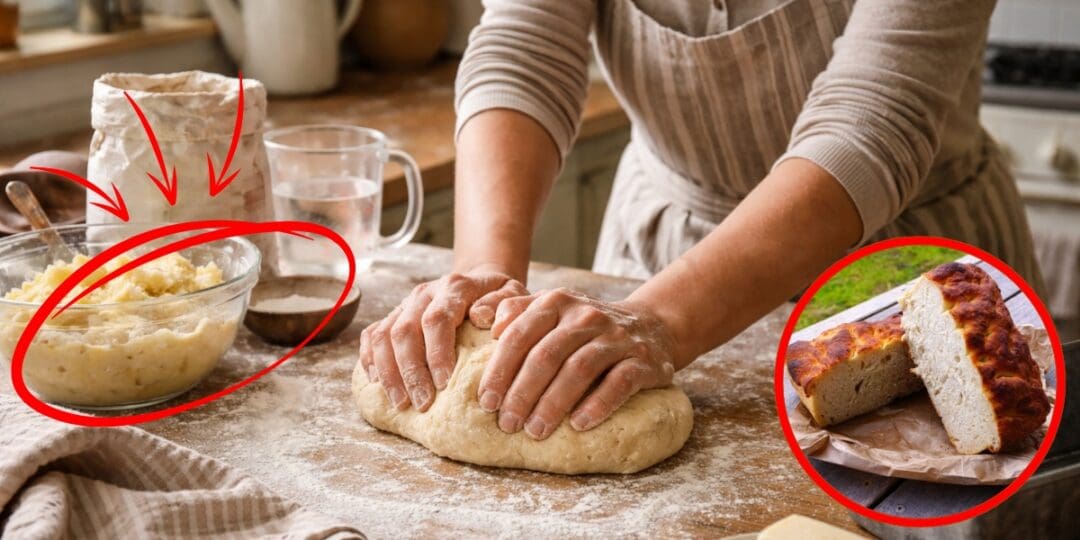
Grocery prices keep climbing and climbing and in the near future, there is a real possibility that most of us will not be able to afford basic food. But the staples are still staples! Flour and potatoes are still two of the cheapest things you can buy, and when you put them together, you can make one of the best homemade breads for somewhere between 70 cents and a dollar.
I started baking this exact recipe of potato bread a couple of years ago when I had leftover mashed potatoes sitting in the fridge and didn’t want to toss them. I was incredibly pleased by what came out of the oven that afternoon, as it was one of the softest loaves I’ve ever made. Easy to guess, I haven’t stopped baking it since.
This recipe uses common pantry ingredients, takes about two hours from start to finish, and transforms ingredients you already have into something your whole family will love.
Why Potatoes Belong in Bread
People have been adding potatoes to bread dough for centuries, especially during times when flour was hard to come by. This is actually a very smart idea because the starch in potatoes absorbs and holds onto water and this gives the bread a tender, soft crumb that stays fresh for days, much longer than a regular white loaf.
A study published in the Journal of Agroalimentary Processes and Technologies backs this up, so all those grandmothers who swore by this recipe knew exactly what they were doing.
Also, the water you probably pour down the drain after you’ve boiled potatoes does something useful in this scheme. It’s nutritious food for yeast that helps the dough rise better. I consider this a win-win: You’re getting a tastier loaf and wasting less at the same time.
When it comes to your nutrition, potatoes bring a little extra potassium and vitamin C to the table. Which is a nice bonus.
Now getting more serious, just flip over a store-bought loaf and read the ingredients list. You’ll find things in there you can’t even pronounce! Preservatives, dough conditioners, high fructose corn syrup, stuff that has no business being in bread. This recipe has seven ingredients, and you know exactly what every single one of them is.
If you don’t grow potatoes in your garden and you consider that what stands between you and an impressive harvest is the lack of space, well, you are in the right place. I tried growing potatoes in small garden beds, containers and other “small space solutions,” but what helped me get the harvest I wanted is this old school Amish-approved method.
For this method, the only space you need is vertical space, and you probably already have it sitting unused and waiting for you to do something. Now, this is your chance to grow your own potatoes with this revolutionary method that doesn’t even use soil.
👉 See how the Amish have been doing this for generations, step-by-step
Ingredients List
This is the full list that will get you one loaf of potato bread. I usually bake three loaves, but I decided to post the ingredients and ratios for a single loaf since I find it easier.
So, keep in mind that if you want more bread, you should adjust things a little. Double the ingredients, triple them, or whatever suits your needs.
- 2 cups all-purpose flour (about half a pound)
- 1 medium potato, boiled and mashed (or leftover mashed potatoes)
- ¾ cup reserved potato cooking water, cooled to warm
- 1 teaspoon active dry yeast
- 1 tablespoon sugar or honey
- 1 tablespoon oil or melted butter (optional, but a very good option when you want your bread to taste even better)
- 1 teaspoon salt
That’s it. Nothing fancy, and nothing you’d need to make a special trip for.
How Much Does It Cost?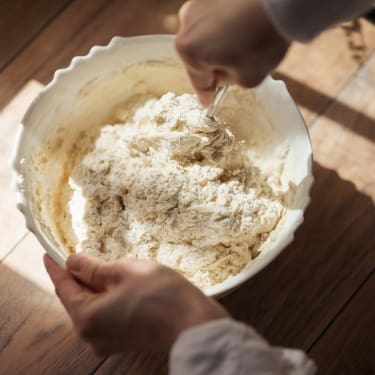
In February 2026, half a pound of flour cost $0.28. One medium potato is $0.29. Yeast, sugar, oil, and salt add a few pennies when you buy in bulk. Water is free.
👉 The Wild Plant FEMA Doesn’t Want You To Know About
If you’re using leftover mashed potatoes and potato water from dinner, the cost drops even more. All in, you’re looking at well under a dollar per loaf. If you grow your own potatoes or buy flour in bulk, the savings are even better.
This is what I love about this recipe. It’s practical and it’s almost free! In times like these, it’s important to value what you already have and try to make the most out of it.
The Recipe, Step by Step
1. Cook the Potato
Peel and dice one medium potato. Drop it in a saucepan, cover with water, and boil until it’s fork-tender. Usually, that’s about 10 to 15 minutes of boiling on high heat.
Before you drain it, save ¾ cup of cooking water. Then, make sure you mash the potato while it’s still hot.
2. Activate the Yeast
Pour the warm potato water into a large bowl. It should be warm to the touch but not hot; around 100 to 110°F is the sweet spot. Stir in the sugar, then sprinkle the yeast on top. Let it sit for 5 to 10 minutes. You’ll know it’s ready when it gets foamy and bubbly on the surface.
3. Mix the Dough
Stir the mashed potato and oil into the yeast mixture until everything is smooth. Add the flour and salt gradually, mixing until a shaggy dough comes together. Turn it out onto a floured surface and knead for 8 to 10 minutes until it feels elastic and smooth. The dough will be softer and a little tackier than regular bread dough because of the potato. That’s normal.
Add more flour ONLY if it’s sticking to everything! If this is not happening, adding more flour can mess things up.

4. First Rise
Place the dough in a lightly oiled bowl, cover it with a towel, and set it somewhere warm. Let it rise until it doubles in size, about 60 to 90 minutes. I usually set mine near a sunny window or on top of the stove if the oven’s been on. Use this time to preheat the oven to 375°F and grease a loaf pan or line a baking sheet with parchment.
5. Shape and Second Rise
Once the dough has doubled, punch it down gently and shape it into a log. Tuck the ends under and place it in the pan or on the baking sheet. Cover it again and let it rise for another 30 to 45 minutes. You want the top of the loaf to crown about half an inch above the edge of the pan.
6. Bake
Bake for 35 to 40 minutes until the top is golden brown and the loaf sounds hollow when you tap the bottom. If you have an instant-read thermometer, it should read between 195 and 200°F. Pull it out of the pan and let it cool on a rack. I know it’s hard to wait but letting it cool gives you cleaner slices.
Read This if You Want to Save Even More (Yes, It’s Possible)
- When you boil potatoes for dinner, always save the cooking water and any extra mash. They go straight into bread the next day.
- Buy flour and yeast in bulk. A big bag of flour and a jar of yeast will last you months and bring the cost per loaf way down.
- If you grow your own potatoes, this recipe is practically free. The same goes if you trade with neighbors at a local swap.
- No yeast on hand? You can start a sourdough culture using just flour and water, or save a piece of dough from your last batch to use as a starter next time.
- Sweet potatoes and winter squash work great too. Just cut back on the sugar a bit since they’re naturally sweeter.
👉 They Don’t Want You Making Your Own Water! Here’s How to Do It Anyway
How to Store Potato Bread Long Term
Potato bread holds onto moisture better than regular white bread, which means it stays soft at room temperature for several days. I wrap mine in a clean kitchen towel or tuck it in a paper bag. If you want to freeze some, slice it first and then simply put it inside a freezer bag. In this way your potato bread will stay fresh for up to three months and you can toast slices straight from frozen.
How to Spice Things Up
Once you master the main recipe, you have a lot of room to play. Now, don’t get me wrong, I love potato bread as it is, but you can always make things more interesting and tastier.
Here are some examples of “alternative recipes” that I like to make. They require almost no effort once you bake the main bread.
- Dinner rolls: Divide the dough into eight balls after the first rise and bake for 20 to 25 minutes.
- Herb bread: Stir in a tablespoon of chopped rosemary, dill, or chives when you add the mashed potato. Roasted garlic or shredded cheese takes it up another level.
- Flatbread: Flatten small pieces of dough and cook them on a hot skillet. No oven is needed and they’re ready in minutes.
- Don’t waste the stale stuff: Day-old slices make incredible French toast, bread pudding, or homemade stuffing. The moist crumb soaks up custard like a sponge.

Turn Your Bread Into Medicine Using Herbs From Your Backyard
One thing I like to do when I make potato bread is to take full advantage of my garden and use everything I have on hand to make my bread more nutritious and to enhance its flavor. Sure, dill and chives are amazing choices when you want deep flavor, but you can transform your bread into a “super bread” by adding medicinal herbs.
Think about dandelion bread. You can sneak some dandelion in potato bread too. But you can also use some other, more potent herbs that can give you even more benefits. Maybe you don’t like to spend time making tinctures. This is the easiest way you can take advantage of what nature gives us with zero effort.
Chamomile – I dry the flowers and crumble them right into the dough. Chamomile is a natural anti-inflammatory and it’s known for soothing your digestive system. It gives the bread a mild, slightly floral flavor that’s nice with butter and honey.
Lavender – A little goes a long way here. I mix in about a teaspoon of dried lavender buds per loaf. It’s calming, helps with anxiety, and has anti-inflammatory properties. Plus, it makes your kitchen smell incredible while the bread bakes.
Calendula — I pull the petals off, dry them, and fold them into the dough. Calendula supports your lymphatic system and helps your body flush out toxins. It adds a subtle golden color to the bread too, almost like saffron.
Chicory Root — I grind dried chicory root into a powder and add a tablespoon or so to the flour. It’s a prebiotic, so it feeds good bacteria in your gut and helps with digestion. It also gives the bread a slightly nutty, almost coffee-like depth.
Echinacea — I use dried echinacea petals or a bit of powdered root mixed into the dough. It’s one of the best immune-boosting herbs out there and adding it to bread is a simple way to work it into your routine, especially heading into cold and flu season.
You don’t need to use all of these at once. I usually pick two or three, depending on what I’ve got dried and ready.
I get all these herbs from my own backyard. I picked up this seed kit two years ago and it included seeds for all the plants listed above, plus 5 more. Right now, I still use plants that grew from those seeds. I wasn’t sure how well they’d grow, but honestly, most of them came back on their own the following year without me doing anything.
👉 If you want your own seed kit, you can get it by clicking here.
Everything comes in one kit, the seeds are non-GMO, and you don’t need any experience to get them going. And here’s a little warning, since I wanted to buy another one too last spring as a gift for my sister: these kits tend to sell out fast every spring. People start planning their gardens and they fly off the shelves. I’d grab one now before they’re gone again.
Final Thoughts
This is one of those recipes that reminds me why I love homesteading. You take a leftover potato, some flour, a little yeast, and about two hours of your time, and you end up with a loaf of bread that’s better than most of what you’ll find at the store. It costs almost nothing, it wastes almost nothing, and it feeds you something real.
If you’ve got your own version of potato bread, or a trick for stretching pantry staples that your family has passed down, I’d love to hear about it in the comments. I bet a lot of folks in this community would too.
You may also like: 
Tinderbread: The Fireproof Biscuit That Lasts Forever
The Great Depression Food That Saved America (Video)
How to Make Cowboy Bread (Lasts Months in Your Pantry)
Grandma’s Long-Lasting Bread and Butter Pickles
How To Make Bread Last For Up To 5 Years