
As more and more people acknowledge the importance of a healthy lifestyle and a good diet, a certain superfood has made its way into the spotlight. It’s called blue spirulina, and not only is it really cool to look at, but it’s incredibly high in essential nutrients like iron, antioxidants, and other minerals.
With levels ranging from 60 to 70%, spirulina also has a greater protein content than almost any other food. It is a complete protein, meaning it has all of the essential amino acids. It is also a non-seaweed, single-cell algae, which makes it completely vegan. The protein and minerals these beautiful algae provide make it an extremely beneficial supplement for vegans. But honestly… everyone could use a little blue spirulina in their diet. Plus, it’s the only superfood you can make blue milk with!
Blue Milk is a fun, nutritious spirulina drink that even your kids will love making. And it’s a great way to ensure you and your family get plenty of vitamins and minerals. I’ll show you how to make it from scratch with just a few simple ingredients. But first, let’s look a little deeper at why one might want to take blue spirulina.
Blue Spirulina Health Benefits
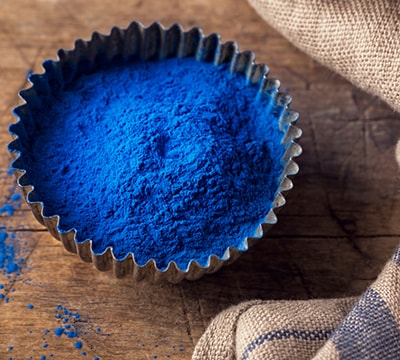
Many are surprised by this healthy algae’s brilliant blue color when they discover it for the first time. It is so vibrant and showy that it is often used as an organic coloring agent for various treats. The deep color of blue spirulina tells us right away that it’s good for us.
Have you ever heard the phrase, “eat your colors?” You have now. Colors in foods and flowers represent specific nutrients. Beta-carotene, for example, gives orange and yellow foods their rich color. Beta-carotene is transformed into vitamin A (retinol) in the body. We need vitamin A for healthy skin and mucous membranes, a robust immune system, and clear vision. Surprisingly, Beta-carotene is also present in blue spirulina.
Blue foods are said to be some of the most antioxidant-rich foods on the planet. Blue spirulina gets its rich hue from phycocyanin, which is often found in aquatic plants. Aquatic plants are known to be far more nutrient-dense than land plants, according to Stanford.
With a pH of 7-8, it is quite alkaline. Hence, it’s great for returning an acidic body to a healthy pH level.
Here are some of the health benefits of blue spirulina:
 Bolsters immune health
- Great protein supplement
- Fantastic iron supplement
- Can help calm allergies
- Fights viruses
- Aids in treating liver disorders
- Pillars eye health
- Lowers cholesterol
- Reduces blood pressure
- Possible mood regulator
- Increases muscle strength
- Helps manage blood sugar
- Counteracts anemia
Blue spirulina is naturally extremely anti-inflammatory due to its powerful antioxidant properties. And, since inflammation is a major contributor to almost all diseases, eating as many anti-inflammatory foods as possible is key.
For more anti-inflammatory superfoods, here is a complete guide to edible and medicinal seaweeds, mushrooms, plants, berries and poisonous lookalikes.
Homemade Blue Milk Recipe
Blue milk is a delicious and fun way to incorporate this mineral-filled powder into your diet. It has a touch of sweetness and exhibits just a little bit of spice with the addition of ginger and cinnamon. You can use nuts like cashews or almonds instead of coconut if you want. Cashews and almonds are a great source of protein and primarily good fats, with almonds being the lower fat of the two. Coconuts are higher in MCTs, which are popular with the keto crowd. It’s sweeter and has antimicrobial and anti-inflammatory properties. Use whichever suits your needs best.
I’ve done the milking for this recipe by hand. No cows were harmed, though the coconut is no longer with us. It’s a parody of conventional nut milk made with a “milking bag” that I bought for under ten dollars on Amazon. But you can use a milk machine, or just buy the milk if you prefer. For a fun, super kid-friendly variation of the following blue milk recipe, try eliminating the cinnamon and ginger and adding in a bit of cocoa. You can also try other kinds of sweeteners (or none).
Ingredients: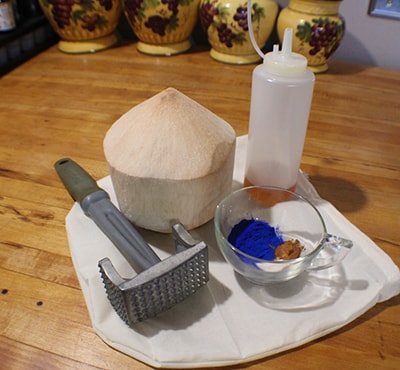
- 1 small whole coconut
- 1 “nut milk” bag
- A hammer or cooking mallet
- 2 tablespoons of Blue Spirulina
- ¼ teaspoon of cinnamon
- ⅛ teaspoon of ginger powder
- ¼ teaspoon vanilla or vanilla powder
- 2 tablespoons of raw honey
- ½ – 1 cup scalding hot water, depending on how thick you want your milk to be and how big your coconut is
Steps:
Step 1. Measure the powder ingredients (spirulina, cinnamon, ginger, vanilla) into a small bowl and set it aside.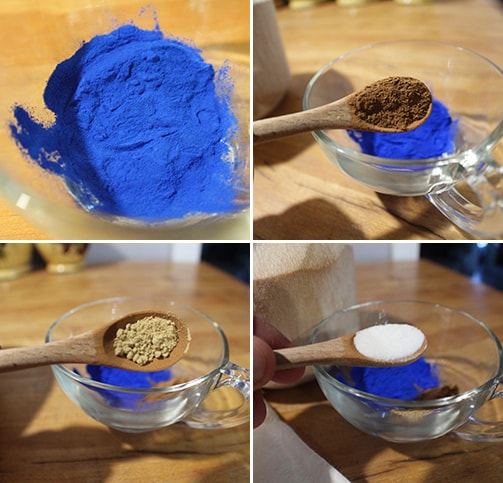
Step 2. The coconut must be completely stripped of its husk before being placed inside a clean dish towel. Grab a large basin and use it to catch the coconut water. Break the coconut open entirely to expose the meat inside. Some people score it with a knife first, but that didn’t work for me.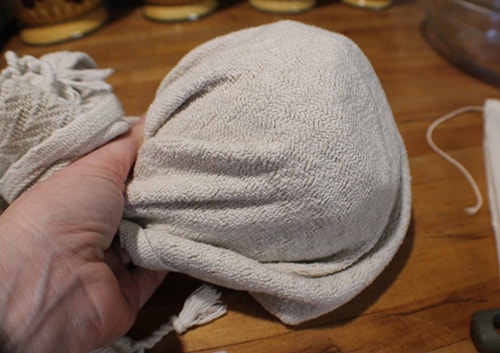
Step 3. Filet or scrape the coconut’s meat from its shell, then add it to the bowl.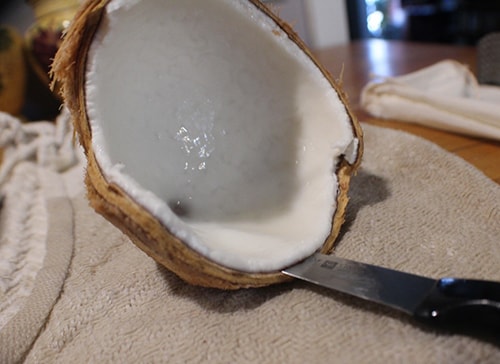
Step 4. Add the coconut meat to a blender with at least enough hot water to make it float. Depending on how creamy you want your milk to be, you can add more or less.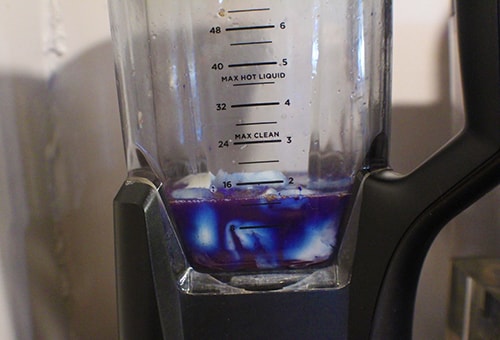
Step 5. Add the honey and powdered ingredients to the blender and blend on high for one minute.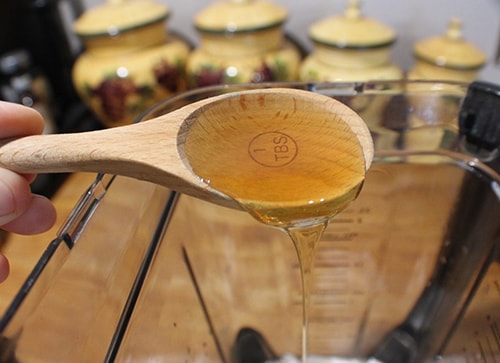
Step 6. Put your nut bag in a big glass to get it ready. Fill the bag with the mixture. To release the milk into the glass, start squeezing carefully. There will be some solids that can be dried and used as coconut flour.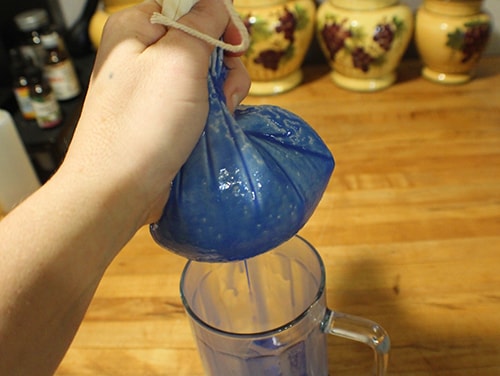
Enjoy your blue milk warm!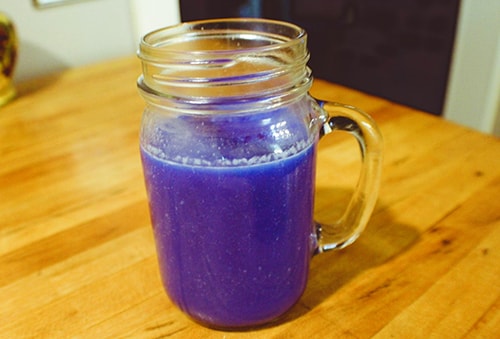
Add ice to your blue spirulina drink if you like a chilled beverage. You can blend it with ice, too! It will separate as it cools, but if you put it in the fridge overnight, you can use the cream to make a fantastic blue milkshake or smoothie the next day.
Let me know in the comments if you try this recipe!
Superfoods like blue spirulina are powerful, but they’re only one piece of real, long-term wellness. The bigger question is this: what do you do when supplements are hard to find, prices spike, or pharmacies aren’t an option? That’s where knowledge beats products.
Forgotten Home Apothecary brings together the kind of practical, time-tested wisdom people relied on long before modern supply chains existed. It shows you how to use plants, roots, and simple preparations to support your body naturally — not as trends, but as dependable systems.
Inside, you’ll learn how to:
- Identify medicinal plants that support immunity, inflammation control, digestion, and circulation
- Prepare tinctures, teas, salves, syrups, and powders at home with simple tools
- Build a home apothecary that complements nutrition-focused foods like spirulina
- Reduce dependence on pharmaceuticals by understanding natural alternatives
- Store and organize remedies so they’re ready when you actually need them
Nutrition strengthens the body. Herbal knowledge sustains it. When you combine both, you stop reacting and start being prepared.
If you’re already thinking about what goes into your body, Forgotten Home Apothecary helps you think ahead about how to care for it — calmly, naturally, and on your own terms.
You may also like:
Don’t Throw Away Spoiled Milk! Do This Instead!
The Herbs You Need to Keep Close During Dark Times (Video)
Ingenious Ways To Use Milk Jugs In Your Backyard