I put my first bee balm in the ground along the edge of my herb beds mostly because I wanted more pollinators around the vegetable garden, and it delivered on that in the first summer. What I did not expect was how much use I would get out of it beyond the bees. Once I started drying the leaves for tea and learned a bit about its history as a homestead remedy, bee balm earned a permanent spot on my property. If you are weighing whether to give it space, here is what I have learned about growing it well, keeping it healthy, and putting it to work once it is established.
What Is Bee Balm?
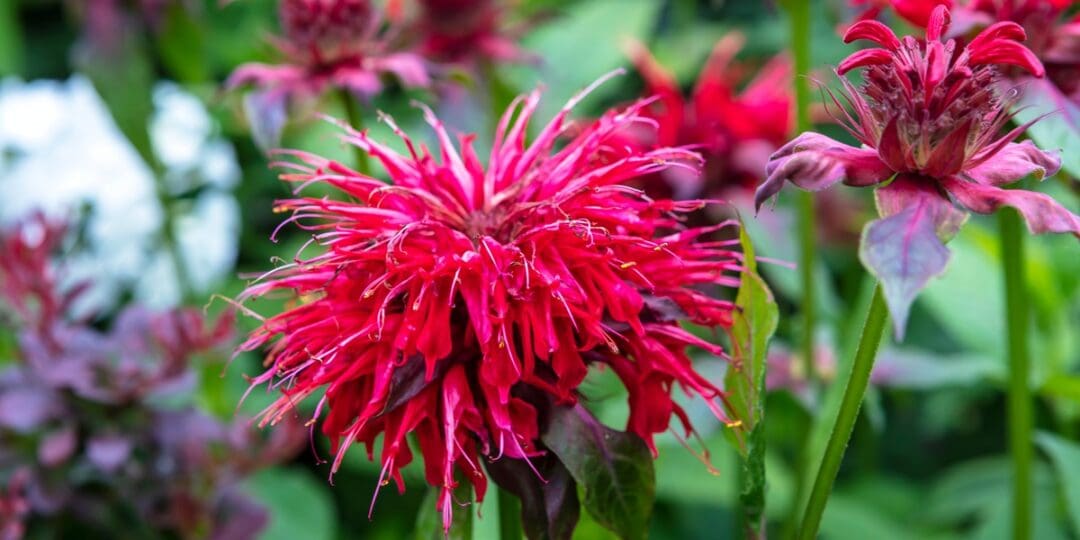
Bee balm is the common name for Monarda, a genus of North American native perennials in the mint family. The two you will run into most often are Monarda didyma, or scarlet bee balm, with bright red flowers and a minty-oregano scent, and Monarda fistulosa, or wild bergamot, with lavender-pink blooms and a slightly milder flavor. Both are also called Oswego tea, a nod to the Oswego people, who used the plant long before European settlers arrived and adopted it as a substitute for imported black tea. The flowers show up in shaggy, firework-like clusters from midsummer into early fall, and they are genuinely one of the best plants I grow for pulling in bees, hummingbirds, and butterflies.
Why I Grow It
- It is a serious pollinator magnet, drawing bees, hummingbirds, and hummingbird moths right when the garden needs the pollination help most
- It is a low-maintenance perennial once established, coming back reliably year after year without replanting
- The leaves and flowers are useful well beyond the garden bed, from tea to homemade remedies to a spicy addition in the kitchen
- The strong scent helps deter deer and rabbits from browsing nearby plants
Growing Conditions Bee Balm Wants
Bee balm is forgiving, but it does best when a few basics are covered.
- Full sun to light shade. Mine gets about six hours of direct sun and blooms heavily; plants in more shade still survive but flower less and are more prone to disease
- Consistently moist, rich soil. Bee balm is native to streambanks and moist meadows, so it does not love drying out completely between waterings, especially in its first season
- Good airflow. Space plants 18 to 24 inches apart. This single step does more to prevent disease than anything you can spray on afterward
- Hardiness zones 3 through 9 cover most of the country, so if you are gardening in a temperate climate, bee balm is almost certainly an option
Planting Bee Balm
- Plant in spring or fall, once the risk of hard frost has passed if you are working with nursery starts.
- Dig a hole slightly wider than the root ball and set the plant so the soil line matches what it was in the pot.
- Space plants 18 to 24 inches apart, even if that looks like too much room at first. Bee balm fills in fast, and cramped plants are the ones that end up covered in powdery mildew by August.
- Water thoroughly after planting, then keep the soil evenly moist while the roots establish.
- Mulch around the base to help hold moisture and keep weeds down, but avoid piling mulch against the stems themselves.
You can also grow bee balm from seed started indoors six to eight weeks before your last frost date, or by dividing an established clump in early spring. Division is my preferred method now, since bee balm spreads by rhizomes and tends to hand you free plants whether you ask for them or not.
Ongoing Care
- Skip the fertilizer in most cases. Bee balm rarely needs it, and too much nitrogen pushes leafy growth at the expense of flowers while raising disease risk
- Deadhead spent blooms to encourage a second flush of flowers later in the season
- Divide clumps every two to three years. Bee balm tends to die out from the center as it ages, and dividing keeps it vigorous
- Cut stems back to a couple of inches above the soil after frost, or leave the seed heads standing over winter if you want to feed the birds
Dealing with Powdery Mildew
Powdery mildew is the one real headache with bee balm, and almost every grower runs into it eventually. It shows up as a grayish white, powdery coating on the leaves, usually starting low on the plant and working upward, and while it rarely kills an established plant, it can make a bed look ragged fast. The Illinois Extension notes that plants under drought stress are more susceptible, since stressed foliage has weaker disease resistance, which lines up with what I have seen in my own beds during dry summers.
- Give plants full sun and proper spacing so air moves freely between them
- Water at the soil line rather than overhead, since wet foliage encourages fungal growth
- Keep the soil evenly moist, particularly in hot, dry stretches, rather than letting plants stress out and bounce back
- Cut back and remove infected foliage at the end of the season instead of composting it in place, since the fungus can overwinter in plant debris
- Look for mildew-resistant cultivars if this has been a recurring problem in your garden, since breeders have made real progress here
Harvesting Bee Balm
I harvest leaves and flowers together, usually just as the plant starts to bloom, when the aromatic oils are at their strongest. Snip stems in the morning after the dew has dried but before the sun gets too hot, which is when I find the scent is most concentrated. You can harvest leaves earlier in the season on their own if you just want foliage for tea, and taking a moderate cutting encourages the plant to bush out rather than harming it.
- Cut stems a few inches above the base, leaving enough foliage for the plant to keep growing
- Harvest in small batches through the season rather than stripping a plant all at once
- Dry leaves and flowers by hanging small bundles upside down in a warm, dry, airy spot out of direct sun, or lay them on a screen
- Once fully dry and crumbly, store in an airtight jar out of direct light, where the dried herb will keep its flavor for close to a year
Putting Bee Balm to Use
Bee balm has a long history as a homestead remedy, and most of that history traces back to one compound: thymol, the same aromatic constituent that gives thyme its sharp, antiseptic scent. According to North Carolina State Extension, Monarda has been used by Indigenous peoples and early settlers for generations, and Oswego tea itself became popular as a substitute for imported black tea during the colonial boycotts. On my own homestead, the most common uses are simple ones.
- Tea: steep a small handful of fresh or dried leaves and flowers in hot water for 5 to 10 minutes for a warming, oregano-mint flavored infusion
- Culinary spice: the fresh leaves have a peppery, oregano-like bite that works well with roasted meats, and the flowers are edible and colorful tossed into salads
- Skin soothing: a cooled, strong infusion applied with a clean cloth has traditionally been used on minor skin irritation, including the bee stings that gave the plant its common name
- Steam inhalation: a bowl of just-boiled water with a handful of fresh leaves makes an aromatic steam for a stuffy head, draped with a towel the same way you would use a eucalyptus steam
None of this makes bee balm a substitute for medical treatment, and if you are pregnant, on medication, or dealing with a health condition, it is worth talking to a healthcare provider before using any plant medicinally in more than a culinary amount. But as a low-effort, high-reward plant that pulls double duty as pollinator habitat and home apothecary stock, it has earned its place in my garden many times over.
Companion Planting Notes
Bee balm plays well with other sun-loving perennials that share its water needs. I grow mine alongside coneflower, black-eyed Susan, and catmint, and the mix keeps pollinators busy from early summer through fall. Because bee balm spreads by rhizomes, give it a little room or plant it where a bit of wandering is welcome, since it will happily crowd less vigorous neighbors if left unchecked for a few seasons.
Common Questions
Does bee balm come back every year?
Yes. Bee balm is a perennial in most temperate climates and will return each spring once established, spreading gradually by rhizomes.
Is bee balm invasive?
No, not in the noxious-weed sense, but it does spread readily by rhizomes and will fill in a bed faster than expected. Divide it every few years to keep it in bounds.
Can I eat bee balm flowers?
Yes. The flowers and leaves are edible and have a peppery, oregano-like flavor that works well in salads, teas, and as a garnish.
Take Your Homestead Skills Even Further
Growing bee balm is about more than adding another pretty flower to the garden. It’s about building a homestead that’s productive, resilient, and full of plants that serve more than one purpose. The generations before us understood that every square foot of land should earn its keep—feeding the family, supporting pollinators, providing herbal remedies, and reducing dependence on the store.
That’s exactly the kind of practical wisdom you’ll find in the Amish Ways Book.
Inside, you’ll discover hundreds of traditional, field-tested techniques that have helped Amish families live simply and self-sufficiently for generations, including:
- How to grow productive gardens using time-tested methods
- Companion planting and natural pest control without harsh chemicals
- Traditional herbal remedies and medicinal plants worth growing
- Food preservation techniques that keep your harvest fresh for months
- Homemade pantry staples, natural cleaners, and everyday household essentials
- Frugal skills that help you save money while becoming more self-reliant
- Forgotten homesteading knowledge that’s just as valuable today as it was a century ago
Whether you’re cultivating a backyard herb garden, raising pollinator-friendly flowers like bee balm, or working toward greater food independence, the Amish Ways Book is packed with practical lessons you can start using right away.
If you enjoy learning the old-fashioned skills that helped families thrive long before modern conveniences, the Amish Ways Book deserves a permanent place on your bookshelf. It’s a resource you’ll return to season after season as your homestead grows.
Final Thoughts
Bee balm is one of those plants that pays you back on more than one front. It draws in the pollinators your vegetable garden depends on, it shrugs off neglect once it is settled in, and it hands you a useful, good-tasting herb for the drying rack every summer. If you have a sunny corner with room to spare, it is hard to go wrong giving it a try.
You may also like:
Don’t Forget To Join The Self-Sufficient Projects Facebook Group
This Is The First Thing You Should Do With The Food In Your Fridge During A Blackout (Video)
How to Grow Bell Peppers – The Complete Guide From Seed to Harvest
9 Fruits You Can Grow from Cuttings
Asparagus – Where to Plant: Complete Location Guide for Growing Success
How to Grow Ginger – A Self-Reliant Guide for Backyard Growers
The Ultimate Guide to Growing Goji Berries: A Superfood in Your Backyard