I used to spend two weeks hand-picking tomato hornworms off my plants every morning.
My back ached.
My patience wore thin.
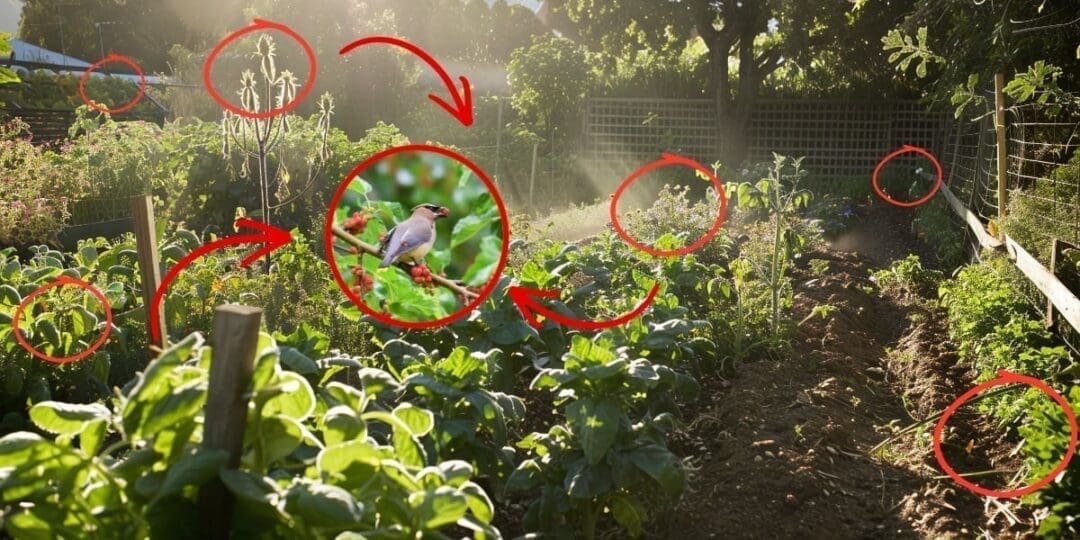
Then I noticed a Carolina wren working the same row I’d just finished. She was pulling caterpillars I’d completely missed from underneath leaves. That bird cleared more pests in ten minutes than I had in an hour.
The difference between us? She knew where to look, and she had a reason to be there. I’d planted bee balm at the end of that row three months earlier.
You know what I’ve realized after watching that wren come back every day since? The best pest control doesn’t come in a bottle. It flies in on wings, usually around dawn, and works for free if you give it the right conditions.
How Birds Actually Choose Where to Hang Out

Birds don’t care if your garden looks like something from a magazine. They’re scouting for survival needs. First thing they look for? Reliable food sources that last through multiple seasons.
A garden that only offers food in spring loses its bird population by mid-summer. You need to provide a continuous supply of fruits, seeds, nectar, and insects.
Shelter determines everything. Where they’ll sleep, where they’ll hide when a hawk flies over. A perfectly manicured garden usually lacks the density it needs to feel safe. Birds want thickets.
Thorny branches. Height variations. They’ll skip right over an exposed feeding area if there’s no cover nearby to retreat to.
And water? That anchors the whole habitat. They need it for drinking and bathing as it maintains their feather insulation. A static birdbath works, but moving water attracts way more attention. Place your water sources near protective shrubs instead of out in the open lawn, and you’ll guarantee higher visitation.
👉 Learn How to Secure Clean Water for Your Home Here!
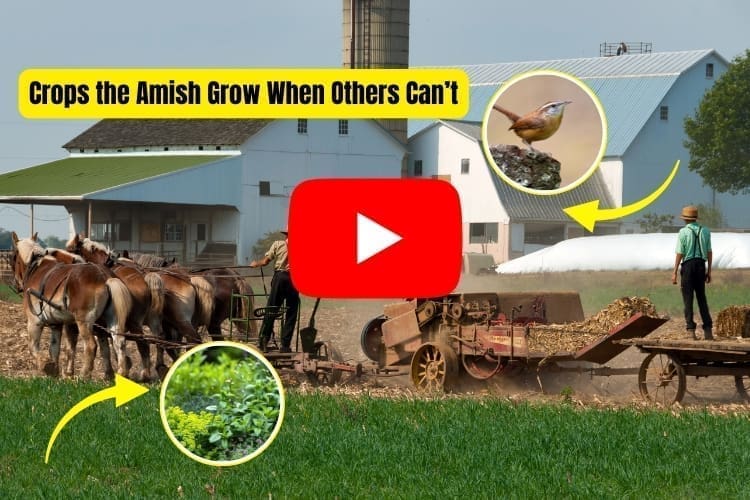
Out of everyone, the Amish are by far the experts when it comes to gardening. They have always been known as excellent farmers, dating back hundreds of years.
The Amish don’t garden for hobby. For them, a strong harvest means survival. Having a healthy and prosperous garden is a guaranteed and secure food source that will be there when you need it the most.
Attracting birds to your garden is an ingenious old-fashioned way of keeping pests under control, but this is not the only trick the Amish have mastered. They understand that the most effective solutions often come from working with nature, not against it.
These are the secret methods the Amish use to get better yields year after year. Click on the video to find out all about it.
Native Berry Plants That Actually Work
Native berry plants give local bird species the highest energy return. Let me tell you about the ones I’ve seen work.
Elderberry bushes
They offer a massive seasonal food source. Those umbrella-shaped clusters of dark purple elderberries come in late summer. I plant mine along the perimeter fence where they can grow wild. Dozens of species, from warblers to thrushes, flock to these bushes to strip the fruit before migration. The dense foliage also makes excellent cover.
Mulberry trees
Known to deliver summer fruit abundance that’s hard to match. One mature tree drops gallons of fruit. Gallons. It’ll feed robins, waxwings, and mockingbirds for weeks. Just plant them away from walkways because the fallen fruit stains like crazy. But here’s the benefit: the sheer volume takes pressure off your other crops. Birds will prioritize those high-sugar berries over your tomatoes every time.
Serviceberry shrubs
They fill the early spring gap. They bloom before most other plants and produce fruit in June, and that’s why they’re called “Juneberries.” They attract bluebirds and cardinals right when they’re feeding their first broods. You get a hardy shrub that handles various soil types and offers a critical food bridge between spring insects and late summer crops.
Wild honeysuckle vines
Perfect as they offer birds both berries and shelter. The native coral honeysuckle produces red berries in autumn that quail and finches love. The vine grows over trellises or fences, creating this tangled mat where birds can hide from predators. You gain a vertical layer of habitat without losing ground space in your beds.

Seed Plants That Draw the Right Crowd
Seed heads provide the fats and proteins birds need for colder months. Here’s what brings them in.
Sunflowers
They are like high-energy seed towers. I grow the ‘Mammoth Grey Stripe’ variety because those large heads act like dinner plates for chickadees, nuthatches, and cardinals. Leave the heads on the stalks until they’re picked clean. The thick stalks also harbor overwintering insects, which give woodpeckers another food source.
Millet grass
This plant targets ground-feeders specifically. Juncos, sparrows, and towhees prefer to forage on the soil surface rather than perch on feeders. Plant millet in patches between rows or on the edges. The seeds drop gradually, providing steady food that requires the birds to scratch and peck. Bonus: that helps aerate your topsoil.
Amaranth
Known to produce seed heads that last well into winter. Those striking red or orange plumes hold thousands of tiny seeds that goldfinches love. You can use it as a dual-purpose crop—harvest the leaves for yourself in summer and leave the seed heads for the birds in autumn. The plants stand tall even in the now.
Sorghum
This works as both food and cover. The tall, corn-like stalks create windbreaks while the seed clusters at the top attract larger birds like jays and doves. I plant sorghum in blocks to create “bird zones” that distract them from my main corn patch. The grain is highly nutritious and keeps birds energetic when temperatures drop.
Nectar Plants for Hummingbirds and Friends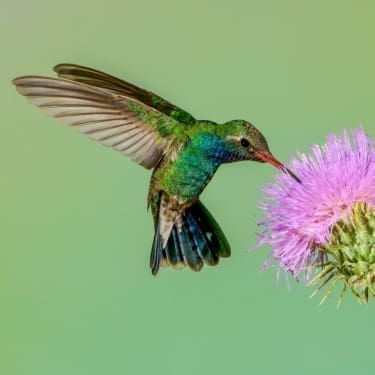
Hummingbirds need high-sugar fuel to maintain those rapid metabolisms.
Trumpet vine
It serves as a premier hummingbird feeder. Those orange, tubular flowers match a hummingbird’s beak perfectly. Warning: this vine is aggressive. Plant it on a sturdy structure like a dedicated arbor. The coverage it provides also attracts nesting birds looking for dense vegetation.
Bee balm
It offers colorful nectar in a more contained form. The flower heads consist of many tubular florets, so multiple birds can feed at once. Plant it in perennial borders to attract hummingbirds while also bringing in beneficial predatory wasps. Space it out for airflow as it resists mildew better that way.
Aloe and red-hot poker plants
They work for dry-climate gardens where water’s scarce. These succulents send up tall spikes of tubular flowers rich in nectar. Orioles often visit these to drink. You’re providing a critical moisture and sugar source in environments where other flowers might wither.
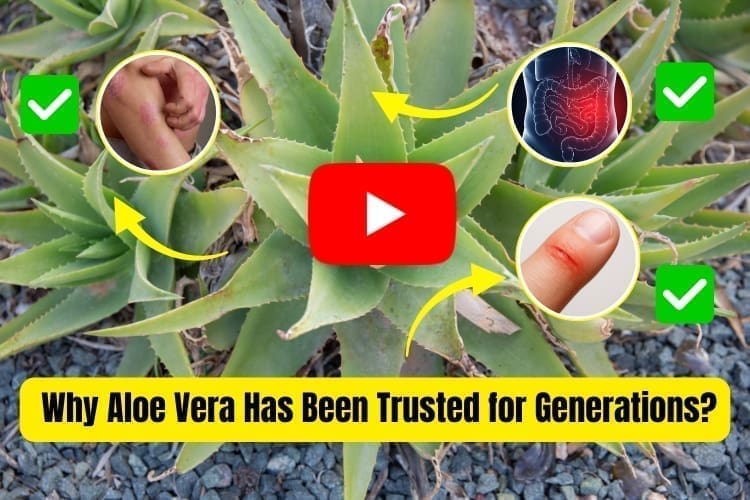
And if you have aloe in your garden or if you want to plant some, keep in mind that this miraculous succulent is a staple in many, many home remedies recipes. This is not good only for the birds but also for you.
If you are struggling with skin problems such as psoriasis and dermatitis, digestive issues, a weakened immune system, high cholesterol, or high blood sugar, you should know that aloe vera isfound in most home remedies used to treat these conditions.
Knowing how to prepare and use aloe correctly makes all the difference.
Find out the recipes for these remedies in the video below.
Coral honeysuckle
It creates climbing nectar zones without going invasive like Japanese honeysuckle. The trumpet-shaped flowers bloom from spring through summer. Train it up a porch post or fence line to bring birds close for observation. The nectar is consistent, and the plant handles variable weather.
Uncommon Plants That Bring Rare Visitors
Wanna see birds most gardens miss? Try these.
Fig trees
This attracts fruit-eating specialists. Mockingbirds and tanagers will defend a fig tree fiercely once they discover ripening fruit. The sugar content is exceptionally high, which helps birds build fat reserves. I often sacrifice the top third of my harvest to them—it keeps them out of the lower branches where I pick.
Prickly pear cactus
It offers hydration and sugar for desert species. The fruit (called “tuna”) ripens to bright red and gets devoured by thrashers and woodpeckers. The pads also provide impenetrable nesting sites. Security fence and food source in one plant.
👉 This All-Purpose Plant Might Be Growing RIGHT NOW in Your Backyard!
Loquat trees
A very good choice that offers a supply of food in winter when most trees are dormant. They bloom in late autumn and set fruit that ripens in late winter or early spring. You’ll see cedar waxwings and robins swarming loquats when there’s still snow on the ground in some regions. This off-season production supports birds when mortality rates are usually highest.
Bottlebrush shrubs
They attract brush-tongued birds and hummingbirds. That unique flower shape holds nectar deep within the bristles. These are drought-tolerant and evergreen in warmer zones, offering year-round shelter. You add distinct texture to the landscape while feeding a specific subset of the population.
Plants for Nesting and Shelter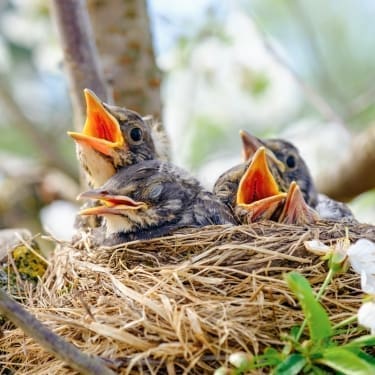
Food attracts birds, but safety makes them stay.
Bamboo clumps
They create safe nesting pockets that predators like raccoons can’t easily climb. Choose clumping varieties so they don’t take over your property. The dense vertical canes offer wind protection and secluded spots for smaller birds like wrens to build nests.
Dense rosemary hedges
They offer excellent cover for small birds. The woody stems and evergreen needles create a microclimate that stays warmer than the open air. Sparrows and finches often roost inside large rosemary bushes at night. Plus, you get a culinary herb that doubles as a bird hotel.
Tall ornamental grasses
Provide wind protection and nesting material. Species like switchgrass or miscanthus stand up to winter winds and snow loads. Birds use the dried blades to weave their nests in spring. You’re creating thermal cover where birds can huddle to conserve body heat during freezing nights.
👉 If You See These Eggs In Your Backyard, Burn Them Immediately!
Thorny blackberry brambles
Serve as the ultimate predator defense. Those sharp thorns deter neighborhood cats and hawks. Thrushes, catbirds, and cardinals prefer nesting deep inside these brambles. You’ll need to prune them annually to keep them accessible, but that tangled mess is exactly what birds need for security.
Building Something That Lasts
Birds have site fidelity. If they raise a successful brood in your blackberry bush, they’ll return next year. You’re building a generational relationship with these animals.
Expand plant diversity yearly. Add two or three new bird-friendly species every planting season. If you have plenty of berries, add nut trees or nectar vines. The wider your botanical variety, the wider your bird variety.
You may also like: 
This Is Why You Should Attract These Birds In Your Garden
Native American Remedies That We Lost To History (Video)
Tomato Worms: How to Identify, Manage, and Protect Your Garden
This Tiny Bug Can Destroy Your Garden in 48 Hours
Borax Ant Killer: A Simple, Natural Way to Reclaim Your Home