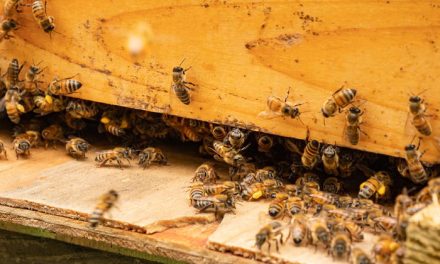
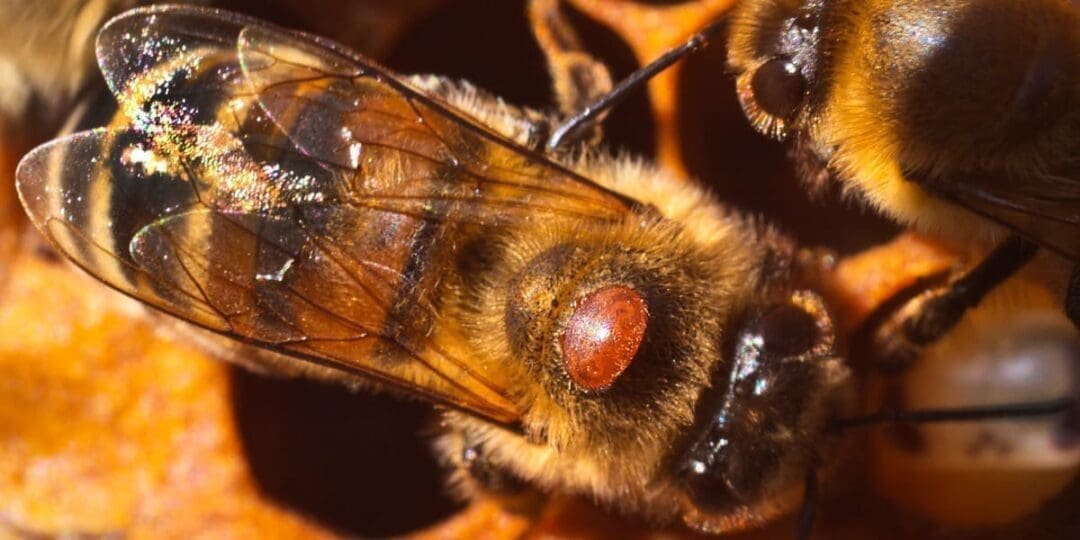
Beekeeping is one of the most rewarding self-sufficiency skills you can develop. Bees support pollination, food production, and honey harvesting. But there is one threat responsible for collapsing more hives than nearly any other problem. Varroa mites.
If you keep bees or are planning to, understanding varroa mites is not optional. It is essential. These tiny parasites quietly weaken colonies until the entire hive collapses, often without obvious warning signs until it is too late.
The good news is that varroa mites can be managed successfully. The key is early detection, consistent monitoring, and using practical treatment methods that support hive health long-term.
What Are Varroa Mites?
Varroa mites are external parasites that feed on honey bees. They attach themselves to adult bees and developing brood, weakening the entire colony over time.
These mites are extremely small but highly destructive. A single untreated infestation can multiply rapidly, spreading disease and lowering the immune strength of the hive.
Varroa mites feed by attaching to the bee’s body and consuming nutrients vital for the bee’s survival. As they spread through the colony, they reduce worker bee lifespan, damage brood development, and make colonies vulnerable to viruses and infections.
Most colony collapses in modern beekeeping are directly linked to uncontrolled varroa mite infestations.
Why Varroa Mites Are So Dangerous
The danger of varroa mites comes from both direct damage and disease transmission. When mites feed on bees, they weaken their ability to perform essential hive duties such as foraging, nursing brood, and maintaining hive temperature.
Even worse, varroa mites spread viruses that quickly move through a colony. Deformed Wing Virus is one of the most common signs of severe infestation. Bees infected with this virus are unable to fly or gather food, accelerating hive collapse.
Without intervention, varroa mites can completely destroy a colony within one to two seasons.
How Varroa Mites Spread Between Hives
Varroa mites spread easily between colonies, especially in areas with multiple apiaries or unmanaged wild hives.
Mites spread through:
- Drifting bees entering neighboring colonies
- Robbing behavior when bees steal honey from weakened hives
- Swarming colonies transferring mites to new locations
- Purchasing or introducing infected bees
Because mites spread so easily, even well-maintained hives require regular monitoring.
Signs Your Hive May Have Varroa Mites
Early detection is critical for protecting your colony. Many infestations begin silently, so beekeepers must watch for subtle warning signs.
Common symptoms include:
- Bees with damaged or deformed wings
- Reduced honey production
- Spotty or irregular brood patterns
- Increased presence of crawling or weak bees near the hive entrance
- Sudden population decline during otherwise productive seasons
Regular hive inspections remain the best defense against unnoticed infestations.
How To Monitor Varroa Mite Levels
Testing mite levels helps determine when treatment becomes necessary. Several monitoring techniques allow beekeepers to track infestation levels accurately.
Sugar Shake Method
This method collects bees in a jar and gently coats them with powdered sugar. The sugar dislodges mites without harming the bees, allowing you to count mite presence.
Alcohol Wash Method
Alcohol wash testing provides highly accurate mite counts. While it sacrifices a small number of bees, it offers reliable infestation measurements that help guide treatment decisions.
Sticky Board Monitoring
Sticky boards placed beneath hive frames capture falling mites. This allows beekeepers to monitor natural mite drop over time.
Consistent monitoring prevents infestations from reaching destructive levels.
Natural And Practical Varroa Mite Control Methods
Managing varroa mites requires combining multiple strategies rather than relying on a single solution.
Screened Bottom Boards
Screened bottom boards allow mites that fall from bees to drop out of the hive rather than reattaching. This simple modification helps reduce mite population growth.
Drone Brood Removal
Varroa mites prefer drone brood because it remains capped longer. Removing drone brood frames can significantly reduce mite reproduction cycles.
Organic Acid Treatments
Many beekeepers use naturally derived treatments such as oxalic acid or formic acid to control mite populations. These treatments target mites while minimizing harm to bees when used properly.
Essential Oil Treatments
Some natural beekeepers use essential oils like thymol to help reduce mite populations. These treatments should be applied carefully to avoid stressing colonies.
Strengthening Colony Health To Resist Varroa Mites
Healthy colonies are naturally more resilient to parasites and disease. Supporting hive strength is one of the most effective long-term defenses against varroa mites.
Strong colonies benefit from:
- Proper hive ventilation
- Adequate winter food stores
- Avoiding overcrowding
- Maintaining strong queen genetics
- Regular inspection schedules
Colonies that remain strong and well-nourished often show improved resistance to infestations.
Seasonal Varroa Mite Management Strategy
Effective mite control requires adjusting management practices throughout the year.
Spring inspections help identify overwintering infestations before colonies begin expanding.
Summer monitoring ensures mite levels remain low during peak brood production when mites reproduce rapidly.
Fall treatments are especially important because bees raised in autumn must remain strong enough to survive winter.
Neglecting fall mite management is one of the most common causes of winter hive losses.
Common Mistakes Beekeepers Make With Varroa Mites
One of the biggest mistakes is assuming healthy-looking hives are mite-free. Colonies often appear strong while mite populations grow silently.
Another common mistake is treating only after visible damage occurs. By that point, the colony may already be severely weakened.
Some beekeepers also rely on a single treatment method repeatedly, which can reduce effectiveness over time. Rotating management strategies helps maintain long-term success.
Why Varroa Mite Control Supports Self-Sufficiency
Bees play a vital role in self-sufficient living. They support food production through pollination while providing honey, wax, and other valuable resources.
Protecting bee colonies protects gardens, orchards, and long-term food independence. Learning varroa mite management helps ensure beekeeping remains a reliable and sustainable part of homesteading.
Beekeepers who stay ahead of mite infestations preserve stronger colonies and more stable honey production year after year.
Final Thoughts
Varroa mites remain one of the most serious threats to modern beekeeping. However, consistent monitoring, natural treatment strategies, and strong colony management can dramatically reduce their impact.
Successful beekeeping depends on understanding threats before they destroy colonies. By staying proactive, homesteaders can maintain healthy hives and protect one of nature’s most valuable pollinators.
Learn Forgotten Self-Sufficiency Skills Before They Disappear
If you’re working toward true self-sufficiency, protecting your food supply goes far beyond gardening and food storage. Skills like beekeeping, natural pest control, food preservation, and traditional survival methods once helped families thrive during difficult times.
Many of these skills have nearly disappeared, but they have been carefully preserved in The Lost Ways.
Inside this guide, you will discover:
- Forgotten methods used to preserve food without modern refrigeration
- Historical survival recipes that sustained families during supply shortages
- Practical self-reliance skills that helped communities survive economic collapse
- Step-by-step instructions for building long-term food security
- Traditional knowledge passed down through generations of homesteaders
These time-tested methods help families prepare for uncertainty while building independence from fragile supply chains.
You may also like:
Why Growing Bees Is Easier Than You Think
A Walgreens Is Opening In Your Backyard (Video)
How to Make a Perfect Bee Pollen Smoothie
Have You Been Using Fake Honey?
10 Long-Lasting Foods You Can Make From Honey