A backyard doesn’t need to be large, perfectly landscaped, or filled with expensive equipment to become an exciting place for children.
Even a modest outdoor space can offer opportunities to explore plants, observe insects, learn where food comes from, and develop an appreciation for nature.
Creating a backyard nature discovery area is also an excellent DIY project for families interested in gardening, sustainable living, and hands-on learning.
With a few simple materials and some creativity, you can transform an ordinary yard into a miniature outdoor classroom.
Start With a Small Nature Observation Area
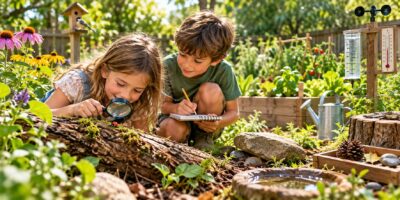
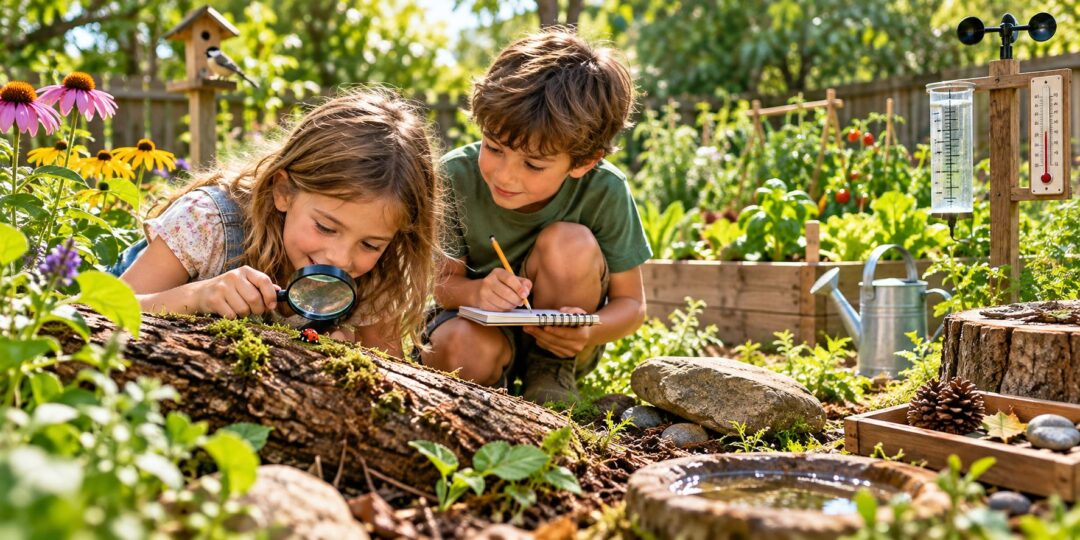
Choose a quiet corner of your backyard where children can observe plants and wildlife without disturbing them.
You don’t need to build a complicated structure. A small log, a patch of flowers, some stones, and a few native plants can provide interesting things to investigate.
Encourage children to look closely at their surroundings.
What insects visit the flowers? Where do birds like to perch? Which areas receive the most sunlight?
A simple notebook can become a nature journal where children record their discoveries.
Younger kids can draw pictures, while older children can describe what they observe and compare changes over time.
Create a Mini Vegetable Garden
Growing vegetables is a practical introduction to gardening and self-sufficiency.
Start with a small raised bed or a few containers rather than a large garden.
Choose crops suitable for your region and growing season. Radishes, lettuce, bush beans, and certain herbs can be approachable options for beginners.
Let children participate in age-appropriate tasks such as filling pots, planting seeds, watering, and monitoring growth.
You can also use simple labels to identify each plant.
As the plants develop, encourage children to ask questions.
Why do some seeds sprout faster than others? What happens when soil becomes too dry? Which plants grow better in different locations?
These everyday observations help turn gardening into a continuing learning experience.
Organize a Backyard Nature Scavenger Hunt
One of the easiest ways to make children interested in their surroundings is to give them a mission.
A backyard nature scavenger hunt encourages children to slow down and notice details they might otherwise overlook.
Create a checklist featuring familiar garden objects and natural features.
For example:
- Find a leaf with an unusual shape.
- Spot a pollinator visiting a flower.
- Discover something growing in the soil.
- Identify three different shades of green.
- Find an object that helps a gardener.
- Look for evidence of a bird or other animal.
For a printable starting point, Riddlelicious offers a free garden scavenger hunt worksheet featuring plants, garden tools, insects, and other backyard discoveries.
Children can check off what they see without needing to remove plants or collect living creatures.
This makes the activity suitable for small yards, community gardens, and shared outdoor spaces.
Build a Simple Bug Observation Station
Insects and other small creatures play important roles in a backyard ecosystem.
Instead of collecting them, create a space where children can observe them safely.
Place a flat stone near a garden bed, maintain a small patch of leaf litter, or grow plants that attract local pollinators.
A magnifying glass can help children examine interesting details from a respectful distance.
Discuss the difference between beneficial insects, pollinators, and common garden pests.
Remind children not to handle unfamiliar insects or disturb nests.
With a little patience, the backyard becomes a place where they can explore real ecological relationships.
Make a Weather Observation Corner
You can introduce basic science concepts with a simple homemade weather station.
Start with an outdoor thermometer and a notebook.
Children can record daily temperatures, observe cloud cover, and describe whether the weather is sunny, windy, or rainy.
A homemade rain gauge using a clean, straight-sided container placed securely in an open location can add another element to the project.
Compare the observations throughout the week.
Ask children to identify patterns, such as whether certain days were warmer or which weather conditions affected their garden plants.
This creates an opportunity to connect weather observations with practical gardening decisions.
Reuse Everyday Materials for Outdoor Projects
A nature discovery area doesn’t require constant purchases.
Many useful items can be made with materials already available at home.
Clean containers can become seed-starting pots. Scrap paper can be used for plant labels. A cardboard box can store nature journals and other indoor supplies.
An old tray can hold a collection of fallen leaves, pinecones, and smooth stones for observation.
Whenever possible, encourage children to repair, reuse, and repurpose materials instead of throwing them away.
These small activities introduce practical habits that connect naturally with sustainable living.
Encourage Curiosity Without Overplanning
Children don’t need a different structured activity every time they step outside.
Sometimes the best discoveries happen when they have time to explore at their own pace.
A child might become fascinated by a spiderweb, notice a new flower, or spend several minutes watching ants travel across a path.
Allow those moments to guide the experience.
You can introduce new challenges gradually as children become more confident.
Final Thoughts
A backyard nature discovery area combines gardening, outdoor play, and everyday learning in one practical family project.
It doesn’t need to be expensive or complicated.
Start with a few plants, a simple observation notebook, and an occasional scavenger hunt. Over time, children can develop their own questions, interests, and projects.
The result is more than a place to play. It’s an outdoor space where curiosity, resourcefulness, and an appreciation for nature can grow together.
You may also like:
15 Things You Should Teach Your Children That Can Save Their Lives
The Only Types of Fire You Need to Know (Video)
Homesteading Lessons I Learned from the Amish
This Is How I Disappeared From the Grid
25 Ingenious Uses for Scotch Tape Every Homesteader Should Know