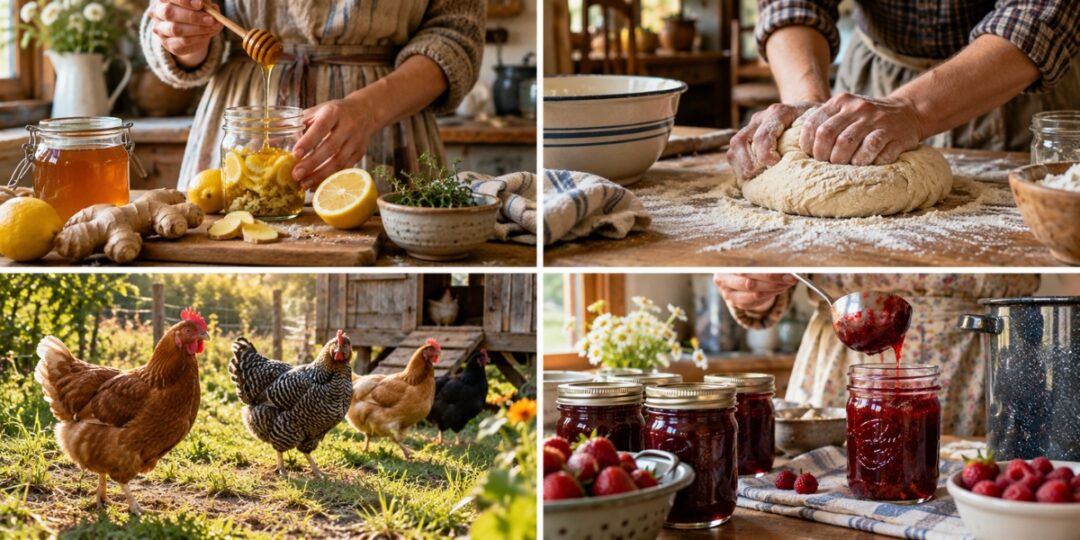
Yesterday, I was standing in the pantry trying to remember what I had gone in there for when I noticed a jar sitting on the shelf.
I picked it up and realized just how often I reach for it. Somehow, I end up using it for all kinds of things around the homestead.
It goes into my canning and homemade soap. I use it in the chicken water and on the cuttings I root every spring. And if somebody wakes up with a sore throat in the middle of the night, it’s usually one of the first things I grab.
It’s simple, but it seems to come in handy everywhere.
I’m talking about honey.
People have been using it for thousands of years, and once you start keeping it around, it’s pretty easy to understand why.
Here are some of the ways I use honey around the homestead.
Coughs, Colds and Sore Throats
Everybody knows this one. What surprised me is that it actually holds up pretty well when people put it to the test. I guess there’s a reason some of these old homemade remedies stuck around for so long.
A group of researchers went back and pulled together six studies covering 899 kids with coughs and colds. Honey beat giving them nothing at all. It beat a fake syrup.
And it worked about as well as the cough medicine you buy at the drugstore.
Apparently, honey works best in the short run. So you should use it when the cough is fresh and bad. Taking it every day all fall and winter will do nothing.
Once cold season starts, I usually make a batch of honey, lemon, and ginger cough drops and keep them around.
I actually prefer these to another cup of tea when my throat is already bothering me. Tea is nice while you’re drinking it, but the drops dissolve slowly in your mouth, so that honey stays on your throat for a while. And unlike a bottle of homemade syrup, I can throw a few in a little jar or bag and take them with me.
I also make a thyme and honey elixir at the same time. Between the two, I have something I can reach for when that first scratchy throat or annoying cough shows up instead of waiting until I feel miserable.
These aren’t complicated recipes either. The cough drops are mostly honey, fresh lemon, ginger and agar agar. The thyme remedy is just as simple.
Both recipes came from The Forgotten Home Apothecary. These are just the two I make most often, but there are quite a few recipes in there for coughs, sore throats, congestion, and the other things that tend to show up this time of year.
See the cough, sore throat, and respiratory remedies I keep on hand →
Wound Care and First Aid
Hospitals use a sterilized version of honey on burns and on wounds that won’t close. In one large review, burns covered with honey dressings healed about four to five days faster than the standard bandages. Surprisingly, honey also beat the silver burn cream that’s considered the go-to treatment.
So why does it work? Honey is thick and sweet, and bacteria can’t grow in it. It also pulls fluid out of the wound and lifts away the dead tissue, so clean skin can grow back underneath.
Here’s how I use it on a minor burn or a scrape that I don’t like the look of. Wash it with clean water first. Then spread a layer of honey over a gauze pad, not straight onto the skin, because that way it stays put. Lay the pad on and tape it down. Change it once a day, and more often if it soaks through.
Honey can pull moisture out of a wound, but that doesn’t mean it can pull out a splinter. For those little things stuck under the skin, I keep a different remedy around.
It’s this black drawing salve made with activated charcoal, bentonite clay, infused oil, and beeswax. I use a little over the spot and cover it. It’s another recipe I make from The Forgotten Home Apothecary.
Keep in mind: The honey in your pantry is not sterile. It’s a good option when the alternative is nothing, but a deep burn or a wound that’s getting red and hot still needs a doctor.
Honey for Your Chickens
Chickens given honey in their water grow better and stay healthier than birds on plain water.
If you want to try this on your flock, you don’t need much. About two tablespoons per gallon, and every few days is better than every day.
I give mine honey water on hot afternoons and after a rough night, like when something got into the run. I notice that they drink more after I do this. During the summer, this is amazing.
Same goes for the bigger animals. Researchers tested honey against the bacteria you find in horse wounds, and plain local honey did better than the expensive imported manuka everybody talks about.
Honey in Your Canning
Adding honey to your canning is an old practice you can start using on your homestead. Why? Because it makes everything tastier.
Canned fruit – You can replace up to half the sugar in your syrup with a mild-flavored honey.
Jams and jellies with added pectin – Replace up to 2 cups of the sugar with honey in a recipe that makes 7 cups or more. Replace up to 1 cup in a smaller recipe.
Jams without pectin – Replace up to a quarter of the sugar. Some offices allow up to half, so start low and see how you like it.
And here’s what I really want to share with you. The sugar syrup in canned fruit is not what keeps it safe. It’s there for color, texture, and flavor. The heat of the canner is what makes it safe. So swapping in honey doesn’t make your jars safer and it doesn’t make them riskier either. It’s all about the taste.
And when it comes to taste, you know who usually gets jam right? The Amish.
Stop at an Amish stand at a farmers’ market and look at those jars. Their jam usually has that soft, spreadable texture you want, with pieces of fruit still in it and a flavor that actually tastes like what went into the pot.
That sounds simple until you’ve made a few batches yourself. One comes out runny and never sets. The next turns so stiff you can barely spread it. Sometimes the fruit floats to the top, the sugar starts crystallizing, or you cook it so long trying to get the texture right that all that fresh fruit flavor disappears.
There are a lot of little things that happen between picking the fruit and sealing the jar, and old Amish canning methods handle many of them differently.
See the old Amish tricks behind better jams and preserves →
Honey Fermented Garlic
You’ve probably seen this one everywhere online. It got quite popular. Peeled garlic cloves covered in raw honey, left on the counter, stirred every day until it goes bubbly and golden.
It’s a good thing to have on the shelf. It tastes good and might help if you have a cold.
Just do it the careful way. Keep the batch small, keep every clove pushed down under the honey, stir it daily with a clean spoon, and once the bubbling slows down, move the jar to the fridge. Adding a spoonful of apple cider vinegar at the start is cheap insurance and you won’t taste it.
Honey Keeps Your Bread Fresh Longer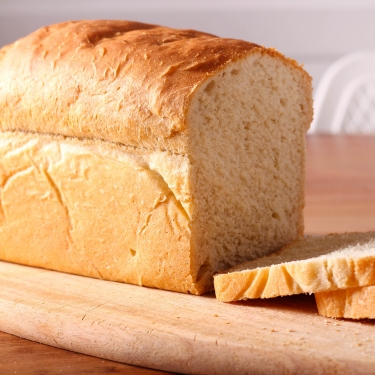
This is one of the best things I’ve ever learned.
Since honey holds onto water, when you bake it into bread or cookies, it keeps pulling moisture back into the crumb instead of letting it dry out.
This means your loaf will stay soft an extra day or two. And this is so amazing because it helped me bake less often.
Swapping honey for sugar takes four adjustments:
Use less – About 1/2 to 2/3 cup of honey for every cup of sugar, because honey is sweeter.
Cut the liquid – Take out 1/4 cup of other liquid for every cup of honey you add.
Add baking soda – About 1/4 teaspoon per cup of honey.
Drop the oven temperature – Lower it by 25 degrees, because honey browns much faster and it will go dark on you.
Tip: A 12-ounce jar of honey fills a standard measuring cup.
Making your bread last for a few extra days might not sound like much, but when you bake most of your own food, it adds up. Anything that keeps me from having to make the same thing again tomorrow gets my attention.
That’s actually why I started collecting old kitchen tricks like this. People used to be very good at making food last longer, wasting less of it, and getting more out of simple ingredients without adding more work.
A lot of those little tricks have disappeared from everyday cooking, but some are still absolutely worth knowing.
See 126 old recipes and food-saving methods that are still useful today →
Skin, Salve and Soap
Honey pulls moisture out of the air and holds it against your skin. That’s why I use it in any recipe meant to heal my cracked hands.
For soap, the magic ratio is 1 teaspoon of honey per 1pound of oils.
For a salve or a lip balm, there’s a catch. Honey and oil won’t mix on their own. It’ll look fine when you pour it and then you’ll find a sticky puddle at the bottom of the tin a week later.
You need something to bind them, or you skip the honey in that recipe and use it straight on your lips at night instead.
You can find more about this here: DIY Heavy-Duty Hand Salve for Homesteaders
Using Honey in the Garden
You’ll see people online saying honey is a rooting hormone. That’s not quite right, but there’s some truth there.
Honey doesn’t contain the plant hormones that make roots form. What it does is keep the cut end of the stem from rotting while the plant works on rooting by itself.
If you generally don’t help plants in any way when they are rooting, honey will give them a boost. Still, it won’t beat rooting powder from the garden center.
For store-bought powder, you’ll usually see roots in three to five days. For honey, it takes around seven to fourteen days.
So if you have rooting powder, use it. If you don’t want to buy it, dip the cut end in honey and you’ll still come out ahead of bare stems. I do this with lavender and rosemary every spring and it works fine.
Final Thoughts
I buy good honey, and I’m grateful for the beekeeper who sells it to me, but I’ve started reading about hives.
I’ve been watching where the bees already land here, down by the clover at the bottom of the garden, and wondering what two hives would take out of my week.
I haven’t decided yet. But there’s a flat spot in my yard that gets morning sun, and every time I walk past it now, I find myself looking at it a little longer.
You may also like: 
Why My Grandfather Buried a Coffee Can Under Every Fence Post
Building Your Garden Beds Like This Will Double Your Harvest (Video)
Turn Your Kitchen Scraps Into Medicine (It’s Easier Than You Think)
If Prices Doubled Tomorrow, I’d Build This First…
The Most Overlooked Resource On Your Property