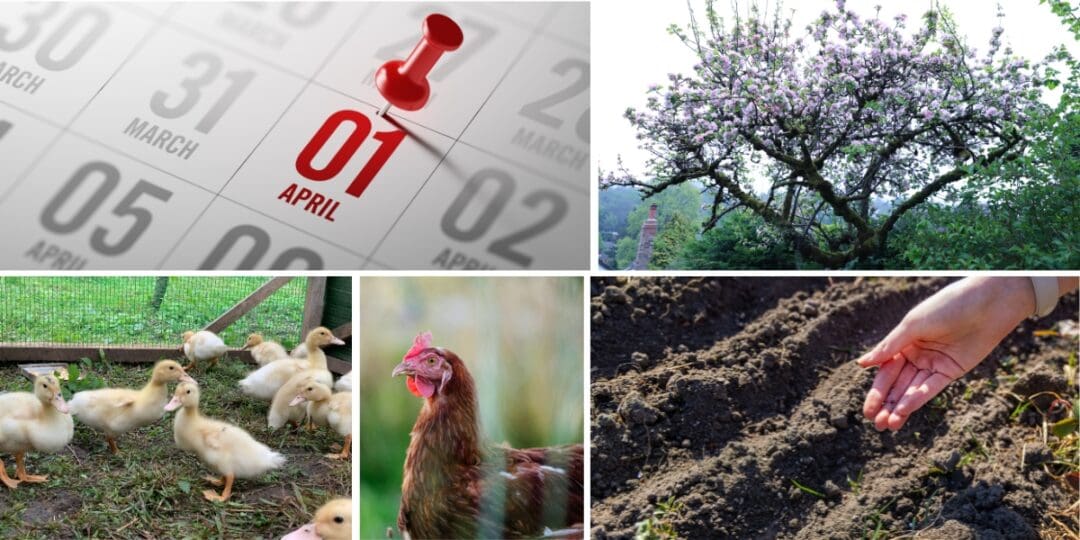
April is finally here, and there’s a lot to talk about. Most folks see it as that in-between month where spring has shown up, but winter’s leftovers are still sitting around waiting to be dealt with. Well, this is in fact true, and I know it very well, sometimes when you have to take care of everything winter left behind, things can get messy.
That’s why I decided to make a short guide that will help you keep everything under control. See this article like a checklist you can get back to anytime you feel like you’ve forgotten something.
The days are getting longer, the soil is warming up, and everything outside is starting to wake up. I see April as the month where you set the tone for the rest of the year. What you do now in the garden, the barn, and inside the house will decide how the following seasons are going to be. Do the right things, and you’ll have some healthy plants and a great harvest. Skip a couple of steps and you are going to have a hard time.
So, let’s see what April has in store for your homestead!
Yard and Garden
April is the time when the ground finally thaws enough to work with, so this is your window to get beds prepped before planting truly starts.
Get your compost out of the bin and try to give your soil all the nutrients it needs. If you use raised beds, now is the time to top them off and get row covers ready in case of a late frost.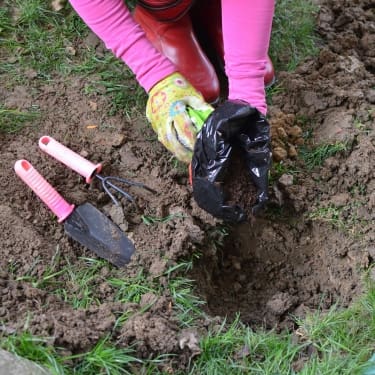
Don’t forget to check your soil temperature before putting anything in the ground. Crops like tomatoes and peppers are warm-season crops and they need soil that stays above 60°F. Planting them now might not be the best idea.
Instead, you have your cool-season crew ready to occupy your garden. Stuff like peas, radishes, lettuce, and spinach can go in earlier since they handle the cold just fine.
Other things you need to consider this April:
- Spread 3 to 4 inches of mulch around perennials to keep weeds down and hold moisture in.
- If you piled on extra mulch for winter protection, start pulling it back so beds can warm up.
- Turn your compost pile with a pitchfork, check the moisture, and mix in straw (if you have it) along with kitchen scraps to get it going again.
What to Plant and When
As soon as I can work the soil, these cool-season crops go straight in the ground:
- Beets, cabbage, carrots, cauliflower, lettuce, peas, potatoes, radishes, and spinach.
- By mid-April, I add asparagus crowns, onions, parsley, and rhubarb.
For warm-season veggies like tomatoes and peppers, I always prefer to start them indoors and let them adjust to outdoor conditions slowly over a week before transplanting. In case nighttime temps drop below 45°F, my summer crops get back inside.
Hardy annual flowers like pansies and sweet peas can go in the ground too. If you’re growing anything that climbs, get your supports in place early. I made the mistake of waiting once and spent an afternoon untangling vines.
Help Your Pollinators
April is when a lot of beneficial insects start showing up, and I do what I can to make them feel welcome. You’d be amazed at how much they can help your garden grow!
I have this set up that Mark, my husband, engineered a couple of years ago. Mason bee nesting tubes 3 to 6 feet high (this is a very effective set-up and an incredible DIY project that takes a couple of hours), facing south or southeast. Then I try not to till every bare patch of soil since a lot of solitary bees nest right in the ground.
Lawn and Pest Control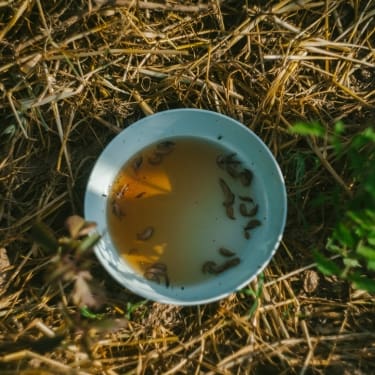
For pest control, April is more about watching than spraying, at least for me. I try to figure out what I’m dealing with first, then go with the gentlest option.
Row covers have been great for protecting seedlings from both insects and frost. I also keep weeds trimmed near the garden to cut down on hiding spots for slugs.
Livestock and Barn
If you’re lambing this spring, April is when the pasture starts growing strong again. Lambs born now get the benefit of that fresh grass. According to research from the University of Missouri, lambs that stay with their mothers on pasture through late summer gain noticeably more weight than those weaned early.
Other things you should always watch for are signs of internal parasites like diarrhea or pale gums. Also, don’t forget about predator protection. Lambs are vulnerable and they are a magnet for predators.
I am not raising lambs yet, but I know a thing or two about security. I still have my chickens, and they are also helpless when it comes to foxes and raccoons. When I first started my flock, I had a problem with this, and I lost a couple of chickens because of one headstrong fox that insisted on visiting our homestead more often than I expected it to.
After these events, I decided that I had to do something. That’s how I begin making my own predator traps. They are easy to build, but you have to know the basic principles. The best thing about the following traps is that they are efficient while also being harmless to the animal that gets caught.
👉 Click here and see how to start building your own traps for backyard pests
When it comes to my priorities this month for livestock, I have a short list.
- If I’m starting chicks, I brood after March because the shorter days ahead naturally slow their development at the right pace,
- I clean and disinfect the coop thoroughly before bringing new chicks in,
- I open every window and vent I can to keep the air moving in the coop (I always do this during the day, because nights can still be too cold).
Indoor and Homestead Tasks
This month is also when I go through my root cellar and check everything that’s been sitting since fall. Anything that’s sprouting, molding, or going soft gets thrown away. I try to keep temperatures between 32 and 40°F with high humidity, so stored produce lasts. If the air feels dry, I set a pan of water on the floor to bring the moisture up.
For the pantry, here’s my routine:
- Pull everything off the shelves and wipe them down with hot, soapy water.
- Check dates on canned goods and toss anything expired, bulging, or rusted.
- Put older items up front so they get used first.
Freezer and Canning Gear
I like to defrost and deep clean my freezer in April before I start filling it with this year’s harvest.
- Pull everything out, check for freezer burn, and toss anything that’s been in there too long.
- Wipe the inside with a mix of baking soda and water, dry it out, and restock neatly.
- Keep the temperature at 0°F or below.
I also go through my canning equipment around this time:
- Check pressure canner gaskets for cracks.
- Clean vent pipes and replace any rusty bands or cracked jars.
But probably the most important thing you can do is make things easier for the year to come. Nobody enjoys cleaning the pantry every spring and throwing away food that has spoiled or stuff that should not be in the pantry to start with.
The good part is that you can avoid all of that, and you can start RIGHT NOW. I had to learn it the hard way and I want this process to be kinder with you. For example, there are only 39 foods you need to stockpile. This means that once you have them you will no longer make entire batches of canned foods that you end up wasting.
👉 Click here and see how to keep your pantry clean with zero effort
Two DIY Projects to Start This Month
These two beginner-friendly projects cost very little to build but save you money all season long.
Build a Rain Barrel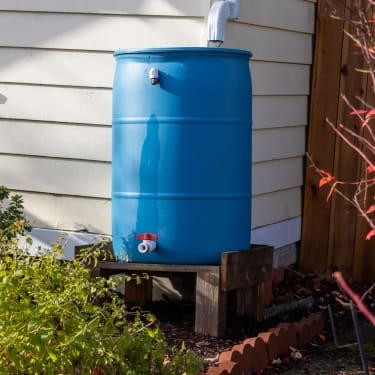
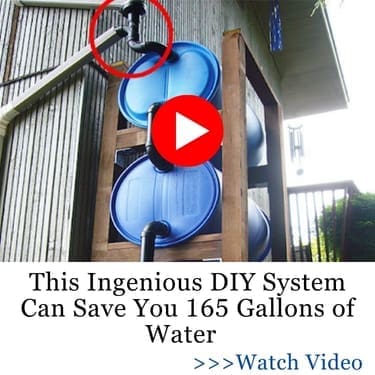
April showers are the perfect reason to set up a rain barrel now rather than later. I used a clean 55-gallon food-grade barrel for mine.
- Drill a spigot hole near the bottom and an overflow hole near the top.
- Cut out the lid, leaving a rim to hold the fiberglass screen over the opening to keep mosquitoes out.
- Set the barrel on cinder blocks under your downspout for gravity flow.
I’ve been collecting free water for my garden all summer with this setup and it’s one of the easiest projects I’ve done.
But this is just one way to get free water. If you want an even more effective system that is able to reduce your water bill this summer, click here.
The Water Freedom System has a 300–500-gallon concealed storage system and a manual backup pump so you can be sure you have access to fresh water at all times.
Build a Cold Frame
Late frosts can still wipe out young plants and a cold frame is the best solution for that. This is basically a bottomless box with a clear lid that traps heat from the sun. I built mine from scrap wood and an old window.
- You can use hay bales, scrap wood, or concrete blocks, and top it with a salvaged window or clear plastic.
- Face the tall side north and the short side south to catch the most light.
- Use it to harden off seedlings during the day and close it up at night.
- On warm days, prop the lid open so things don’t overheat inside.

Final Thoughts
I can truly say that I love this month since everything is coming back to life, but I can’t forgive April because it pulls me in two directions every single year.
One moment I’m outside prepping garden beds, planting early crops, and getting animals settled, then I find myself inside cleaning out the pantry, defrosting the freezer, and going through equipment.
This is a lot, but I’ve learned that the work I put in this month is what makes June, July, and August actually enjoyable. My advice is to start slow and enjoy the fact that the growing season is finally here.
You may also like:
Join Our Homesteading Facebook Group!
Slash Your Electricity Bills by Up to 80%! Try the Energy Revolution System (Video)
What January Says About Your Homestead
Add These to Your Pantry While You Can Still Afford Them
How to Water Your Plants When You’re Away