Hydrogen peroxide is one of those household staples that often sits unnoticed on a shelf, waiting for the rare scraped knee or small cut. Many of us remember its gentle fizz from childhood. Yet this simple solution has long served people in ways that reach far beyond first aid.
Before modern cleaners and single-purpose products filled store aisles, households relied on a handful of versatile substances. Hydrogen peroxide earned its place among them because of several reasons.
If you did not know about the high versatility of hydrogen peroxide, below are eight practical and often overlooked ways it continues to be useful.
Whitens Grout Lines Naturally
Grout lines slowly absorb dirt, moisture, and residue. Steam from cooking splashes from sinks and ordinary foot traffic leave their mark, dulling grout long before the tile shows wear.
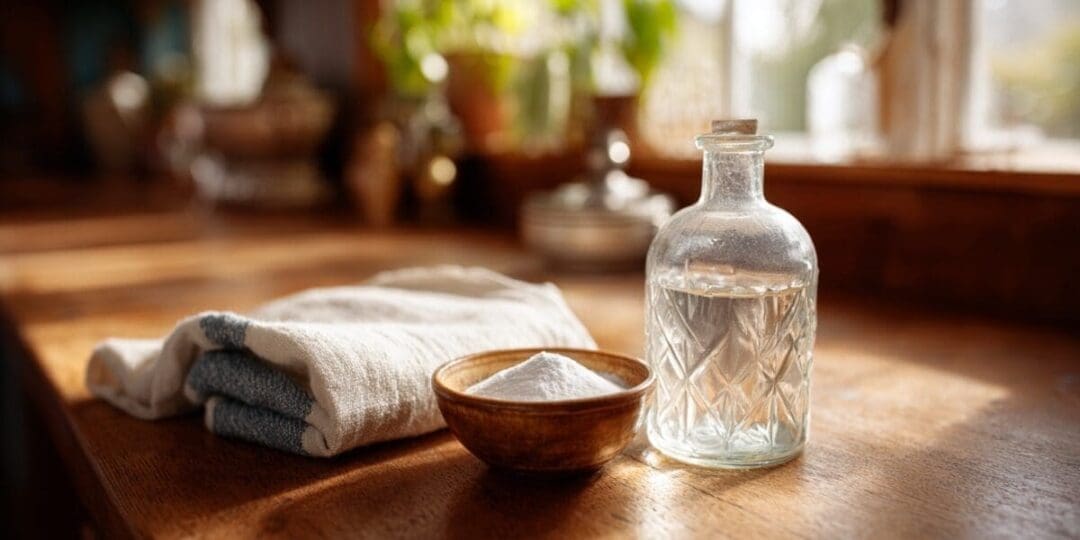
A gentle paste made from hydrogen peroxide and baking soda can be applied directly to grout lines. Allowed to rest briefly and scrubbed softly, it helps lift discoloration without harsh fumes or aggressive chemicals.
Beyond surface stains, grout often holds moisture deep within its pores. Hydrogen peroxide works by releasing oxygen that loosens stains over time rather than stripping material away. Used occasionally, it helps restore brightness while respecting the integrity of both grout and tile.
Brightens Dingy Laundry
Clothing doesn’t always lose its brightness because it’s dirty. Often, detergent residue, body oils, and minerals in water slowly build up, dulling fabrics.
Adding about half a cup of hydrogen peroxide to a wash cycle can help break down these residues. It acts as a mild oxygen-based cleaner, allowing water to rinse fabrics more thoroughly.
This approach is especially helpful for towels, bedding, and frequently washed garments. Over time, it can reduce reliance on stronger bleaches that weaken fibers and shorten the life of clothing, helping fabrics stay usable longer.
Sanitizes Toothbrushes
Toothbrushes live in a damp environment, often shared with other brushes and exposed to airborne bacteria. Even with regular rinsing, moisture allows microbes to linger between uses.
Related: The Natural Toothpaste That Might Be Growing in Your Backyard
Soaking toothbrushes in a 3% hydrogen peroxide solution for several hours or overnight can help sanitize them effectively. A thorough rinse afterward removes any remaining residue.
Deodorizes Kitchen Sponges
Sponges often develop odors long before they appear worn out. Their porous structure traps food particles and moisture deep inside, creating smells that simple rinsing cannot reach.
A soak in hydrogen peroxide mixed with hot water helps penetrate these inner spaces. Rather than masking odors, it addresses the bacteria causing them.
When paired with proper drying afterward, this method can extend the useful life of sponges while maintaining a cleaner kitchen environment.
Cleans Fresh Produce
Even freshly harvested fruits and vegetables can carry residues from handling, transport, and storage. While water rinsing removes visible dirt, invisible residues often remain.
Related: 10 Fruits And Veggies To Dehydrate For Long-Time Storage
A diluted hydrogen peroxide rinse can help loosen these surface contaminants. Afterward, produce should always be rinsed thoroughly with clean water.
Keeping food clean is only one part of protecting it.
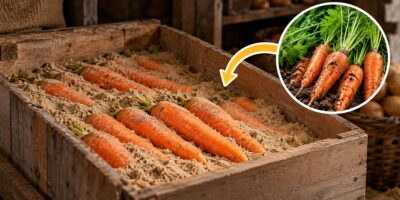
 If you grow, buy, or store produce regularly, learning how to preserve it properly can make a major difference. The Easy Cellar system shows how everyday households can store food safely for long periods — without electricity or expensive equipment.
It’s a practical extension of the same mindset: care for what you have, waste less, and rely on proven methods.
👉 Learn how to build your own Easy Cellar system
Lifts Blood Stains Gently
Blood stains bind quickly to fabric fibers, especially if heat is applied. Scrubbing too aggressively can push the stain deeper, making it harder to remove.
Hydrogen peroxide reacts with blood proteins, gently lifting the stain upward as it bubbles. Blotting rather than rubbing allows the stain to release without damaging fabric.
Used promptly and tested first on delicate materials, this approach preserves texture while improving stain removal. It reflects a calm, patient method rather than forceful cleaning.
Soothes Foot Fungus with a Warm Soak
Feet endure long days in warm, enclosed spaces, creating conditions where discomfort and fungal issues can thrive. A warm soak with diluted hydrogen peroxide can help cleanse the skin surface.
The bubbling action supports hygiene while the warmth encourages relaxation and circulation. Used occasionally, this practice can complement good foot care routines.
Thorough drying afterward is essential. Combined with breathable footwear and regular care, this simple soak supports comfort and long-term foot health.
Final Thoughts
Hydrogen peroxide is a reminder that many useful solutions are already within reach.
For generations, some communities never abandoned these simple household practices at all.
The Amish continue to rely on practical knowledge rather than convenience — using multipurpose solutions, careful habits, and time-tested routines instead of modern single-use products.
 The Amish Ways Book offers a rare look into how these families care for their homes, preserve resources, and maintain cleanliness and self-sufficiency without relying on modern chemicals or complicated systems.
Inside, you’ll learn:
- How Amish households manage cleaning and hygiene naturally
- Why simplicity often leads to healthier homes
- How traditional routines reduce waste and long-term costs
- How to adopt Amish-inspired habits in a modern home
Their way of life proves something powerful: you don’t need more products — you need better knowledge.
👉 Learn the traditional Amish methods here
As with any household remedy, proper dilution matters. Sometimes the smartest thing you can do is not to buy something new, but instead to remember something old that has served households well for generations.
Many of the ways we once cared for our homes and families didn’t come from factories or store shelves. They came from knowledge passed quietly from one generation to the next.
Hydrogen peroxide is just one example of how simple remedies once replaced dozens of modern products. Long before labels and warning symbols became common, households relied on natural solutions they understood and trusted.
That kind of wisdom hasn’t disappeared — it’s just been forgotten.
 The Forgotten Home Apothecary brings back those time-tested remedies that families used for generations. Inside, you’ll discover how to make natural solutions for everyday problems using ingredients that are affordable, familiar, and easy to store.
This guide teaches you:
- How traditional households handled cleaning, hygiene, and minor ailments naturally
- Which simple ingredients were once considered essential in every home
- How to reduce dependence on modern chemical products
- How to rebuild a practical, old-fashioned home apothecary step by step
Sometimes the most powerful solution isn’t something new — it’s remembering what already worked.
👉 Discover the Forgotten Home Apothecary here
You may also like:
How To Make Backyard Penicillin
How to Get 295 Pounds of Extra Food for Just $5 a Week (Video)
This Is Why You Should Use Hydrogen Peroxide In Your Garden
Borax Ant Killer: A Simple, Natural Way to Reclaim Your Home