There is a certain wisdom hidden in small, everyday solutions. Long before convenience products and specialized tools came along, people learned to observe how things behaved, how heat softened, how moisture traveled, how time changed textures.
The life hacks below reflect a simple truth: many problems don’t need more force, money, or complexity. They need patience, gentleness, and a little awareness of how the world around us really works.
Many of these simple tricks were once common knowledge.
The Lost Ways explores how earlier generations cooked, preserved food, and cared for their homes long before modern convenience replaced understanding.
If you enjoy learning how people once solved everyday problems with patience and awareness, this book reveals just how much useful knowledge has been left behind.
Reviving Stale Bread
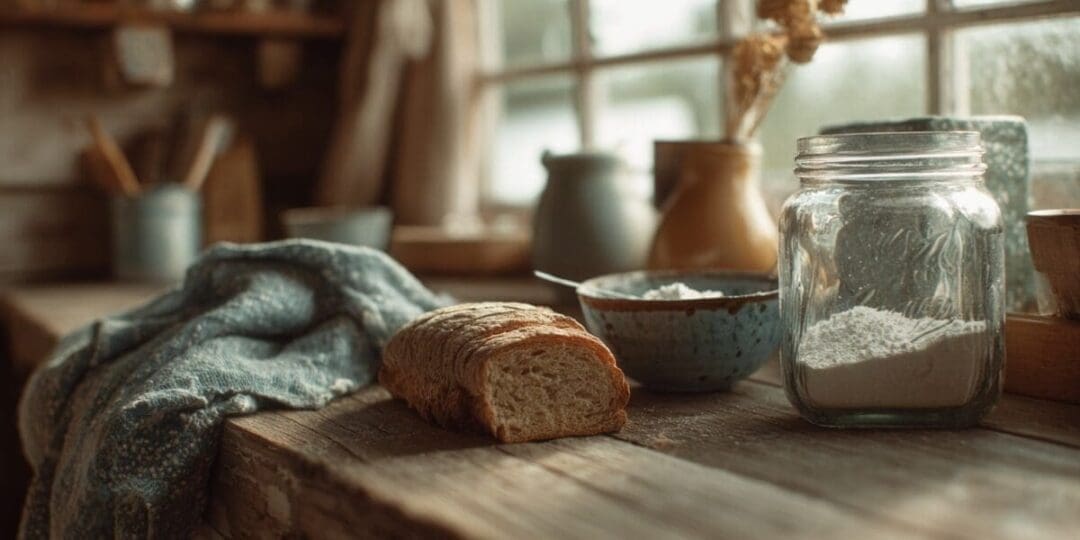
Bread becomes stale because it loses moisture, not because it has spoiled. The structure of the loaf remains intact, but dryness creeps in, changing the texture and flavor.
Lightly spraying bread with water and warming it allows moisture to re-enter the loaf. The heat redistributes that moisture evenly, softening the crumb without soaking it.
This method mirrors how bread was once refreshed near hearths or ovens. It works best when done slowly and attentively, allowing the bread to warm rather than bake.
Stale bread often feels like waste, but with a bit of care it becomes nourishment again. This simple trick encourages respect for food and reduces unnecessary waste.
Caring for food instead of wasting it was once a basic household skill.
If you want to take that mindset further, the Easy Cellar system shows how everyday homes can store food properly for long periods — without electricity or expensive equipment.
It’s a simple way to protect what you already have.
👉 See how the Easy Cellar works
Making Shoes That Feel Too Small More Comfortable
Shoes that are slightly too tight can make even short walks uncomfortable. Often, the problem isn’t size though. It is stiffness.
By wearing thick socks and warming your shoes with a blow dryer, the material relaxes and becomes more flexible. As it cools, it molds subtly to your foot’s shape.
Leather and synthetic materials respond especially well to this approach, as heat softens their fibers without damaging them.
Repelling Mosquitoes with Mouthwash
Mosquitoes are guided by scent, warmth, and moisture. Strong, mentholated aromas disrupt their ability to navigate to your skin.
Using mouthwash as a light surface spray can make certain areas less inviting to mosquitoes, particularly outdoor spaces like patios or doorways.
The sharp scent masks attractants and creates an environment insects would rather avoid.
This approach is best used thoughtfully and in moderation. And it’s yet another example of how scent can shape our surroundings.
Keeping Flowers Fresh Longer
Cut flowers begin to fade as bacteria grow in warm water, blocking their ability to absorb moisture.
Adding ice cubes to vase water lowers the temperature, slowing bacterial growth and helping stems stay open and hydrated.
Cooler water also reduces stress on delicate blooms, allowing them to maintain their color and structure longer.
This practice echoes how flowers thrive in cool morning air.
Opening Stubborn Jar Lids
Tightly sealed jars resist opening because of pressure and tight metal seals.
Heating the lid causes the metal to expand slightly, loosening its grip on the glass threads.
This small expansion is often all that’s needed to break the seal without straining yourself or hurting your hand.
Repelling Rats Naturally with Pepper
Rodents rely heavily on their sense of smell to feel safe and oriented.
Strong scents like black pepper disrupt their comfort, making certain areas less appealing.
Scattering pepper near entry points or problem zones can gently discourage unwanted visitors.
Soothing a Mosquito Bite with Heat
The itch from a mosquito bite comes from proteins left behind in the skin.
Applying gentle heat can neutralize those proteins, reducing the urge to scratch.
A warm spoon pressed briefly against the bite often brings immediate relief.
Softening Cookies That Have Become Too Hard
Cookies harden as moisture slowly escapes, leaving them dry and brittle.
Placing them in a sealed container with a slice of bread allows moisture to transfer naturally.
Over time, the cookies absorb just enough moisture to soften without losing their flavor.
Reducing Wrinkles in Clothes Without Ironing
Wrinkles form when fabric dries unevenly and fibers lock into creases.
Ice cubes in a dryer melt into steam, relaxing fibers gently as the drum turns.
The steam smooths wrinkles without direct heat contact.
This method is especially kind to delicate fabrics and reflects how moisture and warmth together can restore balance to materials.
Cleaning a Burnt Pan Without Scraping
Burnt food bonds tightly to cookware, tempting aggressive scrubbing.
Baking soda combined with water softens the residue through a slow chemical reaction.
Allowing the mixture to soak gives time for bonds to loosen naturally.
This approach protects cookware while reducing effort. It reminds us that time and gentleness often outperform force.
Many of the habits described above are not “life hacks” at all.
They are simply how people used to live.
The Amish have preserved this way of thinking for generations — caring for what they own, avoiding waste, and relying on practical routines instead of disposable solutions. Their homes are built around patience, observation, and understanding how things naturally work.
 The Amish Ways Book opens a rare window into this quiet wisdom. It reveals how Amish families manage their households, food, clothing, and daily routines without modern shortcuts — not because they have to, but because it works.
Inside, you’ll discover:
- How Amish households reduce waste naturally
- Why simple routines often outperform modern conveniences
- How traditional methods extend the life of food, clothing, and tools
- How to bring calm, practical habits into a modern home
These aren’t extreme practices.
They are gentle ones — built on care rather than replacement.
👉 Discover the Amish way of living here
Final Thoughts
These life hacks are small lessons in awareness. Each one works because it respects how materials behave rather than trying to overpower them.
When we slow down enough to understand simple cause and effect what once felt irritating becomes manageable.
In a world that pushes quick fixes and replacements, these little tricks show you how to care for what you already have. Sometimes, that’s the most useful knowledge of all.
Before store shelves were filled with specialized cleaners and single-use products, families relied on understanding — not packaging.
They knew how heat behaved.
How moisture moved.
How time changed textures.
The simple household tricks in this article reflect that same forgotten knowledge.
The Forgotten Home Apothecary brings those traditions back to life. It teaches how earlier generations cared for their homes and families using gentle, natural solutions — many made from items already found in the kitchen or pantry.
Inside you’ll learn:
- How households once handled cleaning, hygiene, and everyday care
- Which simple ingredients served dozens of purposes
- How to reduce reliance on modern chemical products
- How to rebuild a practical, old-fashioned home apothecary
Sometimes the most valuable skill isn’t learning something new.
It’s remembering what once worked beautifully.
👉 Explore the Forgotten Home Apothecary here
You may also like:
20+ Everyday Tools That Will Save Your Life In The Next Crisis
If You See This Plant In Your Backyard, Don’t Step On It! (Video)
Ingenious Hacks I Learned from the Amish
Survival Hacks From The Civil War That Are More Useful Than Ever