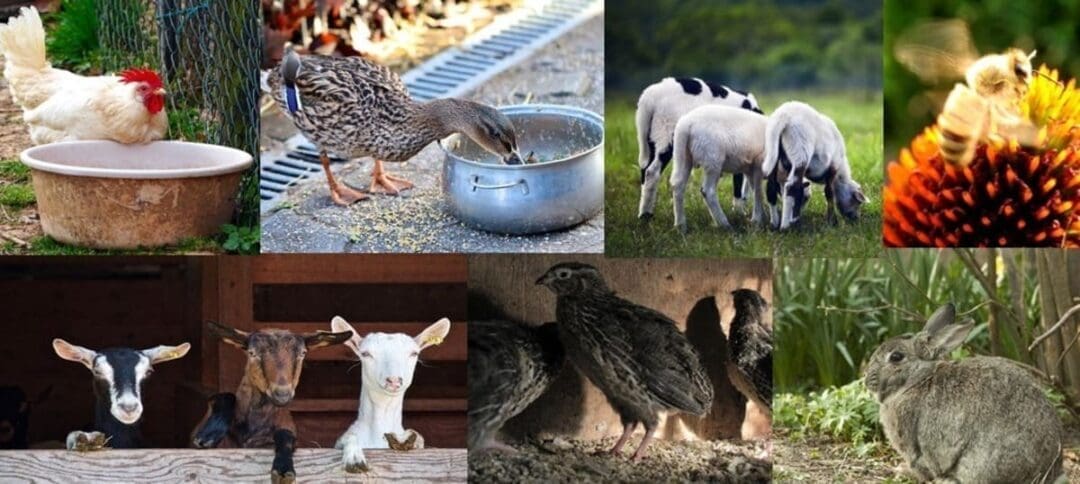
One of the common activities that defines a homestead is animal husbandry. But raising animals can be a challenge if space is limited for any variety of reasons. Fortunately, there are numerous farm animals that can live and grow in a very healthy way in limited space.
They tend to be smaller in size, but that is actually a good thing, as it helps reduce the overall cost of their care and feeding. They’re also relatively inexpensive. In this article we’re going to cover seven low-maintenance animals that represent the best choices for limited space. They include:
Chickens
Chickens are often the first choice for homesteaders regardless of the size of their property. The good news is that a dozen chickens can be raised in a coop measuring 10×12 feet and a chicken run measuring 8×15 feet.
One of the primary benefits is the eggs, but there’s also the meat from mature birds and even the feathers for pillows, quilts, and comforters.
Rabbits
Rabbits are another easy, low-maintenance animal, and they’re also very quiet compared to the cackling of hens or the early morning crow of roosters. The best way to start raising rabbits is with 3 female rabbits (does) and one male (buck). 4 rabbits should ideally be housed in a 12 foot x 4 foot rabbit hutch totaling 48 square feet. Hutches are often built on the walls of sheds, barns, or other outbuildings or are free-standing.
Rabbits reproduce prolifically, and your 4 rabbits should deliver more to you across seasons. Their meat is lean and tender, and many people use their fur to make gloves and even slippers and moccasins.
The best way to start is with 3 does (female rabbits) and one buck (male rabbit). There are 14 rabbit breeds often recommended for raising rabbits for meat. Start with a more basic breed like New Zealands, and as you gain experience, you can move up to some of the larger heritage breeds.
Ducks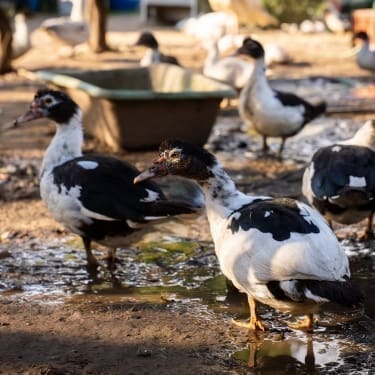
Ducks are another low-maintenance option. They’re less prone to disease than chickens, lay their eggs reliably even in cold weather, and don’t scratch up garden beds the way free chickens do. Free-range ducks will often have their wings clipped, although shelter and regular feeding will usually keep them around. Duck eggs are prized for baking and are often a little larger than chicken eggs.
The ideal coop size for 4 ducks is 4 x 6 feet with an outdoor run of 8 x 5 feet, or 40 square feet. Ducks like a deep bowl that they can dip their heads in and love a kiddy pool filled with water.
They prefer a bedding of straw, pine shavings, or hemp. They also like their nesting boxes on the ground, and 3 ducks can share one box.
Miniature Goats (Nigerian Dwarf or Pygmy)
Miniature goats are easy to fence, feed, and handle. They are prized for their milk, which is high in butterfat and is often used to make goat butter and goat cheese. Like most goats, they are not picky eaters and thrive on weeds, brush, and rough foraging. Just make sure you don’t have any toxic plants growing in their pasture area.
They don’t require a large pasture but need to graze. A goat shelter the size of 8 x 10 feet will comfortably house 4 goats with easy access to their grazing pasture.
Goats will test the limits of your fencing, so make sure your pasture is secure.
If you are looking for the fastest way to transform your backyard into a self-sufficient haven, goats might be the easiest way to do so. They are probably the best source of passive income and will help you to get the budget you need with zero effort.
You can use their rich vitamin milk to make goat cheese and in this way save thousands in cash either by selling it or by saving it for later preservation.
The Amish way of making long-lasting goat cheese is the best method out there, and they’ve been using it since their arrival in America in the early 1700s.
If you want to get the secret Amish cheese recipe directly from an ex-Amish click here.
Honeybees
You’ll have to do a little homework, but honeybees are a low-impact food source. Honey is the obvious benefit, but just as important is the ability of honeybees to pollinate gardens and orchards. There’s also the benefit of beeswax for candle making.
Start with one hive located some distance from your home and preferably around your garden or fruit trees.
Little Lambs
They’re sometimes called “hair sheep” and, in spite of their name, do not need to be sheared. There are various parasite-resistant breeds, and they are calm, serene, and easy to handle. Most importantly, they thrive on small pastures. They are raised for their meat and their skins.
One popular species of hair sheep is the Katahdin. 3 to 5 hair sheep is a fair way to start, and you can have a group of females and one male if you want them to reproduce.
The ideal shed size for 5 sheep is 5 by 10 feet leading to the pasture. Straw makes the ideal bedding for the shed.
But one thing you need to keep in mind is that raising meat animals, such as the hair sheep, is only half the equation. The real challenge is turning that harvest into food that lasts and stays useful long after the butchering is done.
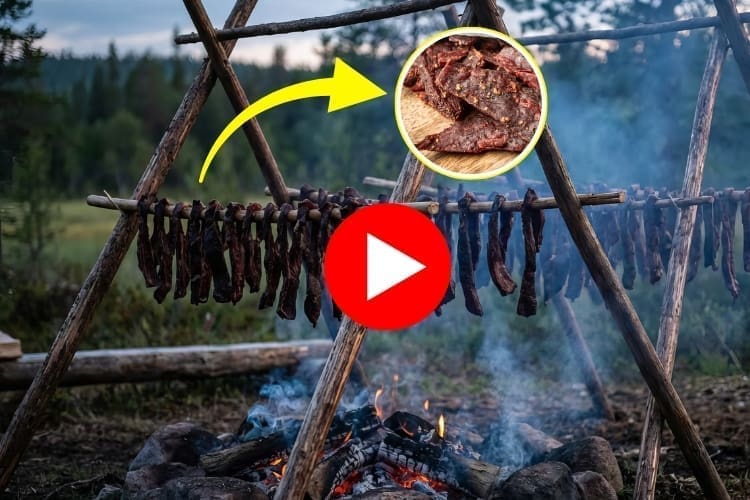
Freezers fill up. Power isn’t guaranteed. Fresh cuts require planning, time, and refrigeration. In this case you can make the most out of your livestock and prepare some good old lamb jerky. This is the perfect way to use the smaller or less-ideal cuts without wasting any product.
If you want to get the best DIY jerky recipe directly from a self suffcienty expert click on the video below.
7. Quail
If you’ve ever been to a Japanese restaurant, you’re probably familiar with quail eggs. They’re a delicacy and packed with nutrients. The meat is also quite good. Start with a flock of 10 hens and a rooster, and they’ll continue to expand their brood.
For 12 birds, figure on a coop size of 5 x 2 feet and an enclosed run of about 5 x 10 feet. Quails will fly away, so they have to be enclosed.
Want to make the best pickled quail eggs? Check out this old-fashioned recipe.
You Don’t Have to Do All Seven…
…but you could if you’re ambitious. One thing to try and avoid is crowding different species too closely together. Even though space may be tight, try to create some space between coops, hutches, and sheds. That way you can potentially prevent the transfer of any diseases one species may develop.
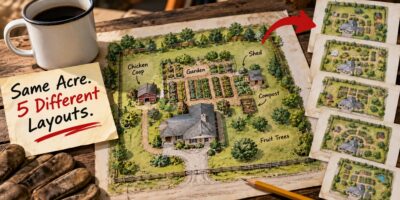
You’ll also need a storage shed for feed, tools, bedding, and other supplies and equipment. Ideally, it makes sense to plan your homestead on a sheet of paper sized to the dimensions of your property. With any luck, your modest animal husbandry experiment will reward you with everything from meat to eggs to goat milk and butter.
You may also like:
10 Natural Remedies for Common Livestock Ailments
You Probably Won’t Survive An EMP Without This (Video)
Livestock Guardian Dogs: The Silent Protectors Every Homestead Needs
Never Feed This To Your Livestock
How Long Are Cows Pregnant? A Complete Guide for Farmers and Animal Owners