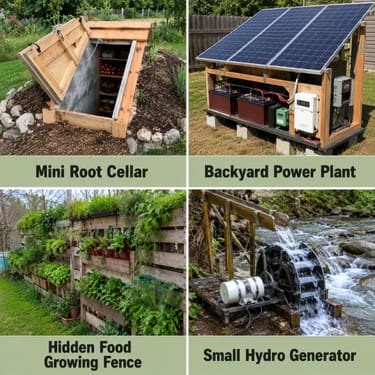
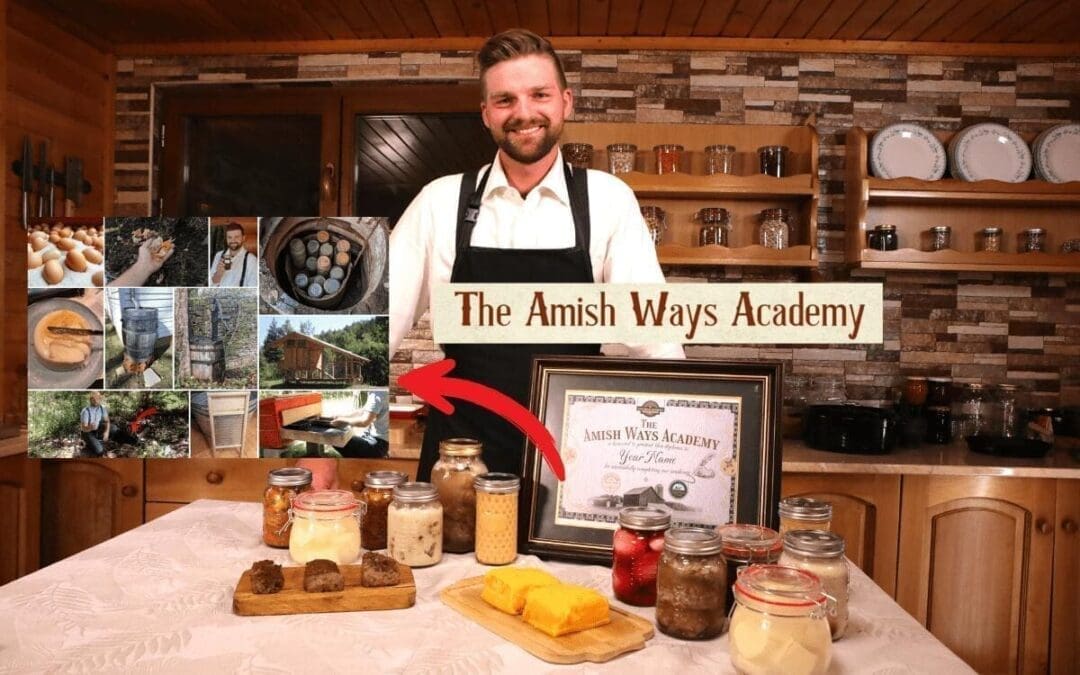
Many people think they can survive off-grid until they’re forced to live without power for a week. By day three, the food’s spoiling, the generator’s running on fumes, and tempers are boiling. But the Amish? They’ve been doing it for generations! No drama, no panic. As a prepper, that made me wonder: what do they know that I don’t… and would it keep me alive when SHTF?
For years, I devoured books and other ressources on off-grid living, but I kept feeling like something was missing. Recently, I stumbled on a video course teaching authentic Amish survival techniques – the stuff this community uses day to day to live without a GRID.
What caught my attention is that the teacher is a former Amish. Eddie Swartzentruber, was born and raised in one of the strictest Amish communities.
He says: ‘If a blackout or EMP hits, the Amish keep going while the world falls apart. That really hit home, especially since I’m more serious about preparing for a long-term blackout than anything else.. So I thought what the hell, let’s give it a shot – and signed up for The Amish Ways Academy.
Signing Up and First Impressions
The cost was fair, especially with the discount I managed to snag (from what I can see, it’s still available here, but I’m not really sure for how long, to be fair).
Within minutes, I had the video links and bonus eBooks in my inbox. One of them, a course summary, turned out to be perfect for following along with Eddie.
The others dive deep into Amish home remedies, the way they use medicinal plants, and other wisdon they’ve passed down for generations.
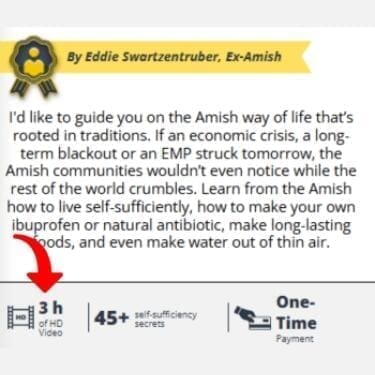
The core course is around three hours of HD video, breaking down over 45 Amish skills in bite-sized segments. Perfect for those who want to learnwithout overload.
It’s a kind of “just grab what fits your stockpile or homestead” kind of thing.
I spread the course over a week, diving in for about 25-30 minutes each evening after work. The short, focused segments made it easy to absorb each Amish skill or method without feeling rushed.
Some evenings I was too tired to even think about learning, but the short segments made it doable.
I’d watch, jot a few notes, and sometimes test a tip right away (like the egg preservation method involving salt) just to see if it really worked.
And it did.
The Egg Preservation Test: What Actually Happened
Since I mentioned testing the egg preservation method right away, let me give you the full picture rather than leaving it at “it worked.”
The method Eddie demonstrates uses a salt brine solution — one part non-iodized salt dissolved in five parts water — to submerge unwashed, fresh eggs in a sealed container. The key detail Eddie emphasizes is that the eggs must be unwashed and as fresh as possible, because the natural bloom on the shell is what makes the preservation work. Store-bought eggs that have already been washed will not last as long.
I sourced a dozen fresh eggs directly from a neighbor who keeps chickens, submerged them in the brine in a large mason jar, sealed it, and stored it in a cool dark corner of my basement.
At the four-week mark I cracked one open. Yolk firm, whites clear, no smell. Completely normal.
At eight weeks I tested another. Still good — slightly firmer white than fresh, but nothing that would stop you from eating it or cooking with it.
I have two eggs still sitting in that jar right now at the eleven-week mark. I will crack one open this weekend. Based on what Eddie says in the course, properly brined eggs stored in cool conditions can last up to a year. I am not there yet but based on what I have seen so far, I have zero reason to doubt it.
The method costs almost nothing and requires zero electricity. For a prepper focused on long-term food security, that is hard to argue with.
What You Actually Learn
Right from the get-go, I really appreciated how practical and grounded Eddie’s approach is. His voice is a bit hard to understand at times, as he still has an Amish accent, but on the other hand there are subtitles through every segment plus the written bonus that follows the videos. So there isn’t a problem. As someone focused on prepping, I found the food and preservation sections especially valuable.
They go into detail on storing eggs without refrigeration, making shelf-stable meals from basic ingredients, and turning simple items into long-lasting staples. It’s the kind of knowledge that matters when TEOTWAWKI hits, even if it’s not glamorous.
The course covers basics like making butter, lard, and tallow, as well as recipes like Molasses Pie, Poor Man’s Steak, Friendship Bread, Head Cheese, and Scrapple. Eddie also demonstrates storage methods, from mini-root cellars to electricity-free fridges, and a device that pulls water from thin air.
Which I actually tried and it kind of reminded me of The Water Freedom System, except it’s not THAT efficient. It works but takes patience and doesn’t produce tons, so it’s better used as a backup.
The Water Device: What It Actually Is and What to Expect
Since this is probably the most intriguing claim in the entire course, it deserves a more honest explanation than “it works but takes patience.”
What Eddie demonstrates is an atmospheric water generator built from basic materials — essentially a system that uses temperature differentials to condense moisture from the surrounding air into drinkable water. The Amish version uses no electricity. It relies on natural airflow, metal surfaces that cool overnight, and a collection trough that channels the condensed water into a container.
The output is modest. In the conditions I tested it — a humid evening in late summer — it produced roughly half a cup of water overnight. On a drier night it produced less. On a very humid night it did slightly better.
To be straight with you: this is not a primary water source. Eddie himself does not present it that way. It is a supplemental method — useful during a short-term tap outage, a minor drought, or as a last resort when other water sources are compromised. If you are expecting to pull gallons per day from thin air, you will be disappointed.
What makes it genuinely valuable is the concept and the cost. The materials to build it are either free or nearly free, and the skill of understanding how to harvest atmospheric moisture is one most preppers have never thought about. Combined with the rainwater collection and cistern methods Eddie covers elsewhere in the course, it becomes part of a layered water strategy rather than a standalone solution.
Realistic expectation: treat it as a backup to your backup. In that context it earns its place.
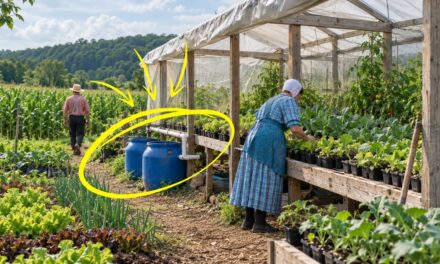
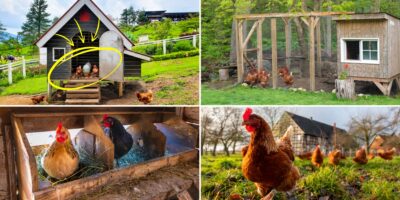
Gardening, livestock, and natural remedies are handled with the same hands-on focus. You learn how to improve soil, maintain a year-round greenhouse, raise healthy chickens, and make medicinal preparations that don’t rely on stores or pharmacies.

The bartering section shows how to turn everyday skills and items into real survival value, like backyard smokehouses or durable cookware. It’s realistic guidance for anyone wanting more independence off-grid.
The parts that I liked the most were probably:
- The Amish Burger In A Jar – which they describe as portable, protein-packed, and long-lasting for bug-out bags.
- The Great Depression Broth – this is basically a whole very nutritious meal from scraps you’d normally throw out.
- 20+Electricity-Free Ways To Preserve Eggs – I mean this really stretches the lifespan of eggs far beyond the fridge.
- The Amish Device That Produces Water Out of Thin Air – handy for a minor drought or when taps run dry for a short while.
A Closer Look at One Skill: The Amish Burger In A Jar
Since 45 skills is a lot to visualize, let me walk you through one of them in detail so you get a real sense of how Eddie teaches.
The Amish Burger In A Jar is essentially pressure-canned ground beef — cooked, seasoned, and sealed in mason jars for long-term storage without refrigeration. The finished jars are shelf-stable for up to two years and can be eaten straight from the jar cold or heated quickly over any heat source, including a campfire.
Here is what the process looks like as Eddie teaches it:
You start by browning ground beef with basic seasonings — salt, pepper, and optionally onion powder. Eddie is specific about draining as much fat as possible at this stage because excess fat shortens shelf life and can compromise the seal.
The cooked beef is then packed tightly into sterilized mason jars, leaving about an inch of headspace. A small amount of beef broth is added to each jar to keep the meat moist during the canning process and add flavor.
The jars go into a pressure canner — Eddie spends time here explaining exactly why pressure canning is non-negotiable for meat, and what happens if you try to water-bath can protein instead. This is the kind of safety detail that most YouTube tutorials skip and that could genuinely save your life.
Processing time is 75 minutes for pint jars at the correct pressure level, adjusted for altitude.
The result is a protein-packed, portable, fully cooked meal that needs nothing — no fridge, no freezer, no electricity. Eddie suggests making a dozen jars at a time during a weekend session and rotating them into your bug-out bag or long-term pantry.
What I appreciated about this segment specifically was that Eddie makes mistakes on camera and corrects them in real time. It felt like learning from someone who actually does this, not someone performing for a camera.
What You Actually Need to Apply These Skills
One thing the course does not spell out upfront is what tools and supplies you will need to put these skills into practice. Based on my own experience working through the material, here is an honest list so you can assess what you already have and what you might need to source:
For food preservation:
- A pressure canner — this is the most significant investment if you do not already own one. A basic model runs between 80 and 120 dollars. It is non-negotiable for safely canning meat and low-acid foods
- Mason jars in various sizes — pint and quart jars are used most frequently throughout the course
- Non-iodized salt and basic pantry staples — most preservation recipes use ingredients you likely already have
- A cool, dark storage space — a basement corner works perfectly
For water skills:
- Basic metal sheeting or salvaged metal surfaces for the atmospheric collector
- A collection container — any food-safe bucket or large jar works
- Access to a clean rainwater source if you want to build on the cistern methods
For natural remedies:
- Activated charcoal, raw honey, coconut oil, and turmeric are the most frequently used ingredients across multiple recipes — worth stocking in bulk
- Small glass jars for storing finished remedies
- A basic kitchen scale for accurate measurements
For gardening and soil work:
- Composted manure — available at most garden centers or free from local farms
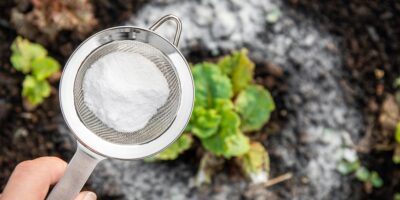
- Wood ash — free if you have a fireplace or know someone who does
- Basic hand tools — Eddie’s methods require no powered equipment
For heating projects:
- Cinder blocks and metal flue pipe for the starter rocket heater build
- Firebricks if you want to build the full version
Most of these are either already in a prepared household or easily sourced locally for low cost. The pressure canner is the only item that requires a meaningful upfront investment, and it pays for itself quickly if you use it regularly.
The Quiz and The Diploma: A Clever Touch
Wrapping up the course is a short quiz designed to lock in the lessons. You can retake it as many times as needed until you pass, which is perfect for reinforcing what you’ve learned without having to rewatch every single video.
I really appreciated this . Instead of just nodding along, you’re forced to think through how you’d actually apply the skills you’re learning for water purification, food storage, bartering or something else.
Let me tell you something: you kind of need to pay attention. I took the quiz a couple of times before I passed.
There was a small problem for me: you need to score 20 out of 20 to actually pass so they’re taking who they’re giving the diploma to seriously.
I messed up on preservation questions because I didn’t take enough notes. Lesson learned!
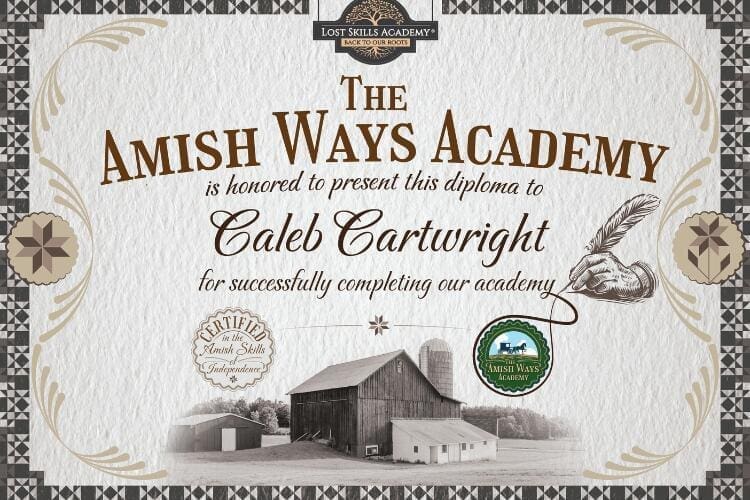
The great news is that you’ll get a diploma as soon as you finally make it (you can see mine below). Or maybe you’re just smarter and more focused than me and you get it right from the first time!
The Good
Here’s the best part: throughout his Amish Ways course, Eddie teaches you about stuff that you can actually use. Eddie doesn’t waste time at all on textbook survival tips. Everything is rooted in his real-life experience living with his Amish family. Here are other PROs:
- Bite-sized, hands-on demos – straight to actionable steps.
- Broad coverage – food, water, health, barter – all grid-independent.
- Video plus eBooks – watch, read, or reference on the go.
- Evergreen skills – no tech dependencies, built for collapse.
What I Have Actually Done Since Finishing the Course
A review that stops at “I watched it and liked it” is not very useful. So here is what I have actually put into practice since completing the Academy, and how it went.
- Egg preservation in brine: Done and tested — see the full breakdown earlier in this review. This is now a permanent part of my food prep routine. I keep a rotating jar going at all times.
- The Great Depression Broth: Made this twice now. The first time I used vegetable scraps — onion skins, carrot tops, celery ends — that I had been collecting in a freezer bag for two weeks. Simmered for three hours with salt and a bay leaf. The result was a genuinely nutritious, deeply flavored broth that I pressure-canned into four pint jars. Zero cost, zero waste, four meals worth of nutrition from scraps I would have thrown out. The second batch I added chicken bones left from a roast. Even better.
- Soil improvement using the Amish layering method: I applied the composted manure and wood ash layering technique Eddie describes to one of my raised beds before the last growing season. Compared to my other beds, that bed produced noticeably better — fuller plants, more consistent yield, less watering needed. I am now applying it to all my beds this season.
- The rocket mass heater: I have not built a full one yet — it requires more time and materials than I have committed so far — but I have built the small test version Eddie shows in the course using cinder blocks and a metal flue pipe. It works. The heat output from a small amount of wood is genuinely impressive and it convinced me the full build is worth doing this autumn.
- Natural remedies: I made the drawing salve and have used it twice — once on a minor infected splinter and once on an insect bite that had swollen up. Both times it worked faster than I expected. I now keep a small jar in my first aid kit permanently.
Not everything stuck on the first try. The butter-making took me three attempts to get right — mostly because I was not using cream with a high enough fat content. But that is the nature of real skills. They take practice. The course gives you the foundation; the reps are up to you.
The Not-So-Good
I wished the course went a little deeper into Amish social dynamics. How do they handle community disputes, stay informed during a crisis, or make decisions as a group? That kind of insight could be a game-changer when you’re trying to build your own survival community or group.
Some topics could also use more depth. Three hours of video is packed with info, but some areas, like cold-climate greenhouse tips, aren’t covered in great detail. But the bonus eBooks and a bit of experimentation will bridge the gap for sure.
Another thing to keep in mind is resource sourcing. Eddie shows you how to do a lot with limited, local materials, but if you don’t live near farmland or forests, figuring out where to get the right supplies can take some extra hustle. Still, with all the practical tips and bonuses, I think it’s a solid investment…
Who This Course Is For — and Who It Is Not
Before you decide whether to sign up, it helps to know if this is the right fit for your situation.
This course is for you if:
- You are serious about prepping for long-term grid-down scenarios, particularly extended blackouts or supply chain collapse
- You want practical, hands-on skills taught by someone who actually lived them, not a former military instructor recycling the same survival tropes
- You are a beginner to intermediate prepper looking to fill gaps in food storage, water sourcing, and natural remedies
- You prefer learning through video demonstration rather than reading manuals
- You have at least some outdoor or storage space to apply what you learn — a backyard, a basement, or a small plot of land
This course is probably not for you if:
- You are an experienced homesteader who has already mastered canning, food preservation, and off-grid water systems — you may find the pace too introductory
- You live in a small apartment with no storage or outdoor space — several of the core skills require room to apply
- You are looking for tactical survival training — weapons, security, escape routes — this course does not cover any of that
- You want deep community or social dynamics content — the Amish communal decision-making and crisis communication side of things is largely absent, which is a real gap
- You need instant results — some skills like brine preservation and greenhouse growing require weeks or months to see the payoff
The sweet spot for this course is the prepper who has the basics covered — some food storage, a bug-out bag — but wants to move beyond stockpiling and into actual self-sufficient living skills.
Final Verdict
Most people find out the hard way that self-reliance isn’t optional. The Amish have known that for centuries and live accordingly.
The Amish Ways Academy will teach you useful skills but it also gives you a glimpse into a way of life that works when everything else stops. As far as I’ve experienced, this is the closest thing to stepping into the Amish world without leaving home.
I’ve tried a lot of resources, and this one felt genuine and practical. It’s not flawless, but its limits are far outweighed by its value.
One thing’s for sure: now I know I can store eggs for months without a fridge, make meals that last for years without electricity, and pull drinking water out of the air around.
And That’s a level of independence I didn’t have before.
If you’re curious about real Amish methods and skills, it’s worth checking out.. Here is the link where I joined the academy in case you want to see for yourself The Amish Ways Academy.
Look, I have a confession to make. Right after I went through the Academy, I decided to dive deeper into Eddie’s work and even ordered The Amish Ways Book, which is also written by him. Phenomenal book, for real! Great insight, and some of the information inside wasn’t covered in the Academy. I don’t regret for a second getting both, because they complement each other nicely.
Academy vs. Book: Which One Should You Get First?
Since I have now gone through both, here is an honest breakdown to help you decide where to start — or whether you need both at all.
The Amish Ways Academy is video-first and skill-first. It is built around watching Eddie demonstrate techniques in real time, which is invaluable for anything hands-on — canning, building the water device, preparing medicinal remedies. The visual format makes complex processes much easier to follow than written instructions alone. If you are the kind of person who learns by watching and doing, start here.
The Amish Ways Book goes deeper on philosophy, context, and the reasoning behind each practice. It covers some skills the Academy does not touch, particularly around financial habits, resource management, and the Amish approach to community resilience. If you want to understand the mindset behind the methods — not just the methods themselves — the book adds a layer the course does not.
Where they overlap: Both cover food preservation, medicinal plants, and off-grid systems, but from different angles. The course shows you how to do it. The book explains why the Amish have done it this way for generations. Together they reinforce each other in a way that neither does alone.
My honest recommendation: If budget is a concern, start with the Academy. The video format delivers more practical value faster. Add the book when you can — it will deepen everything you already learned and fill in the gaps.
If budget is not a concern, get both at the same time and use the course summary eBook to cross-reference as you go.
You may also like:
12 Amish Farming Secrets Every Homesteader Should Know
This Portable Water Survival System Will Save Your Life (Video)
Canning Myths Debunked By The Amish
Homemade Amish Apple Butter Recipe With 12+ Months Shelf Life
Homesteading Lessons I Learned from the Amish