The hot shower is a marvel of modern technology. There is nothing like a hot shower after a cold, hard day of work.
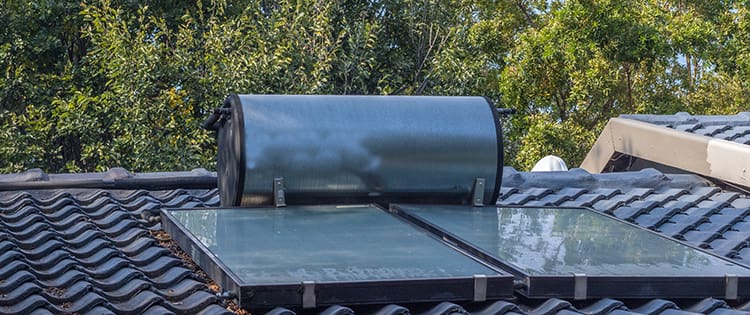
The good news is that DIY hot water is not nearly as tough as you might think. In fact, you can even recruit the sun to help heat your water.
I took the liberty of explaining the best way to turn these DIY solar water heaters into showers, too, since that is likely to be your number one priority when using them.
Greenhouse Solar Water Heater
The greenhouse is usually on the top of every homesteader’s wish list. It is a means of growing through the cold weather seasons.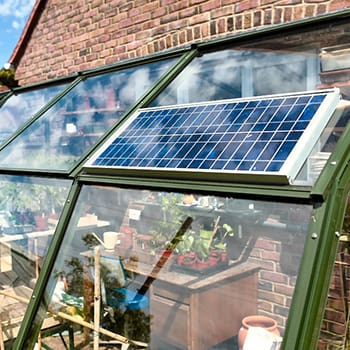
I have employed greenhouses effectively and unsuccessfully, too.
Some brands are very helpful and some are downright terrible.
If you have a sturdy greenhouse or you plan on building one, then you could create a greenhouse solar water heater by catching the sun’s heat in the very same way you do using your greenhouse.
- Begin by noting the part of the greenhouse that gets the most direct sunlight throughout the day.
There is likely a portion of the roof or even a side of the greenhouse, or both, that gets the majority of the direct sunlight. This is much like planning a garden because you are going to use this section of the greenhouse to warm your water.
- Next, you can start building your hot water pipes. Many DIYers use a thick black hose for this, and I think it is one of the best ways to do it.
You can also use black iron pipe that will heat up really well, or you can use PVC that you spray paint black. Obviously, we want the black pipe or hose to attract the direct sunlight.
- These pipes will heat up first, and then the water inside will heat up, too. The more pipe you can run the water through, the more time it will have to heat up. So a smaller pipe covering more of the surface area that gets sun is going to work best.
- Finally, you can build a simple wooden enclosure off the back of the greenhouse and run the hot water pipe to a spigot or shower head of your choosing.
This will give you the ability to stand under the heated water and take that hot shower even if you are living off-grid.
Now, if you don’t have a greenhouse but plan on building one, it’s better to be two steps ahead and build a greenhouse that is able to support a water heating system. Hopefully there’s no need to think about this design yourself because you can find all you need and the blueprints here.
This greenhouse design is one of the most versatile out there and the thing I like about it is that you can scale up everything. For example, if you’d like a bigger greenhouse, you can use the exact same design and simply make it bigger. This is one of the simplest greenhouse designs and at the same time is one of the best if you also want it to serve as a water heater. The roof is not curved and this allows you to install your pipes with no struggle.
Click here to get the exact design I’m talking about and start heating your water off-grid →
Black Barrel Solar Water Heater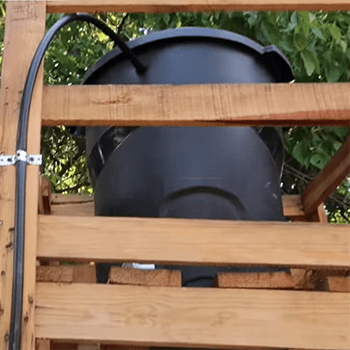
Another very simplistic type of solar water heater is the use of a black barrel to both catch and hold water. If you can’t find a black barrel, then it is time to break out the black spray paint again. Once you set this thing up properly, you are going to be able to turn the water on and stand underneath for a warm 55-gallon shower.
- The first step is to ensure the barrel is outfitted with a screen on the top, an overflow and a spigot. The barrel should be prepped and ready for use as the first step.
If you want to use a standard spigot, that is fine, or you can add some threaded pipe and affix whatever fixture you would like.
- Next, we have to build a platform that the barrel can sit on. This barrel has to be above your head. So, where you choose to install this thing is very important.
If you build a platform and attach this barrel to a tree, then your platform and attachment have to be very secure and stable. You do not want a 55-gallon barrel of water falling on you.
- You could also place this large barrel on a deck or build a small, raised deck for this purpose. This is a nice stable design, and it would be easy to build a small shower enclosure off of that. The key is to use gravity to deliver the hot water.
- No matter where you decide to affix the black barrel, just make sure that you have it in a place that gets lots of direct sunlight. That is what is going to heat the bucket and, in turn, the water inside.
Solar Water Heater Panel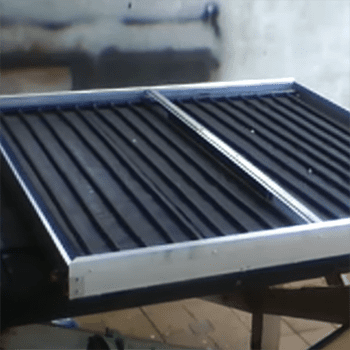
This concept plays off the greenhouse idea a bit, but instead of needing a greenhouse as a prerequisite, you are creating simple panels that will collect the sun’s rays and the solar heat.
These panels can be linked together, and the water can be sourced from rain barrels already on the home.
- Start by creating a frame for your solar water heater panels. These can be simple lumber and plywood just to create an open frame that you can snake black hose back and forth.
You might even consider spray-painting the frames black on the inside to draw even more sunlight towards the black hoses.
- Once you have snaked your hose through the frames and secured them in place, you will want to drill a hole large enough to snake the intake hose out of and the outflow on the other side.
This way you can chain these frames together. Make a few so you can run the water through a nice length of hose and give it time to warm up.
- After that, you can cover each frame with a thick clear plastic of your choosing. The clearer the better, but with the black hose inside, you will get plenty of heat and sunlight inside to warm your water.
- Finally, attach the first panel to the outflow of your rain barrel, chain the rest of the panels together and then on the last panel attach a fixture to the outflow.
If you can build the shower below this section, then it will be much easier to use that way. However, if you are just pulling hot water from this system, it can be left on the ground in the sun.
What I like most about these three designs is that none are too complex.
The Amish Water Heater
These guys have been living off-grid since forever, so they know what they’re doing. The method they use is a more sophisticated one, but at the same time, it is the most efficient and the most reliable one from this list because it resembles modern water heating systems the most, and because it does not rely just on the sun. You can design it to be fully solar, but if you want to have a backup plan for rainy days, this is the one.
The idea is simple: you need a cold water source, be it rainwater, spring water, or simply your faucet. If you want to go with rainwater, since it’s free, you can see how to build the most complete rainwater catchment system here. After you’ve got your water source, you need a way to heat it. For this, the Amish will use fire. Some of them use a big pot of water they heat up solely for the purpose of having a heated water source, while others will create a pipe system around the oven they’re already using for cooking and not lose any heat.
Once you have your heated water, you can simply use a spigot and take the heated water directly from the source, or you can distribute it through pipes around your home. It’s your choice regarding how much you want to develop this project. If you just want an easy fix, you can just use the simple method.
If you want to see the full Amish heating system project, click here →
Final Thoughts
Each one of these can be created for minimal expense and if you watch the local marketplaces and yard sales, you could likely get it all done for even less than you think.
Placement of your system is going to make all the difference. You need lots of sun and you should set the water heater up in a way that gravity is working for you. Otherwise, you might have to add a pump to your system to make it effective.
This article first appeared on Ask A Prepper.
You may also like:
DIY Backyard Projects You Need To Get Done By Spring
What Our Forefathers Did and Built Around the House (Video)
You Are Not Ready For Winter Until You Have These
50 Off the Grid Homesteading Tips and Tricks
How You Can Find Out If Your Homestead Water Is Polluted Or Clean